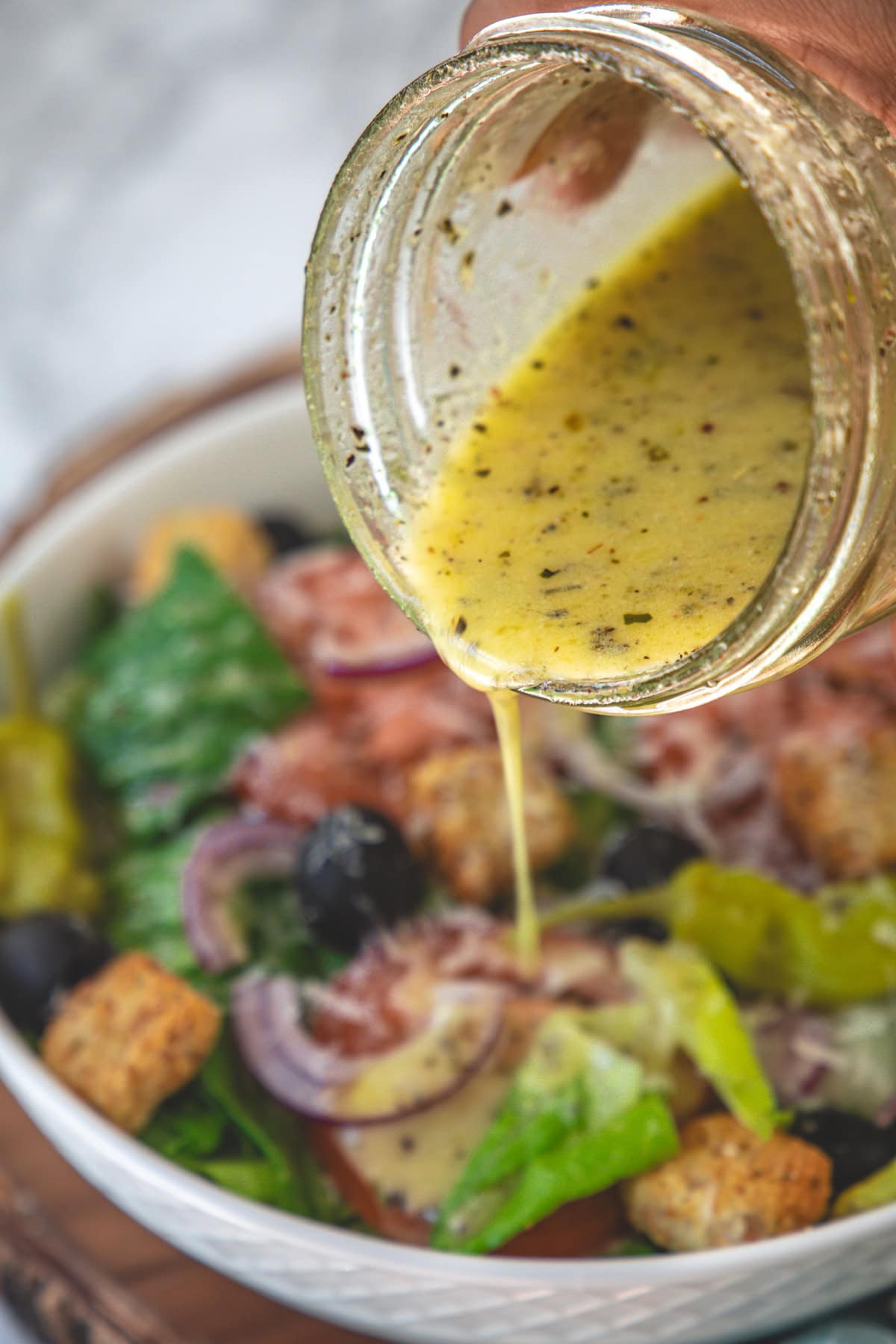
The 5-letter secret to a perfect salad dressing recipe is the RATIO. Specifically, the fundamental culinary golden ratio of three parts oil to one part acid (3:1). This structural framework ensures a balanced flavor profile where the richness of the fat perfectly offsets the sharpness of the acidity, allowing the dressing to emulsify and cling to greens effectively.
The Chemistry of the 3:1 Ratio
Understanding why the five-letter word RATIO is the cornerstone of salad dressing begins with the chemistry of taste and texture. In culinary science, a vinaigrette is a temporary emulsion. Most salad dressings consist of two liquids that naturally repel each other: oil (lipids) and vinegar or citrus juice (aqueous solutions). Without a strict ratio, the dressing either becomes unpleasantly greasy or sharply acidic, masking the natural flavors of the vegetables it is meant to enhance.
The 3:1 ratio provides enough volume of oil to coat the palate, which acts as a carrier for the fat-soluble flavor compounds found in herbs and spices. Simultaneously, the one part acid provides the necessary brightness to cut through the fat. If you deviate too far toward more oil, the dressing feels heavy and leaves a film on the tongue. If you use too much acid, the dressing will wilt delicate greens almost instantly due to the high pH concentration breaking down the cell walls of the plants.
In 2026, professional chefs and home cooks alike continue to use this ratio as a baseline because of its versatility. While some modern "low-fat" recipes attempt to invert this, they often require chemical thickeners (like xanthan gum) to mimic the mouthfeel that the classic 3:1 ratio provides naturally. By mastering this ratio, you gain the ability to create thousands of variations simply by swapping the types of oils and acids used.
Selecting the Foundation: The Role of Fats
The "three parts" of your ratio usually consist of oil, but not all oils are created equal. The choice of fat determines the heart of the dressing’s flavor profile and its nutritional value.
Extra Virgin Olive Oil (EVOO)
For most Mediterranean-style dressings, extra virgin olive oil is the gold standard. It contains high levels of monounsaturated fats and polyphenols. When selecting an EVOO for a dressing, look for "cold-pressed" labels, which indicate that the oil was extracted without high heat, preserving its complex flavor notes—ranging from peppery and robust to buttery and mild.
Neutral Oils
In recipes where you want the flavors of fresh herbs or expensive vinegars to shine, a neutral oil is preferable. Avocado oil, grapeseed oil, and sunflower oil are excellent choices. Avocado oil, in particular, has gained prominence in 2026 for its high smoke point and heart-healthy profile, making it a staple for dressings that might also be used as marinades for grilled components.
Nut and Seed Oils
To add depth and a "secret ingredient" feel, many chefs replace one part of the three-part oil component with a specialty oil. Toasted sesame oil, walnut oil, or hazelnut oil can transform a standard vinaigrette into a gourmet experience. Because these oils are intense, they are rarely used as the sole fat source but rather as a supplement within the 3:1 framework.
Navigating the Acid Spectrum: Brightness and Balance
The "one part" acid in your ratio is responsible for the "zing" or "brightness" of the dressing. The acidity triggers salivation, which actually makes the other flavors in the salad taste more intense.
- Wine Vinegars: Red wine vinegar and white wine vinegar are the workhorses of the pantry. Red wine vinegar is robust and pairs well with hearty greens like kale or romaine, while white wine vinegar is softer and better for delicate butter lettuce.
- Apple Cider Vinegar: Known for its fruitier, slightly sweeter profile, this acid is often used in "wellness" focused dressings. It pairs exceptionally well with honey and mustard.
- Balsamic Vinegar: This is an outlier in the ratio world. Because traditional balsamic vinegar is thick and naturally sweet, you may sometimes adjust your ratio toward 2:1 or even 1:1 if the balsamic is highly reduced. However, for standard grocery-store balsamic, the 3:1 rule remains the safest bet to avoid an overly syrupy salad.
- Citrus Juices: Lemon, lime, orange, and grapefruit juices provide a fresh, botanical acidity that vinegars lack. When using citrus, it is often beneficial to include some of the zest to incorporate the essential oils found in the peel, which further enhances the aroma of the dressing.
The Secret of Emulsification: The 5-Letter "Glue"
While the ratio is the secret to the recipe's balance, the secret to its texture is often another 5-letter word: DIJON. Mustard, specifically Dijon mustard, acts as a primary emulsifier.
Oil and vinegar do not like to stay mixed. If you shake them in a jar, they will separate within minutes. An emulsifier is a substance that contains molecules with one "water-loving" (hydrophilic) end and one "oil-loving" (lipophilic) end. These molecules surround the tiny droplets of oil and prevent them from merging back together.
Common Emulsifiers Include:
- Mustard: The mucilage in mustard seeds is a powerful stabilizer.
- Honey: While primarily a sweetener, its viscosity helps hold the suspension.
- Egg Yolk: Used in Caesar and ranch-style dressings for a creamy, permanent emulsion.
- Miso Paste: An excellent vegan alternative that adds umami and structural stability.
By adding just a teaspoon of an emulsifier to your 3:1 ratio, you transform a thin, watery liquid into a creamy, cohesive dressing that coats every leaf of spinach or arugula evenly.
Step-by-Step Implementation of the 5-Letter Secret
To execute the perfect dressing, follow this standardized procedure to ensure the ratio is maintained and the emulsion is stable.
- Measure the Acid First: Start with 1 tablespoon of your chosen acid (e.g., lemon juice or red wine vinegar) in a medium bowl.
- Add Your Aromatics and Emulsifiers: Add 1 teaspoon of Dijon mustard, a pinch of salt, and freshly cracked black pepper. If using minced garlic or shallots, add them now so the acid can "macerate" them, which softens their raw bite.
- The Slow Stream: While whisking constantly, slowly drizzle in 3 tablespoons of your chosen oil. By adding the oil slowly, you are breaking it into microscopic droplets that the mustard can then surround and stabilize.
- Taste and Adjust: Dip a piece of the actual salad green you intend to use into the dressing. Tasting it on a leaf is more accurate than tasting it off a spoon, as the green's bitterness or sweetness will interact with the dressing.
- Resting Period: If time permits, let the dressing sit for 10–15 minutes. This allows the dry spices and aromatics to fully hydrate and infuse the oil.
Comparing Salad Dressing Ratios and Applications
The table below outlines how the 3:1 ratio adapts across different culinary styles and the specific ingredients used to maintain that balance.
| Dressing Style | Oil Type (3 Parts) | Acid Type (1 Part) | Key Emulsifier | Best Used For |
|---|---|---|---|---|
| Classic French | EVOO | Red Wine Vinegar | Dijon Mustard | Mixed Bistro Greens |
| Japanese Ginger | Grapeseed Oil | Rice Vinegar | Miso Paste | Shredded Cabbage |
| Mediterranean | EVOO | Fresh Lemon Juice | Minced Garlic | Cucumber & Tomato |
| Sweet Balsamic | Avocado Oil | Balsamic Vinegar | Honey | Spinach & Strawberry |
| Spicy Lime | Neutral Oil | Fresh Lime Juice | Agave Nectar | Kale or Taco Salad |
Troubleshooting Common Dressing Issues
Even when following the 5-letter secret, environmental factors can sometimes affect the outcome.
If the dressing is too sour: This usually means the ratio was slightly off, or the vinegar used has a higher acetic acid content than standard (most vinegars are 5% acidity). To fix this without making the dressing too oily, add a tiny pinch of sugar or a drop of honey. Sweetness counteracts the perception of sourness on the tongue.
If the dressing is too oily/heavy: You may have used a very "heavy" olive oil. You can brighten it by adding a teaspoon of water or a bit more acid. Alternatively, ensure you are whisking vigorously enough; sometimes a "greasy" feel is just a sign of a broken emulsion where the oil hasn't been properly dispersed.
If the dressing separates immediately: This is a failure of the emulsion. The fix is to add a bit more mustard or another emulsifier and whisk again. Using a small jar and shaking it violently (the "shake" method) is often more effective for home cooks than whisking by hand.
Frequently Asked Questions
Does the 3:1 ratio apply to creamy dressings like Ranch?
No, the 3:1 ratio is specifically designed for vinaigrettes. Creamy dressings typically use a base of mayonnaise, sour cream, or yogurt, where the fat is already emulsified. However, even in creamy dressings, the balance of fat-to-acid remains vital for flavor, usually hovering around 4 parts creamy base to 1 part acid.
Can I use dried herbs instead of fresh?
Yes, but remember that dried herbs are more concentrated than fresh ones. The general rule is to use one-third the amount of dried herbs compared to fresh. For a perfect ratio dressing, let the dried herbs sit in the acid for 5 minutes before adding the oil to help release their flavor.
How long can I store a homemade dressing made with this ratio?
A simple oil-and-vinegar dressing can last in the refrigerator for up to two weeks. However, if you add fresh aromatics like garlic, shallots, or fresh herbs, the shelf life drops to about 3–5 days. According to the USDA Food Safety guidelines, fresh garlic in oil should be consumed quickly to prevent the risk of foodborne illness.
Is it necessary to use expensive oils?
While the 5-letter secret is the ratio, the quality of the "three parts" (the oil) significantly impacts the final taste. Since the oil is not being heated or cooked, its raw flavor is front and center. You don't need the most expensive oil in the world, but using a high-quality, fresh extra virgin olive oil will yield a vastly superior result compared to a generic vegetable oil.
Why does my olive oil dressing turn solid in the fridge?
Extra virgin olive oil contains natural waxes that solidify at cold temperatures. This is a sign of high-quality oil. Simply take the dressing out of the refrigerator 15 minutes before serving, or run the jar under warm water for a moment, then shake it to re-incorporate.
Final Recommendation for Culinary Success
To consistently achieve the perfect salad dressing, invest in a small set of dedicated glass jars with leak-proof lids. Marking the side of the jar with permanent lines—one for the acid level and one for the oil level—removes the need for measuring spoons every time you cook. By internalizing the RATIO, you move away from following rigid recipes and toward intuitive cooking, allowing you to adapt your dressing to whatever fresh ingredients are in season. For the best nutritional results, always prioritize unrefined oils and organic acids to maximize the health benefits of your salads.