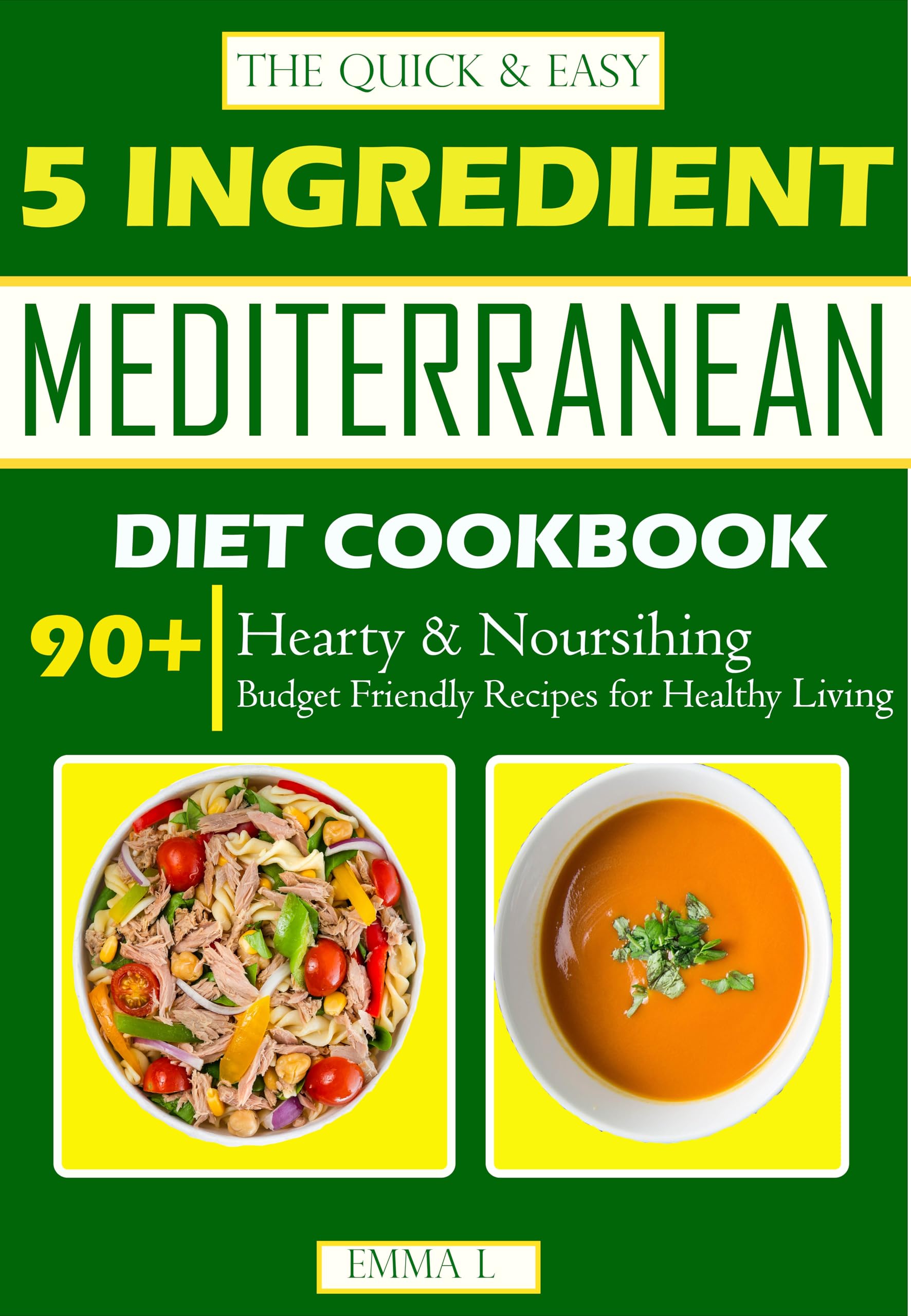
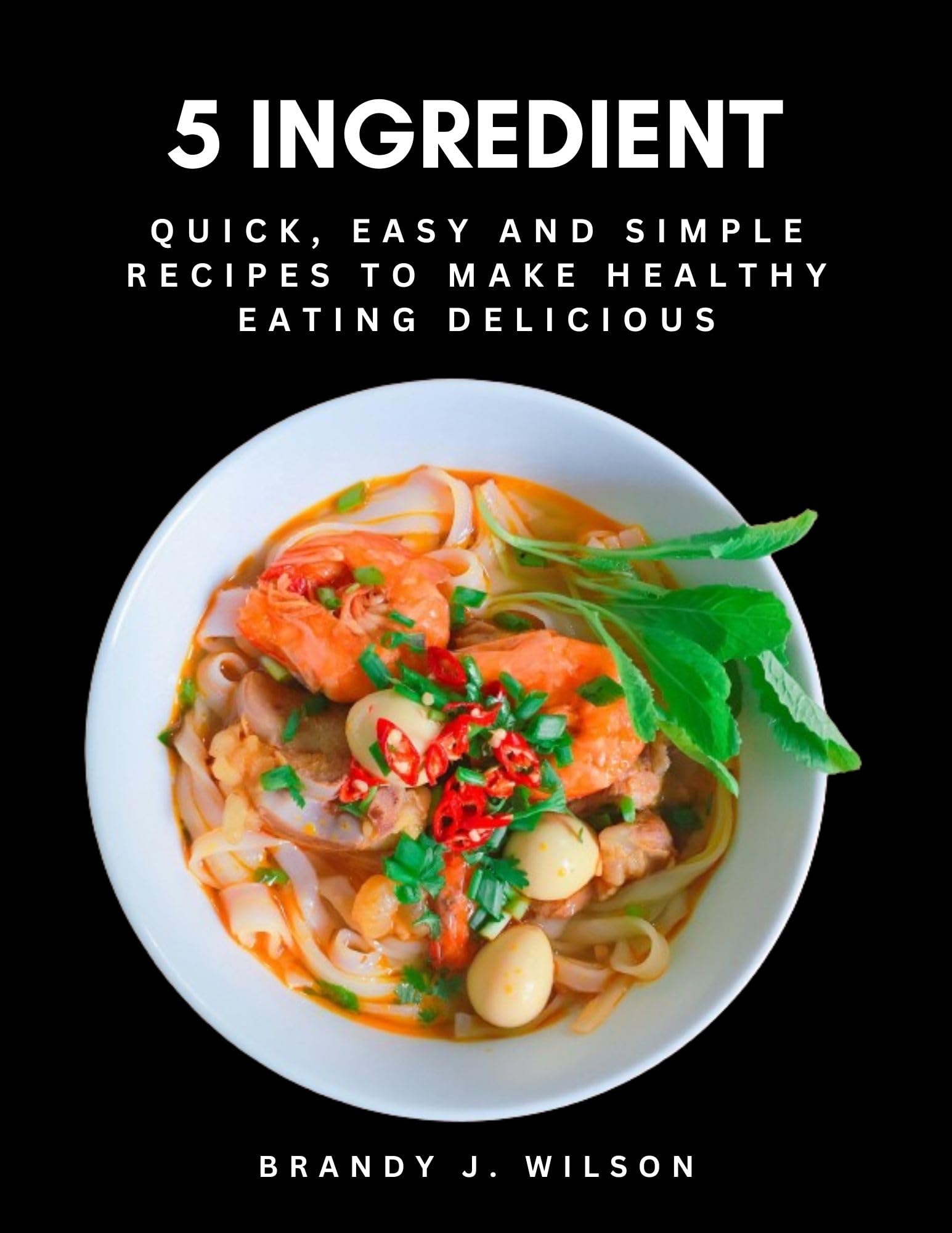
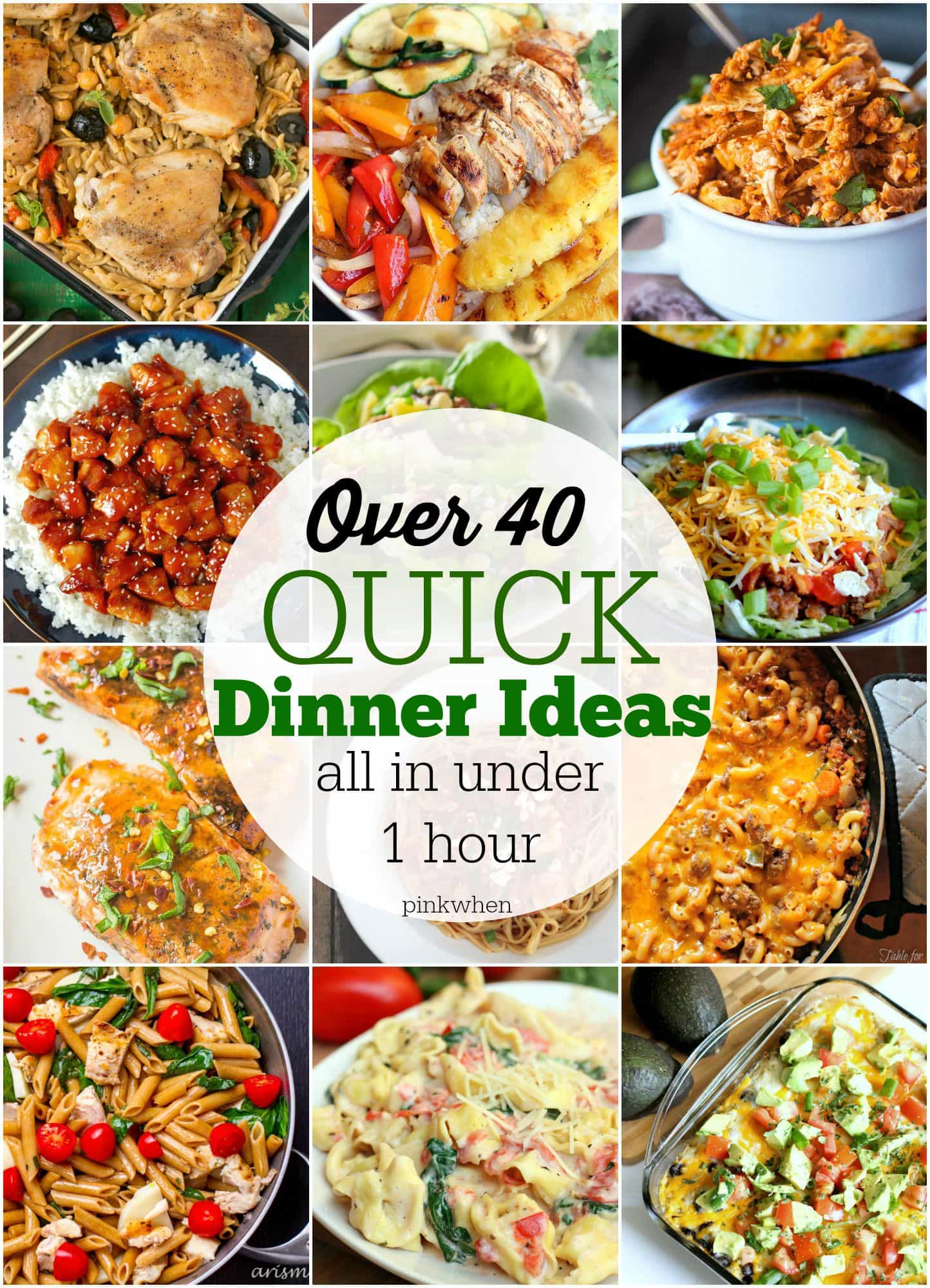
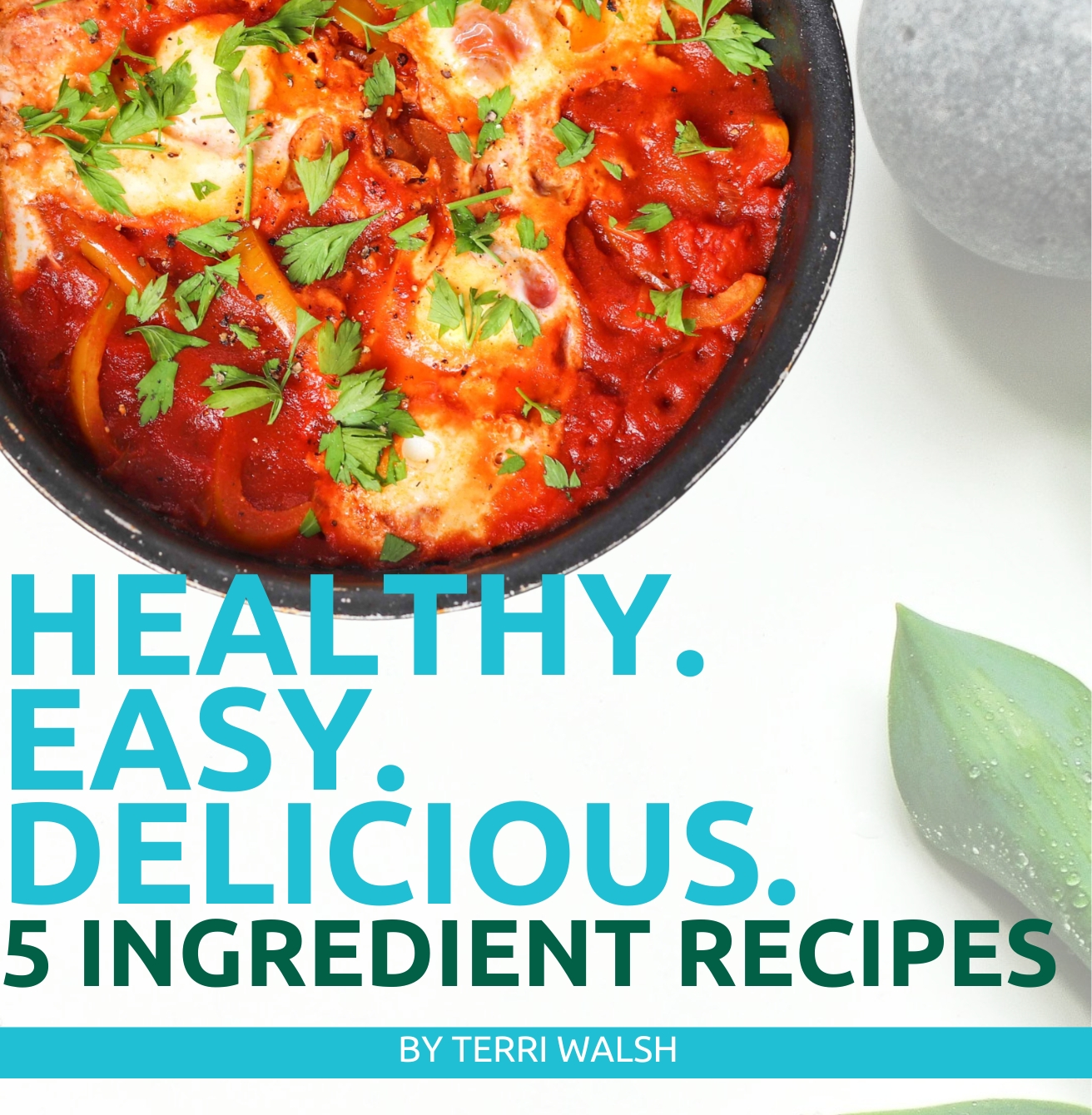
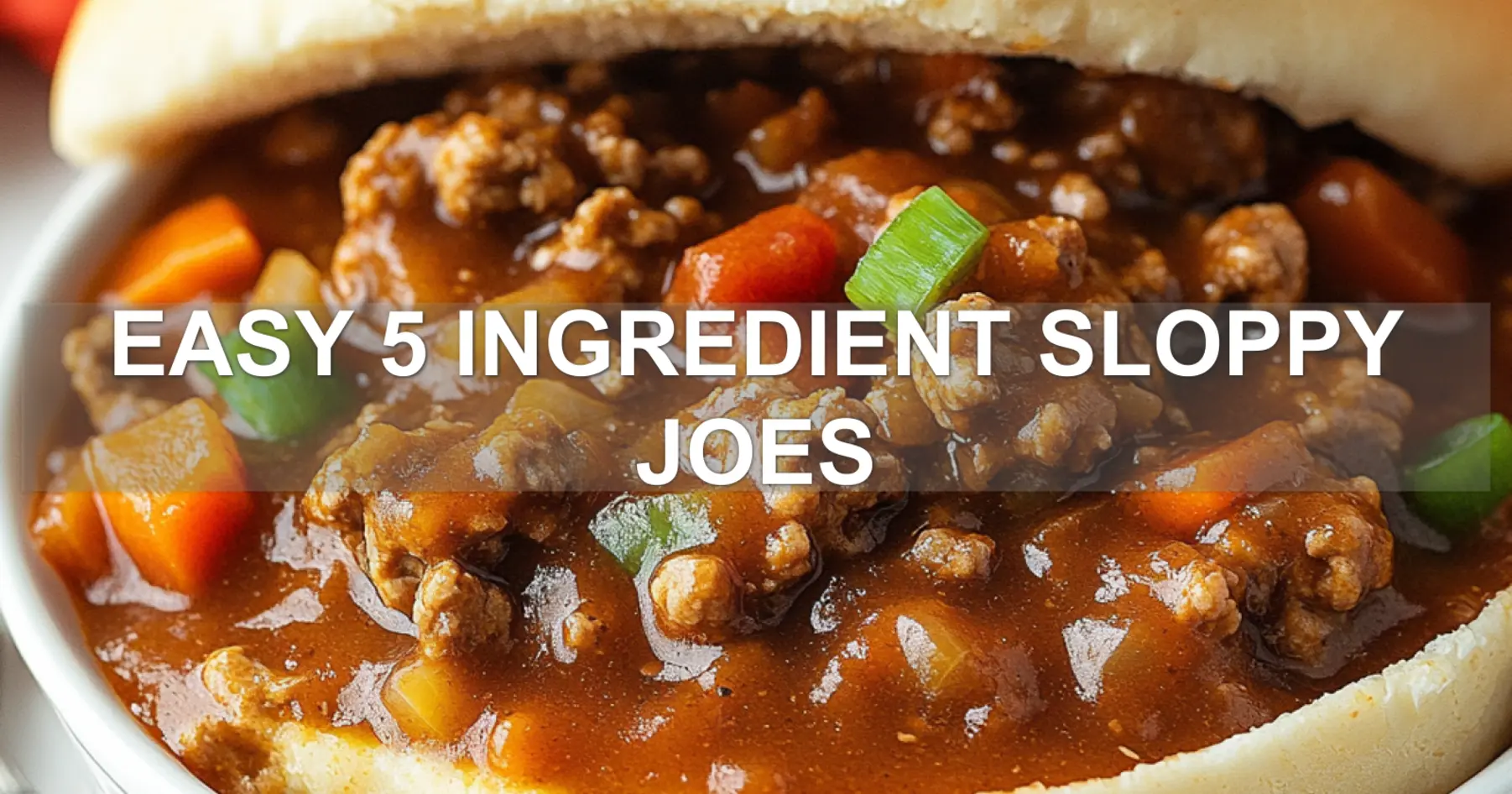
5-ingredient quick recipes streamline meal preparation by focusing on high-impact flavors with minimal assembly time. These recipes typically exclude basic pantry staples like oil, salt, and pepper, allowing you to create restaurant-quality dinners, lunches, and breakfasts in under 20 minutes with very little cleanup and maximum nutritional value.
The Evolution of Minimalist Cooking in 2026
As we navigate 2026, the demand for "minimalist cooking" has shifted from a niche lifestyle choice to a practical necessity for the modern household. With the increasing cost of specialized groceries and the continued premium on personal time, the "5-ingredient" constraint serves as a framework for efficiency. The goal is no longer just about saving time; it is about reducing the "cognitive load" associated with meal planning and decision-making.
The core philosophy relies on selecting "hero ingredients"—items that carry multiple flavor profiles or textures simultaneously. For example, using a high-quality chorizo provides both the protein and the seasoned oil needed to flavor an entire dish, effectively replacing three or four separate spices and fats. This strategic selection allows home cooks to maintain high culinary standards without the exhaustive ingredient lists that characterized previous decades of home cooking.
Furthermore, the rise of specialized frozen and pre-prepped produce in 2026 has made it easier to source high-quality bases. When you limit a recipe to five key components, each ingredient must be of higher quality or higher utility. This approach encourages a "quality over quantity" mindset that often results in cleaner, more distinct flavor profiles that are not muddied by an overabundance of seasonings.
The "Free" Pantry Staples: Defining the Five Ingredients
To successfully implement a 5-ingredient system, it is essential to establish what counts as an "ingredient." In professional culinary circles and standard recipe development, certain items are considered "pantry staples" and are not included in the primary count. Establishing these ground rules prevents frustration and ensures your shopping list remains manageable.
Commonly accepted "free" ingredients include:
- Cooking Fats: Olive oil, neutral vegetable oil, and butter.
- Seasonings: Kosher salt, sea salt, and freshly cracked black pepper.
- Liquids: Filtered water (though stocks or juices count as ingredients).
- Basic Acids: Standard white vinegar or apple cider vinegar (specialty vinegars like aged balsamic or sherry vinegar often count as a hero ingredient).
By excluding these basics, you can focus your five slots on the structural components of the meal: a protein, a complex carbohydrate, two vegetables, and a high-impact flavor agent (such as a sauce, cheese, or herb). This structure ensures a balanced plate that meets nutritional guidelines while remaining incredibly simple to execute.
High-Impact Dinner Recipes for Busy Weeknights
The evening meal is where 5-ingredient recipes truly shine, particularly when utilizing one-pan or sheet-pan techniques. These methods minimize the equipment needed and allow the ingredients to meld together during the cooking process.
1. Lemon Garlic Butter Salmon with Asparagus
This dish relies on the natural fats of the salmon and the brightness of the lemon to create a sophisticated flavor profile.
- Ingredients: Salmon fillets, fresh asparagus, pre-cooked quinoa, fresh lemons, and minced garlic (jarred is acceptable for speed).
- Method: Place the salmon and trimmed asparagus on a sheet pan. Top with lemon slices and garlic. Roast at 400°F (204°C) for 12–15 minutes. Serve over the warmed quinoa.
- Why it works: The garlic and lemon infuse both the fish and the vegetable, while the quinoa provides a texture-rich base that absorbs the juices from the pan.
2. Salsa Verde Chicken Tacos
A staple for Tuesday nights, this recipe uses the acidity of salsa verde to tenderize and season the meat simultaneously.
- Ingredients: Rotisserie chicken (shredded), jarred salsa verde, corn tortillas, fresh cilantro, and pickled red onions.
- Method: Heat the shredded chicken with the salsa verde in a skillet until bubbling. Char the tortillas over an open flame or in a dry pan. Fill the tortillas and top with cilantro and onions.
- Why it works: Salsa verde contains tomatillos, peppers, onions, and garlic, providing a complex flavor profile while only occupying one "ingredient" slot.
3. Pesto Pea and Gnocchi Skillet
This vegetarian-friendly option is ready in less than ten minutes because fresh gnocchi cooks almost instantly.
- Ingredients: Shelf-stable or refrigerated gnocchi, high-quality basil pesto, frozen sweet peas, baby spinach, and parmesan cheese.
- Method: Sauté the gnocchi in butter or oil until slightly golden. Add the peas and pesto, stirring until heated through. Fold in the spinach at the very end until just wilted. Top with parmesan.
- Why it works: Pesto acts as the sauce, the herb component, and the primary seasoning all at once.
Comparing Prep Times and Nutritional Focus
The following table compares different 5-ingredient meal categories to help you choose the best option based on your current schedule and dietary needs.
| Recipe Category | Average Prep Time | Primary "Hero" Ingredient | Nutritional Focus | Best For |
|---|---|---|---|---|
| Sheet Pan Seafood | 15–20 Mins | Fresh Citrus / Herbs | Omega-3s & Fiber | Low-effort clean eating |
| Pasta & Grains | 10–12 Mins | Pesto / Compound Butter | Carbohydrates & Energy | Pre-workout or kids |
| Skillet Proteins | 15 Mins | Kimchi / Salsa / Curry Paste | Probiotics & Protein | Bold flavor lovers |
| Hearty Salads | 5–8 Mins | Smoked Fish / Legumes | Micronutrients & Hydration | Quick office lunches |
| Sheet Pan Roasts | 25 Mins | Sausage / Cured Meats | High Protein & Satiety | Meal prepping for days |
Strategic Shopping for 5-Ingredient Success
To make these meals work in minutes, your shopping strategy must change. In 2026, the "inner aisles" of the grocery store offer numerous "shortcut" ingredients that are high-quality and free of excessive preservatives.
Focus on "Multi-Tasking" Ingredients: When shopping, look for items that serve more than one purpose. A jar of sun-dried tomatoes in oil provides both a concentrated vegetable flavor and a seasoned oil for sautéing. Similarly, a high-quality Harissa paste provides heat, acidity, and earthiness in a single spoonful. Using these concentrated ingredients allows you to bypass the need for an extensive spice cabinet.
Fresh vs. Frozen Balance: Do not shy away from frozen vegetables. Research from the USDA continues to show that flash-frozen vegetables often retain more nutrients than "fresh" produce that has spent days in transit. For 5-ingredient cooking, frozen peas, corn, and stir-fry blends are essential because they require zero peeling, chopping, or washing, saving you significant time during the "minutes" you have available.
Common Pitfalls and How to Avoid Them
Even with only five ingredients, things can go wrong if the balance of flavors is ignored. The most common mistake is a lack of acidity. When a dish tastes "flat" or "boring," it is usually not because it needs more salt, but because it needs a "bright" note.
- The Acid Fix: Always keep lemons, limes, or a basic vinegar on hand. A quick squeeze of lime over a 5-ingredient beef stir-fry can transform the entire dish.
- Texture Overlook: If all five ingredients are soft (e.g., beans, rice, cooked spinach), the meal will feel unsatisfying. Try to ensure at least one ingredient provides a crunch, such as toasted nuts, raw radishes, or crispy fried onions.
- Temperature Control: Because these recipes are "quick," people often rush the heating process. Ensure your pan is hot before adding proteins to get a proper sear. A sear adds a "sixth flavor" (umami) through the Maillard reaction without requiring an extra ingredient.
Frequently Asked Questions
Can I really make a healthy meal with only 5 ingredients?
Yes. Nutritional density is not determined by the number of ingredients, but by their quality. A meal consisting of salmon, broccoli, sweet potato, olive oil, and lemon covers all major macronutrients and a wide array of micronutrients. By focusing on whole foods rather than processed "box" mixes, 5-ingredient cooking is often healthier than more complex recipes that rely on heavy creams or sugar-laden sauces.
What if I don't have one of the five ingredients?
The beauty of minimalist cooking is its modularity. If a recipe calls for spinach but you only have kale, the swap is seamless. If you lack a specific starch like rice, you can almost always substitute it with another grain or even a crusty piece of bread. The key is to maintain the "category" of the ingredient (e.g., swapping a green vegetable for another green vegetable).
Do dried herbs count as an ingredient?
In strict 5-ingredient cooking, a specific dried herb (like dried oregano) would count as one ingredient. However, many cooks utilize "herb blends" (like Italian seasoning or Herbes de Provence) as a single ingredient. This is a highly effective way to get five or six different flavors while only using one of your five slots.
Are these recipes suitable for meal prepping?
Absolutely. In fact, 5-ingredient recipes are often better for meal prepping because they are less likely to have delicate components that turn mushy or lose flavor over several days. Sheet pan meals, in particular, can be portioned directly into containers for the work week.
How do I handle seasoning without a long list of spices?
Utilize "flavor bombs." These are ingredients that are pre-loaded with seasoning. Examples include miso paste, feta cheese, olives, smoked paprika, or spicy mustards. These items provide the salt, heat, and depth that you would otherwise have to build manually with a dozen different spice jars.
Building a 5-Ingredient Meal Rotation
To turn these quick recipes into a sustainable lifestyle, start by mastering three "template" meals. A template is a structural formula rather than a rigid recipe. For example, a "Grain Bowl Template" consists of: 1) A base grain, 2) A roasted vegetable, 3) A protein, 4) A leafy green, and 5) A bottled dressing or sauce.
Once you have these templates, you can swap the specific ingredients based on what is on sale or what you have in the pantry. This approach ensures that you are never truly "out of recipes" and can always produce a delicious meal in minutes, regardless of how busy your schedule becomes in 2026. For further guidance on dietary balances, the World Health Organization provides updated standards on daily nutrient intake that can help you select your five ingredients more effectively.