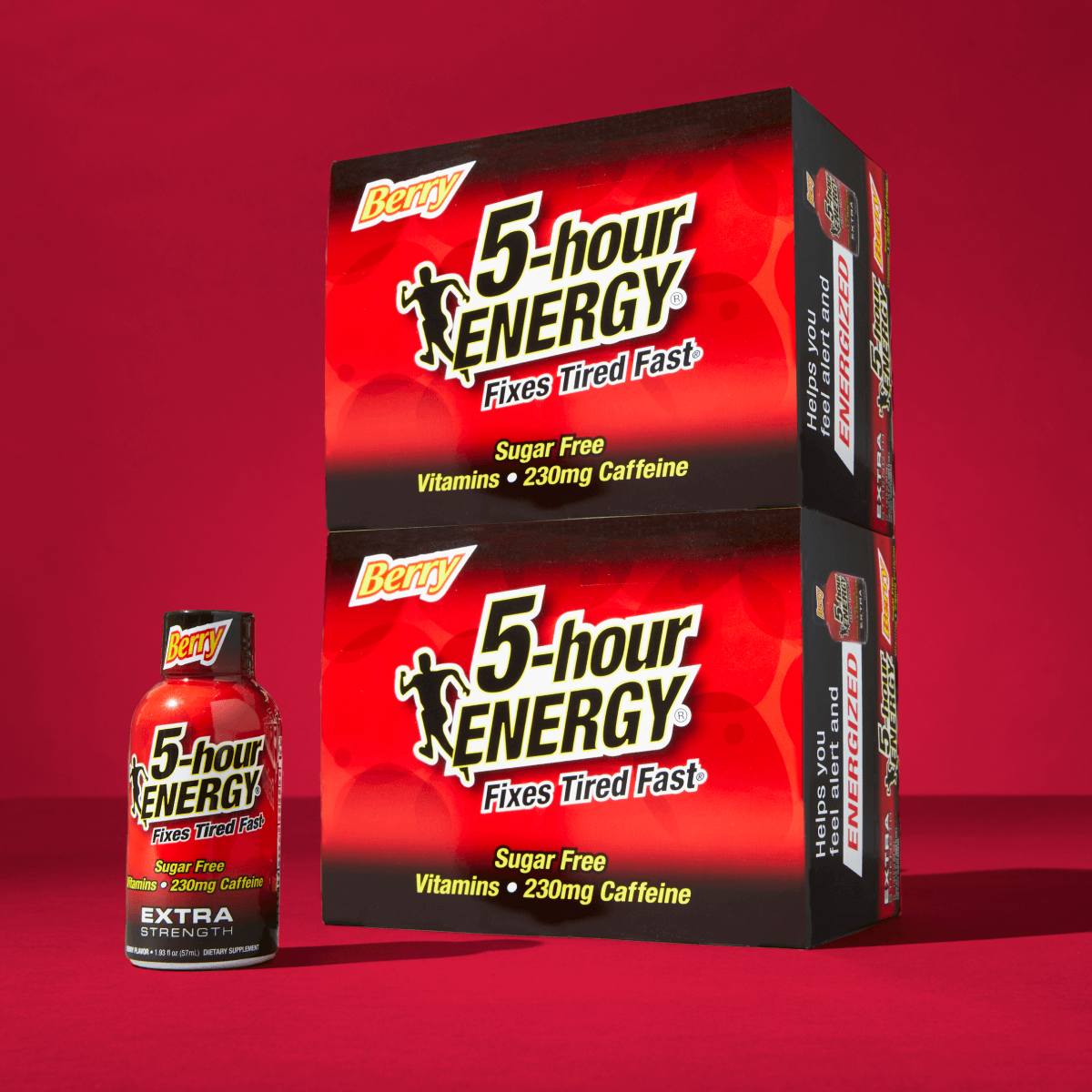
5-hour Energy is a liquid energy shot designed to provide a rapid increase in alertness and mental focus without the large volume or sugar content of traditional energy drinks. It primarily utilizes a concentrated blend of B vitamins, amino acids, and caffeine to stimulate the central nervous system and support metabolic energy production for several hours.
As of 2026, 5-hour Energy remains a dominant force in the convenience energy market. Unlike traditional carbonated energy drinks that often come in 12- or 16-ounce cans, this product is sold in a compact 1.93-ounce (57 ml) "shot." This small form factor allows for rapid consumption and portability, targeting professionals, students, and travelers who require a quick cognitive boost without the calories, sugar, or liquid volume associated with competitors like Red Bull or Monster. Understanding how this product interacts with your physiology is essential for maximizing its benefits while minimizing the risks of overstimulation.
The Biochemical Composition of 5-hour Energy
To understand how 5-hour Energy functions, one must examine its "Energy Blend." The product is marketed as having "zero sugar" and "four calories," which distinguishes it from many beverages that rely on glucose for a quick energy spike. Instead, it relies on a combination of water-soluble vitamins and stimulants.
The Role of B Vitamins
The most prominent components on the label are Vitamins B6, B12, and Niacin (B3). These vitamins are cofactors in cellular energy metabolism.
- Vitamin B12 (Cyanocobalamin): Essential for red blood cell formation and neurological function. 5-hour Energy contains several thousand percent of the Daily Value (DV), though the body only absorbs a fraction of high oral doses.
- Vitamin B6 (Pyridoxine): Involved in over 100 enzyme reactions, primarily related to protein metabolism and neurotransmitter synthesis.
- Niacin (B3): Assists in converting nutrients into energy. However, high doses of Niacin can cause a "Niacin flush," a temporary warming and reddening of the skin, which some users mistake for an allergic reaction.
The Amino Acid and Stimulant Blend
Beyond vitamins, the "Energy Blend" includes Taurine, Glucuronolactone, L-Phenylalanine, and Caffeine.
- Caffeine: The primary driver of the "alertness" sensation. Caffeine acts as an adenosine receptor antagonist. By blocking adenosine, which normally signals the brain to feel tired, caffeine keeps the user in a state of heightened arousal.
- Taurine: An amino acid that supports neurological development and helps regulate water and mineral levels in the blood.
- Glucuronolactone: Often included for its purported ability to improve alertness and reduce "brain fog," although clinical data on its isolated efficacy is limited.
Caffeine Content and Product Variations
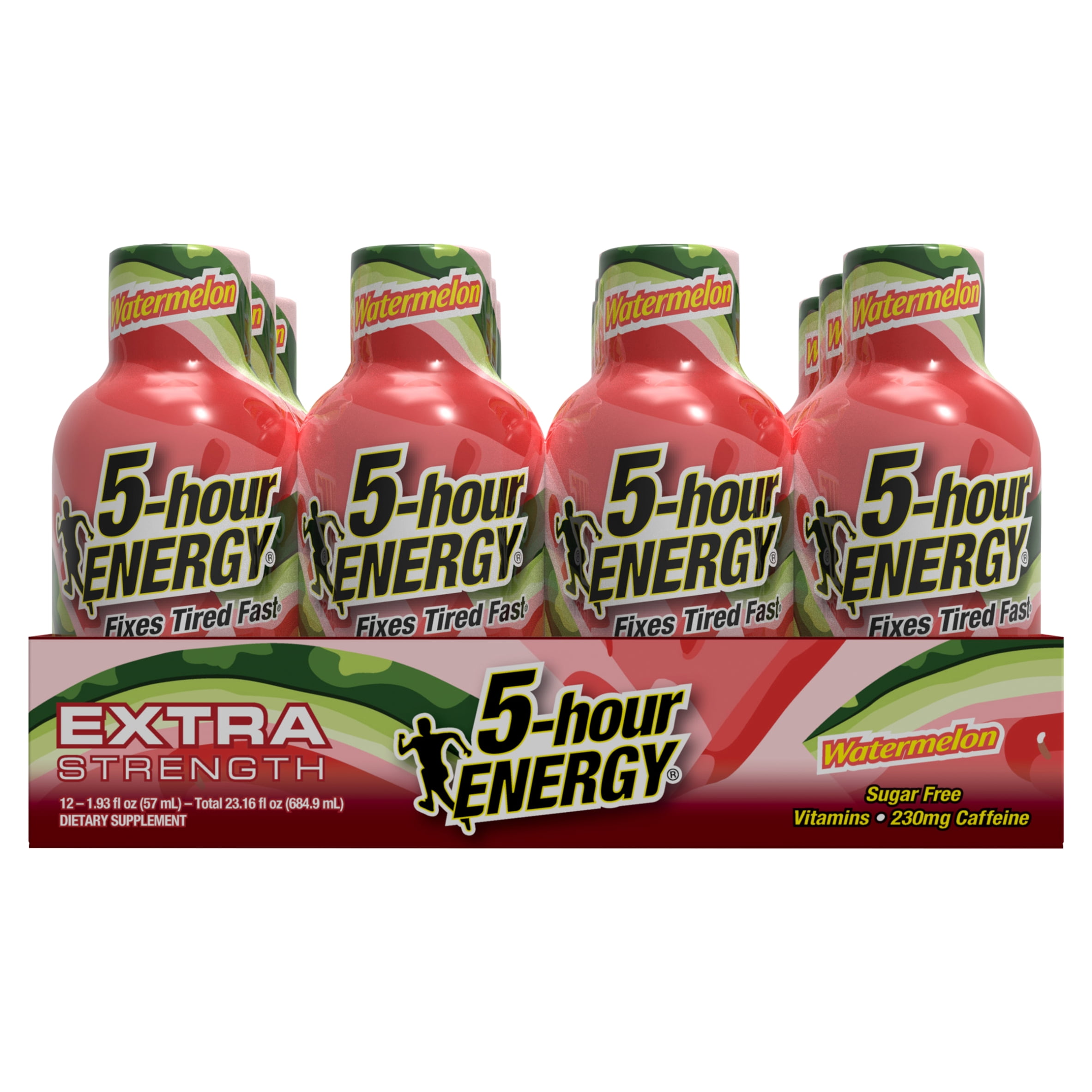
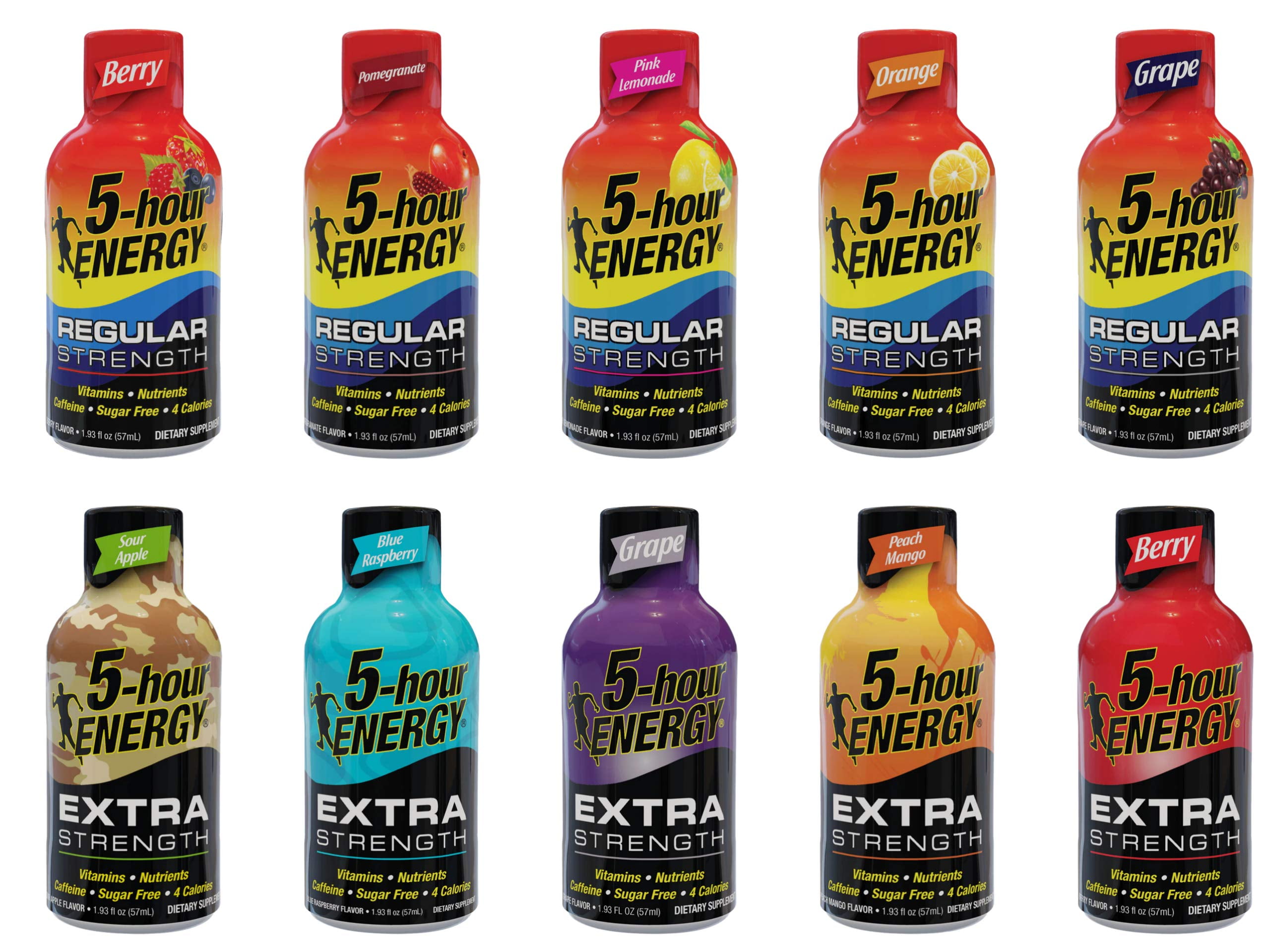
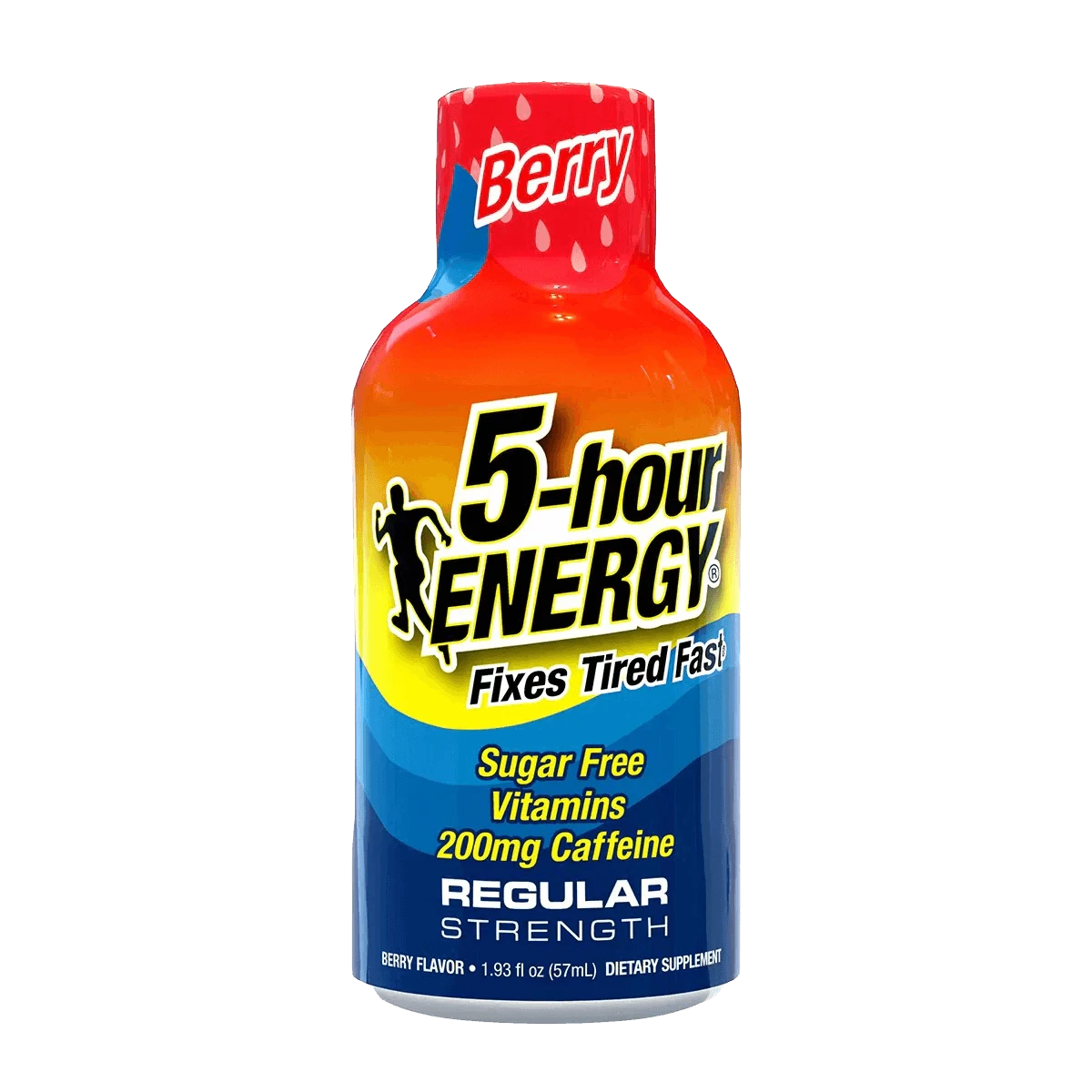
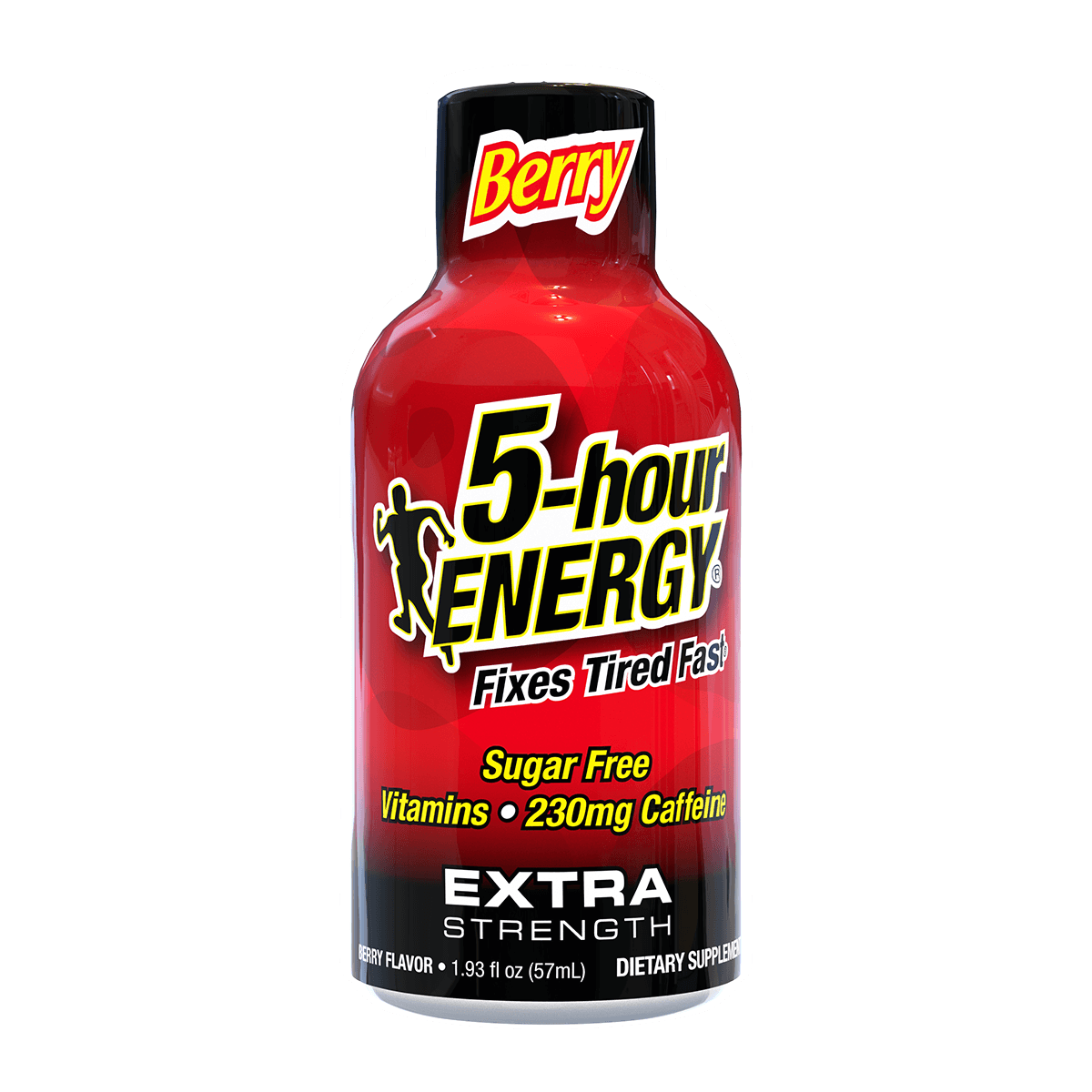
The amount of caffeine in 5-hour Energy varies significantly depending on the specific version of the product. In 2026, the product line remains divided into three primary tiers: Regular Strength, Extra Strength, and Decaf.
The following table provides a comparison of the typical nutritional and stimulant profiles for the core product line:
| Feature | Regular Strength | Extra Strength | Decaf |
|---|---|---|---|
| Caffeine Content | ~200 mg | ~230 mg | ~6 mg |
| Calories | 4 | 4 | 4 |
| Sugar | 0g | 0g | 0g |
| Primary B-Vitamins | B6, B12, Niacin | B6, B12, Niacin | B6, B12, Niacin |
| Best For | Moderate fatigue | High-intensity focus | Vitamin boost without jitters |
The "Extra Strength" variety is roughly equivalent to two large cups of premium coffee. For individuals with a high caffeine tolerance, this may provide the necessary stimulation, but for those who are caffeine-sensitive, it may lead to side effects like heart palpitations or tremors. According to the FDA guidelines on caffeine, 400 milligrams a day is generally considered the safe upper limit for healthy adults. Consuming two Extra Strength shots in a short window would put a user at or above this threshold.
How 5-hour Energy Interacts with the Body
The physiological impact of a 5-hour Energy shot is nearly immediate because the liquid format is rapidly absorbed in the gastrointestinal tract. Unlike a large coffee or energy drink, which might be sipped over thirty minutes, the 1.93-ounce shot is typically consumed in seconds.
The Pharmacokinetics of the "Shot"
Once ingested, caffeine reaches peak blood concentration within 30 to 60 minutes. Because there is no sugar or fiber to slow gastric emptying, the "kick" is often described as sharper than that of a latte or soda. The half-life of caffeine in a healthy adult is approximately five to six hours. This explains why the product is branded as "5-hour" energy; as the caffeine concentration begins to drop significantly after the five-hour mark, the user may feel the effects wearing off.
The "No Crash" Claim Explained
The manufacturer often advertises "No Sugar Crash." This is technically accurate because a sugar crash is caused by a rapid spike and subsequent drop in insulin and blood glucose levels (hypoglycemia). Since 5-hour Energy is sugar-free, it avoids this specific metabolic pitfall. However, users can still experience a "caffeine crash." When the caffeine eventually leaves the adenosine receptors, the accumulated adenosine binds to them all at once, which can result in a sudden feeling of intense exhaustion.
Safety Considerations and Potential Side Effects
While 5-hour Energy is generally recognized as safe for healthy adults when used as directed, there are specific contraindications and side effects that users should monitor.
Cardiovascular and Neurological Sensitivity
The high concentration of caffeine can stimulate the heart rate and increase blood pressure. Individuals with underlying heart conditions, hypertension, or anxiety disorders should exercise caution. Overconsumption can lead to "the jitters," insomnia, and in extreme cases, gastrointestinal distress.
The Niacin Flush
As mentioned previously, the high dose of Niacin can cause a temporary reaction where the skin feels hot and appears red. While generally harmless, it can be alarming. To mitigate this, some users find that drinking plenty of water or taking the shot with a small amount of food can help.
Interaction with Other Stimulants
A common mistake among users in 2026 is "stacking" 5-hour Energy with other sources of caffeine, such as pre-workout supplements or multiple cups of coffee. This cumulative intake can easily exceed the 400mg safe limit, increasing the risk of caffeine toxicity. Symptoms of toxicity include severe headaches, vomiting, and rapid heart rate. If you experience these symptoms, it is advisable to seek medical attention or consult a healthcare professional.
5-hour Energy vs. Traditional Energy Drinks
When deciding between a shot and a standard energy drink, the choice usually comes down to three factors: convenience, caloric intake, and hydration.
- Portability: 5-hour Energy bottles do not require refrigeration and are small enough to fit in a pocket or a small bag. This makes them a favorite for commuters and air travelers (they are below the TSA 3.4-ounce liquid limit).
- Caloric Density: Most traditional energy drinks contain between 100 and 200 calories, primarily from High Fructose Corn Syrup or cane sugar. Even "Zero Sugar" versions of large drinks often contain artificial sweeteners and carbonation that can cause bloating. 5-hour Energy provides the stimulant effect without the "full" feeling in the stomach.
- Hydration: One drawback of the energy shot is that it does not provide hydration. Caffeine is a mild diuretic, and because the shot contains very little water, users must be diligent about drinking water separately to avoid dehydration, especially during physical activity or long work shifts.
Best Practices for Usage and Optimal Results
To get the most out of 5-hour Energy without compromising your health or sleep cycle, follow these expert-recommended guidelines:
- Assess Tolerance First: If you are new to the product, start with half a bottle (a "half shot") to see how your body reacts to the concentrated B-vitamins and caffeine.
- Timing is Key: Avoid taking a shot in the late afternoon or evening. Due to the six-hour half-life of caffeine, a shot taken at 4:00 PM could still be stimulating your brain at 10:00 PM, interfering with REM sleep.
- Limit Daily Intake: Do not exceed two bottles per day, spaced several hours apart. Overuse can lead to a "diminishing returns" effect where your body builds a tolerance, requiring more of the stimulant to achieve the same level of alertness.
- Stay Hydrated: Always pair a 5-hour Energy shot with a full glass of water. This helps the kidneys process the concentrated vitamins and keeps your body hydrated as the caffeine takes effect.
Frequently Asked Questions
Does 5-hour Energy contain any sugar or calories?
5-hour Energy is sugar-free and contains approximately 4 calories. It uses artificial sweeteners like sucralose to provide flavor without the metabolic impact of sugar, which helps prevent the typical "sugar crash" associated with other sweet beverages.
How long does it take for a 5-hour Energy shot to start working?
Most users report feeling the effects within 10 to 15 minutes of consumption. Because it is a small volume of liquid, it passes through the stomach quickly and enters the bloodstream faster than a larger, carbonated drink or a heavy meal-accompanied coffee.
Is it safe to mix 5-hour Energy with alcohol?
No, it is not recommended to mix stimulants with alcohol. The caffeine can mask the depressant effects of alcohol, making you feel more "sober" than you actually are. This can lead to increased alcohol consumption and risky behavior, as noted by CDC warnings regarding caffeinated alcoholic beverages.
Can I drink 5-hour Energy if I am pregnant or nursing?
Healthcare professionals generally advise pregnant or nursing individuals to limit their caffeine intake significantly (usually under 200mg per day). Because of the high concentration of caffeine and B-vitamins, you should consult your obstetrician or primary care provider before using 5-hour Energy during pregnancy.
What is the shelf life of a 5-hour Energy shot?
In 2026, most 5-hour Energy shots have a shelf life of approximately 12 to 24 months from the date of manufacture. The "Best By" date is typically printed on the bottom of the bottle or the side of the label. While it may not become "spoiled" like milk, the potency of the vitamins and the flavor profile may degrade after the expiration date.
Recommended Next Steps for Users
If you are considering integrating 5-hour Energy into your routine for 2026, the most effective approach is to treat it as a strategic tool rather than a daily necessity. Begin by evaluating your current caffeine consumption from all sources, including tea, soda, and chocolate. If you decide to use the product, start with a "Regular Strength" bottle during a mid-morning slump to gauge your sensitivity.
Always maintain a primary focus on the "Big Three" of natural energy: consistent sleep, a balanced diet, and adequate hydration. Supplements like 5-hour Energy are most effective when they are used to bridge a temporary gap in focus, rather than as a substitute for foundational health habits. If you find yourself relying on more than one shot per day to function, it may be a sign of chronic sleep deprivation or an underlying nutritional deficiency that should be discussed with a medical professional.