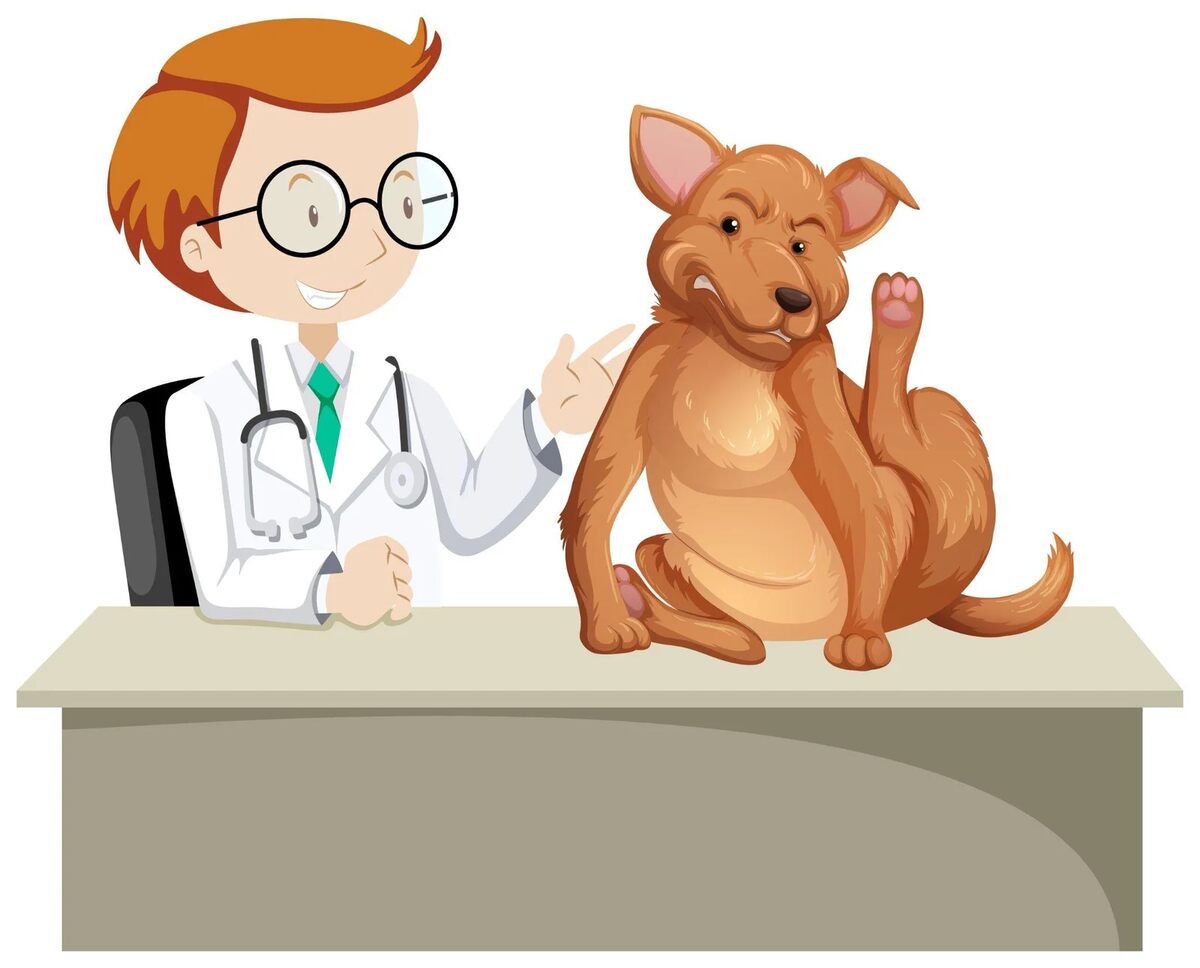
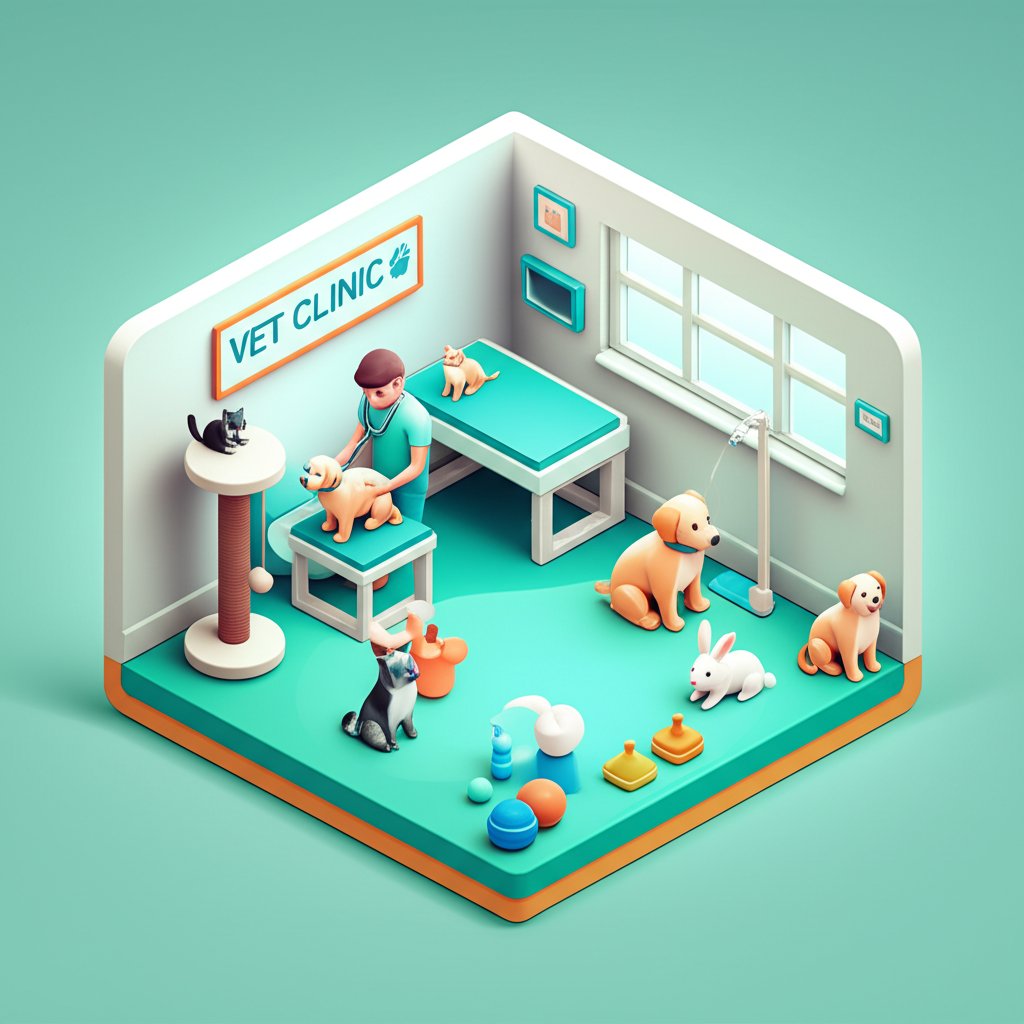
Veterinarians are much more than animal doctors; they are multi-species surgeons, radiologists, and public health guardians. Beyond the white coat lies a world of complex medical challenges where patients cannot speak, and doctors must master the art of sensory diagnostics, emotional resilience, and cross-species physiology to ensure the well-being of both pets and their owners.
1. The Multi-Species Mastery: Being an "All-in-One" Medical Expert
One of the most profound secrets of the veterinary profession is the sheer breadth of medical knowledge required to practice. While a human physician specializes in a single species (Homo sapiens), a general practitioner veterinarian is expected to be a master of many. In a single afternoon, a vet might transition from performing a dental extraction on a feline to treating a skin infection on a canine, followed by a consultation for a backyard chicken or a pet rabbit.
This "all-in-one" requirement means veterinarians must understand the vastly different anatomical structures and physiological responses of various animals. For example, the way a cat metabolizes certain medications is drastically different from how a dog does; a common painkiller for a human or a dog can be lethal to a cat. Furthermore, veterinarians act as their own anesthesiologists, surgeons, radiologists, and pharmacists. In human medicine, these are four distinct career paths requiring different residencies. In a veterinary clinic, the same person who diagnoses a broken leg is often the one who administers the anesthesia, performs the orthopedic surgery, and manages the post-operative pain medication.
In 2026, the integration of AI-assisted diagnostic tools has helped bridge some of these gaps, but the fundamental requirement for cross-species expertise remains. This versatility is what makes veterinary medicine one of the most academically rigorous fields. Pet lovers often don't realize that their vet is essentially a cardiologist, dermatologist, and neurologist wrapped into one, often working with equipment that is just as sophisticated as that found in human hospitals.
2. The "One Health" Connection: Protecting Humans Through Animals
A surprising fact that many pet owners overlook is that veterinarians are on the front lines of human public health. This concept, known as One Health, recognizes that the health of people is closely connected to the health of animals and our shared environment. Veterinarians are often the first to detect emerging zoonotic diseases—illnesses that can jump from animals to humans.
Historically and into 2026, veterinarians have played a crucial role in managing diseases like Rabies, West Nile Virus, and various strains of avian flu. Because they monitor the health of livestock and domestic pets, they act as a biological "early warning system." For instance, if a veterinarian notices an uptick in a specific respiratory illness in dogs, they collaborate with public health officials to ensure it isn't a mutation that could affect the human population.
Furthermore, much of the medical research that benefits humans starts in the veterinary world. Treatments for cancer, heart disease, and orthopedic injuries are often developed and refined in veterinary clinical trials. When you take your pet to the vet, you aren't just participating in animal care; you are supporting a global network of health professionals who ensure that the food we eat is safe and that the next pandemic is caught before it begins.
3. Sensory Diagnostics: Why Your Vet "Smells" Your Pet
One of the more "surprising secrets" of the exam room is the use of the five senses—particularly smell and hearing—to diagnose problems before a single laboratory test is run. Experienced veterinarians often develop a "diagnostic nose." For example, the "sweet" smell of a dog's breath can sometimes indicate end-stage kidney failure or ketoacidosis related to diabetes. A specific, pungent musty odor in a pet’s ears can immediately signal a yeast infection before a swab is even placed under a microscope.
Beyond smell, veterinarians are trained in the art of non-verbal communication. Since their patients cannot say "it hurts here," vets rely on subtle behavioral cues. This is often referred to as "listening with the eyes." A slight change in the way a cat holds its ears, the tension in a dog’s facial muscles, or the specific rhythm of a horse’s gait provides a wealth of information.
This sensory expertise extends to the "vet tech" team as well. Veterinary technicians are the unsung heroes who often catch these subtle changes during a pet’s stay in the hospital. In 2026, while we have advanced sensors and wearable health tech for pets, the physical exam remains the most critical tool in the veterinarian’s arsenal. The secret is that by the time your vet has finished "petting" your dog during the initial exam, they have likely already checked for lymph node enlargement, skin masses, muscle symmetry, and joint range of motion.
4. The Emotional Weight of Compassion Fatigue
While the job involves playing with puppies and kittens, one of the most significant "secrets" is the heavy emotional toll the profession takes. Veterinarians face a phenomenon known as Compassion Fatigue or secondary traumatic stress. They are among the few medical professionals who are regularly asked to perform euthanasia, often transitioning from the joy of a new puppy visit to the heartbreak of a long-term patient's end-of-life care within minutes.
The "Not One More Vet" (NOMV) movement has highlighted the mental health crisis within the industry. Statistics from the American Veterinary Medical Association (AVMA) have historically shown that veterinarians are at a higher risk for suicide and burnout compared to the general population. This is driven by long hours, high student debt, and the emotional labor of "client grief management."
Pet lovers can support their vets by acknowledging this reality. When a vet seems tired or a clinic is running behind, it is often because they have just spent an hour helping another family through a devastating loss. The secret to a long-lasting relationship with your vet is empathy—recognizing that the person caring for your pet is also carrying the emotional weight of every other animal in the building.
5. The Economic Reality of Modern Veterinary Care
A common point of tension for pet lovers is the cost of care, but the "secret" behind the bill is the massive overhead of running a modern animal hospital. Unlike human medicine, which is heavily subsidized by government programs and large insurance conglomerates, veterinary medicine is largely a private-pay industry.
The equipment found in a high-quality 2026 veterinary clinic—such as digital X-ray machines, ultrasound units, anesthetic monitors, and in-house laboratory analyzers—costs hundreds of thousands of dollars. Furthermore, the staff includes highly trained licensed technicians and assistants who deserve a living wage for their specialized skills.
Comparison of Medical Training and Scope
To understand why veterinary care is priced the way it is, consider the following comparison between veterinary and human medical tracks:
| Feature | Veterinary General Practitioner | Human General Practitioner (MD/DO) |
|---|---|---|
| Species Treated | Multiple (Canine, Feline, Bovine, etc.) | One (Homo sapiens) |
| Education Post-Undergrad | 4 Years (Doctor of Veterinary Medicine) | 4 Years (Medical School) |
| Residency Requirement | Optional for GP (3-5 years for Specialists) | Mandatory 3-7 years |
| Pharmacy/Radiology | Usually handled in-house | Outsourced to specialized facilities |
| Surgical Scope | Performs minor to major soft tissue surgery | Refers almost all surgery to specialists |
| Public Health Role | Primary monitor for zoonotic disease | Secondary recipient of zoonotic data |
As the table illustrates, the veterinarian acts as a multi-disciplinary hub. When you pay for a "vet visit," you are paying for the expertise of a surgeon, a radiologist, and a pharmacist all in one location.
Effective Communication with Your Veterinarian
To get the most out of your relationship with your pet’s doctor, transparency is key. Because pets cannot speak, the veterinarian relies entirely on you to be the "historian." One of the best things a pet owner can do is keep a digital log of any changes in appetite, behavior, or bathroom habits.
In 2026, many clinics use integrated apps that allow you to upload photos or short videos of your pet’s symptoms. A video of a "cough" is often more diagnostic than a ten-minute verbal description, as dogs can have different types of respiratory sounds (like reverse sneezing versus a true cardiac cough) that are easily confused by owners but distinct to a professional.
Another secret to a successful visit is being honest about your budget. Veterinarians usually offer a "gold standard" treatment plan, but they are also trained in "spectrum of care" medicine. If a specific diagnostic test is financially out of reach, tell your vet. They can often prioritize the most essential tests or offer alternative treatment paths that fit your financial situation while still providing quality care.
Frequently Asked Questions
Why does my vet take my pet "to the back" for simple procedures?
Many pets actually behave better when their owners are not in the room. This is known as "referential behavior," where a pet looks to its owner for a reaction. In "the back," the pet is often in a more controlled environment with specialized lighting and equipment, and the presence of trained veterinary assistants ensures the pet is held safely and comfortably, reducing the risk of injury to the pet or the staff.
Is veterinary medicine more difficult than human medicine?
While "more difficult" is subjective, veterinary medicine is often cited as more complex due to the lack of verbal communication from patients and the need to master the physiology of multiple species. A vet must know the "normal" vitals for a dozen different animals, whereas a human doctor only needs to know one.
Why is veterinary school so hard to get into?
There are significantly fewer veterinary schools than human medical schools. In the United States, for example, there are only about 33 accredited veterinary colleges compared to over 150 medical schools. This makes the application process extremely competitive, often requiring higher GPAs and more diverse clinical experience than medical school applications.
Do veterinarians really love animals, or is it just a business?
Almost every veterinarian enters the field because of a deep, intrinsic love for animals. However, it is also a business that must remain profitable to keep the lights on, pay staff, and purchase life-saving medicine. The "business" side of the clinic is what allows the "healing" side to exist.
Why do vet prices vary so much between clinics?
Pricing often reflects the level of technology and staffing at a clinic. A clinic that has 24/7 monitoring, board-certified specialists on staff, and the latest diagnostic imaging will naturally have higher overhead than a small, rural outpatient clinic. You are paying for the "readiness" of the facility to handle emergencies.
Building a Lifelong Partnership
The most important secret for pet lovers to understand in 2026 is that your veterinarian is your partner in a shared goal: the health and longevity of your animal companion. By understanding the complexity of their training, the emotional demands of their daily lives, and the public health role they play, pet owners can foster a relationship built on mutual respect.
To maximize your pet's health, schedule regular wellness exams even when they seem healthy. Preventive medicine is always more effective and less expensive than reactive medicine. Trust your vet’s sensory expertise, be open about your concerns, and remember that behind the clinical exterior is a dedicated professional who has spent years learning to speak for those who cannot speak for themselves.