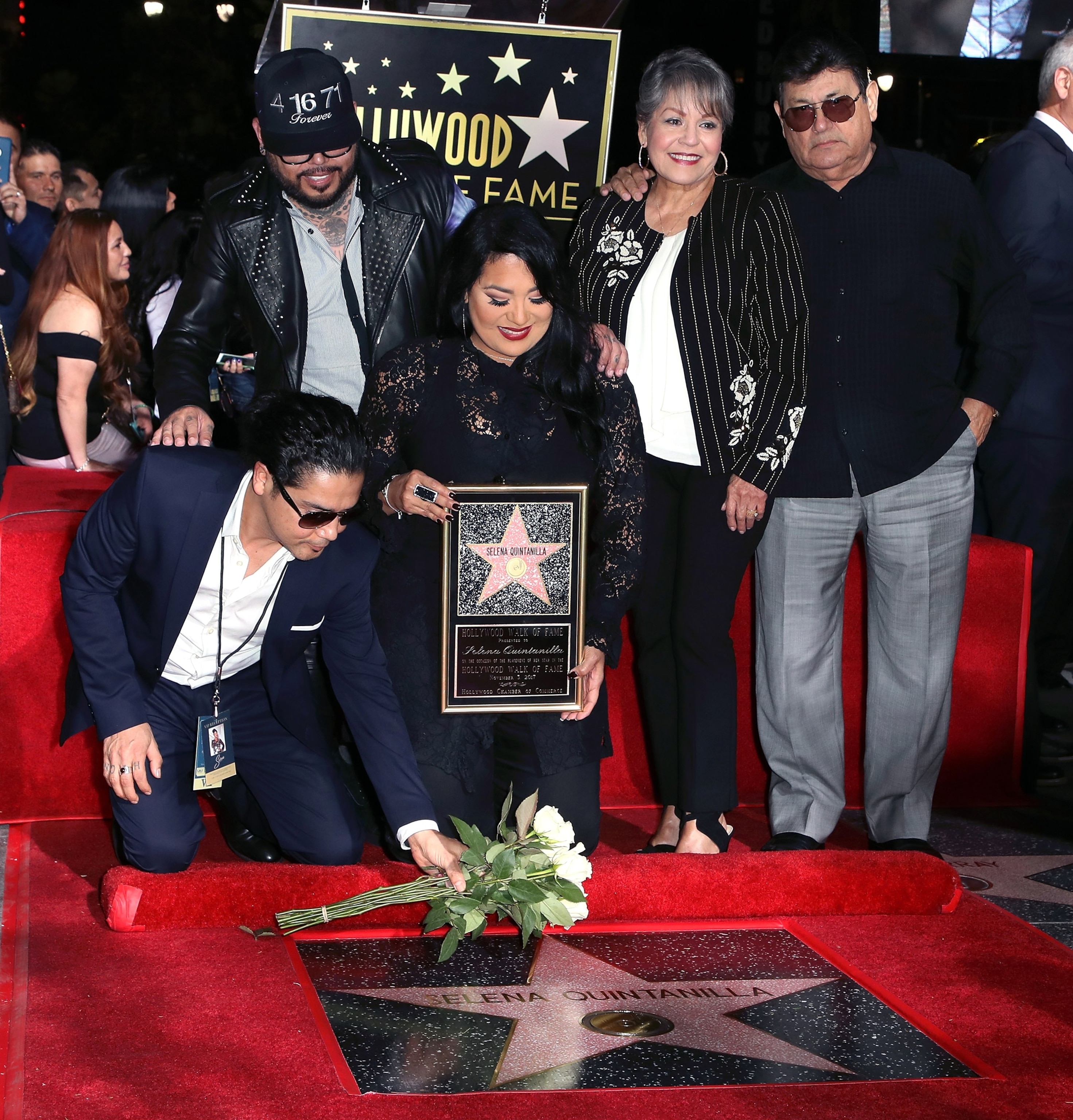
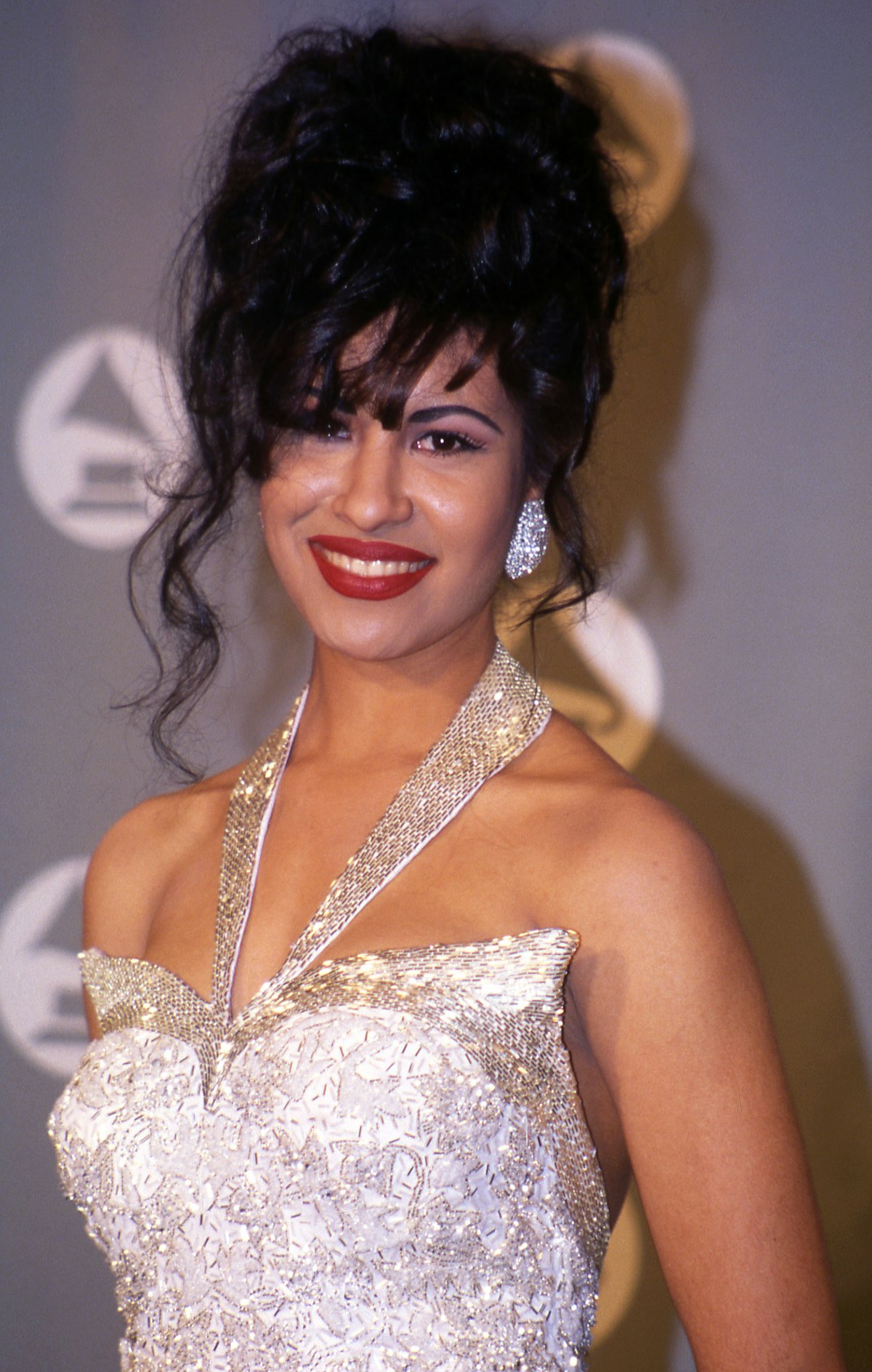
Selena Quintanilla’s status as a global icon rests on five fundamental truths: her mastery of the Spanish language through phonetics rather than native fluency, her groundbreaking transition from musician to fashion entrepreneur, the strategic but tragically unfinished English crossover, the grit of her family-band origins, and her enduring role as a multi-billion dollar cultural bridge.
The legacy of Selena Quintanilla-Pérez transcends the boundaries of Tejano music. By 2026, over three decades after her untimely passing, she remains a primary touchstone for Latinx identity in the United States and abroad. To understand the "truth behind the icon," one must look past the glittering jumpsuits and the tragic headlines to examine the deliberate choices, systemic barriers, and cultural shifts that defined her life. Selena was not merely a talented singer; she was a disruptive force in a male-dominated industry and a visionary who understood the power of branding long before the social media era.
1. The Linguistic Journey: Learning Spanish to Connect
One of the most persistent myths surrounding Selena is that she was a native Spanish speaker who effortlessly dominated the Latin music charts. The reality is more complex and speaks to the broader experience of many Mexican-Americans. Selena’s first language was English. Growing up in Lake Jackson and later Corpus Christi, Texas, she spoke English at home and with her peers. Her father, Abraham Quintanilla Jr., recognized that the path to success for the family band, Selena y Los Dinos, lay in the Tejano music circuit—a genre that required singing in Spanish.
Selena initially learned her lyrics phonetically. She would listen to the sounds of the words and memorize them without necessarily understanding every grammatical nuance. This "truth" highlights her incredible dedication; she spent years working with tutors and practicing during interviews to achieve the fluency she eventually displayed. Her struggle with the language actually made her more relatable to her fan base. During her famous 1993 press conference in Mexico, she was initially mocked by the press for her "pocha" (Americanized) Spanish, but her charm and honesty about her linguistic roots quickly won them over.
By the early 1990s, Selena had become a bilingual powerhouse. This transition was not just about music; it was about cultural reclamation. She bridged the gap between the "two worlds" that many bicultural individuals navigate—feeling not American enough for some and not Mexican enough for others. Her ability to master Spanish while remaining authentically Texan paved the way for future bilingual artists to embrace their dual identities without shame.
2. Entrepreneurship and the Vision of Selena Etc.
While the world remembers her voice, Selena viewed herself equally as a designer and businesswoman. This facet of her career was not a side project; it was a central pillar of her long-term strategy. In 1994, she opened Selena Etc. boutiques in Corpus Christi and San Antonio. These were not just clothing stores; they were full-service beauty salons and boutiques that sold her original designs, including the sketches she had been drawing since she was a teenager.
Selena was a pioneer of celebrity branding. In the early 90s, it was uncommon for musical artists—especially those in the regional Mexican market—to launch their own manufacturing lines and retail spaces. She was deeply involved in the day-to-day operations, often visiting the shops to speak with customers and oversee the seamstresses. Her vision extended to a global scale; she had plans to expand her boutiques into Mexico and eventually launch a perfume and makeup line.
Comparison of Selena's Professional Dimensions
| Aspect | Impact During Her Life | Legacy in 2026 |
|---|---|---|
| Music | Transformed Tejano from a regional genre to a national phenomenon. | Remained a top-streamed Latin artist with posthumous releases. |
| Fashion | Established "Selena Etc." boutiques and designed her own iconic stage wear. | Influenced major collections and permanent MAC Cosmetics collaborations. |
| Representation | First female Tejano artist to win a Grammy for Best Mexican-American Album. | Serves as the blueprint for bicultural marketing and Latinx visibility. |
| Entrepreneurship | Managed her own brand, including manufacturing and retail. | Case study in celebrity business ownership and vertical integration. |
The "truth" behind her fashion icon status is that Selena was her own stylist. She famously embellished her own bustiers with beads and sequins during long bus rides between gigs. This DIY ethic evolved into a sophisticated business model that proved Latinas could be successful CEOs in the fashion industry. Today, her influence is visible in the wardrobes of major pop stars and in the massive success of her posthumous collaborations with brands like MAC Cosmetics, which broke sales records decades after her death.
3. The "Big Bertha" Era and the Reality of the Road
The image of Selena as a superstar often obscures the decade of struggle that preceded her mainstream success. Before the private jets and stadium tours, there was "Big Bertha"—the family’s refurbished 1960s Greyhound bus. For much of the 1980s, the Quintanilla family lived a nomadic existence, traveling across the Southwest to perform at weddings, quinceañeras, and small dance halls known as "tejaneras."
This period was marked by intense financial hardship and systemic discrimination. The "truth" of the Tejano circuit in the 80s was that it was a "boys' club." Venue owners frequently refused to book the band because they didn’t believe a woman could draw a crowd in a genre dominated by male lead singers like Mazz or La Mafia. Abraham Quintanilla often had to book gigs for lower pay just to prove his daughter’s talent.
The grit developed during the Big Bertha years formed the backbone of the band’s tight-knit chemistry. With her brother A.B. Quintanilla acting as the primary songwriter and producer, and her sister Suzette on drums, the group operated as a singular unit. This era also saw the integration of Chris Pérez into the band, leading to a secret romance and eventual marriage that added a layer of personal complexity to the professional family dynamic. The resilience learned on those dusty Texas roads is what allowed Selena to remain grounded even as her fame reached astronomical heights.
4. The Dreaming of You Crossover Paradox
The 1995 album Dreaming of You is often discussed as Selena’s "debut" into the English market, but the truth is that she had been preparing for this moment her entire life. Selena had always wanted to record in English, the language she grew up with, but her label, EMI Latin, insisted she first solidify her position as the "Queen of Tejano." By the time she began recording Dreaming of You, she was already a superstar in Latin America.
The tragedy of the crossover is that it was only partially realized. Selena had only recorded a handful of tracks for the album—including "I Could Fall in Love" and "Dreaming of You"—before her death in March 1995. To complete the album, the label had to mix these new English songs with previously released Spanish hits and remixes.
Despite being an "incomplete" vision, the album debuted at number one on the Billboard 200, a first for a Latin artist. This achievement proved that Selena had "mainstream" appeal without having to sacrifice her heritage. However, the paradox remains: the world’s most famous English-language tracks by Selena are those she never lived to see released. These songs were produced by industry giants like Keith Thomas and Diane Warren, signaling that Selena was being positioned to compete with the likes of Whitney Houston and Mariah Carey.
5. The Enduring "Selena Effect" in 2026
As of 2026, the "truth" behind the Selena icon is that she has become a permanent fixture of American cultural history, similar to Elvis Presley or Marilyn Monroe. Her legacy is not merely one of nostalgia; it is an active economic and social force. The "Selena Effect" refers to the way her image continues to drive significant revenue and social discourse.
In the decades since 1995, we have seen:
- The Rise of the Latinx Consumer: Major corporations finally recognized the buying power of the Hispanic community through the lens of Selena’s popularity.
- Biographical Storytelling: From the 1997 film starring Jennifer Lopez to the multi-season Netflix series, her life story has become a template for the "American Dream" with a bicultural twist.
- Educational Integration: Universities across the United States now offer courses on "Selena Studies," examining her impact on gender, race, and musicology.
The truth is that Selena’s death did not freeze her in time; it catalyzed a movement. She remains a symbol of possibility for young artists who feel they exist between cultures. In 2026, her music continues to be remastered and re-released, reaching new generations who weren't even born when she was alive. Her impact is verified by her persistent presence on digital charts and the continued pilgrimage of thousands of fans to her monument, "Mirador de la Flor," in Corpus Christi.
Historical Milestones and Verification
To understand the timeline of her ascent, it is helpful to look at the specific moments that transitioned her from a regional act to a global phenomenon. The following table highlights the critical years and the verified outcomes of her career.
| Year | Event | Significance |
|---|---|---|
| 1987 | Female Vocalist of the Year (TTMA) | Her first major industry win, breaking the gender barrier in Tejano. |
| 1989 | Signing with EMI Latin | The start of her professional trajectory toward international stardom. |
| 1992 | Release of Entre a Mi Mundo | The album that made her a household name in Mexico, featuring "Como la Flor." |
| 1994 | Grammy Win for Selena Live! | Validated Tejano music on the world's most prestigious musical stage. |
| 1995 | Posthumous Dreaming of You | Proved the massive demand for bilingual pop and Latinx representation. |
Common Questions About Selena's Career
Did Selena write her own songs?
While Selena was a creative force, she was not the primary songwriter for most of her hits. Her brother, A.B. Quintanilla, wrote and produced the majority of the band's music, often collaborating with band members like Pete Astudillo. Selena’s genius lay in her vocal arrangements, her emotive delivery, and her ability to collaborate on the "feel" and "rhythm" of the tracks to ensure they resonated with her audience.
Why was she called the "Queen of Tejano"?
The title was earned through her unprecedented success in a genre that was almost exclusively male. Before Selena, women in Tejano music were often relegated to backup roles. She won the Tejano Music Award for Female Vocalist of the Year nine consecutive times, proving she was the undisputed leader of the genre both in terms of sales and popularity.
Was the movie with Jennifer Lopez accurate?
The 1997 film Selena was produced with the heavy involvement of the Quintanilla family, specifically her father Abraham. While it is considered a highly accurate portrayal of the family's journey and Selena's personality, it is a "sanitized" version of events that focuses more on the inspiration and less on the granular internal conflicts common in high-stakes family businesses.
How did she change the makeup industry?
Selena’s 2016 and 2020 MAC Cosmetics collaborations were the result of a fan-led petition. The success of these lines—which sold out in minutes—forced the beauty industry to realize that the Latinx market was underserved. It set the stage for the diverse "inclusive beauty" movement that followed in the late 2010s and 2020s.
Exploring the Selena Legacy Further
For those looking to engage with the truth behind the icon, the best next step is to visit the Selena Museum in Corpus Christi, Texas. Operated by the Quintanilla family, the museum houses her stage outfits, her red Porsche, and her numerous awards. It provides a tangible connection to her work ethic and the scale of her achievements.
Additionally, listening to her live recordings, such as the 1995 Astrodome concert, offers a raw look at her talent that studio versions sometimes smooth over. Understanding Selena requires looking at her as a complete artist—a singer, a dancer, a designer, and a pioneer who refused to be limited by the labels others placed upon her. Whether in the 1990s or in 2026, the truth remains: Selena Quintanilla was the bridge that brought two cultures together.