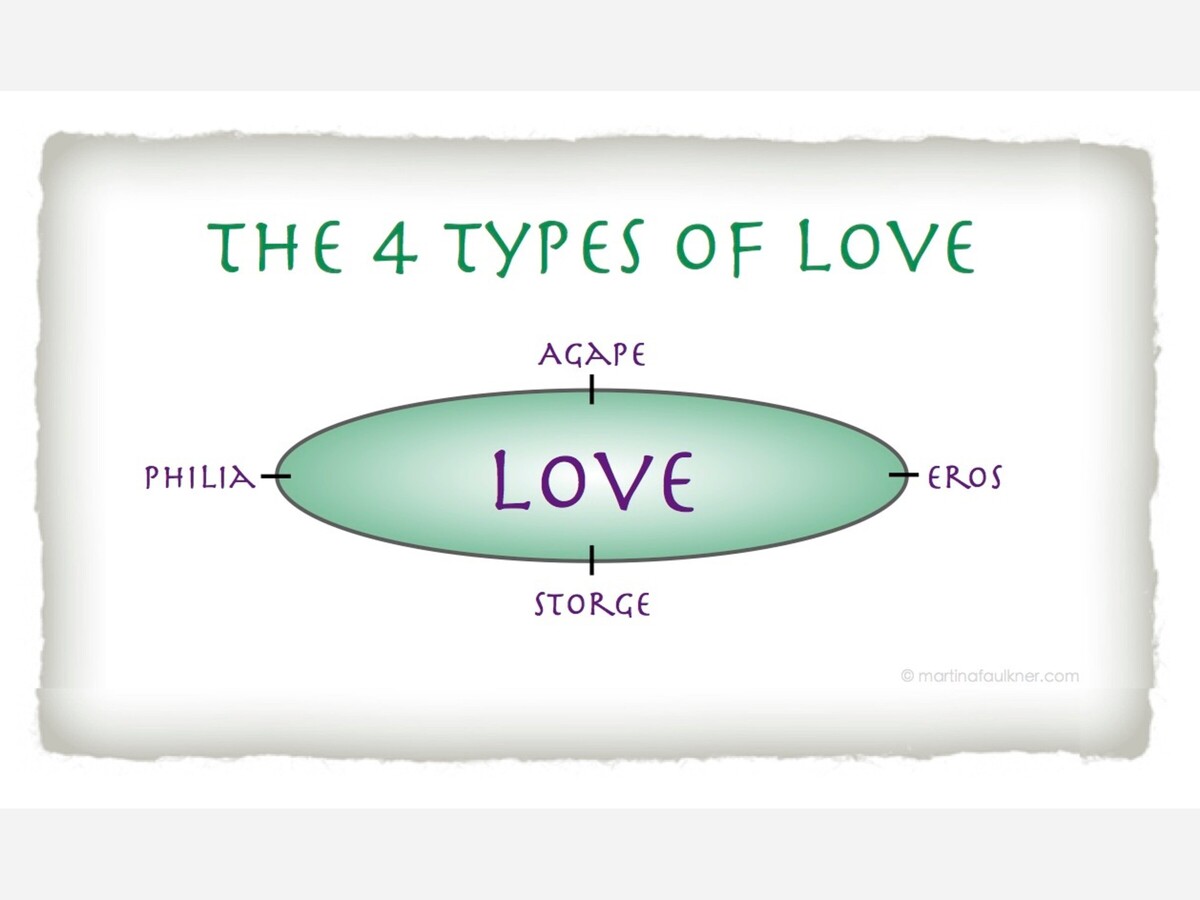
Understanding love requires looking beyond the single English word to the nuanced definitions established by ancient philosophy and modern psychology. By identifying Eros (passion), Philia (friendship), Storge (family), Agape (selfless love), and Philautia (self-love), individuals can better navigate their emotional landscapes and foster healthier, more intentional connections in every area of life.
The Complexity of Human Connection in 2026
In our modern era, the word "love" is often overextended. We use the same syllable to describe our affinity for a partner, a sibling, a favorite meal, or a transcendental spiritual experience. This linguistic compression can lead to confusion, especially when expectations in one type of relationship are misapplied to another. By the year 2026, emotional intelligence has become a cornerstone of both personal wellness and professional development, making it essential to differentiate between the various forms of human attachment.
The ancient Greeks were among the first to recognize that love is not a monolithic experience. They developed a sophisticated vocabulary to categorize the different ways humans relate to one another. These categories remain profoundly relevant today as we navigate digital-first friendships, evolving family structures, and the increasing importance of mental health and self-care. Understanding these five distinct types of love allows us to communicate our needs more effectively and appreciate the diverse range of support systems available to us.
Eros: The Fire of Romantic Passion
Eros represents what most people initially think of when they hear the word love: intense romantic desire and physical attraction. Named after the Greek god of fertility, Eros is characterized by passion, longing, and the physical chemistry that often defines the "honeymoon phase" of a relationship. It is an acquisitive love—one that seeks to possess and be possessed by the object of desire.
In biological terms, Eros is driven by a cocktail of hormones including dopamine, oxytocin, and testosterone. This chemical surge creates a sense of euphoria and an almost obsessive focus on the partner. However, ancient philosophers like Plato cautioned that Eros, while powerful, is inherently volatile. Because it is rooted in physical attraction and emotional intensity, it can burn out quickly if not supported by other, more stable forms of love. In 2026, relationship experts emphasize that while Eros is a vital catalyst for many long-term partnerships, it is rarely enough to sustain them on its own.
To cultivate a healthy sense of Eros, couples must balance physical intimacy with emotional vulnerability. It is the drive that pushes individuals to seek out deep, exclusive connections, but it requires intentionality to evolve from a purely instinctual pull into a lasting romantic bond. When Eros is harnessed correctly, it provides the spark and vitality that keeps a relationship feeling dynamic and exciting over time.
Philia: The Bond of Deep Friendship
Philia is the love of deep friendship, characterized by mutual respect, shared values, and companionship. Unlike Eros, which is often fueled by physical desire, Philia is rooted in the soul and the intellect. It is the love we feel for our "chosen family"—those friends who see us for who we truly are and support our growth without the complications of romantic expectation.
Aristotle famously described Philia as a "virtuous love," arguing that the highest form of friendship occurs between people who are equals and who wish for the good of the other for the other’s own sake. In the social landscape of 2026, Philia has taken on new significance. As traditional community structures have shifted, these deep, platonic bonds often serve as the primary emotional safety net for many adults. Philia is built on reciprocity; it requires a consistent exchange of trust, vulnerability, and time.
This type of love is often more durable than Eros because it is built on a foundation of reality rather than projection. In a friendship defined by Philia, there is no pressure to perform or maintain a specific physical image. Instead, the focus is on shared experiences and a "meeting of the minds." It is the kind of love that allows friends to pick up exactly where they left off, even after months of separation, because the underlying bond of respect remains unchanged.
Storge: The Unbreakable Familial Root
Storge (pronounced stor-gae) is the instinctive, natural affection that exists between family members. It is most commonly associated with the bond between parents and children, but it also encompasses the deep-seated loyalty found between siblings or long-term companions who have grown to feel like family. Storge is characterized by a sense of belonging, security, and unconditional acceptance.
Unlike Eros or Philia, Storge is rarely a choice. It is an attachment that develops through familiarity and shared history. It is the "quiet" love that provides a sense of sanctuary. In the context of 2026 social dynamics, Storge has expanded to include "found families"—groups of people who may not be biologically related but who have shared enough life experiences to develop that same level of instinctive, protective loyalty.
The primary challenge with Storge is that it can sometimes be taken for granted. Because it feels so natural and permanent, individuals may forget to nurture these relationships, leading to resentment or "obligation-based" interactions. However, when healthy, Storge provides the emotional bedrock that allows individuals to explore the world with confidence, knowing they have a permanent place to return to. It is the love that accepts us at our worst and celebrates us at our best, simply because we belong.
Agape: The Compassionate Love for All
Agape is often considered the highest and most selfless form of love. It is a universal, empathetic love for all of humanity, nature, or a higher power. Agape does not depend on a personal relationship or any expectation of something in return. It is the love that motivates social justice, environmental activism, and random acts of kindness. It is a choice to act for the well-being of others, regardless of whether they "deserve" it or even know who we are.
In psychology and ethics, Agape is linked to altruism and the concept of the "greater good." While Eros is about taking and Philia is about sharing, Agape is about giving. In 2026, we see Agape manifested in global movements for climate action and community-based mutual aid networks. It is the force that allows us to feel compassion for people on the other side of the planet and drives us to alleviate suffering wherever we find it.
Developing Agape requires a high degree of emotional maturity. It involves stepping outside of one's own ego and recognizing the inherent value in every living thing. While it may seem abstract, Agape has practical benefits for the person practicing it; studies in positive psychology suggest that engaging in this selfless form of love significantly reduces stress and increases long-term life satisfaction. It provides a sense of purpose that transcends individual circumstances.
Philautia: The Essential Foundation of Self-Love
Philautia is the love of oneself. While this term was sometimes used negatively by the Greeks to describe narcissism or hubris, they also recognized a "healthy" version of self-love that is essential for a functional life. In 2026, the concept of Philautia is central to the global wellness and mental health movement. It is the understanding that you cannot truly love others if you do not first respect and care for yourself.
Healthy Philautia involves self-compassion, setting boundaries, and taking responsibility for one's physical and mental well-being. It is the internal voice that encourages us to rest when we are tired and to forgive ourselves for our mistakes. Without this foundation, Eros can become codependency, Philia can become people-pleasing, and Agape can lead to burnout.
Modern clinical perspectives, such as those found in Mindful Self-Compassion frameworks, emphasize that Philautia is not about being "full of oneself." Rather, it is about recognizing one's own worth as a human being. When we practice healthy Philautia, we become less dependent on external validation, which ironically makes us better partners, friends, and community members. It is the fuel that allows all other forms of love to function sustainably.
Comparison of the Five Types of Love
The following table provides a quick reference to the primary characteristics, focuses, and modern applications of the five types of love discussed.
| Type of Love | Primary Focus | Key Characteristic | Modern 2026 Context |
|---|---|---|---|
| Eros | Romantic Partner | Physical Passion & Desire | Romantic attraction and dating chemistry. |
| Philia | Friends / Equals | Mutual Respect & Values | Deep platonic bonds and "chosen family." |
| Storge | Family Members | Instinctive Loyalty | Parental bonds and long-term security. |
| Agape | Humanity / Nature | Selfless Altruism | Philanthropy, activism, and compassion. |
| Philautia | The Self | Self-Care & Compassion | Mental health, boundaries, and wellness. |
How to Balance Different Kinds of Love in Your Life
To live a fulfilled life in 2026, it is rarely enough to focus on just one type of love. A person who has intense Eros but no Philia may find their romantic relationships lack stability. Conversely, someone with abundant Agape but no Philautia may find themselves exhausted and depleted. Balancing these loves requires a conscious assessment of where your energy is going.
- Audit Your Relationships: Periodically reflect on which types of love are present in your life. Are you neglecting your friendships (Philia) in favor of a new romance (Eros)? Is your family life (Storge) feeling more like a chore than a support system?
- Prioritize Self-Care (Philautia): Make self-compassion a non-negotiable part of your daily routine. This isn't just about "treat yourself" moments; it’s about honest self-reflection and health maintenance.
- Practice Active Compassion (Agape): Find small ways to contribute to your community. Even minor acts of selfless giving can shift your perspective and reduce feelings of isolation.
- Deepen Friendships (Philia): In an age of digital connection, make an effort to move beyond surface-level interactions. Invest time in shared activities that build lasting trust.
By recognizing that love is a spectrum, you can take the pressure off any single relationship to "be everything" for you. This diversified emotional portfolio leads to greater resilience and a deeper sense of connection to the world around you.
Common Misconceptions About Multi-faceted Love
One common misconception is that these types of love are mutually exclusive. In reality, the best relationships often incorporate several types at once. A long-term marriage, for instance, typically began with Eros, developed deep Philia over the years, and eventually settled into the comfortable Storge of a shared household. Understanding this helps people realize that a "loss of spark" (diminished Eros) doesn't mean the love is gone; it may simply be evolving into a different, more stable form.
Another misconception is that Agape is only for "saints" or the deeply religious. In 2026, Agape is increasingly viewed through the lens of secular ethics and global citizenship. It is a practical tool for conflict resolution and community building. Similarly, Philautia is often misunderstood as being selfish. However, as the American Psychological Association (APA) and other health organizations have noted, self-neglect is a primary driver of relationship failure. Loving yourself is a prerequisite for loving anyone else effectively.
Can you experience all five types of love at once?
Yes, it is possible to experience multiple types of love simultaneously, though usually directed toward different people or entities. For example, you might feel Eros for a partner, Philia for your best friend, Storge for your siblings, Agape for your community, and Philautia for yourself all within the same period of your life. In fact, having a balance of all five is often cited by psychologists as a key indicator of emotional health and life satisfaction.
Which type of love is the most important?
There is no single "most important" type of love, as they serve different human needs. However, ancient philosophers often argued that Agape is the highest form because it is selfless, while modern psychologists often point to Philautia (self-love) as the most fundamental, because it serves as the foundation for all others. Without self-respect, it is difficult to maintain healthy romantic or platonic bonds.
Can a relationship change from one type of love to another?
Absolutely. Relationships are dynamic and often evolve over time. A friendship (Philia) can develop romantic elements (Eros), or a romantic relationship may lose its physical intensity but gain a profound familial bond (Storge). Recognizing these shifts can help individuals adjust their expectations and appreciate the relationship for what it has become, rather than mourning what it used to be.
How does "Philautia" differ from narcissism?
The key difference lies in empathy and self-awareness. Narcissism is characterized by an inflated sense of self-importance and a lack of regard for others. In contrast, healthy Philautia involves an honest appraisal of one's strengths and weaknesses, a commitment to self-improvement, and the understanding that your needs are valid alongside—not above—the needs of others. Healthy self-love actually increases your capacity to love others.
Is "Storge" limited to biological family?
No. While Storge traditionally describes the bond between blood relatives, it can apply to any relationship characterized by long-term familiarity, shared history, and a "built-in" sense of loyalty. In 2026, many people experience Storge with lifelong friends, mentors, or even long-term pets. It is the "love of belonging" rather than just the "love of blood."
Developing Your Emotional Intelligence
The most practical next step is to begin using this vocabulary in your daily life. When you feel a strong emotion, try to categorize it. Is this the fire of Eros, or the comfort of Storge? By naming your feelings, you gain a degree of mastery over them. This clarity allows you to set better boundaries and communicate more effectively with those around you. As we navigate the complexities of 2026, understanding the five kinds of love is not just a philosophical exercise—it is a vital tool for building a more compassionate and connected world.