The physical difference between 5'6" and 5'7" is exactly one inch, or 2.54 centimeters. While this measurement is minor on a ruler, the social and psychological implications, particularly for men, can be significant. In 2026, 5'7" remains a notable threshold as it crosses the 170-centimeter mark, often influencing self-perception and styling choices.
The Physics of the Inch: Metric and Imperial Breakdown
To understand the 5'6" vs 5'7" showdown, one must first look at the precise mathematical breakdown. In the imperial system, 5'6" translates to 66 inches, while 5'7" translates to 67 inches. When we convert these figures to the metric system—used by the vast majority of the world for clinical and official purposes—the numbers provide a different perspective.
5'6" is equivalent to 167.64 centimeters. In many contexts, this is rounded to 168 cm. On the other hand, 5'7" is equivalent to 170.18 centimeters. This three-centimeter gap (when rounded) is more than just a number; 170 cm is a psychological "floor" in many international cultures. Being "in the 170s" is often perceived as a different tier of height than being "in the 160s," much like the difference between 5'11" and 6'0" in the United States.
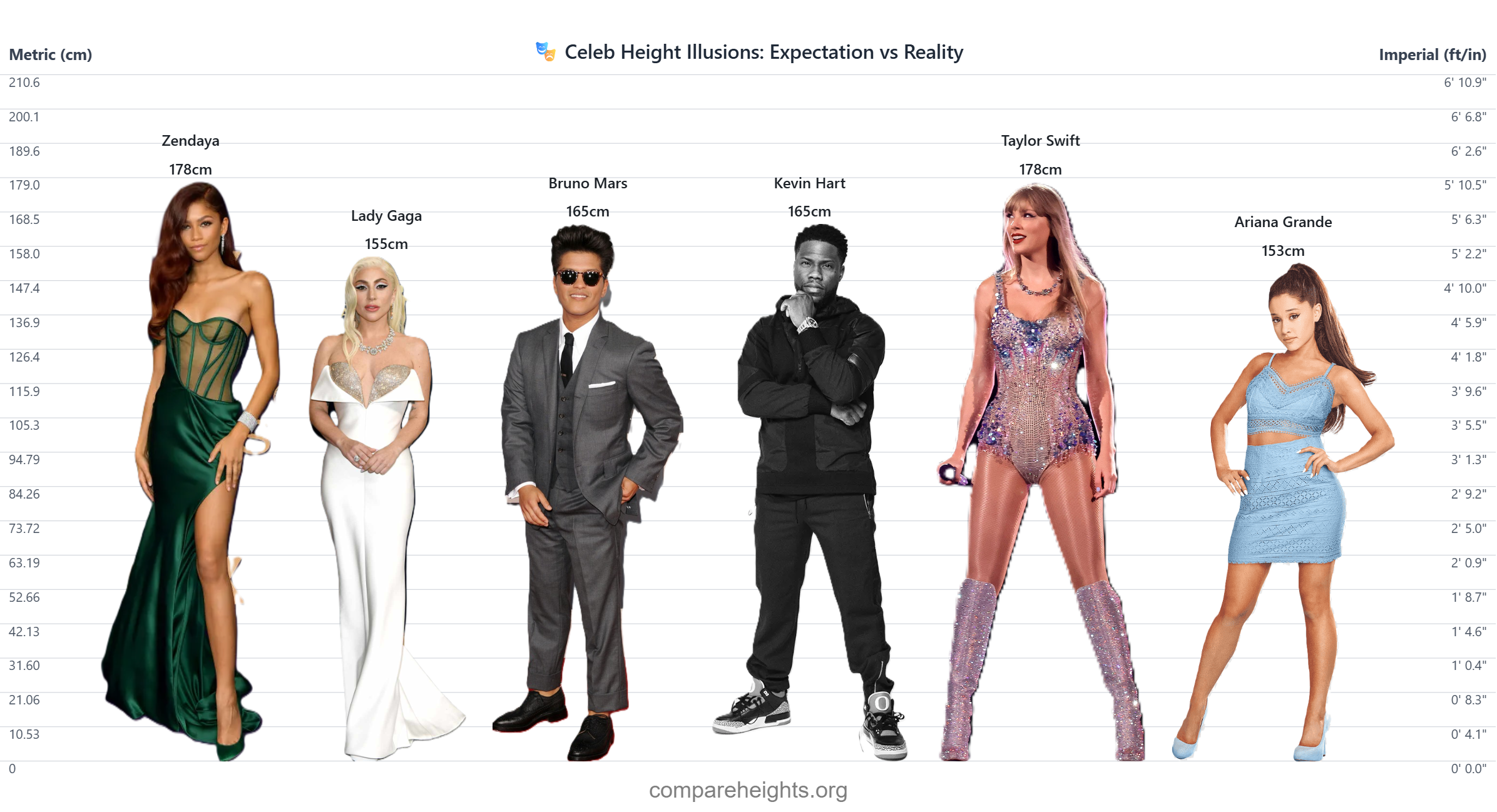
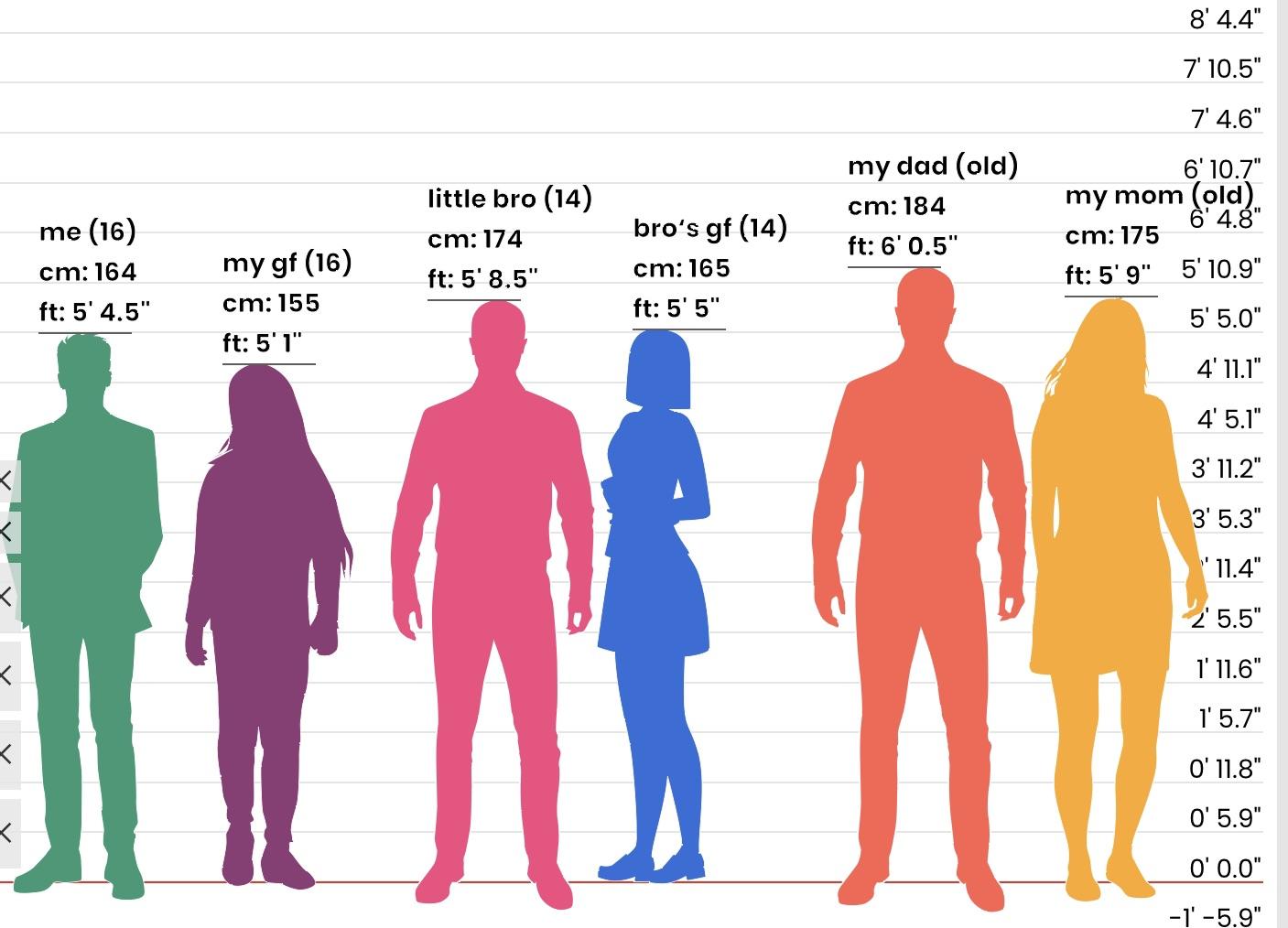
The actual physical volume an extra inch provides is minimal. If you were to place two individuals of the exact same build side-by-side, one at 5'6" and one at 5'7", the crown of the 5'7" individual’s head would sit roughly at the level of the 5'6" individual’s mid-forehead or hairline. In a crowded room or a casual social setting, this difference is often indistinguishable without professional measuring equipment.
Social Perception: Why 5'7" Feels Significantly Taller
The "showdown" between these two heights is largely fought in the realm of social psychology. For men in Western societies, height is frequently associated with leadership, attractiveness, and authority. Although the Centers for Disease Control and Prevention (CDC) has historically placed the average American male height around 5'9", the 5'6" to 5'7" range falls into the "shorter than average" category for men.
However, 5'7" is often viewed as the "gateway" to the average range. In many dating app environments or social surveys, 5'7" is the height where men report feeling less "excluded" by height filters compared to 5'6". There is a phenomenon known as "digit preference" or "threshold effects," where humans assign disproportionate value to round numbers. Just as 6'0" is a major milestone, 5'7" serves as a secondary milestone because it clears the 5'5" and 5'6" marks, which are culturally stereotyped as "short."
For women, the dynamic is reversed. Since the average female height in the U.S. is approximately 5'4", both 5'6" and 5'7" are considered "tall" or "above average." In the modeling industry and athletics, that one inch can be the difference between meeting a specific height requirement for runway work or volleyball positions. In 2026, fashion trends continue to celebrate a diverse range of heights, but the 5'7" mark remains a common minimum for many high-fashion agencies.
Global Context: Where Do 5'6" and 5'7" Stand in 2026?
Height is relative to the population surrounding the individual. A person who is 5'6" in the Netherlands, where the average male height exceeds 6'0", will feel significantly shorter than a person who is 5'7" in Southeast Asia or parts of Latin America, where that height might be well above the national average.
In 2026, global nutrition and healthcare improvements have led to a stabilization of height trends in developed nations, but the "height gap" between different regions remains. When comparing 5'6" vs 5'7", the impact of that inch is most felt in competitive environments:
- Military and Police Requirements: Some specialized units globally have minimum height requirements. Historically, 5'7" (or 170 cm) has been a common cutoff point for certain elite guard units or pilot programs.
- Dating Metrics: Data from social platforms suggests that 5'7" is a "safe" height for many who wish to avoid being labeled as "very short," even if the physical difference from 5'6" is negligible.
- Ergonomics: Car seats, office chairs, and kitchen counters are typically designed for the 5th to 95th percentile of the population. Both 5'6" and 5'7" fall comfortably within standard ergonomic designs, meaning neither height usually requires specialized equipment.
Styling and Proportions: Maximizing the 5'6"-5'7" Frame
Regardless of which side of the 5'6" vs 5'7" line you fall on, how you present that height is often more important than the measurement itself. A 5'6" individual with excellent posture and well-tailored clothing can easily appear taller than a 5'7" individual with a slouch and ill-fitting garments.
Footwear and Lifts
In 2026, the market for "height-increasing" footwear has become more sophisticated. A standard dress shoe provides about 0.75 to 1 inch of lift. Therefore, a 5'6" person in standard boots is effectively 5'7". Conversely, a 5'7" person in flat sneakers may appear the same height as a 5'6" person in standard footwear.
Tailoring and Proportions
To maximize the frame at these heights, fashion experts recommend:
- Monochromatic Outfits: Wearing similar colors for tops and bottoms creates a continuous vertical line, making the wearer look taller.
- Proper Inseams: Excess fabric bunching at the ankles (the "stacking" effect) can make legs look shorter. At 5'6" and 5'7", getting trousers hemmed to a slight or no break is essential.
- Vertical Patterns: Thin vertical stripes or textures can guide the eye upward, subtly enhancing the perception of height.
Height Comparison Data: 5'6" vs 5'7"
The following table provides a technical breakdown of how these two heights compare across various metrics and common standards.
| Metric | 5'6" (66 inches) | 5'7" (67 inches) | Difference |
|---|---|---|---|
| Metric Conversion | 167.64 cm | 170.18 cm | 2.54 cm |
| Percentage of US Men | Approx. 15th Percentile | Approx. 25th Percentile | +10 Percentiles |
| Percentage of US Women | Approx. 75th Percentile | Approx. 85th Percentile | +10 Percentiles |
| Typical Wing Span | ~66 inches | ~67 inches | 1 inch |
| Standard Reach | ~82 inches | ~83.5 inches | ~1.5 inches |
| Metric Rounding | 168 cm | 170 cm | 2 cm |
| Clothing Size (Men) | Short / Regular | Regular | Transition Point |
Physical Implications: Reach, Wing Span, and Athletics
In the world of sports, an inch can sometimes translate into a functional advantage. This is most apparent in sports involving "reach," such as boxing, MMA, or tennis. Generally, a person's wingspan (the distance from fingertip to fingertip with arms outstretched) is roughly equal to their height.
A 5'7" fighter typically has a one-inch reach advantage over a 5'6" opponent. In a technical "showdown," this allows the taller individual to land jabs while remaining just out of range of the shorter opponent's counter-punches. However, the 5'6" individual may have a lower center of gravity, which is an advantage in wrestling, weightlifting, or gymnastics.
In basketball, neither height is considered tall, but the difference in "standing reach" (how high one can touch while standing flat-footed) can be about 1.5 inches. This is because the extra inch in height often comes from a combination of longer legs and a longer torso, which elevates the shoulder joint and, consequently, the arm.
Diurnal Variation: The Science of Height Measurement
A critical factor often overlooked in the 5'6" vs 5'7" debate is diurnal variation. Humans are tallest in the morning and shortest in the evening. This is due to spinal disc compression; throughout the day, gravity compresses the fluid-filled discs between the vertebrae.
An individual can lose between 0.5 and 0.75 inches of height over the course of a day. This means a person who measures 5'7" at 8:00 AM might actually be 5'6.3" by 8:00 PM. Therefore, the "showdown" between these two heights is often a matter of timing. If you are 5'6.5", you can truthfully claim to be 5'7" in the morning, but you will technically be 5'6" by the time you go to bed. To get an accurate reading, measurements should be taken mid-day to represent the "median" height.
Does 1 inch actually make a difference in appearance?
Visually, one inch is very difficult to detect with the naked eye from a distance. The difference only becomes apparent when two people stand back-to-back or shoulder-to-shoulder on a level surface. Factors like hair volume, shoe sole thickness, and neck posture can easily mask or mimic a one-inch difference.
Is 5'7" considered short for a man in 2026?
While "short" is subjective, 5'7" is below the statistical average of 5'9" for men in many Western countries. However, it is generally categorized as "lower-average" rather than "short." In the global context, 5'7" is actually at or above the average height for men in many parts of Asia, Africa, and South America.
Can a 5'6" person "become" 5'7"?
In terms of biological growth, epiphyseal plates (growth plates) usually close by age 18-21, making natural height increase unlikely after that. However, a 5'6" person can achieve a 5'7" appearance through corrective stretches for the spine and neck, improving posture, and wearing footwear with standard heels.
Why is 5'7" often seen as a milestone height?
5'7" is a milestone because it is the point where the imperial measurement crosses into the 170-centimeter range (170.18 cm). In many countries using the metric system, 170 cm is a significant round number. Additionally, in many clothing brands, the "Regular" fit begins to take preference over the "Short" fit around the 5'7" mark.
Are there advantages to being 5'6" over 5'7"?
In certain athletic endeavors, a shorter frame is advantageous. Gymnasts, powerlifters, and certain types of endurance athletes often benefit from a lower center of gravity and shorter limb levers, which can make movements more efficient and stable.
Maximizing Presence Regardless of the Inch
The "ultimate showdown" between 5'6" and 5'7" concludes that while 5'7" holds a slight edge in social perception and metric milestones, the physical difference is negligible in daily life. The most effective way to "win" this comparison is to focus on physical presence.
Focus on core strength and posterior chain health. Strengthening the muscles that hold the spine erect can prevent the slouching that often robs individuals of half an inch or more. Furthermore, confidence and "social height"—the perceived stature one projects through eye contact and vocal clarity—frequently outweigh the literal measurement on a wall. Whether you are 5'6" or 5'7", your impact on a room is determined far more by your carriage and self-assurance than by a single inch of bone.