Being 5'5" (165 cm) places an individual at a unique crossroads of physical health and social psychology. For women, this height is slightly above the global average, often associated with ideal athletic and aesthetic proportions. For men, it sits below the national average in many Western countries, presenting specific social challenges but offering distinct biological advantages in longevity and lower risks of certain chronic diseases.
The impact of being 5'5" is not a singular experience; it is a multidimensional reality shaped by biological predispositions, cultural perceptions of stature, and the internal psychology of self-worth. In 2026, our understanding of "success" has moved beyond physical dominance toward a holistic view of health optimization and cognitive resilience. Whether you are navigating the dating market, the corporate boardroom, or a long-term wellness plan, your 5'5" frame carries a specific set of variables that can be leveraged for a high-quality life.
Understanding the 5'5" Stature in a Global Context
To understand the "5 5 success" framework, one must first look at the data. In the United States and much of Europe, the average height for a man is approximately 5'9" to 5'10", while for a woman, it is roughly 5'4". Standing at 5'5" means a woman is in the 60th to 70th percentile, often finding that the world is "built" for her—from car seats to clothing rack sizes. For a man at 5'5", he is in the bottom 5th to 10th percentile of height, which often requires a more proactive approach to building social presence and self-assurance.
Socially, height has historically been linked to perceived authority. However, the shift toward digital-first workplaces and "soft power" leadership has leveled the playing field. Success at 5'5" is increasingly defined by how an individual manages the biological "hand" they were dealt. This includes understanding that while height is fixed after puberty (barring extreme surgical intervention), the health outcomes and confidence levels associated with it are highly manageable.
Health Implications of a 5'5" Stature
Biological research consistently shows that height is a significant predictor of certain health outcomes. While taller individuals may enjoy social advantages, shorter individuals—specifically those in the 5'5" range—often possess a "longevity advantage" rooted in cellular biology and genetic expression.
Longevity and the FOXO3 Gene
Studies involving long-lived populations have frequently identified a correlation between shorter stature and increased lifespan. One of the primary drivers is the FOXY3 "longevity gene." Research indicates that individuals with a smaller body frame are more likely to carry a protective version of this gene, which is associated with lower insulin levels and a lower risk of age-related diseases. At 5'5", the body has fewer cells overall compared to a 6'5" individual. Statistically, fewer cells mean fewer opportunities for DNA mutations and cellular errors that lead to cancer.
Cardiovascular Health and Blood Clots
Height is a known risk factor for venous thromboembolism (VTE), or blood clots. Because taller people have longer veins, the blood must travel further against gravity to return to the heart, increasing the risk of stagnation and clotting. Those at 5'5" have a shorter "circulatory loop," which naturally reduces the risk of deep vein thrombosis (DVT) and pulmonary embolisms compared to their much taller counterparts.
Metabolic Efficiency and Joint Health
Individuals at 5'5" often experience less mechanical stress on their joints. The laws of physics dictate that taller, heavier frames put more torque on the knees, hips, and lower back. Consequently, people with a 5'5" stature often maintain better mobility into their 70s and 80s, provided they maintain a healthy Body Mass Index (BMI). However, a shorter frame also means a lower Basal Metabolic Rate (BMR); 5'5" individuals must be more precise with caloric intake, as a 10-pound weight gain is much more visible and metabolically taxing on a 5'5" frame than on a 6'2" frame.
The Psychology of 5'5": Building Unshakable Confidence
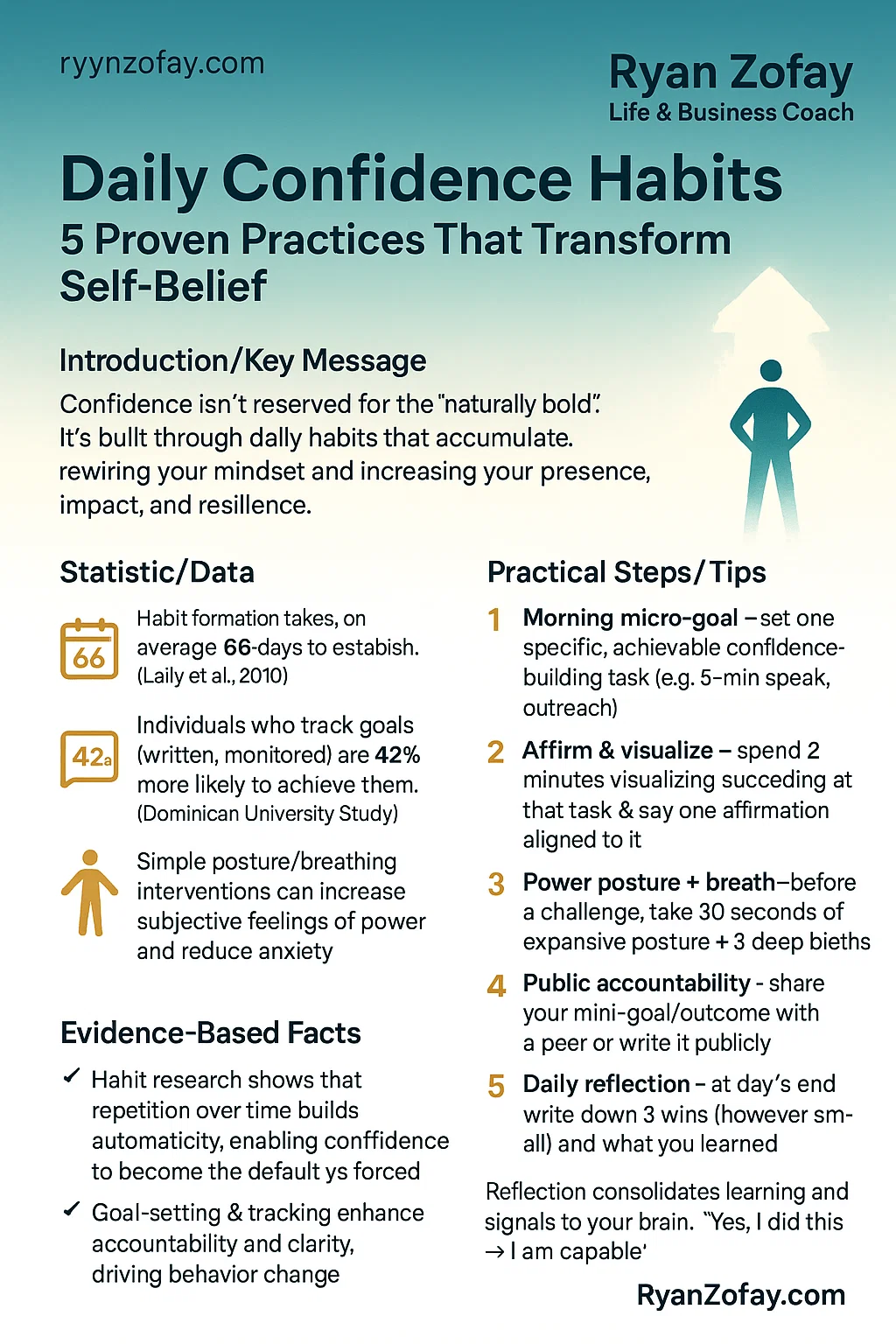
Confidence is the cornerstone of "5 5 success." For many, especially men, height can be a source of "stature anxiety." However, modern psychology suggests that confidence is a skill that can be developed independently of physical attributes.
Overcoming "Heightism"
Heightism—the social preference for taller individuals—is a documented bias in hiring and dating. To counter this, successful 5'5" individuals often adopt a strategy of "High-Status Competence." This involves mastering specific skills, public speaking, and emotional intelligence to the point where physical height becomes an irrelevant footnote. In 2026, the "Short King" cultural movement has further destigmatized shorter stature in men, reframing it as a symbol of compact energy and high confidence.
The Role of Posture and Presence
Confidence at 5'5" is often communicated through "open" body language. Slumping or "making oneself small" is a common subconscious reaction to feeling shorter than others, but it reinforces a low-status internal monologue. Maintaining a neutral spine, retracted scapula, and steady eye contact can change the hormonal profile of an individual, increasing testosterone and decreasing cortisol.
Cognitive Reframing
Successful individuals at this height often use cognitive behavioral techniques to decouple their self-worth from their vertical measurement. They focus on "controllables":
- Physical Fitness: Developing a lean, muscular physique.
- Sartorial Precision: Wearing well-fitted clothing that avoids "swallowing" the frame.
- Intellectual Authority: Becoming the most knowledgeable person in the room.
Career and Social Success at 5'5"
Does height impact the paycheck? Historically, yes. Studies have suggested a "height premium" where every inch of height correlates to a slight increase in annual earnings. However, this is a correlation, not a law.
Leadership and the "Small-Scale" Advantage
In a modern professional environment, leadership is less about physical intimidation and more about collaboration. Being 5'5" can actually make a leader more approachable. Research in organizational behavior suggests that "dominant" leaders (often taller) can sometimes stifle team creativity, whereas "prestige-based" leaders (those who lead through expertise) foster better innovation. A 5'5" professional who leads through prestige is often more effective in the long run.
Dating and Relationships
The dating world is perhaps the most height-sensitive arena. For women at 5'5", they fall into the "sweet spot" for most preferences. For men at 5'5", the "digital filter" of dating apps can be a hurdle. Success here requires a shift in strategy:
- Transparency: Owning one's height early prevents "height-fishing" awkwardness.
- Focus on Vitality: High energy and a great sense of humor are consistently rated as more important than height in long-term partner selection.
- Broadening the Search: Focusing on personality compatibility rather than rigid physical archetypes.
Comparative Metrics for a 5'5" Stature
The following table outlines how a 5'5" height compares across various health and lifestyle categories relative to taller and shorter cohorts.
| Metric | 5'5" Individual | Taller Individual (6'0"+) | Shorter Individual (<5'2") |
|---|---|---|---|
| Cancer Risk | Lower (fewer total cells) | Higher (more cell divisions) | Lowest |
| VTE/Blood Clot Risk | Moderate-Low | High (longer limbs/veins) | Low |
| Joint Longevity | High (less mechanical load) | Lower (high torque/stress) | Very High |
| Caloric Needs | Moderate (1,800-2,400 kcal) | High (2,500+ kcal) | Low (<1,600 kcal) |
| Social Presence | Requires active "posture" | Passive authority | Requires significant effort |
| Clothing Fit | Readily available (Standard) | Often requires "Tall" sizes | Often requires "Petite/Short" |
Ergonomics and Lifestyle Optimization
Living successfully at 5'5" means optimizing your environment. Because many industrial designs are based on a 5'9" male average, the 5'5" individual may need to make adjustments to prevent chronic pain and fatigue.
- Workplace Ergonomics: Ensure that your office chair allows your feet to rest flat on the floor. If not, a footrest is essential to prevent lower back strain. The monitor should be at eye level to prevent "tech neck," which is exacerbated when looking up at screens designed for taller users.
- Automotive Safety: Many 5'5" drivers sit closer to the steering wheel. It is vital to ensure a minimum of 10 inches between the chest and the airbag housing. Pedals should be adjusted so the knee remains slightly bent, not fully extended.
- Strength Training: Focus on compound movements like squats and deadlifts. For 5'5" individuals, these movements have a shorter range of motion, often allowing for the development of significant relative strength compared to taller lifters.
FAQ: Navigating Life at 5'5"
Is 5'5" considered short for a man in 2026?
Technically, yes, it remains below the statistical average of 5'9" in many countries. However, the cultural definition of "short" has shifted. With the rise of diverse representation in media and the "Short King" movement, 5'5" is viewed less as a deficiency and more as a specific physical type that can be optimized for success.
Does being 5'5" actually help you live longer?
There is strong evidence that it does. Epidemiological studies show that shorter people have a lower risk of most cancers and a lower risk of cardiovascular complications like blood clots. The biological "efficiency" of a 5'5" frame often translates to a longer healthspan, provided lifestyle factors like diet and exercise are managed.
How can I look taller and more confident at 5'5"?
The key is verticality in fashion and posture. Wear monochromatic outfits to create a continuous visual line, and ensure your clothes are tailored—excess fabric makes you look shorter. Most importantly, stand with your head held high as if a string is pulling you from the crown; your perceived height is often more about your "presence" than your actual measurement.
Are there specific sports where 5'5" is an advantage?
Absolutely. 5'5" is an ideal height for sports requiring a low center of gravity and high power-to-weight ratio. This includes gymnastics, wrestling, Brazilian Jiu-Jitsu, rock climbing, and certain positions in soccer. In the gym, 5'5" lifters often have better leverage for heavy squats and bench presses.
Practical Recommendations for 5 5 Success
To thrive at 5'5", you must adopt a proactive stance toward both your physical health and your social identity. First, leverage your biological advantage by staying lean; your heart and joints are already at an advantage, and maintaining a healthy weight will maximize your longevity. Second, invest in tailoring. Nothing kills confidence faster than ill-fitting clothes that emphasize a smaller stature. Third, develop a "big" personality. This doesn't mean being loud or aggressive; it means being "heavy" in your presence—calm, composed, and competent.
By 2026, the world has become more attuned to the fact that height is a poor proxy for value. Success at 5'5" is about recognizing that your height is a neutral trait that can be turned into a positive through health optimization and psychological resilience. Focus on the advantages of your stature—agility, longevity, and efficiency—and the social hurdles will naturally diminish in the face of your tangible achievements.