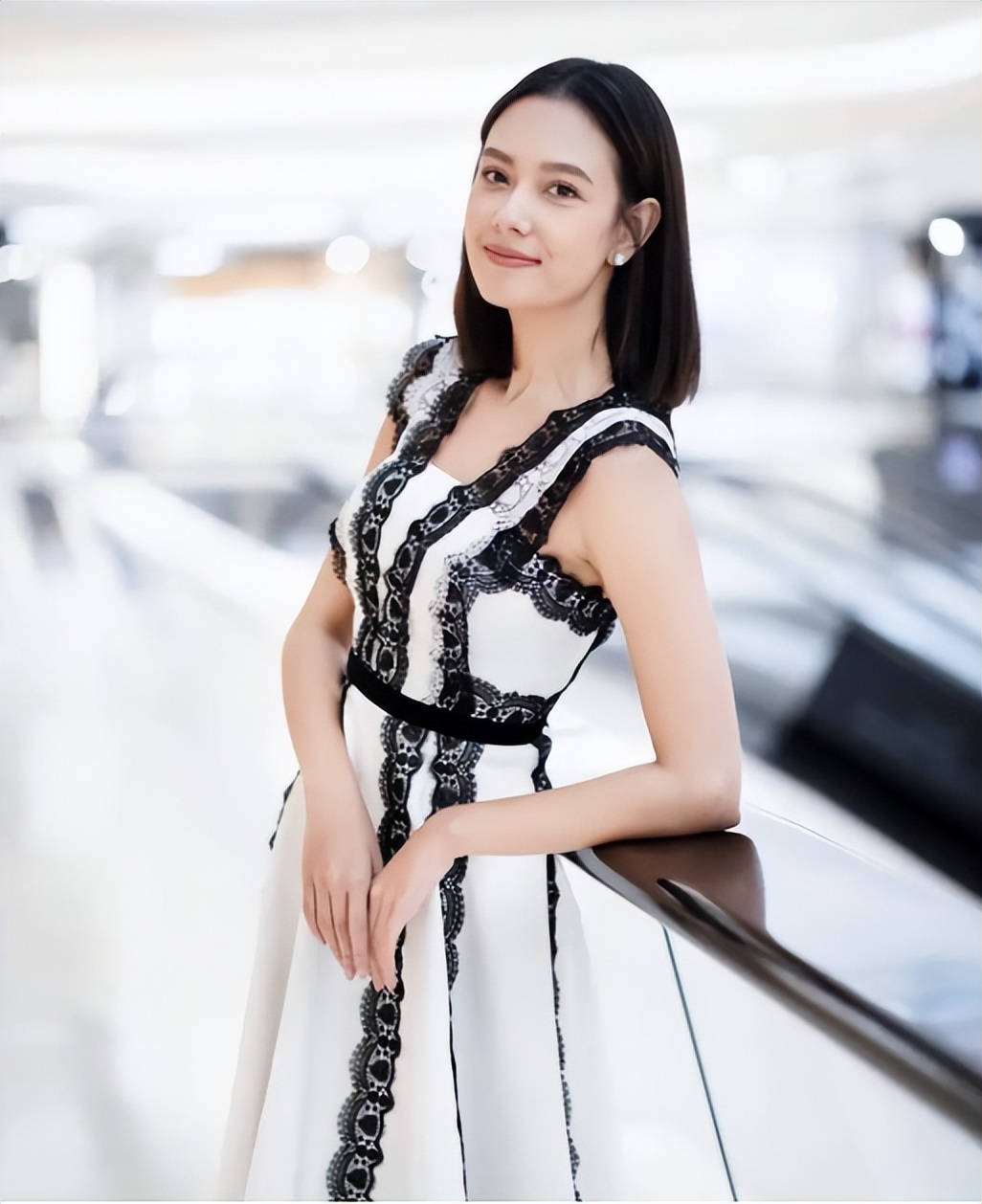
In the entertainment industry, the "perfect petite" figure is most frequently embodied by actresses standing exactly 5'3" (160 cm). This height represents a unique "sweet spot" where performers possess enough presence to command the screen while fitting the technical specifications for petite fashion and camera framing.
The concept of the "petite" actress has evolved significantly by 2026. No longer relegated to niche roles or "the girl next door" archetypes, women standing 5'3" have redefined the industry’s standard of glamour and power. From action-heavy roles to high-fashion ambassadorships, the 5'3" frame is a dominant force in Hollywood. Understanding why this specific height is considered the "perfect petite" involves looking at the intersection of camera technology, fashion tailoring, and the career trajectories of some of the world's most successful women.
Defining the Petite Standard in Hollywood
In the world of fashion and costume design, "petite" refers to a specific set of proportions rather than just height. Generally, the industry classifies any woman 5'4" and under as petite. However, 5'3" is often cited as the ideal benchmark because it sits at the intersection of the average American female height and the specialized tailoring required for shorter frames.
Actresses who are 5'3" often have shorter torsos and specific limb-to-body ratios that require specialized garment construction. In 2026, the demand for petite-specific tailoring on film sets has reached an all-time high. This is because a 5'3" actress can be "styled up" to look taller through clever footwear and high-waisted tailoring, or "styled down" to emphasize a more delicate frame. This versatility is exactly why casting directors often gravitate toward this height.
Furthermore, the "perfect petite" is not just about the number on a measuring tape; it is about visual balance. A 5'3" actress often possesses a vertical line that, when captured on 8K digital sensors, appears balanced and proportional without the "looming" effect that sometimes occurs with much taller actors in tight close-ups.
Iconic 5'3" Actresses: Profiles in Proportional Excellence
Several of the most influential actresses of the last two decades stand at exactly 5'3". These women have used their stature to their advantage, proving that height is irrelevant to screen presence.
Natalie Portman: The Power of Presence
Natalie Portman is perhaps the most famous example of a 5'3" powerhouse. Her career has spanned from the delicate elegance of Black Swan to the physically imposing role of the Mighty Thor. Portman’s success highlights a key aspect of the perfect petite: the ability to occupy space. Through posture and precise movement, she often appears taller on screen than she is in person. Her long-standing relationship with Dior also proves that the 5'3" frame is highly compatible with high-fashion aesthetics.
Mila Kunis: Versatility and Verticality
Mila Kunis, also standing at 5'3", has navigated a career ranging from sitcoms to intense dramas and voice acting. Kunis often utilizes "vertical" fashion—monochromatic outfits and pointed-toe heels—to create a seamless silhouette. Her career trajectory demonstrates how 5'3" actresses can maintain a "relatable" image while still appearing as a formidable leading lady.
Scarlett Johansson: The Action Standard
While sometimes debated at 5'3" or 5'4", Scarlett Johansson is a primary example of how the petite frame can be utilized in the action genre. As the Black Widow, she proved that a 5'3" frame is ideal for stunt work and choreography. Smaller performers often have a lower center of gravity, which can make their movements appear faster and more agile on screen—a technical advantage that stunt coordinators frequently leverage.
The Science of Proportions: Why 5'3" Works on Screen
The technical side of filmmaking often favors the 5'3" height due to how lenses and framing work. When an actress is 5'3", she fits comfortably within a medium shot alongside male leads who are typically 5'10" to 6'0". This five-to-seven-inch height gap is considered the "golden ratio" for screen chemistry, as it allows both actors to remain in the same focal plane without extreme tilt from the camera.
Camera Angles and the "Long Line"
To make a 5'3" actress appear taller, cinematographers often use "low-angle" shots. By placing the camera slightly below the eye line and tilting upward, the subject's legs are elongated. Additionally, the use of a 35mm or 50mm lens can help maintain a naturalistic proportion that prevents the actress from looking "miniature" against larger sets.
The Role of "Man-Makers" and Apple Boxes
In scenes where a 5'3" actress must look eye-to-eye with a much taller co-star, the industry relies on "apple boxes" or "man-makers." These are wooden crates used to boost the height of the shorter actor. However, because 5'3" is close to the average, these adjustments are often minimal, making the physical production smoother than it would be for an actress who is 5'0" or 5'1".
Comparative Analysis of Notable 5'3" Actresses
The following table provides a comparison of actresses who define the 5'3" petite category and how they are categorized by their stylistic and career impact as of 2026.
| Actress | Reported Height | Notable Genre | Style Signature |
|---|---|---|---|
| Natalie Portman | 5'3" (160 cm) | Drama / Sci-Fi | Classic Elegance & A-line Silhouettes |
| Mila Kunis | 5'3" (160 cm) | Comedy / Drama | Modern Edgy & Monochromatic Tones |
| Scarlett Johansson | 5'3" (160 cm) | Action / Thriller | Body-Conscious & Structured Tailoring |
| Amanda Seyfried | 5'3" (160 cm) | Musical / Drama | Ethereal & High-Waisted Fluidity |
| Rooney Mara | 5'3" (160 cm) | Independent / Noir | Architectural & Minimalist |
Fashion Strategies for the 5'3" Frame
In 2026, the "petite" fashion movement has moved beyond simply shortening hems. It is now about "proportional engineering." For the 5'3" actress, fashion is a tool to control how the audience perceives their stature.
- High-Waisted Everything: By raising the waistline of pants or skirts, a 5'3" woman creates the illusion of longer legs. This shifts the visual center of the body upward, making the overall silhouette appear more elongated.
- The Rule of Thirds: Instead of bisecting the body in half (which can make one look shorter), 5'3" style icons often use a 1/3 to 2/3 ratio. For example, a short top paired with long trousers.
- Monochromatic Color Palettes: Wearing a single color from head to toe prevents the "chopping" of the vertical line. Actresses like Rooney Mara often utilize this strategy to appear taller and more imposing at red-carpet events.
- V-Necks and Vertical Details: Deep necklines and vertical stripes or seams draw the eye up and down rather than side to side. This is a staple in the wardrobe of many 5'3" performers who want to maintain a "statuesque" appearance.
Navigating the Industry: Challenges and Advantages
Despite the "perfect petite" label, 5'3" actresses still face unique challenges in 2026. One primary challenge is "chemistry reads." When a female lead is 5'3" and the male lead is significantly taller (such as 6'4" Jacob Elordi types), the height difference can become a plot point or a visual hurdle that requires creative blocking.
However, the advantages often outweigh the drawbacks. The 5'3" frame is highly "shippable"—a term used in modern fandom to describe how easily an actress can be paired with a variety of co-stars. Because 5'3" is a versatile height, these actresses can play roles ranging from a teenager to a high-ranking executive or a battle-hardened soldier without the height becoming a distraction.
Furthermore, in the world of luxury endorsements, 5'3" actresses are highly coveted. They represent a more attainable standard of beauty for the average consumer while still possessing the refined proportions that make luxury clothing look exceptional. According to Petite Specialist Guidelines, the 5'3" frame is the standard used for developing most high-end petite patterns.
Frequently Asked Questions
Is 5'3" considered short for an actress?
In the general population, 5'3" is the average height for adult women in many countries, including the US. However, in Hollywood, where many lead actresses have historically been 5'7" or taller (like Nicole Kidman or Charlize Theron), 5'3" is officially classified as petite. Despite this, it is not considered "short" in a way that limits casting; rather, it is viewed as a versatile, "camera-friendly" height.
Why do some 5'3" actresses look much taller on screen?
This is due to a combination of camera angles, footwear, and clothing proportions. Low-angle shots and "long-lens" photography can compress the background while elongating the subject. Additionally, many actresses wear hidden platforms or high-waisted clothing that creates a longer vertical line.
Can a 5'3" actress play a "tall" character?
Yes. Through the use of "apple boxes" (standing on crates during scenes) and specific framing where the feet are not visible, a 5'3" actress can be made to appear the same height as a 6'0" co-star. This is a common practice in film production to maintain eye-level contact during dialogue.
What are the "perfect petite" proportions?
While height is the primary factor, the "perfect petite" usually involves a balanced arm-to-leg ratio and a shorter torso. This allows clothing designers to scale down standard sizes without losing the intended shape of the garment. Actresses like Natalie Portman are often cited as having these ideal proportions.
Building Your Own Petite Aesthetic
If you are 5'3" and looking to emulate the "perfect petite" style of your favorite actresses, the most important step is finding a skilled tailor. Off-the-rack clothing, even in petite sections, is often designed for a general "average." Professional actresses have their wardrobes custom-fitted to ensure that waistlines hit at the narrowest point and hems break exactly at the right spot on the shoe.
Focus on creating a continuous vertical line. Avoid oversized accessories or "heavy" shoes that can weigh down a 5'3" frame. Instead, opt for streamlined silhouettes and structured pieces that provide a clear shape. By mastering these proportional rules, any woman can achieve the same commanding presence that 5'3" actresses exhibit on the global stage in 2026.