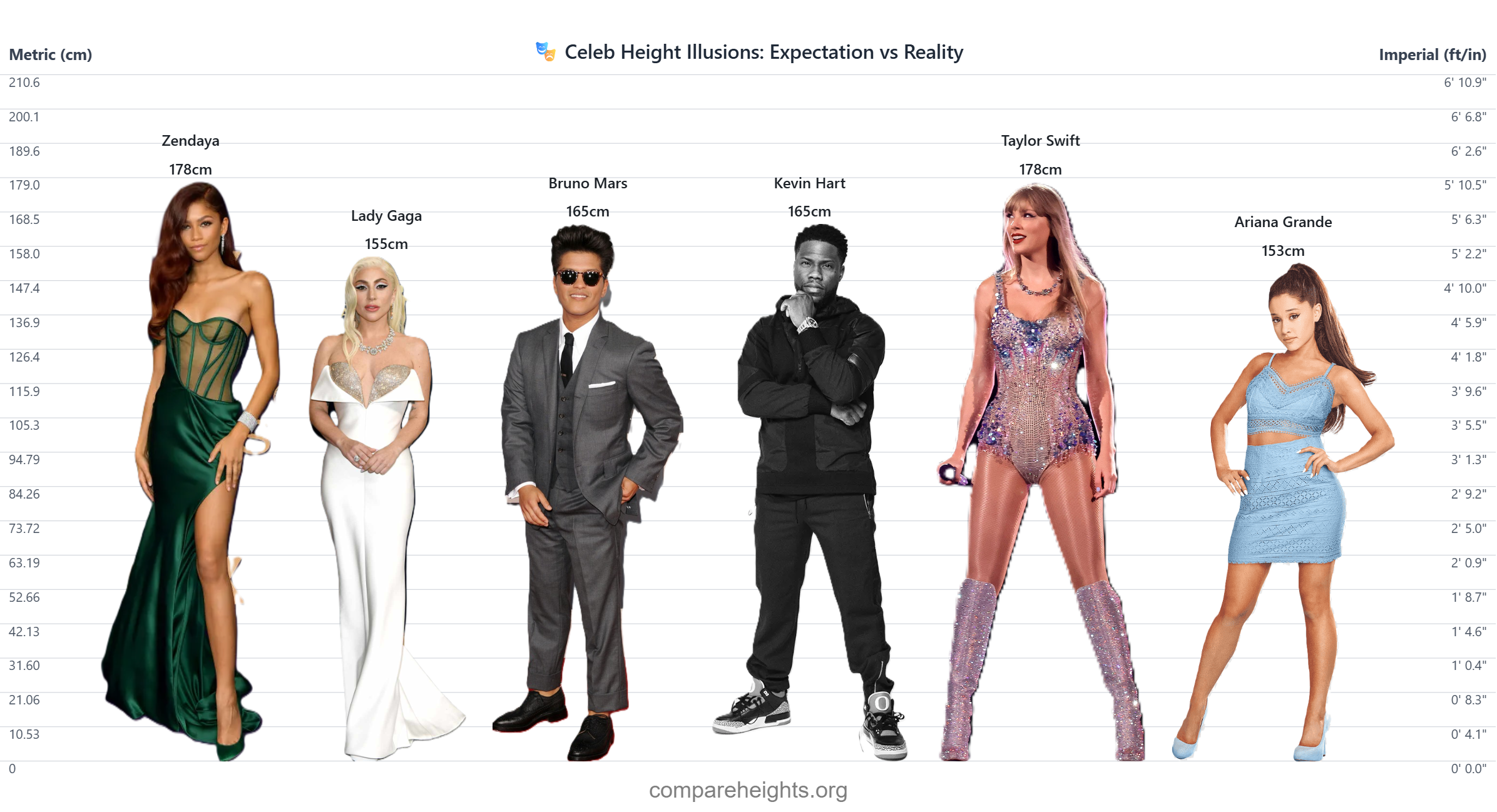
The height difference between 5'10" and 6'2" is exactly four inches, or approximately 10.16 centimeters. While four inches might seem like a minor numerical gap, it represents a significant shift in visual perception, social categorization, and physical ergonomics. A 6'2" individual is distinctly tall by global standards, whereas a 5'10" individual typically falls into the "above average" category in most Western nations, offering a balance between height and physical versatility.
The Mathematical Breakdown: Imperial and Metric Conversions
Understanding the difference between 5'10" (five feet, ten inches) and 6'2" (six feet, two inches) requires a look at both the Imperial and Metric systems to grasp the full scale of the gap. In the United States and several other regions, height is measured in feet and inches, but the scientific and international standard is centimeters.
At 5'10", an individual stands 70 inches tall. In the metric system, this converts to 177.8 centimeters. This height is frequently cited as the ideal "average-plus" height for men in the United States, where the statistical mean for adult males is approximately 5'9". Being 5'10" means you are taller than roughly 60-65% of the male population.
At 6'2", an individual stands 74 inches tall, which converts to 187.96 centimeters. This height moves the individual into the 95th percentile or higher in many countries. The 4-inch (10.16 cm) gap is equivalent to the height of a standard smartphone stood on its end or roughly half the length of a standard brick. When two people of these heights stand side-by-side, the 6'2" individual's eye level will typically be near the hairline or top of the head of the 5'10" individual.
Visual Perception and the "Eye Test"
Visual perception is influenced not just by the raw number of inches, but by how that height is distributed across the frame. A 4-inch difference is generally the threshold where a height gap becomes "obvious" rather than "noticeable."
For a person who is 5'10", their perspective of the world is largely at eye level with the majority of the population. They do not tower over others, nor do they often feel dwarfed in crowds. However, when standing next to someone who is 6'2", the 5'10" person must tilt their head upward slightly to maintain eye contact.
From the perspective of a 6'2" person, the world looks different. They can usually see over the heads of people in a crowded room. This height is often considered the "sweet spot" for tallness; it is high enough to be striking and commanding without being so tall that it causes the skeletal or joint issues sometimes associated with extreme heights (6'6" and above). In photos, the 4-inch gap is significant enough that the 6'2" person will appear clearly larger in scale, often requiring them to stand in the back row to avoid obscuring others.
Social and Psychological Implications of the Height Gap
Society often attaches different archetypes to these two heights. As of 2026, social trends in dating and professional environments continue to show a distinct "height premium," though the nuances between 5'10" and 6'2" are fascinating.
In the realm of professional psychology, "heightism" suggests that taller individuals are often perceived as more authoritative or leader-like. A 6'2" individual often benefits from this unconscious bias more than a 5'10" individual. While 5'10" is a respectable and "capable" height, 6'2" is frequently associated with the "tall, dark, and handsome" trope or the "executive presence."
In dating culture, particularly on digital platforms, the "6-foot barrier" is a well-documented phenomenon. A 5'10" individual is just two inches shy of this arbitrary social milestone, which can sometimes lead to a "height-inflation" where individuals claim to be taller than they are. Conversely, a 6'2" individual is safely above this threshold, often experiencing a different level of visibility in algorithm-driven environments. However, many 5'10" individuals find that their height is more "relatable" and less intimidating, which can be an advantage in forming personal connections.
Physical Proportions and Athletic Performance
The 4-inch difference between 5'10" and 6'2" translates to significant changes in leverage, reach, and center of gravity. These factors play a major role in various sports and physical activities.
Leverage and Reach
A 6'2" person typically has a longer "wingspan" (arm span) than a 5'10" person. If we assume a standard 1:1 ratio of height to wingspan, the 6'2" individual has a 74-inch reach compared to the 70-inch reach of the 5'10" individual. In sports like boxing, basketball, or swimming, this 4-inch advantage in reach can be the difference between a successful block and a missed play.
Center of Gravity
Conversely, the 5'10" individual possesses a lower center of gravity. This is an advantage in sports requiring high agility, balance, and rapid changes of direction, such as soccer, wrestling, or gymnastics. At 5'10", an athlete is often more "compact," allowing for faster rotational speed and better stability. The 6'2" athlete, while potentially faster in a straight sprint due to longer strides, may find it more difficult to stay low to the ground or navigate tight spaces with the same fluidity.
Daily Ergonomics: The World as It Is Built
Most of the world's infrastructure is designed for the "average" person, which usually centers around the 5'9" to 5'11" range. This means that a 5'10" individual lives in a world that feels "just right."
Clothing and Fashion
A person who is 5'10" can walk into almost any retail store and find clothes that fit off the rack. Standard "Medium" or "Large" shirts and 30-32 inch inseam trousers are designed exactly for this frame. For the 6'2" individual, shopping is more complex. They often fall into the "Tall" category, requiring longer sleeves and 34-inch inseams. Finding clothes that provide enough length without being excessively baggy (the "Big and Tall" struggle) is a common challenge for the 6'2" demographic.
Transportation and Furniture
In 2026, vehicle manufacturers and airline companies continue to optimize for space, which often disadvantages the tall. A 5'10" person typically has adequate legroom in economy class and fits comfortably in the driver's seat of a subcompact car. A 6'2" person, however, will likely find their knees touching the seat in front of them on a plane and may need to adjust a car's seat to its furthest back position, potentially limiting space for passengers behind them.
Comparative Data: 5'10" vs 6'2" at a Glance
The following table summarizes the key physical and practical differences between these two heights.
| Feature | 5'10" (177.8 cm) | 6'2" (187.96 cm) | Difference/Impact |
|---|---|---|---|
| Global Percentile (Male) | ~60th - 65th | ~95th - 98th | 6'2" is significantly rarer. |
| Standard Reach | ~70 inches | ~74 inches | 4-inch advantage for 6'2". |
| Clothing Fit | Standard/Off-the-rack | Often requires "Tall" sizes | 5'10" is easier to shop for. |
| Legroom (Travel) | Generally comfortable | Often cramped/tight | 4 inches changes knee clearance. |
| Eye Level | Level with most peers | Sees over the crowd | Different social vantage points. |
| Athletic Archetype | Agility/Stability | Power/Leap/Reach | Trade-off between speed and size. |
| Visual Gap | The "Baseline" | The "Tall" | Roughly a half-head difference. |
Fashion and Styling Strategies for Different Heights
Because these two heights present different silhouettes, the way they should be styled varies to maximize their natural proportions.
Styling for 5'10": The goal for a 5'10" individual is often to maintain a clean, streamlined look that doesn't "break" the body into segments. Monochromatic outfits or low-contrast color schemes can make a 5'10" person appear slightly taller and more statuesque. Vertical stripes are a classic tool to elongate the frame. It is important for this height to ensure that trousers are not too long, as "puddling" at the ankles can make the legs look shorter than they are.
Styling for 6'2": At 6'2", the individual already has significant presence. The styling goal is often to ensure the frame looks balanced rather than "lanky." High-contrast outfits (like a light shirt with dark trousers) can work well because they break up the long vertical line, preventing the person from looking overly thin. Layering—such as wearing a jacket or a textured sweater—adds necessary bulk to a tall frame, ensuring the person looks "filled out" rather than just stretched.
Frequently Asked Questions
Is 5'10" considered short?
No, 5'10" is not considered short. In the United States and most European countries, the average male height is approximately 5'9". Therefore, 5'10" is technically above average. While it may feel "short" in the company of professional athletes or in specific social circles that prize extreme height, it is a very standard and capable height for an adult male.
How much taller does 6'2" look than 5'10"?
A 4-inch difference is quite prominent. If a 5'10" person and a 6'2" person stand back-to-back, the 6'2" person will be visibly taller by the height of their forehead and hair. In a social setting, people will generally label the 5'10" person as "average height" and the 6'2" person as "tall."
Which height is better for bodybuilding?
Both heights have advantages. A 5'10" bodybuilder often finds it easier to "fill out" their frame with muscle mass, as their limbs are shorter, making the muscle bellies appear thicker and fuller. A 6'2" bodybuilder has a higher "ceiling" for total mass; they can carry more weight overall, but it takes significantly more muscle mass and time to look as "dense" as the shorter athlete.
Does a 6'2" person live longer than a 5'10" person?
Statistical studies in longevity often show a slight correlation between shorter stature and longer life spans. This is sometimes attributed to lower cell replication counts and reduced strain on the heart to pump blood through a larger frame. However, these differences are marginal and heavily influenced by lifestyle, genetics, and healthcare quality in 2026.
Is 6'2" too tall for standard cars?
Not usually. Most modern SUVs and sedans are designed to accommodate drivers up to 6'4" or 6'5". However, a 6'2" individual may struggle with headroom in certain sports cars, coupes, or older vintage models that have low rooflines.
Optimizing for Your Specific Height
Whether you stand at 5'10" or 6'2", the key to physical confidence is understanding how to work with your specific proportions. If you are 5'10", embrace the "versatility" of your height. You fit into the world's design perfectly, from plane seats to fashion trends, and you possess a physical balance that is ideal for a wide range of athletic pursuits.
If you are 6'2", embrace the "presence" that your height provides. You have a natural advantage in visibility and reach, which can be leveraged in both social and professional settings. Your primary task is to manage the ergonomic challenges—such as seeking out "tall" specific clothing and ensuring your workspace is set up to prevent back strain—to ensure your height remains an asset rather than a physical burden.
Both heights are well within the range of what is considered "ideal" for the modern man in 2026, and the 4-inch gap between them simply offers two different ways to experience and navigate the world.