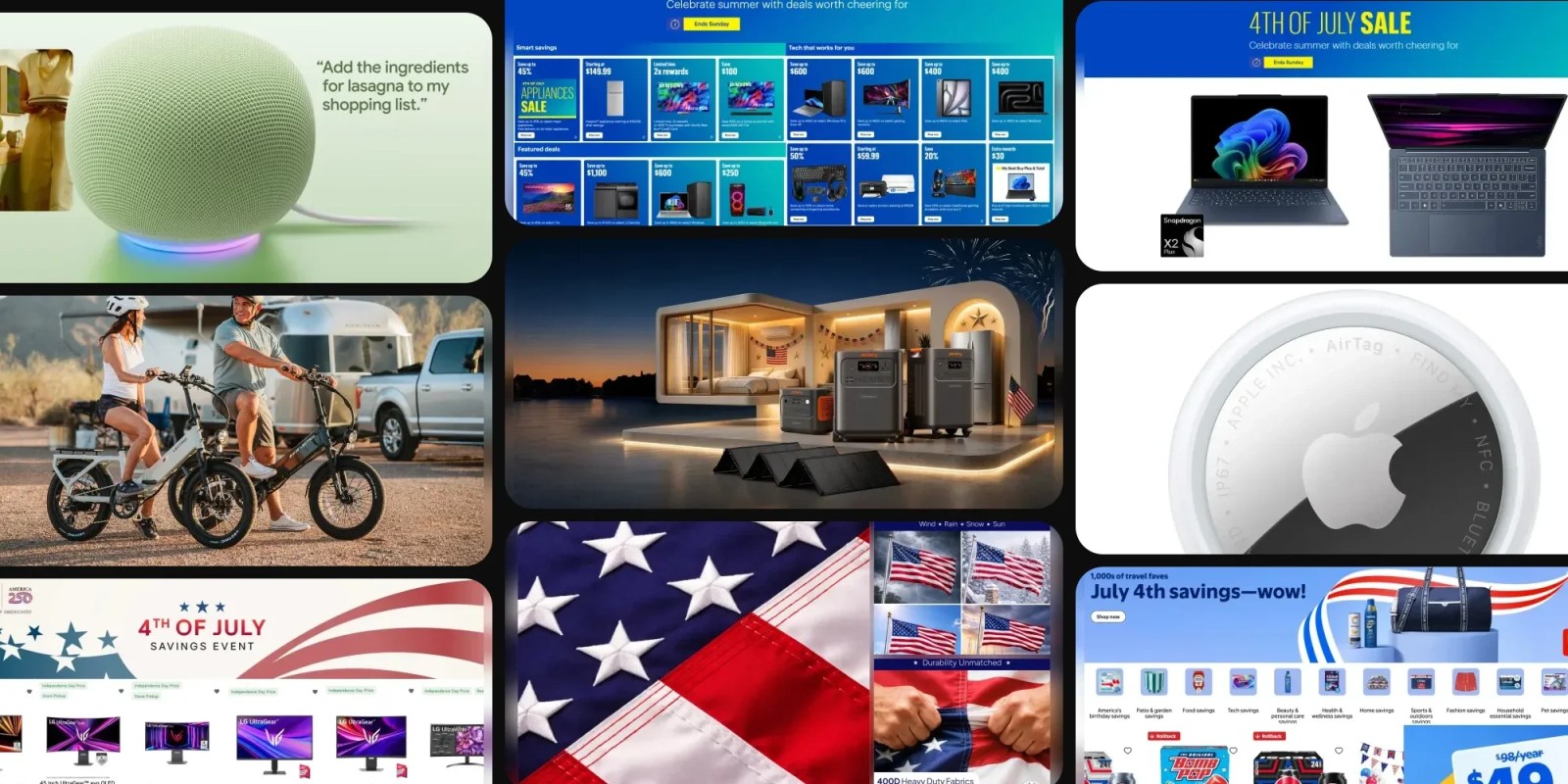
The online shopping landscape for the 4th of July 2024 was characterized by aggressive price-cutting across major retailers like Amazon, Walmart, and Best Buy, with average discounts ranging from 20% to 60%. High-performance categories included large appliances, summer outdoor gear, and mid-tier electronics, which served as a precursor to the mid-July Prime Day events.
The Strategic Landscape of Independence Day E-commerce in 2024
Looking back from 2026, the 2024 Fourth of July sales period remains a pivotal case study in retail synchronization. During that season, the typical "holiday weekend" sale evolved into a multi-week promotional cycle. Retailers recognized that consumer sentiment in mid-2024 was heavily influenced by lingering inflationary pressures, leading to a shift in purchasing behavior toward "high-value essentials" and "calculated luxuries."
The 2024 sales event was not merely about patriotic-themed merchandise. Instead, it functioned as a strategic inventory clearinghouse. For online retailers, the first week of July served as a critical window to capture consumer spending before the mid-July "Prime Day" shadow dominated the market. We saw a distinct trend where competitors like Walmart and Target launched their proprietary "Deals" weeks nearly concurrently with the July 4th holiday to front-run Amazon’s massive ecosystem.
Technically, the 2024 cycle was also notable for the integration of AI-driven personalized pricing. Many shoppers received targeted discounts via email or app notifications that were deeper than the public-facing site prices. This level of segmentation allowed retailers to maintain margins on high-demand items while still moving bulk inventory of older models, particularly in the consumer electronics and home appliance sectors.
Top Product Categories with the Deepest 2024 Discounts
To understand why the 2024 sales were so significant, one must examine the specific product categories that dominated the digital storefronts. The discounts were not uniform; rather, they were concentrated in sectors where inventory turnover was essential for the upcoming Q3 and Q4 seasons.
Large Appliances and Home Improvement
Historically, July 4th is one of the "Big Three" holidays for appliance shopping, alongside Memorial Day and Black Friday. In 2024, Home Depot and Lowe’s offered tiered savings where the discount percentage increased based on the total spend. For example, purchasing a "kitchen suite" (refrigerator, stove, and dishwasher) often triggered an additional $500 to $1,000 in instant rebates.
The focus in 2024 was on smart home integration. Major brands like Samsung and LG pushed their AI-enabled refrigerators and laundry pairs. These items saw significant markdowns because manufacturers were preparing to launch their 2025 lineups. By clearing the 2023 and early 2024 models in July, retailers made physical and digital shelf space for the next generation of hardware.
Electronics and Personal Technology
While many tech enthusiasts wait for Prime Day, the 2024 July 4th sales at Best Buy and B&H Photo offered competitive alternatives, particularly for Apple products and gaming peripherals. The 13-inch MacBook Air (M2 and M3 models) reached then-record low prices during the July 4th window, as retailers anticipated the back-to-school rush in August.
Gaming laptops also saw substantial movement. Manufacturers like ASUS and MSI utilized the holiday to discount models equipped with RTX 40-series GPUs. This was a strategic move to capture the "summer gamer" demographic. Furthermore, 4K OLED televisions from the previous model year were often discounted by 40% or more, providing some of the best price-to-performance ratios of the entire year.
Outdoor Living and Seasonal Recreation
By the time July 4th arrived in 2024, the "peak" of the summer recreation season had already passed for retailers, even if it was just beginning for consumers. Consequently, stores like REI and Backcountry implemented massive clearance events on camping gear, paddleboards, and hiking apparel.
The outdoor furniture market followed a similar trajectory. Wayfair and Overstock (rebranded as Bed Bath & Beyond online) offered discounts of up to 70% on patio sets. This aggressive pricing was necessitated by the high cost of warehousing large, bulky items. For the consumer, this represented the optimal intersection of immediate utility and maximum discount.
Major Retailer Performance and Strategy Comparison
The competition between the "Big Three" online retailers—Amazon, Walmart, and Target—defined the 2024 experience. Each used the 4th of July as a different type of lever within their broader summer strategy.
| Retailer | Primary Strategy in 2024 | Typical Discount Range | Key Performance Category |
|---|---|---|---|
| Amazon | Early-access "Invite Only" deals | 15% – 50% | Small Electronics & Household Essentials |
| Walmart | "Walmart Deals" event synchronization | 20% – 65% | Toys, Tech, and Patio Furniture |
| Target | Target Circle Week integration | 30% – 50% | Apparel, Kitchenware, and Beauty |
| Best Buy | "Black Friday in July" branding | $100 – $800 off | Laptops, OLED TVs, and Appliances |
| REI | Fourth of July Clearance | 20% – 40% | Camping, Cycling, and Outdoor Apparel |
Walmart’s 2024 strategy was particularly effective. By launching their "Walmart Deals" event shortly after the 4th of July holiday, they managed to bridge the gap between holiday celebrants and bargain hunters. They focused heavily on "everyday low prices" for groceries and party supplies leading up to the 4th, then pivoted immediately to high-ticket electronics on July 8th.
Target, conversely, relied on its "Target Circle" loyalty program. By offering "Bonus Stars" or "Circle Rewards" during the 4th of July sales, they ensured customer retention. This strategy prioritized long-term customer lifetime value over immediate transactional volume, though their discounts on home decor and summer apparel remained highly competitive.
Factors That Influenced the 2024 July 4th Discount Cycle
Several macroeconomic and logistical factors contributed to the specific nature of the 2024 discounts. Understanding these helps explain why certain products were priced the way they were.
- Inventory Normalization: Following the supply chain volatility of previous years, 2024 marked a return to "just-in-case" inventory management. However, many retailers over-corrected, leading to a surplus of mid-range consumer goods that needed to be liquidated during the summer.
- The "Election Year" Effect: Historically, presidential election years see a slight contraction in discretionary spending during the summer months as consumers wait for economic clarity. Retailers in 2024 countered this by offering deeper-than-usual discounts to stimulate demand.
- Shipping Logistics Optimization: By 2024, the "last-mile" delivery infrastructure had matured significantly. This allowed retailers to offer "Free Shipping with No Minimum" during the 4th of July weekend, which was a major conversion driver for online sales compared to previous years.
- Rise of "Buy Now, Pay Later" (BNPL): The integration of services like Affirm and Klarna reached a saturation point in 2024. Many of the "best deals" were marketed alongside low monthly payments, making expensive items like $2,000 mattresses or $3,000 smart fridges more accessible to the average consumer.
Lessons Learned from the 2024 Sales for Future Planning
From the perspective of 2026, the 2024 4th of July sales period taught us that the "holiday" is now a "season." Consumers who waited until the actual morning of July 4th to shop often missed the "Early Bird" windows that opened as early as June 25th.
Furthermore, 2024 solidified the importance of price-tracking tools. Services that monitored price history showed that many "deals" were actually returns to the item's standard MSRP after a brief artificial hike in June. However, for those who tracked prices diligently, the 4th of July represented the lowest price point for appliances and mattresses for the first half of the year.
Another significant takeaway was the value of "open-box" and "refurbished" inventory. During the 2024 sales, retailers like Best Buy and eBay offered additional percentages off their already discounted refurbished outlets. This trend has only grown since then, as sustainability and value-consciousness become primary drivers in the e-commerce sector.
FAQ: 2024 Fourth of July Online Sales
Was 2024 a good year for 4th of July sales compared to other years?
Yes, 2024 was considered a "high-yield" year for consumers due to high inventory levels and intense competition between Walmart and Amazon. While 2023 was focused on recovering from supply chain issues, 2024 saw retailers actively fighting for market share with deeper discounts on electronics and appliances than in the preceding three years.
What was the single best item to buy during the 2024 July 4th sales?
Statistically, mattresses and large kitchen appliances offered the highest dollar-value savings. Brands like Nectar, DreamCloud, and Casper offered bundles that included free bedding plus up to 40% off the mattress price, which remains one of the most aggressive promotional structures seen in the industry.
Did Amazon Prime Day affect the 4th of July sales in 2024?
Absolutely. Since Prime Day 2024 occurred on July 16-17, the 4th of July acted as a "pre-game" event. Amazon launched "early Prime Day deals" specifically to target 4th of July shoppers, forcing other retailers to lower their prices earlier than usual to stay competitive.
Were there specific discounts for military members during the 2024 sales?
Yes, 2024 saw an increase in verified military discounts through platforms like ID.me. Retailers such as Lowe’s, Lululemon, and various tech brands offered an additional 10% to 15% off on top of existing 4th of July sale prices for active duty and veterans, making it a particularly strong year for those eligible for these benefits.
How did shipping times hold up during the 2024 holiday rush?
Shipping in 2024 was remarkably stable. Most major retailers had optimized their regional distribution centers, meaning that despite the high volume of "Best Deals" being processed, standard shipping times of 3-5 days were largely maintained across the continental United States.
Next Steps for Analyzing Historical Shopping Data
To effectively utilize information about the 2024 sales for your current financial planning or retail research, you should focus on identifying the "Price Floor" established during that period. By comparing the 2024 lows to current 2026 pricing, you can determine if a "deal" today is truly a discount or merely an adjustment for inflation.
Use historical price trackers to see if the specific models of appliances or electronics you are interested in followed a predictable downward trend after the July 4th window. This data is invaluable for predicting when the next major liquidation cycle will occur. For those analyzing market trends, the National Retail Federation (NRF) provides comprehensive reports on historical consumer spending that can contextualize the 2024 data within the larger decade of e-commerce growth.