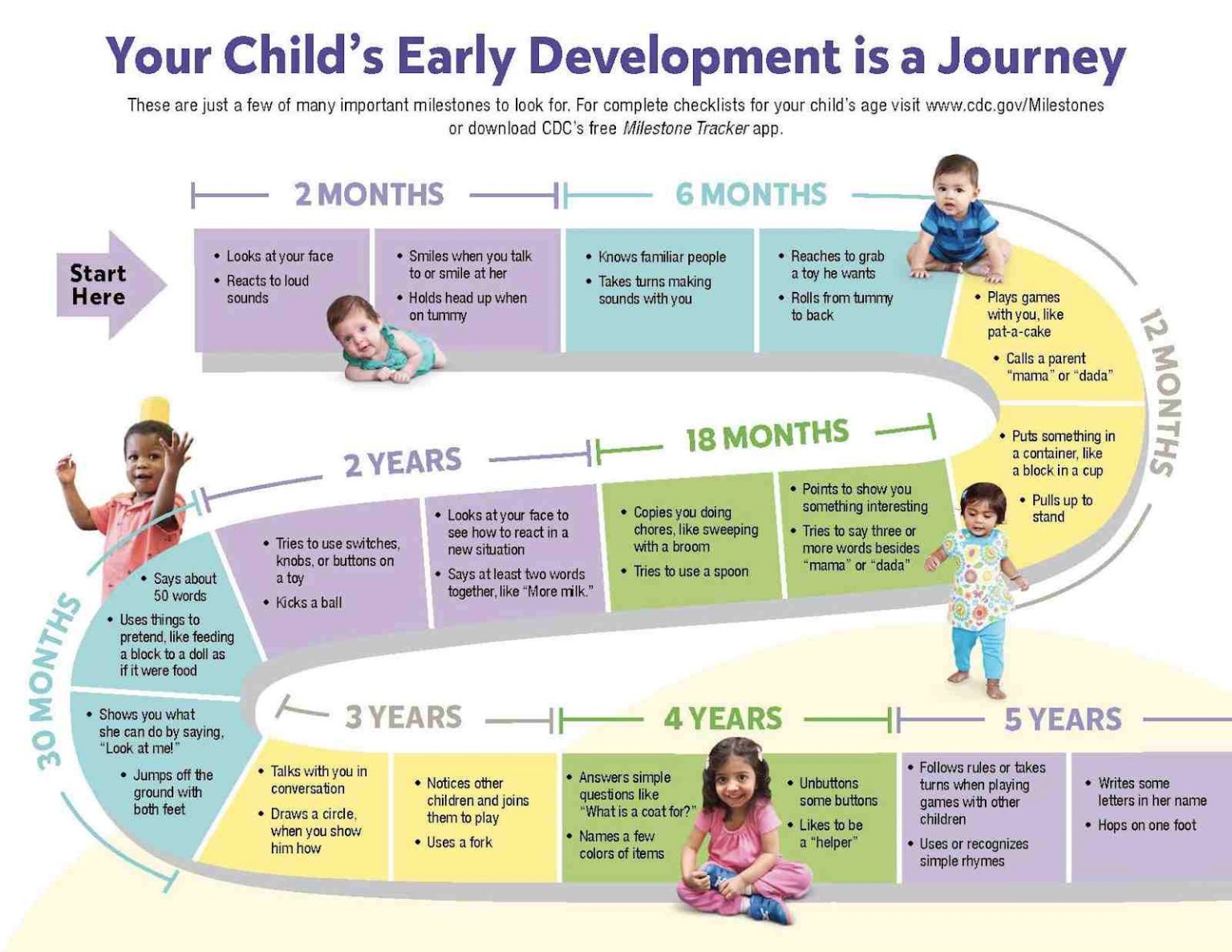
A baby born at 4kg ( approximately 8.8 pounds) typically follows the same developmental milestones as other infants, reaching key markers like rolling, sitting, and crawling within standard windows. While their larger size may slightly influence early physical strength or feeding frequency, their cognitive and social progression remains aligned with their chronological age.
Understanding Birth Weight: Is 4kg Above Average?
In the context of infant health in 2026, a birth weight of 4kg is considered robust and slightly above the global average. Most health organizations, including the World Health Organization (WHO), cite the average birth weight for full-term infants as approximately 3.5kg (7.5 lbs). A 4kg baby falls into the higher percentiles—often between the 75th and 90th—meaning they are larger than the majority of their peers at birth but still within a healthy, normal range.
Medical professionals sometimes categorize babies over 4kg as "large for gestational age" (LGA). This designation is not a diagnosis of illness but rather a statistical observation. Historically, significant birth weight was sometimes linked to maternal factors such as gestational diabetes or genetic predispositions. However, for most 4kg infants, this weight simply represents a strong head start in physical growth. It is important to remember that birth weight is only a starting point; the trajectory of growth—how the baby gains weight and height over time—is a far more critical indicator of health than the number on the scale on day one.
Parents often wonder if a 4kg baby will remain "big" throughout childhood. Growth is rarely linear. Many infants born at higher weights see their growth velocity stabilize after the first six months as they become more mobile. Conversely, smaller infants often experience "catch-up growth." By the time children reach toddlerhood, birth weight is rarely a primary predictor of their eventual adult height or build.
Physical Milestones and Growth Trajectories
The first year of life for a 4kg baby is marked by rapid physiological changes. Because these infants start with more body mass, their caloric needs and growth patterns may differ slightly from a 2.5kg or 3kg peer during the first few weeks.
The First Quarter (0–3 Months)
In the initial weeks, a 4kg baby may lose up to 10% of their birth weight, just like any other newborn. However, because they have more substantial energy reserves, they may transition back to their birth weight and beyond with significant vigor. By the end of the third month, a baby who started at 4kg might weigh between 6kg and 7kg.
During this stage, the primary physical milestones include lifting the head during tummy time and beginning to push up with the arms. Some parents find that 4kg babies have slightly more muscle tension or "sturdiness" in their limbs, which can assist with early head control, though this varies significantly by individual temperament and activity level.
The Second Quarter (4–6 Months)
By mid-year, the 4kg baby is often quite substantial. This is a critical period for motor development. You can expect the baby to begin rolling from tummy to back and vice versa. It is a common observation among pediatricians that very "sturdy" babies may take a few weeks longer to master rolling than lighter infants simply because they have more mass to move against gravity. However, once the core strength is developed, they progress rapidly.
The Second Half (7–12 Months)
Between seven and twelve months, the focus shifts to mobility. Sitting without support, crawling, and eventually "cruising" (walking while holding onto furniture) are the major markers. A 4kg birth-weight baby is often hitting these marks right on schedule. By their first birthday, a baby who was 4kg at birth will typically weigh between 10kg and 12kg, having roughly tripled their birth weight.
Motor Skill Progression: Does Size Impact Speed?
A frequent concern for parents of larger babies is whether their size will "slow them down." In the field of pediatric physical therapy, there is a recognized relationship between infant mass and the timing of gross motor skills.
The physics of movement dictates that a baby with a higher body mass requires more muscle strength to achieve the same movements as a lighter baby. For example, a 4kg baby who grows rapidly in the first six months may have a larger "trunk" (torso), which can make the initial transition to a sitting position or a crawl more taxing on their abdominal muscles.
Key Motor Development Observations:
- Rolling: Larger babies may require more practice to find their center of gravity.
- Crawling: The "army crawl" (stomach on the floor) is common for larger infants before they develop the quad strength to lift their heavy torsos into a traditional hands-and-knees crawl.
- Walking: There is no evidence that 4kg babies walk later than others. In fact, the increased leg strength required to support a larger frame often prepares them well for independent steps between 11 and 15 months.
It is vital to distinguish between "late" and "within range." The window for walking, for instance, spans from 9 to 18 months. A 4kg baby walking at 14 months is perfectly on track, even if a smaller peer walked at 11 months.
Feeding and Nutrition for the 4kg Baby
Nutrition is the fuel for development, and a 4kg baby often has a healthy appetite to match their size. In the early days, these infants may demand more frequent feedings or larger volumes of breast milk or formula. This is because a larger body requires more energy for basic metabolic functions and temperature regulation.
Breastfeeding Considerations
For breastfeeding mothers, a 4kg baby might stimulate a faster increase in milk supply due to their strong suckling reflex and higher demand. It is important to follow "on-demand" feeding cues rather than strict schedules. The baby’s stomach capacity at 4kg is slightly larger than that of a 2.5kg baby, which may—in some cases—lead to slightly longer stretches of sleep between feedings, though this is not guaranteed.
Introduction of Solids
In 2026, the consensus for the introduction of solid foods remains at approximately six months of age, regardless of birth weight. While a 4kg baby might appear "hungry" earlier, their digestive system and kidneys require time to mature. Parents should look for developmental readiness signs rather than weight markers:
- Ability to sit upright with minimal support.
- Disappearance of the tongue-thrust reflex.
- Interest in what caregivers are eating.
- Good head and neck control.
Milestone Comparison Table
The following table outlines the typical developmental windows for an infant born at approximately 4kg. Note that these are ranges; every child follows a unique path.
| Age Range | Physical Milestone | Cognitive/Social Milestone | Expected Weight Range (Approx.) |
|---|---|---|---|
| 0-2 Months | Holds head up briefly; kicks legs. | Follows faces; makes "cooing" sounds. | 4.5kg - 5.5kg |
| 3-4 Months | Pushes up on elbows during tummy time. | Reaches for toys; smiles at people. | 6.0kg - 7.5kg |
| 5-6 Months | Rolls in both directions; sits with help. | Responds to name; begins "babbling." | 7.5kg - 9.0kg |
| 7-9 Months | Sits without support; may start crawling. | Understands "no"; plays peek-a-boo. | 8.5kg - 10.5kg |
| 10-12 Months | Pulls to stand; takes first steps. | Uses simple gestures (waving); says "mama/dada." | 10.0kg - 12.5kg |
Sleep Patterns and Physical Development
There is a long-standing myth that "bigger babies sleep better." The theory suggests that because a 4kg baby can consume more calories in one sitting, they can go longer without waking for a feed. While there is a grain of truth to the caloric capacity argument, sleep is a complex neurological process that involves much more than a full stomach.
By three to four months, many 4kg babies are physically capable of sleeping longer stretches (6–8 hours). However, developmental leaps—such as learning to roll or the "four-month sleep regression"—affect larger babies just as much as smaller ones.
As the baby grows, their weight can actually influence sleep in different ways. For instance, as they become more mobile, the physical exertion of moving a 9kg or 10kg body during the day can lead to deeper sleep at night. Conversely, if a baby is carrying significant weight, they may experience more discomfort during teething or when trying to find a comfortable sleeping position.
Health Considerations and Monitoring
While a 4kg birth weight is generally a sign of health, there are specific areas that pediatricians monitor more closely in larger infants.
Blood Sugar Regulation
Immediately after birth, 4kg babies (especially those born to mothers with gestational diabetes) are sometimes monitored for hypoglycemia (low blood sugar). Their bodies are accustomed to high glucose levels in the womb, and once the umbilical cord is cut, their insulin levels may remain high, causing their blood sugar to drop. This is usually resolved within the first 48 hours through frequent feeding.
Joint and Bone Health
Because a 4kg baby puts more pressure on their joints as they begin to stand and walk, ensuring proper footwear (once walking outdoors) and avoiding "baby jumpers" or "walkers" that place unnatural stress on the hips is often recommended. Pediatricians also check for hip dysplasia, which can occasionally be more prevalent in larger babies or those who were breech.
The 2026 Perspective on Growth Charts
Modern pediatrics in 2026 emphasizes the "growth curve" over a single point in time. A baby who starts at 4kg and stays on the 85th percentile is healthy. A baby who starts at 4kg and suddenly drops to the 10th percentile—or jumps to the 99th—may require a nutritional review. The goal is consistency.
FAQ: Common Questions About 4kg Baby Development
Is 4kg too heavy for a newborn?
No, 4kg is not "too heavy"; it is simply at the higher end of the normal birth weight spectrum. While it may increase the likelihood of a Cesarean section or assisted delivery, once the baby is born, a 4kg weight is considered a healthy and robust starting point for an infant.
Does birth weight affect when a baby will crawl?
Birth weight can have a minor impact on the timing of crawling, as heavier babies need to develop more core and limb strength to lift their bodies. However, most 4kg babies crawl within the standard window of 7 to 10 months. Strength-building activities like frequent tummy time are more influential than birth weight alone.
Should I worry if my 4kg baby isn't rolling by five months?
Generally, no. The window for rolling is broad, typically between 4 and 7 months. If your baby is meeting other milestones—like holding their head steady, reaching for objects, and interacting socially—they are likely just taking their time to master the physical coordination required to move their larger frame.
Do larger babies need to start solids earlier?
No. High birth weight is not an indicator for early solid food introduction. The World Health Organization and pediatric associations recommend waiting until around six months when the baby’s gut is mature enough to handle complex proteins and starches.
Tracking Development with Your Pediatrician
The most effective way to ensure your 4kg baby is meeting their milestones is through regular "well-baby" checkups. In 2026, many parents use digital health portals to track growth percentiles in real-time. During these visits, the doctor will look at the "whole child"—checking reflexes, muscle tone, social responses, and physical growth.
If you notice your baby is significantly behind the standard windows (e.g., not sitting by 9 months or not walking by 18 months), consult your healthcare provider. Early intervention is highly effective for any baby, regardless of their birth weight. For the vast majority of 4kg infants, their size is simply a part of their unique physical identity, and they will grow into healthy, active toddlers on their own schedule.
Medical Disclaimer: This guide is for informational purposes only and does not constitute medical advice. Always consult with a qualified pediatrician or healthcare provider regarding the health and development of your child, especially concerning growth percentiles and nutritional requirements.