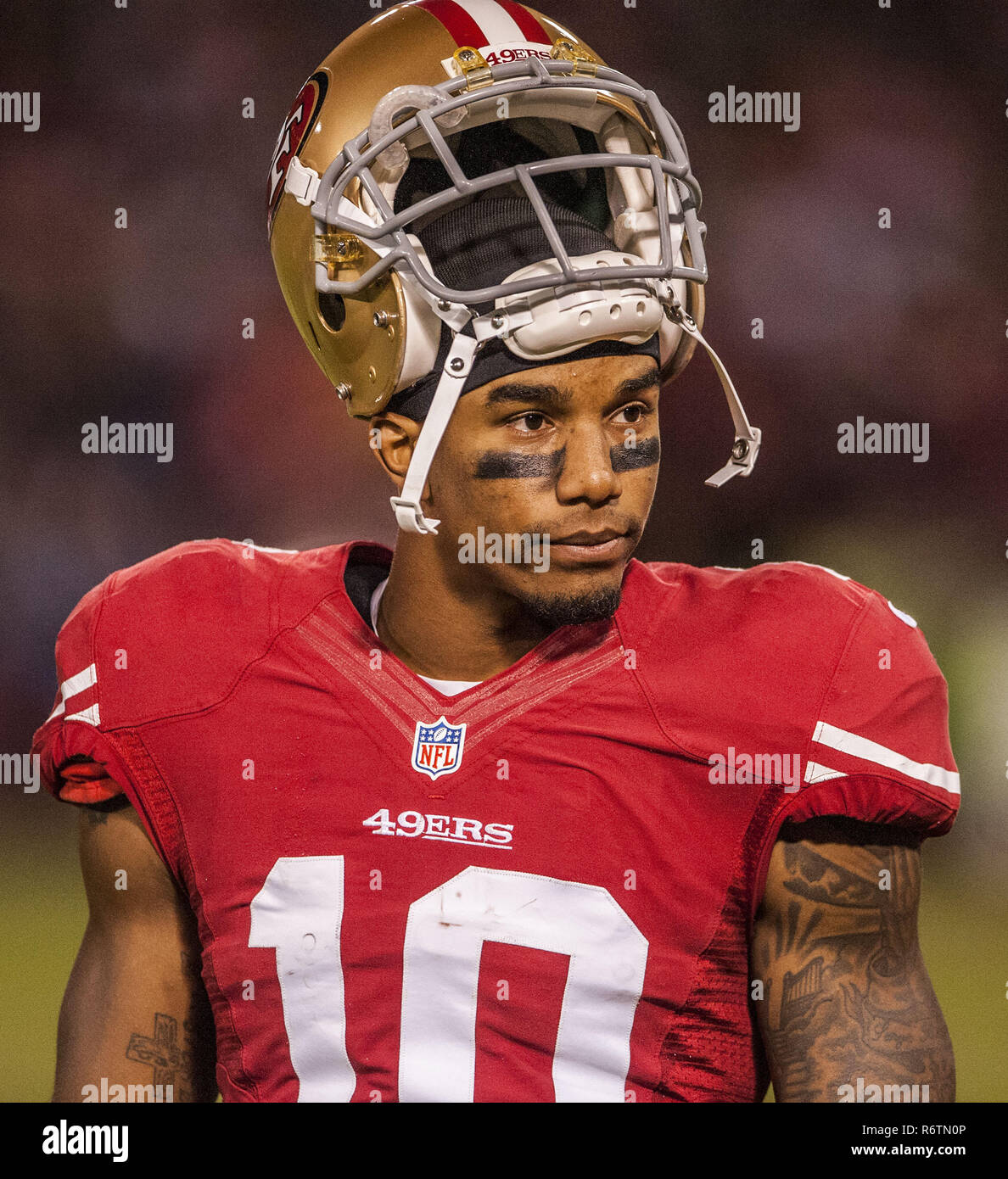
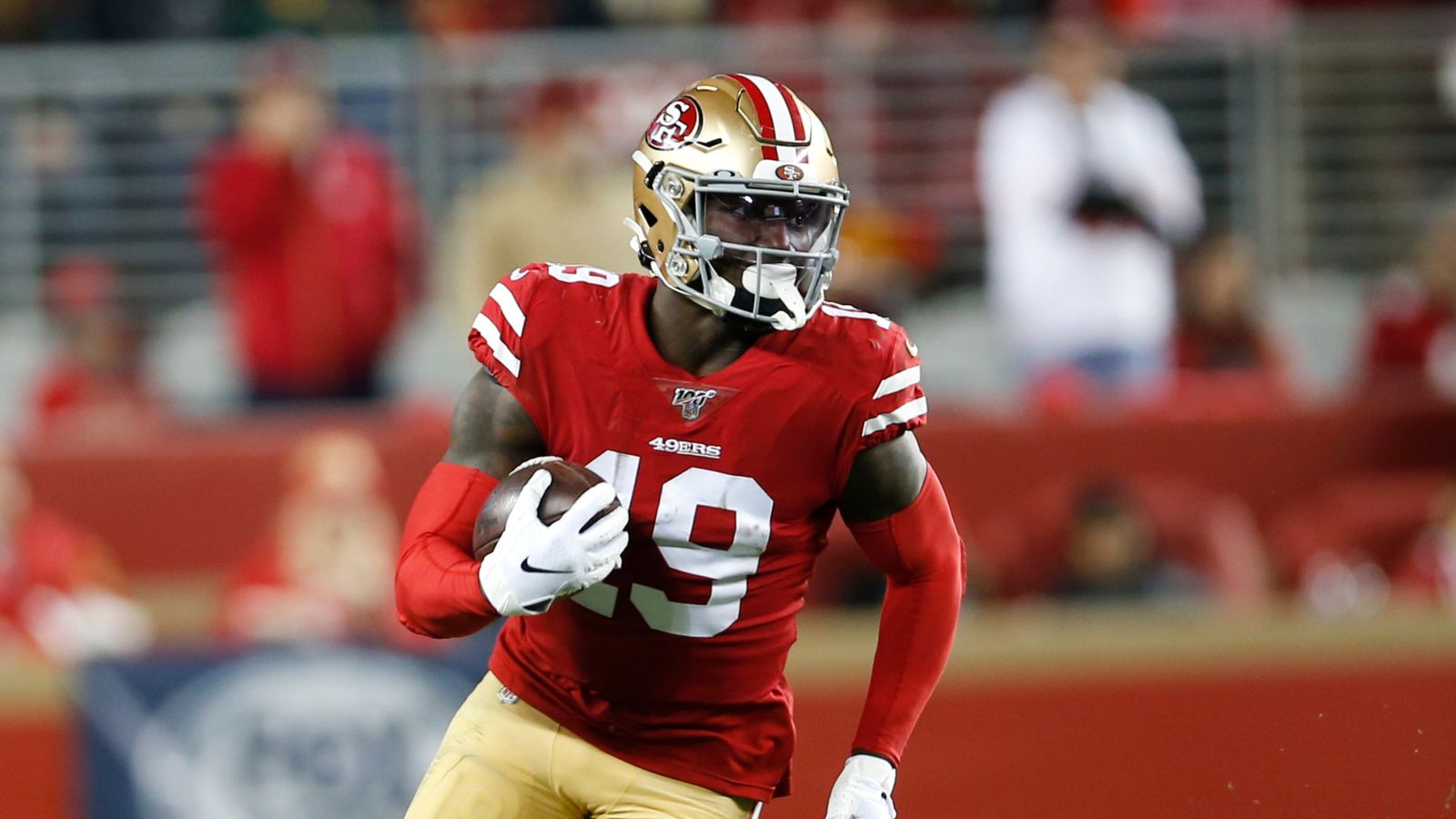
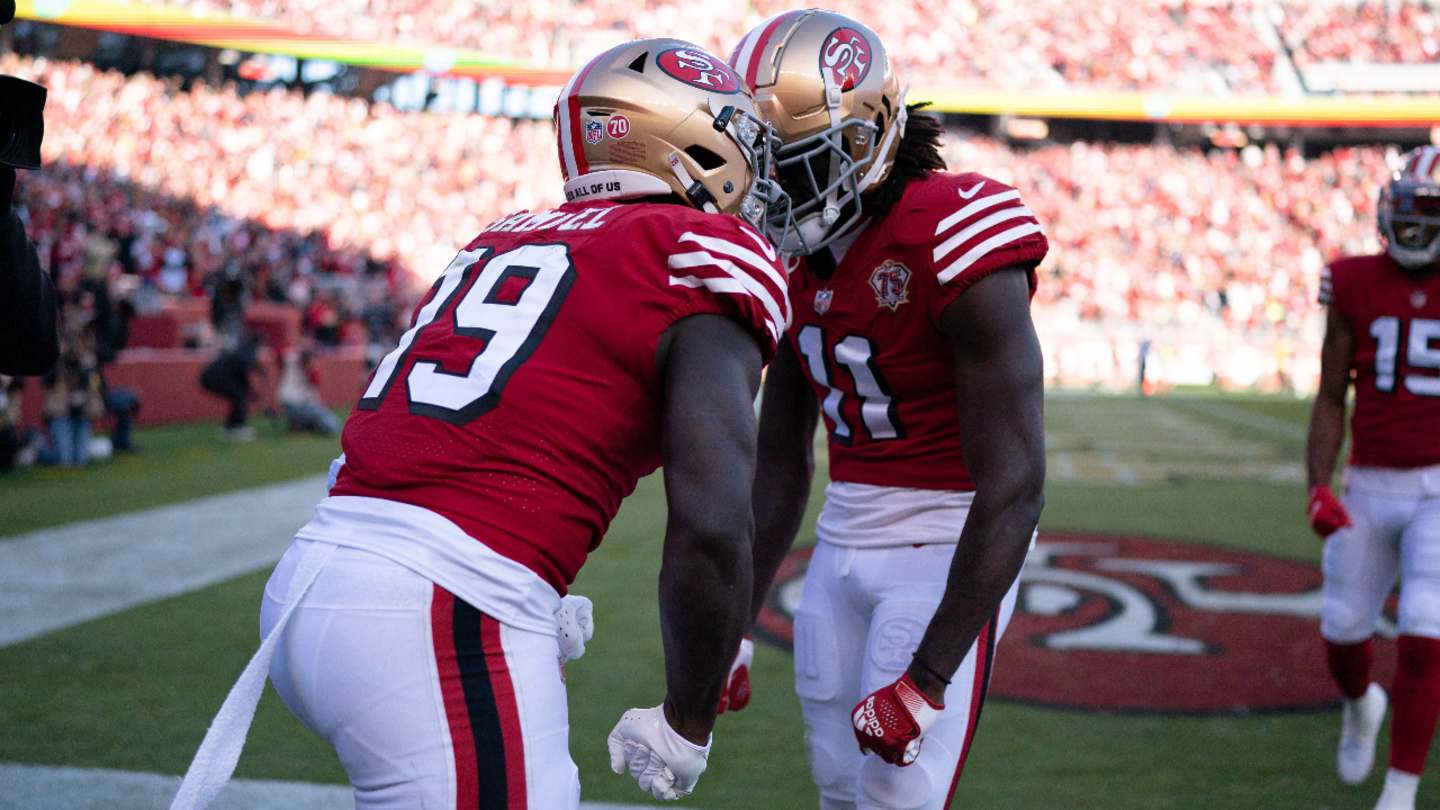
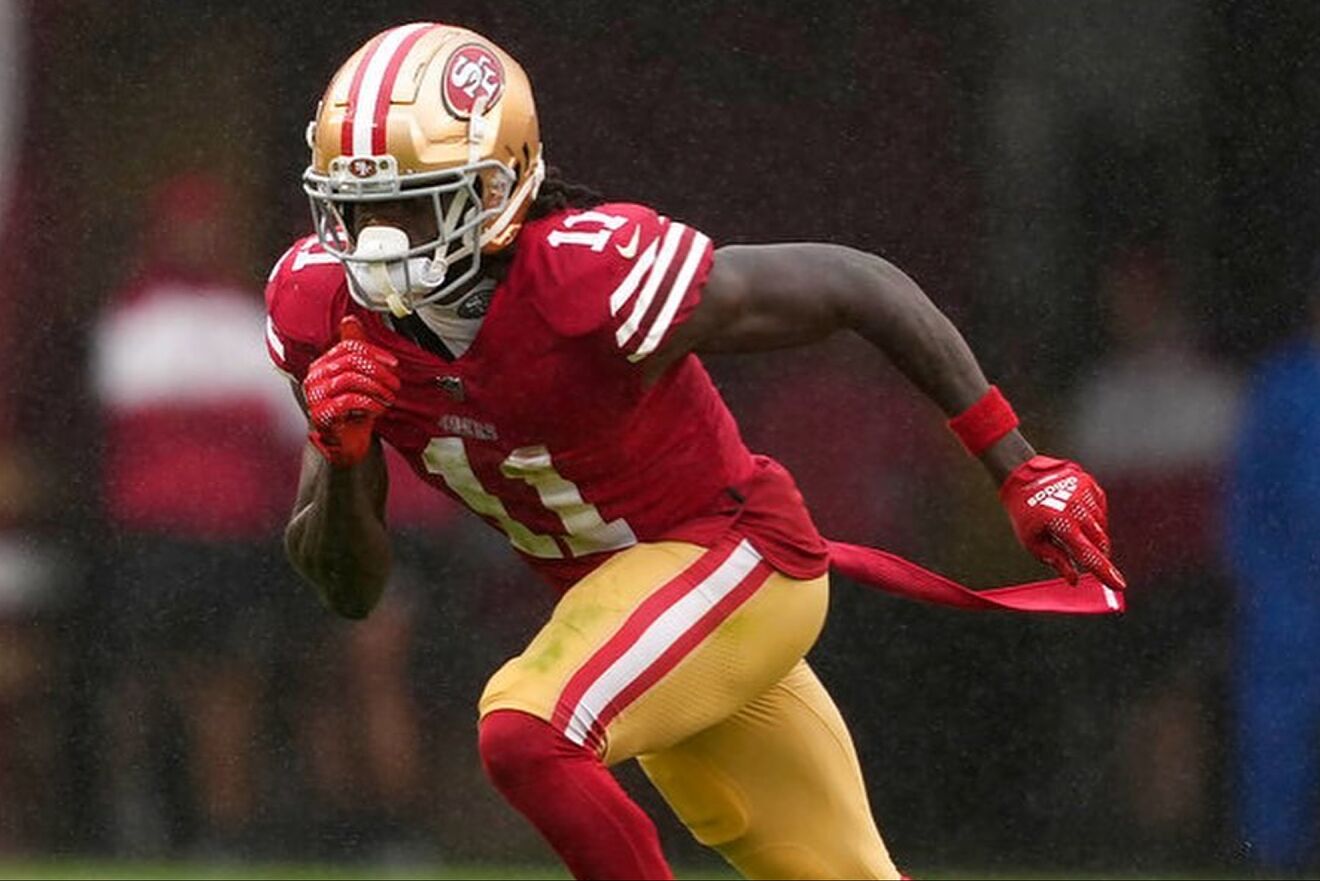
As of 2026, the San Francisco 49ers' wide receiver group remains a league-leading unit characterized by high-volume "Yards After Catch" (YAC) and elite perimeter blocking. Led by veterans Brandon Aiyuk and Deebo Samuel, the unit integrates young talent like Ricky Pearsall to maintain offensive versatility under Kyle Shanahan’s complex, positionless scheme.
The Evolution of the 49ers Receiver in the Shanahan Era
The San Francisco 49ers have redefined the traditional role of the wide receiver under head coach Kyle Shanahan. In this system, a "49ers receiver" is not merely a pass-catcher; they are an integral component of the league's most sophisticated rushing attack. To play receiver for San Francisco, an athlete must possess a rare combination of route-running precision, physical strength for run-blocking, and explosive acceleration after the catch.
By 2026, the identity of this unit has solidified around the concept of "positionless football." This philosophy dictates that players like Deebo Samuel can align as a traditional "X" receiver, a slot "Z," or even as a primary ball carrier in the backfield. This versatility forces opposing defenses into constant personnel mismatches, as they cannot simply rely on nickel or dime packages to counter the 49ers' speed when those same receivers are capable of pinning defensive ends on outside zone runs.
Primary Starters and Personnel Profiles in 2026
The 2026 roster reflects a strategic blend of seasoned veterans and high-ceiling developmental talent. The front office has prioritized retaining homegrown stars while integrating first-round talent to manage the salary cap implications of a high-powered offense.
Brandon Aiyuk: The Technical Anchor
Brandon Aiyuk has evolved into one of the NFL's premier route runners. Following his major contract extension in late 2024, Aiyuk has served as the 49ers' primary "X" receiver. His ability to create separation at the line of scrimmage using elite release techniques makes him the favorite target for quarterback Brock Purdy during critical third-down situations. In the 2026 season, Aiyuk continues to lead the team in targets and air yards, providing the vertical threat that opens up the middle of the field for the team's shorter passing concepts.
Deebo Samuel: The Dual-Threat Veteran
Deebo Samuel remains the most unique weapon in the 49ers' arsenal. Known as a "wide back," Samuel’s role in 2026 continues to emphasize his physicality. While he has aged into the veteran stage of his career, his vision in the open field and ability to break tackles remain elite. The 49ers utilize Samuel to stress the edges of the defense, using him in jet sweeps and bubble screens that essentially serve as an extension of the run game.
Ricky Pearsall: The Ascendant Playmaker
Drafted in the first round of the 2024 NFL Draft, Ricky Pearsall has reached his professional prime by 2026. Pearsall provides the 49ers with a "Z" receiver who excels in the intermediate area of the field. His sure hands and high-pointing ability complement Aiyuk’s speed and Samuel’s power. Pearsall’s development has been crucial for the team, allowing the offense to remain explosive even when defenses bracket the primary stars.
Jauan Jennings: The Physical Specialist
Often referred to as "Third and Jauan," Jauan Jennings occupies a vital niche as the league's best-blocking wide receiver and a reliable possession target. His value transcends traditional box scores; his ability to convert difficult catches in traffic and neutralize linebackers in the run game makes him an unsung hero of the Shanahan system.
Technical Requirements for the 49ers Receiver Position
The scouting department for the San Francisco 49ers looks for specific metrics and traits that differ from many other NFL franchises. A "49ers receiver" is evaluated based on three primary technical pillars:
- Mandatory Blocking Proficiency: Unlike many systems that allow receivers to "rest" during run plays, Shanahan requires receivers to engage in high-effort blocking. Failure to sustain blocks on the perimeter often results in reduced playing time, regardless of a player's catching ability.
- Yards After Catch (YAC) Archetype: The 49ers prioritize players with "running back vision." The goal is to catch the ball in stride and maximize yardage through contact or agility. This is why the team often leads the league in YAC per reception.
- Versatile Alignment: Players must be "smart" enough to learn multiple positions. A receiver may need to know the assignments for the flanker, split end, and slot positions interchangeably to facilitate the 49ers' frequent pre-snap motions.
Comparing Key Contributors (2026 Status)
| Player | Primary Role | Key Strength | Impact Metric |
|---|---|---|---|
| Brandon Aiyuk | X-Receiver (Split End) | Route Precision | High Success Rate vs. Press |
| Deebo Samuel | Wide Back / Flanker | Contact Balance | Leading YAC per Touch |
| Ricky Pearsall | Z-Receiver / Slot | Catch Radius | Highest Contested Catch % |
| Jauan Jennings | Possession / Slot | Perimeter Blocking | 3rd Down Conversion Rate |
Historical Legacy of the Position
To understand the current state of the 49ers receiver, one must acknowledge the franchise's storied history at the position. San Francisco is widely considered "Wide Receiver U" due to the legends who have donned the red and gold.
- Jerry Rice: The undisputed greatest wide receiver in NFL history. Rice set the standard for work ethic and route running in San Francisco, winning three Super Bowls and establishing every major receiving record.
- Dwight Clark: Famous for "The Catch" in the 1981 NFC Championship, Clark defined the early Bill Walsh era and the birth of the West Coast Offense.
- Terrell Owens: A physical specimen who dominated the late 1990s and early 2000s, Owens brought a level of intensity and production that bridged the gap between the Rice era and the modern day.
The current 2026 group draws inspiration from this lineage, blending the technical mastery of Rice with the physicality of Owens. The 49ers' commitment to the receiver position is a central tenet of their organizational philosophy, ensuring that the team is always equipped with elite perimeter playmakers.
Salary Cap and Roster Management in 2026
Managing a premier receiving corps in 2026 presents significant financial challenges. With the escalating market for wide receivers, the 49ers' front office has had to be disciplined. The 2025 extension of Brock Purdy necessitated a careful balancing act with the contracts of Aiyuk and Samuel.
By 2026, the team has increasingly relied on rookie-scale contracts for depth, drafting heavily for the position in middle rounds to ensure a pipeline of talent. This "churn" at the bottom of the roster allows them to afford the "Big Three" (Aiyuk, Samuel, and Pearsall) while maintaining a competitive defense. The 49ers currently utilize a "void year" structure on several veteran contracts to spread the cap hit, a common practice for teams in their championship window.
Common Challenges in the 49ers Receiver Room
- Injury Management: Given the physical nature of their roles, 49ers receivers often face high attrition rates. The team frequently employs a deep rotation to preserve players for the postseason.
- Target Distribution: With multiple Pro Bowl-caliber players on the field, including tight end George Kittle and running back Christian McCaffrey, receivers must be selfless. High-level receivers in this system often see fewer targets than they might in more pass-heavy offenses.
Why Route Running Matters More Than Speed
While "track speed" is a bonus, the 49ers prioritize "football speed" and deceleration. The ability to stop on a dime and change direction is what allows Aiyuk and Pearsall to thrive in Shanahan's timing-based offense. In 2026, the use of GPS tracking data has allowed the 49ers to refine their practice schedules, ensuring that receivers' "burst" metrics are optimized for game day.
How to Evaluate a 49ers Receiver's Performance
When analyzing a 49ers receiver, look beyond the yardage totals. Key performance indicators (KPIs) for this specific team include:
- Success Rate on Choice Routes: How often the receiver makes the correct read against zone coverage.
- Blown Block Percentage: How often a missed block led to a stuffed run play.
- YAC Above Expectation: A metric that measures how many yards a receiver gained compared to the league average for that specific catch point.
The Role of Rookie Free Agents
Every year, the 49ers find "diamonds in the rough" during the undrafted free agent (UDFA) process. These players often contribute on special teams before earning a spot in the receiver rotation. The 2026 roster includes at least two such players who provide essential depth and special teams value, maintaining the team's "next man up" mentality.
49ers Receiver FAQs
Who is the highest-paid wide receiver on the 49ers in 2026?
Brandon Aiyuk currently holds the highest average annual value (AAV) among the 49ers' receiving corps following his multi-year extension. This reflects his role as the team's primary vertical threat and his consistency as a top-ten receiver in the league.
How does the 49ers' receiver usage differ from other NFL teams?
The 49ers use their receivers as blockers more frequently than any other team. Additionally, they lead the league in "pre-snap motion," which involves moving receivers across the formation to identify defensive coverages and create favorable angles for the run game.
Can Ricky Pearsall play in the slot and on the outside?
Yes, Pearsall's versatility was a primary reason for his first-round selection. In 2026, he frequently rotates between the slot, where he uses his quickness to beat linebackers, and the outside, where his catch radius allows him to win "50/50" balls.
Is Deebo Samuel still used as a running back in 2026?
While his total number of carries has been slightly reduced to preserve his longevity, Samuel remains a significant threat in the backfield. He is primarily used as a "change of pace" option and in "Pony" personnel packages where he shares the backfield with another running back.
What happened to the 49ers' deep-threat receivers?
In the Shanahan system, deep threats are often used as "clear-out" runners to open up underneath routes. While Aiyuk provides a vertical presence, the 49ers prioritize intermediate efficiency and YAC over low-percentage deep bombs.
Who is the best blocker in the 49ers' receiver room?
Historically and currently, Jauan Jennings is recognized as the elite blocker of the group. His size and aggressive temperament allow him to effectively neutralize larger defenders, which is critical for the success of the team's outside zone rushing plays.
Monitoring Roster Depth and Future Acquisitions
For fans and analysts looking to follow the development of the 49ers receiver corps, the primary focus should be on the team’s "Target Share" reports and "Snap Counts." In 2026, the 49ers have become more transparent with player load management, often rotating their third and fourth receivers to keep the starters fresh for the fourth quarter.
The next logical step for the 49ers will be addressing the aging curve of Deebo Samuel. While he remains a force in 2026, the front office is likely scouting "Deebo-lite" prospects in the upcoming drafts—players who possess the same bulky frame and contact balance required to sustain the "wide back" role. To stay updated on these developments, monitoring the 49ers' official transaction wire and the weekly injury reports is essential for understanding how the receiver depth chart will shift heading into the postseason.