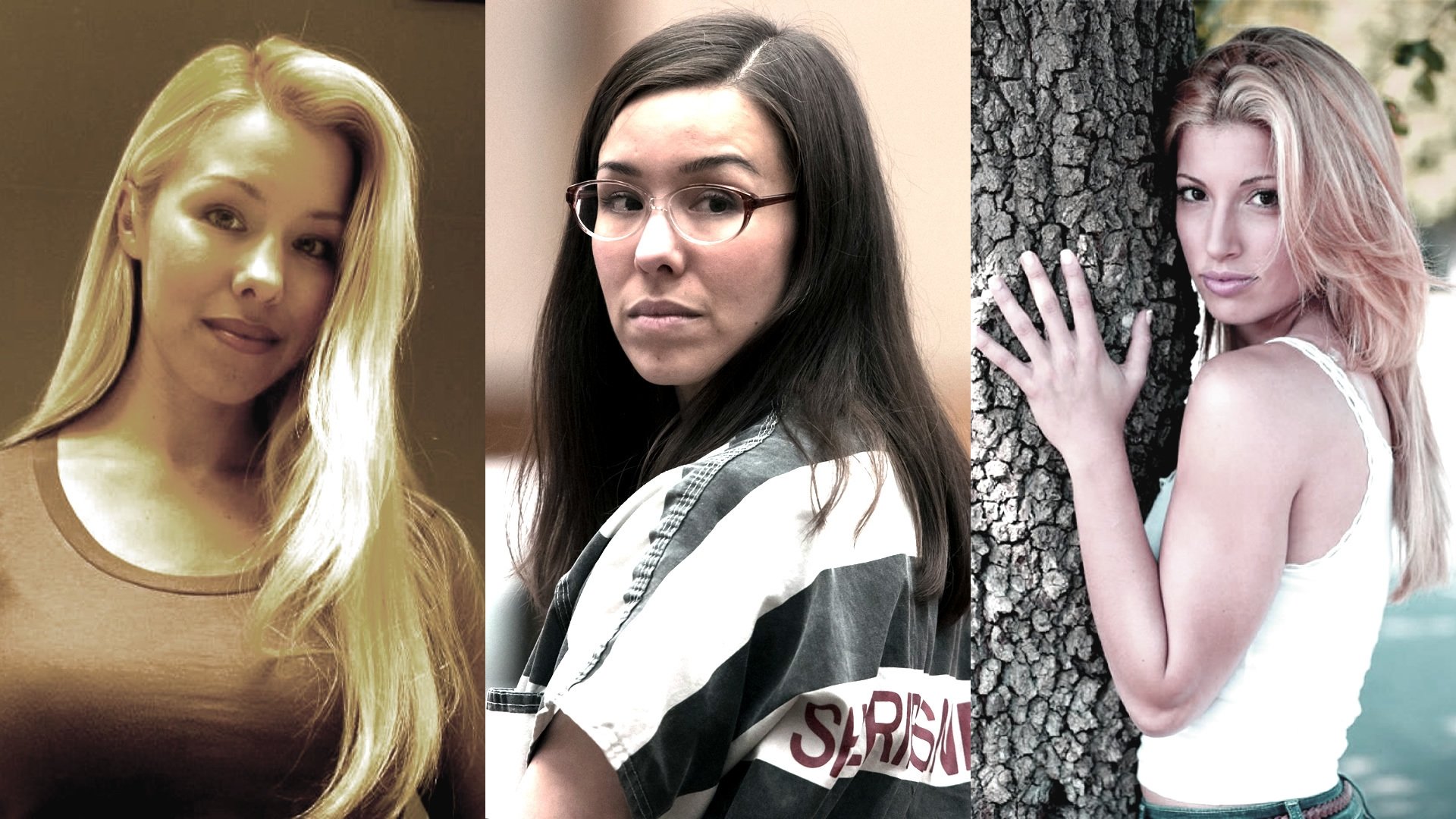
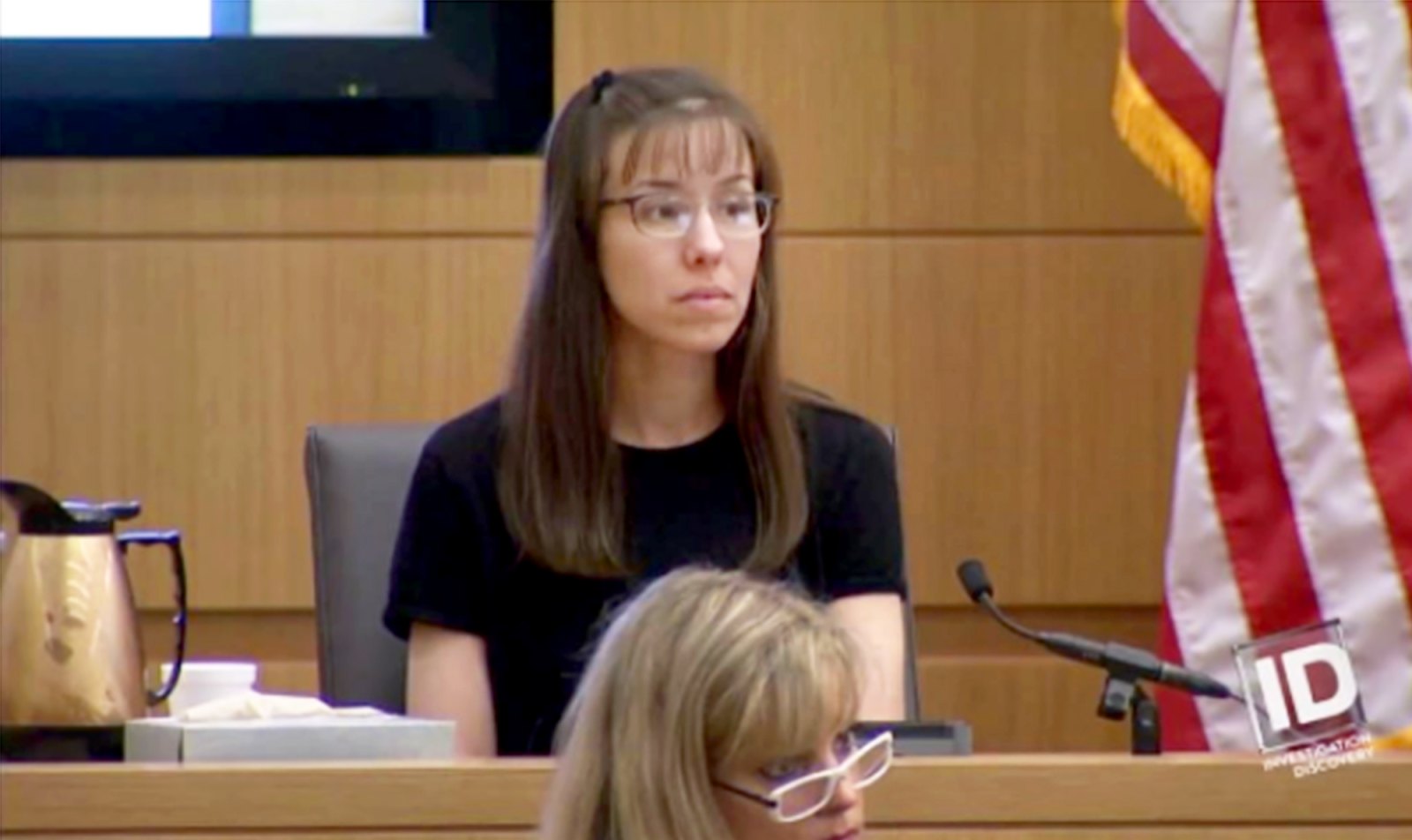
The "shocking truth" uncovered in the investigation of Jodi Arias centers on the forensic recovery of deleted digital photographs and the exposure of a meticulously planned execution disguised as self-defense. While Arias claimed she acted in fear for her life, evidence presented by 48 Hours Mystery and Arizona prosecutors proved she premeditated the 2008 murder of Travis Alexander, leading to her permanent incarceration without the possibility of parole.
The Case That Defined a True Crime Era
The murder of Travis Alexander on June 4, 2008, remains one of the most documented and scrutinized criminal cases in American history. When Alexander's friends found his body in his Mesa, Arizona, home five days after he was killed, the scene was described as a "bloody nightmare." Alexander had been stabbed approximately 27 times, his throat had been slit from ear to ear, and he had been shot in the head.
The investigation quickly pivoted toward his former girlfriend, Jodi Arias. The narrative that emerged was a complex web of obsession, religious conflict, and digital evidence that Arias believed she had destroyed. As of 2026, the case continues to serve as a primary case study for forensic psychologists and digital investigators due to the sheer volume of evidence recovered from the crime scene and the defendant's shifting testimonies.
The Forensic Breakthrough: The Camera in the Washing Machine
The most pivotal "shocking truth" in the Jodi Arias investigation was not found through witness testimony, but through digital forensics. During a secondary search of the crime scene, investigators discovered a Sony Cyber-shot camera inside Alexander's washing machine. It had been run through a cycle with a load of laundry, an obvious attempt by the killer to destroy any photographic evidence.
Forensic experts at the Mesa Police Department were able to recover several deleted images from the camera’s memory card. These photos provided a chilling, minute-by-minute timeline of the afternoon Travis Alexander died. The recovered images showed:
- Intimate photos of Alexander and Arias taken hours before the murder.
- Photographs of Alexander in the shower, moments before the attack began.
- Inadvertent photos taken during the struggle, including a shot of the back of Alexander’s head and the floor, which showed blood patterns.
These photographs destroyed Arias’s initial alibi that she was not even in Mesa on the day of the killing. Faced with this "uncovered truth," Arias changed her story multiple times, eventually landing on a claim of self-defense—a claim that the prosecution would systematically dismantle using physical evidence.
Premeditation vs. Passion: The Evidence of Planning
A major focus of the 48 Hours Mystery coverage was the distinction between a crime of passion and a premeditated execution. To secure a first-degree murder conviction, the prosecution had to prove that Arias had planned the killing in advance. Several key pieces of evidence supported this conclusion:
The Gas Can Strategy
Perhaps the most damning evidence of premeditation was Arias's purchase of three five-gallon gas cans before her trip from California to Arizona. By filling these cans in California, she avoided leaving a digital or paper trail of gas station receipts in Mesa or surrounding areas. This suggested she was attempting to obscure her movements and hide the fact that she had ever entered Arizona.
The Stolen Firearm
Days before the murder, a .25 caliber handgun was reported stolen from Arias's grandparents' home in Yreka, California. Although Arias claimed a "burglary" had occurred, the prosecution argued she had staged the theft to obtain a weapon that could not be traced back to her. A .25 caliber bullet was later found in Travis Alexander's skull.
The Manifestos and Journals
Arias was a prolific writer. Her journals, which were analyzed extensively during the trial, revealed a woman obsessed with Alexander. However, after the murder, her writings shifted. She wrote entries as if she were mourning him from afar, unaware of his death, in a blatant attempt to create a "paper alibi." The discovery of these deceptive entries highlighted a level of calculated manipulation that shocked the jury.
The Media Influence and "48 Hours Mystery"
The role of the media in the Jodi Arias case cannot be overstated. 48 Hours Mystery provided some of the most in-depth coverage, including interviews with Arias herself. In these interviews, Arias often appeared composed and articulate, a stark contrast to the brutal nature of the crime.
In one of the most famous clips in true crime history, Arias told the media, "No jury will ever convict me... because I am innocent." This level of confidence, paired with her changing stories—from being absent, to being attacked by masked intruders, to finally claiming self-defense—created a national obsession. The "shocking truth" was not just about the murder itself, but about the personality of the woman who committed it.
Key Evidence and Legal Milestones
The following table summarizes the critical evidence that led to the uncovering of the truth in the Jodi Arias case and the resulting legal outcomes.
| Evidence Category | Findings and Impact | Legal Significance |
|---|---|---|
| Digital Forensics | Recovered photos from a Sony Cyber-shot found in a washing machine. | Proved Arias's presence at the scene and documented the murder timeline. |
| Physical Evidence | Bloody palm print found on the wall of the hallway. | DNA match confirmed Arias was present and bleeding during the struggle. |
| Logistics | Three gas cans purchased in California to avoid Arizona receipts. | Established premeditation and intent to hide travel. |
| Witness Testimony | Experts diagnosed Arias with Borderline Personality Disorder (BPD). | Provided context for her obsessive behavior and volatility. |
| Sentencing | After two hung juries on the death penalty, she was sentenced to life. | Finality for the Alexander family; no possibility of release. |
The Psychological Profile: Obsession and Personality
During the trial, the psychological state of Jodi Arias became a central theme. Defense experts argued she suffered from Post-Traumatic Stress Disorder (PTSD) and was a victim of domestic abuse. However, the prosecution's experts, including Dr. Janeen DeMarte, testified that Arias did not show signs of PTSD or being a "battered woman." Instead, she was diagnosed with Borderline Personality Disorder.
This diagnosis helped explain the "shocking" nature of her actions. Individuals with this disorder can experience intense fears of abandonment and may react with extreme anger or violence when they feel a relationship is ending. For Travis Alexander, who was attempting to distance himself from Arias and move on to a new relationship, this dynamic proved fatal. The prosecution argued that if Arias couldn't have him, she was determined that no one else would.
Current Status in 2026: The Finality of the Verdict
As of 2026, Jodi Arias remains incarcerated at the Arizona State Prison Complex – Perryville. Her attempts to appeal the conviction have faced significant hurdles. In 2020, the Arizona Court of Appeals upheld her first-degree murder conviction, stating that while the prosecutor had at times engaged in misconduct, the overwhelming evidence against her meant that a different verdict was unlikely.
Life for Arias in 2026 is defined by the rigid structure of a maximum-security facility. She has reportedly spent time in the Lumley Unit, which houses some of the state's most high-profile female inmates. While she has attempted to maintain a public presence through supporters on social media, her legal options have largely been exhausted. For the family of Travis Alexander, the conclusion of the legal battles has brought a semblance of peace, though the brutality of the "shocking truth" uncovered in 2008 remains a permanent scar.
Common Questions Regarding the Jodi Arias Investigation
Did Jodi Arias ever admit to the murder?
Arias eventually admitted to killing Travis Alexander but maintained that it was an act of self-defense. She claimed he became violent after she dropped his camera, forcing her to defend herself with a knife and a gun she found in his closet. The physical evidence, including the 27 stab wounds and the slit throat, was widely considered inconsistent with a single act of self-defense.
What was the most "shocking" piece of evidence?
Most legal analysts and investigators agree that the digital photographs recovered from the washing machine were the most shocking and decisive evidence. Without those images, the prosecution would have lacked a definitive timeline and proof that Arias was in the home at the exact time of the murder.
Why was she not sentenced to death?
While Arias was convicted of first-degree murder, two separate juries were unable to reach a unanimous decision on the death penalty. Under Arizona law at the time, if a jury could not agree on the death penalty, the judge would then sentence the defendant to either life in prison or life with the possibility of parole after 25 years. The judge chose life without the possibility of parole.
Is there any chance of her being released?
As of 2026, there is no legal avenue for her release. She was sentenced to "Natural Life," which in the state of Arizona means she will remain in prison until her death. Her appeals have been systematically denied by the higher courts.
Where can I watch the 48 Hours Mystery episodes on this case?
Most archived episodes of 48 Hours Mystery, including "Picture Perfect" and "Jodi Arias: The Evidence," are available through the CBS News website, Paramount+, or official true crime streaming platforms. These episodes provide original interviews and crime scene footage that were instrumental in the public's understanding of the case.
Accessing Official Records and Evidence
For those researching the technical and legal aspects of the Jodi Arias case, official records provide the most accurate "uncovered truth." While media summaries are helpful, the raw data from the Maricopa County Superior Court and the Arizona Department of Corrections offers a deeper look at the proceedings.
If you are interested in forensic science or criminal law, consider reviewing the following:
- The Trial Transcripts: Available through Maricopa County's public records, these detail the expert testimony regarding the digital camera recovery.
- Appellate Court Rulings: The 2020 ruling provides a comprehensive summary of the evidence and the legal justification for upholding the life sentence.
- Arizona Department of Corrections Inmate Datase: This provides the current status and location of Arias, confirming her ongoing incarceration in 2026.
By focusing on verified evidence rather than the sensationalized aspects of the "media circus," researchers can understand how digital forensics and a thorough investigation eventually brought the truth to light in a case that seemed designed to stay hidden.