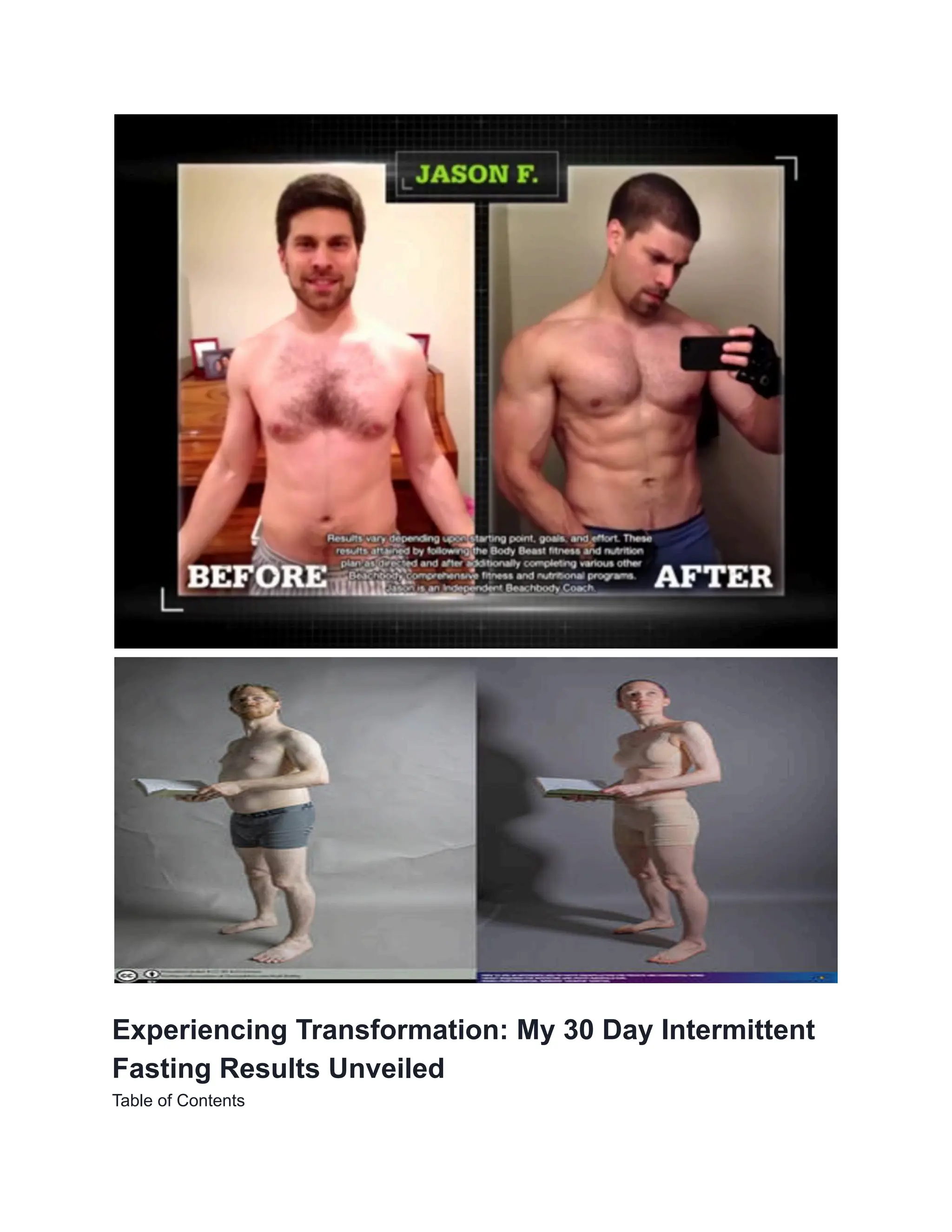
A 40-day fast typically results in significant weight loss (averaging 20 to 40 pounds), deep cellular autophagy, and a profound shift in metabolic flexibility. Achieving these results safely requires a structured plan that prioritizes medical supervision, precise electrolyte supplementation, and a gradual refeeding protocol to prevent life-threatening complications like refeeding syndrome.
Understanding the 40-Day Fast: Science and Philosophy
A 40-day fast is one of the most extreme interventions a human can undertake for health, spiritual, or psychological reasons. Historically rooted in ancient traditions and religious observances, the 40-day duration is often viewed as the "gold standard" for a total systemic reset. In 2026, clinical interest in prolonged fasting has surged as more data emerges regarding its impact on chronic inflammation and longevity markers.
Physiologically, a 40-day fast (specifically a water-only fast) forces the body to transition from exogenous energy sources to endogenous ones. This means the body must survive entirely on its stored fat reserves and cellular recycling processes. This is not merely "starvation"; it is a highly regulated biological state known as "adaptive ketosis." During this period, the body undergoes a series of metabolic shifts that prioritize brain function and muscle preservation while scavenging damaged proteins and organelles for energy.
Before embarking on such a journey, it is critical to distinguish between different types of fasting. While some people opt for the "Daniel Fast" (a partial fast involving only vegetables and water), most seeking "40-day results" are referring to water fasting. This path is high-stakes and requires a level of preparation that far exceeds a standard three-day or intermittent fasting routine.
Metabolic Phases: What Happens to Your Body
The transformation that occurs over 40 days is not linear; it happens in distinct metabolic stages. Understanding these phases is essential for managing expectations and staying committed when the initial "hunger wall" hits.
The Transition Phase (Days 1–3)
During the first 72 hours, your body exhausts its glycogen stores in the liver and muscles. As blood glucose drops, insulin levels plummet, signaling the body to begin breaking down fat into fatty acids and ketones. This phase is often the most difficult, as the brain has not yet fully adapted to using ketones, leading to "keto flu" symptoms such as headaches, irritability, and intense hunger.
The Keto-Adaptation Phase (Days 4–10)
By the end of the first week, the body enters deep ketosis. The brain begins to derive up to 70% of its energy from beta-hydroxybutyrate (BHB). Most practitioners report a "lifting of the fog" around day five or six. Hunger often vanishes during this stage because ghrelin (the hunger hormone) levels stabilize at a lower baseline. This is where the physical transformation begins to accelerate, as the body becomes efficient at mobilizing adipose tissue.
Deep Autophagy and Healing (Days 11–40)
The latter two-thirds of the fast are characterized by intense autophagy, the body’s internal recycling system. Autophagy peaks during prolonged fasting, as the body seeks out redundant or damaged cells to break down for parts. In 2026, research continues to suggest that this deep cellular cleaning may reduce biomarkers associated with aging and autoimmune conditions. During this extended period, weight loss continues, though the rate typically slows as the metabolic rate adjusts to the lack of caloric intake.
Physical and Mental Results: The Transformation Reality
The results of a 40-day fast are often described as "life-altering," but they vary based on starting weight, body composition, and metabolic health. It is important to look at both the visible and invisible changes that occur during this timeframe.
- Significant Weight Loss: While water weight accounts for the first 5–10 pounds, true fat loss is substantial. On average, a person may lose 0.5 to 0.8 pounds of fat per day once fully keto-adapted. By day 40, a total weight loss of 25 to 45 pounds is common for those starting with a higher BMI.
- Skin Clarity and Elasticity: Many practitioners report a "fasting glow." This is attributed to the reduction in systemic inflammation and the acceleration of skin cell turnover through autophagy.
- Mental and Spiritual Clarity: Beyond the physical, the 40-day fast is famous for its psychological impact. The absence of the constant "hunger-reward" cycle often leads to heightened focus and a sense of emotional detachment from food, which many use as a catalyst for breaking lifelong addictions or bad habits.
- Blood Marker Optimization: For those with metabolic syndrome, 40 days of fasting can drastically lower HbA1c levels, triglycerides, and resting heart rate. However, these markers must be monitored by a professional to ensure they do not drop into dangerous territories.
The Ultimate 40-Day Fasting Plan
Success in a 40-day fast is determined 80% by the preparation and the refeeding, and only 20% by the fast itself. Attempting to "white-knuckle" your way through 40 days without a plan is a recipe for medical emergency.
Step 1: The Medical Clearance
Before Day 1, you must obtain a full blood panel. In 2026, clinical guidelines recommend checking electrolytes, kidney function (creatinine/BUN), and cardiac health. Individuals with Type 1 diabetes, eating disorders, or pregnancy are strictly excluded from this protocol.
Step 2: The "Lead-In" Week
Do not jump from a high-carb diet straight into a 40-day fast. Spend 7 days tapering down.
- Days 1–3: Eliminate processed sugars and caffeine.
- Days 4–7: Move to a strict ketogenic diet (high fat, low carb) to begin the process of fat adaptation before the fast officially starts.
Step 3: Electrolyte Management
You cannot survive a 40-day water fast on plain water alone. The "flushing" effect of fasting removes sodium, potassium, and magnesium, which are vital for heart rhythm and nerve function. A specialized "snake juice" or electrolyte powder (sugar-free) is mandatory. Aim for daily targets of approximately 3,000–5,000mg of sodium, 2,000mg of potassium, and 400mg of magnesium, diluted in your daily water intake.
Step 4: Monitoring and Safety
In 2026, many practitioners use continuous glucose monitors (CGMs) or smart rings to track vitals. If your heart rate spikes significantly or your blood glucose drops below 50 mg/dL while you feel symptomatic (dizziness, fainting), you must break the fast immediately.
| Phase | Duration | Primary Focus | Potential Challenges |
|---|---|---|---|
| Preparation | 7 Days | Keto-adaptation & Electrolyte Loading | Sugar cravings, caffeine withdrawal |
| Early Fast | Days 1–10 | Overcoming the Hunger Wall | Headaches, fatigue, social pressure |
| Mid Fast | Days 11–30 | Deep Autophagy & Mental Clarity | Boredom, muscle cramps (if electrolytes low) |
| Late Fast | Days 31–40 | Preservation & Spiritual Reflection | Low energy, cold intolerance |
| Refeeding | 10–14 Days | Safe Reintroduction of Nutrients | Refeeding Syndrome Risk |
The Critical Refeeding Phase: Breaking the Fast Safely
The most dangerous part of a 40-day fast is the moment you stop. Refeeding syndrome occurs when a sudden surge of insulin (caused by eating carbs or large amounts of food) causes a massive shift in electrolytes from the blood into the cells. This can lead to heart failure, seizures, or death.
The Rule of 2:1: For every 2 days you fasted, take 1 day to refeed. For a 40-day fast, your refeeding period should last at least 20 days, but the most critical window is the first 5 days.
- Days 1–2: Bone broth or highly diluted vegetable broth only. Half-cup servings every 4 hours.
- Days 3–4: Add small amounts of fermented foods (sauerkraut, kimchi) and very soft cooked vegetables (zucchini, spinach).
- Days 5–7: Introduce healthy fats like avocado and soft proteins like soft-boiled eggs or white fish.
- Days 8+: Gradually increase volume. Avoid all processed sugars, grains, and heavy starches for at least two weeks.
Common Pitfalls and Troubleshooting
Even with the best plan, 40 days is an immense challenge for the human body. Being aware of potential roadblocks can help you stay on track.
- Social Isolation: Food is the center of social interaction. Be prepared for friends and family to express concern or frustration. Having a clear "why" is essential for social resilience.
- The "Healing Crisis": You may experience skin breakouts or temporary aches as stored toxins (often stored in fat cells) are released into the bloodstream. Stay hydrated to help the kidneys process these metabolites.
- Insomnia: As BHB levels rise, many people find they need significantly less sleep. This is a survival mechanism—the "hunter" instinct to find food. Use the extra time for meditation or light movement.
- Orthostatic Hypotension: Moving too quickly from a sitting to a standing position can cause dizziness due to lower blood pressure. Always stand up slowly.
Frequently Asked Questions
How much weight will I realistically lose on a 40-day fast?
Most people lose between 20 and 40 pounds. The first week accounts for a rapid 5–12 pound drop, which is mostly water and glycogen. After that, fat loss stabilizes at roughly 0.5 to 0.7 pounds per day. Your starting weight and activity level will significantly influence the final number.
Is it safe to exercise during a 40-day water fast?
High-intensity interval training (HIIT) and heavy lifting are not recommended. However, low-intensity movement like walking, restorative yoga, or stretching is highly beneficial for maintaining circulation and preventing muscle stiffness. Listen to your body; if you feel lightheaded, stop immediately.
What are the signs that I should stop the fast early?
You should terminate the fast if you experience persistent vomiting, severe heart palpitations, fainting, dark-colored urine (indicating kidney stress), or extreme abdominal pain. There is no shame in breaking a fast early if your physiology demands it; even a 20-day fast provides immense benefits.
Can I drink coffee or tea during the fast?
Technically, black coffee and plain tea do not break the metabolic state of fasting. However, many find that caffeine on an empty stomach causes jitters or acid reflux. If you choose to include them, do not add milk, cream, or sweeteners.
Will I gain all the weight back immediately?
You will regain 5–8 pounds of water weight almost immediately upon refeeding. This is normal and expected as your cells pull in water to store with new glycogen. Long-term weight maintenance depends entirely on the dietary habits you establish after the refeeding phase is complete.
Sustaining Your Transformation: The Path Forward
The end of a 40-day fast is not the finish line; it is the starting block for a new lifestyle. To prevent the "yo-yo" effect, use the clarity gained during the fast to restructure your relationship with food.
Many people find that transitioning into a permanent intermittent fasting schedule (such as 18:6 or One Meal a Day) helps maintain the metabolic flexibility achieved during the long fast. Additionally, prioritizing a whole-food, nutrient-dense diet in 2026 is easier than ever with the availability of personalized nutrition tracking. Focus on protein-forward meals to rebuild any lost lean muscle mass and continue to monitor your blood markers every six months to track the long-term impact of your 40-day transformation.