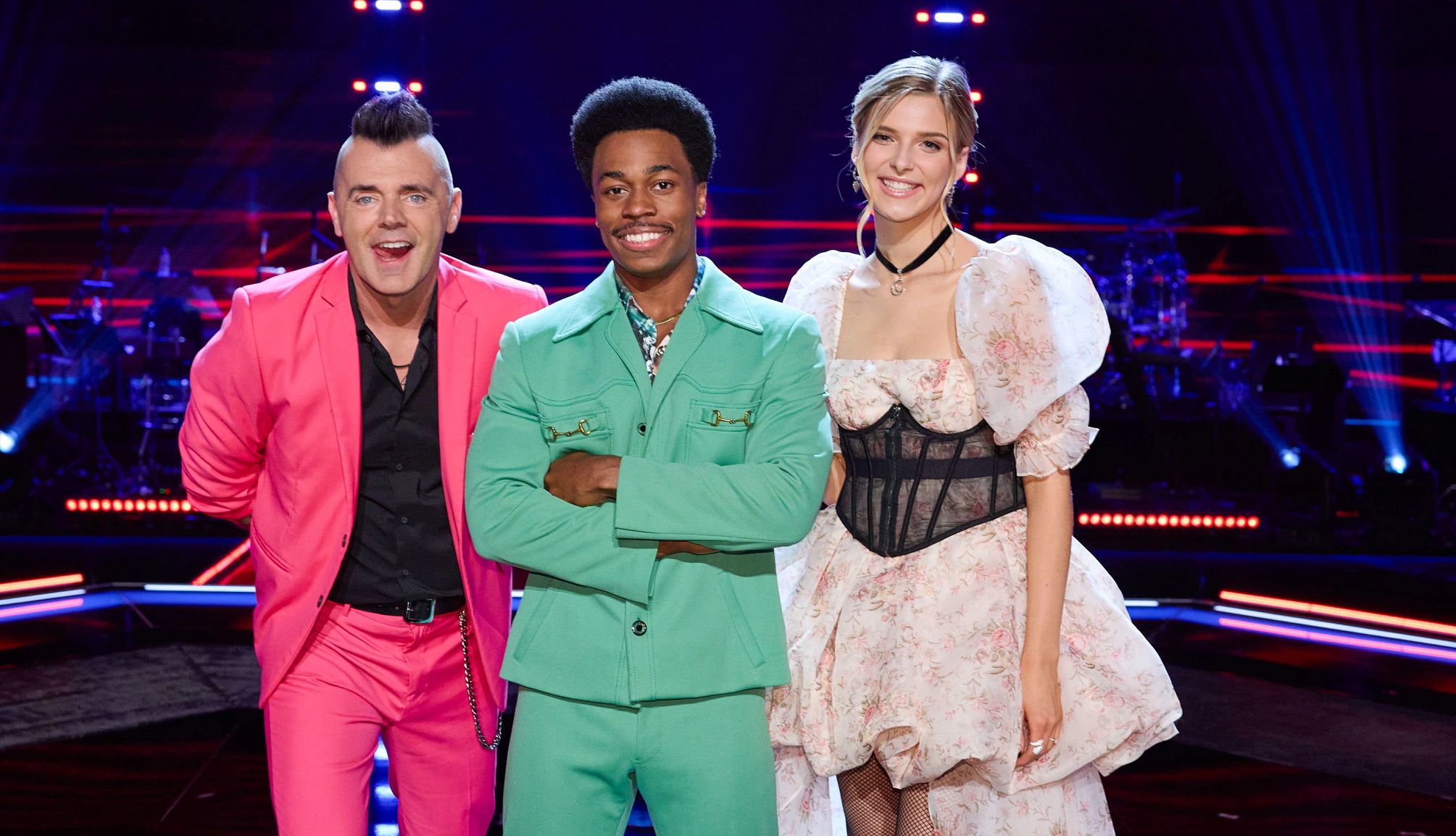
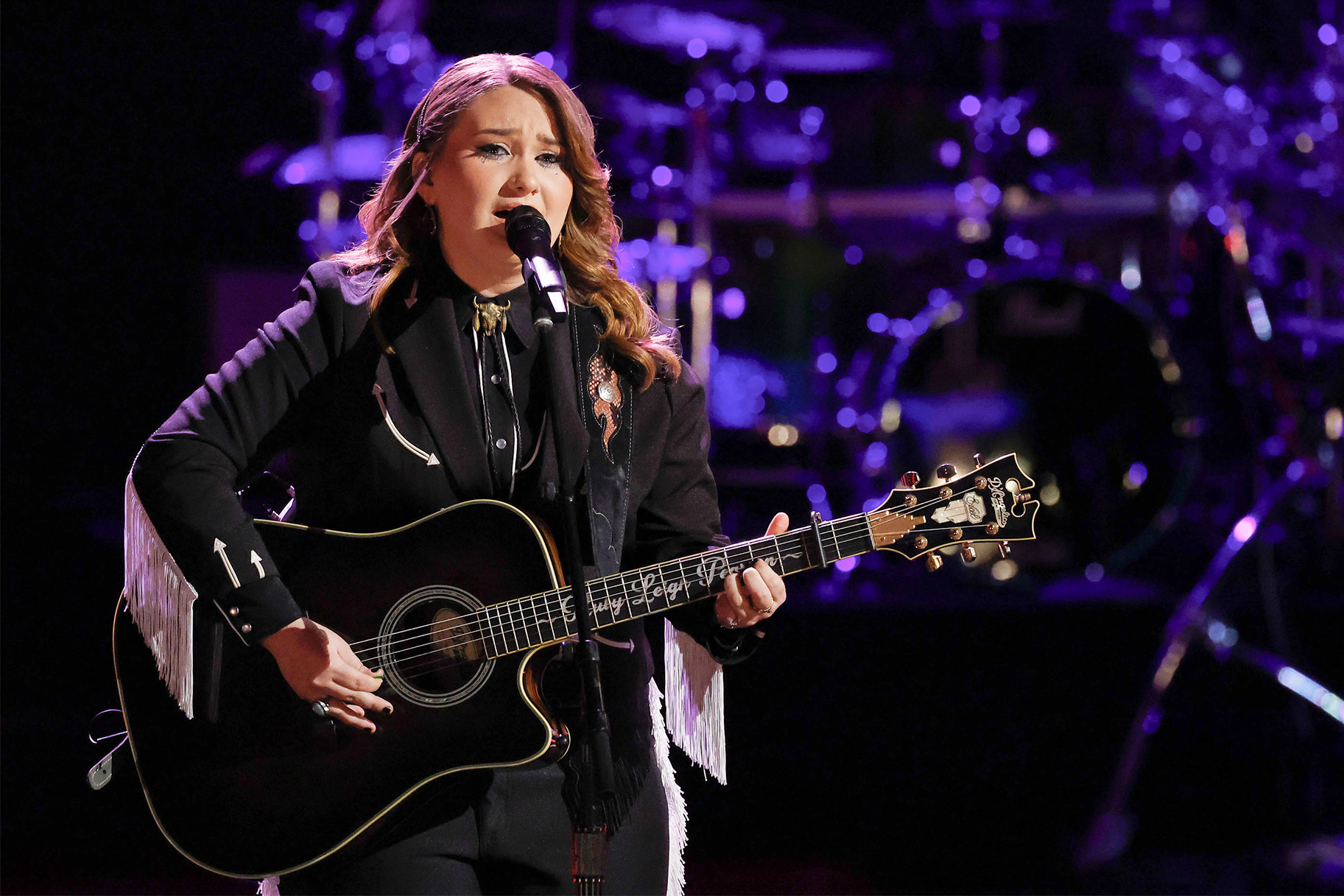
The final four contestants of Season 25 of The Voice—Asher HaVon, Josh Sanders, Bryan Olesen, and Nathan Chester—delivered a series of performances that combined technical vocal mastery with profound emotional storytelling. Asher HaVon ultimately secured the title, but each finalist contributed "powerhouse" moments through hits like "I Will Always Love You" and "Go Rest High on That Mountain," defining the season’s high competitive standard.
The journey to the finale of The Voice is a grueling test of versatility, stamina, and identity. In the most recent cycles leading into 2026, the show has shifted its focus toward "artist identity" over mere vocal gymnastics. However, looking back at the definitive performances of the top four finalists provides a masterclass in how to capture a national audience's vote through strategic song choice and technical execution. These four artists represented a diverse cross-section of genres—gospel-infused soul, contemporary country, stadium rock, and classic R&B—ensuring that the finale was one of the most musically diverse in the franchise's history.
The Evolution of Artistry: How the Final Four Redefined the Competition
To reach the final stage of The Voice, an artist must survive the Blind Auditions, Battle Rounds, Knockouts, and Playoffs. By the time the live shows commence, the field is narrowed to those who possess not only "the voice" but also the "it factor." The Season 25 finalists were unique because each maintained a distinct sonic lane while demonstrating the ability to cross over into mainstream appeal.
The selection of the final four was a reflection of the coaching strategies employed by Reba McEntire, John Legend, and the duo Dan + Shay. While the show technically featured a Top 5 in the grand finale, the "Top 4" finishers—Asher HaVon, Josh Sanders, Bryan Olesen, and Nathan Chester—dominated the conversation regarding vocal technicality and stage presence. Their path to the finale was marked by a steady upward trajectory in "viral" potential, where performances weren't just heard but were shared across social media platforms as definitive versions of classic songs.
Prerequisites for this level of success include high-level breath control, the ability to handle complex arrangements, and, perhaps most importantly, an emotional connection to the lyrics. The finalists of this season excelled by moving beyond imitation, offering arrangements that felt fresh yet respectful to the original compositions.
Asher HaVon: A Masterclass in Vocal Control and Soul
Asher HaVon, coached by the duo Dan + Shay, entered the finale as a frontrunner, largely due to his ability to blend gospel roots with contemporary pop sensibilities. His victory was not just a win for his team but a testament to the power of precision. Throughout the season, HaVon demonstrated a rare ability to maintain pitch perfection while navigating difficult dynamic shifts.
The Defining Performance: "I Will Always Love You"
While many singers avoid Dolly Parton’s (and subsequently Whitney Houston’s) "I Will Always Love You" due to its immense technical difficulty, HaVon used it as his crowning achievement. His performance was characterized by:
- Controlled Melisma: Unlike many contestants who over-sing, HaVon used vocal runs sparingly, ensuring they served the melody rather than distracting from it.
- Dynamic Range: He moved seamlessly from a delicate, breathy head voice in the opening verses to a powerful, resonant chest voice in the final chorus.
- Emotional Restraint: By holding back the full power of his voice until the final third of the song, he created a narrative arc that mirrored the song's lyrical journey of heartbreak and resolve.
HaVon’s success lay in his "tessitura"—the range in which his voice sounded most natural and comfortable. By staying within his "power zone" for the majority of the season, he avoided the vocal fatigue that often plagues finalists.
Josh Sanders: Authenticity in Modern Country
Representing Team Reba, Josh Sanders provided the season with its "heart." As a country artist, Sanders had the difficult task of standing out in a genre that is frequently represented on The Voice. He achieved this by leaning into the "Storyteller" aspect of country music, focusing on grit and sincerity rather than just high notes.
The Defining Performance: "Go Rest High on That Mountain"
In the finale, Sanders delivered a rendition of Vince Gill’s "Go Rest High on That Mountain" that resonated deeply with the voting block of middle America. Technically, this performance was a success because of Sanders' vocal texture. His slight rasp added a layer of lived-in experience to the lyrics, making the performance feel authentic.
From a technical SEO and viewership perspective, Sanders’ performances often saw the highest "re-watch" rates. This is attributed to his ability to connect with the camera, a skill often overlooked in vocal competitions. He understood that in a televised format, the visual delivery of emotion is just as critical as the auditory one.
Bryan Olesen: Bringing Stadium Rock to the Small Screen
Bryan Olesen, coached by John Legend, brought a level of professional polish to the competition that set him apart. Having previously been a member of the Christian rock band Newsboys, Olesen understood the mechanics of stagecraft. His performances were often the most energetic of the night, utilizing the full stage and interacting with the band in a way that felt like a headline concert rather than a competition segment.
The Defining Performance: "Beautiful Things"
Olesen’s cover of Benson Boone’s "Beautiful Things" was a highlight of the season. The song requires a rapid transition from soft, rhythmic verses to a high-octane, almost screamed chorus. Olesen’s performance was a masterclass in:
- Vocal Compression: He managed to hit the high, gritty notes of the chorus without straining his vocal cords, a sign of professional-grade technique.
- Stage Presence: He utilized the lighting and camera angles to punctuate the song’s most aggressive moments, proving that he was ready for a national tour.
Olesen served as the "rock anchor" for the finale, providing a necessary contrast to the soul and country styles of his competitors.
Nathan Chester: The Revival of Soul and Showmanship
Also on Team Legend, Nathan Chester was the season’s "throwback" artist. He specialized in mid-century soul and R&B, bringing the energy of Otis Redding and Jackie Wilson to the 2020s. Chester was widely regarded as the most consistent performer of the season, never missing a note and always delivering high-concept choreography.
The Defining Performance: "It’s Your Thing"
Chester’s performance of the Isley Brothers' "It’s Your Thing" showcased his impeccable rhythmic timing. Soul music relies heavily on "the pocket"—the ability to sing slightly behind or on the beat to create a groove. Chester’s ability to dance while maintaining stable breath support for long, sustained notes was a feat that few other contestants could replicate.
His presence in the final four ensured that the finale had a high level of "entertainment value." While other finalists focused on emotional ballads, Chester reminded the audience that The Voice is also about the art of the performance.
Comparative Analysis of Finalist Performance Metrics
The following table breaks down the primary vocal strengths and the "viral moment" for each of the top four finalists.
| Finalist | Team | Primary Genre | Technical Strength | Most Powerful Performance |
|---|---|---|---|---|
| Asher HaVon | Dan + Shay | Soul / Gospel | Dynamic Range & Pitch | "I Will Always Love You" |
| Josh Sanders | Reba | Country | Vocal Texture & Sincerity | "Go Rest High on That Mountain" |
| Bryan Olesen | Legend | Rock | Vocal Compression & Energy | "Beautiful Things" |
| Nathan Chester | Legend | Classic R&B | Rhythmic Timing & Stagecraft | "It’s Your Thing" |
The Role of Coaching in Shaping Powerful Performances
The 2025/2026 era of The Voice has emphasized the "mentorship" aspect more than ever. The success of the final four can be directly traced to the song selections made by their coaches.
- Dan + Shay’s Strategy: They focused on "vocal showcases" for Asher HaVon. By picking massive, iconic songs, they dared the audience to find a flaw in his technique. This "high-risk, high-reward" strategy paid off.
- Reba McEntire’s Strategy: Reba played to Josh Sanders' strengths in "emotional storytelling." She frequently steered him toward songs with heavy lyrical weight, knowing that his sincerity would earn him the "loyalty vote."
- John Legend’s Strategy: Legend had the unique challenge of having two artists in the finale (Bryan and Nathan). He differentiated them by leaning into their specific niches: Olesen as the modern rock star and Chester as the vintage soul man. This prevented his two artists from "cannibalizing" each other’s votes.
Frequently Asked Questions
Who won the season featuring these four finalists?
Asher HaVon was crowned the winner of Season 25. His victory marked the first win for coaches Dan + Shay in their debut season. HaVon’s consistent technical excellence and his ability to tackle "untouchable" songs like Whitney Houston classics made him a favorite among both the coaches and the voting public.
How are the finalists selected for the live shows?
The finalists are determined through a combination of "Coach Saves" in the earlier rounds and "Public Votes" during the live playoffs. By the time the finale arrives, the power is entirely in the hands of the viewers, who vote via the official app or website. The top four (or five) are the individuals who have garnered the highest cumulative support from the national audience.
What happened to the 4 finalists after the show ended?
Historically, The Voice finalists often transition into recording careers or touring. For the Season 25 finalists, Asher HaVon has pursued a career in contemporary gospel and soul, while Josh Sanders has become a staple on the country festival circuit. Bryan Olesen returned to his rock roots with new solo material, and Nathan Chester has been active in theatrical and soul revival tours.
Why do some seasons have 4 finalists and others have 5?
The number of finalists is determined by the show’s producers and can change based on the season's format or "Instant Save" results. In Season 25, there were technically five artists in the finale, but the "Top 4" are often highlighted due to the significant gap in voting percentages between the top tier and the fifth-place finisher.
Can the coaches influence the finale performances?
Coaches assist with song selection, arrangement, and rehearsal, but they have no vote in the finale. Their role during the live finale is strictly as mentors and advocates. The "power performances" seen in the finale are the result of weeks of collaboration between the artist, the coach, and the show's musical directors.
Revisiting the Performances: A Guide for Fans
For viewers looking to analyze these performances in 2026, the best approach is to watch the "Live Finale" clips available on official streaming platforms. Pay close attention to the ear monitor usage and the interaction with the live band. Unlike the pre-recorded rounds, the finale is a test of how an artist handles the pressure of a live broadcast with millions of viewers.
If you are a student of vocal music, Asher HaVon’s performances offer a blueprint for "vocal health" and placement, while Nathan Chester’s sets are excellent studies in "syncopation" and "breath management" during movement. Each of these four finalists left a legacy of performance that continues to influence the audition choices of contestants in subsequent seasons.