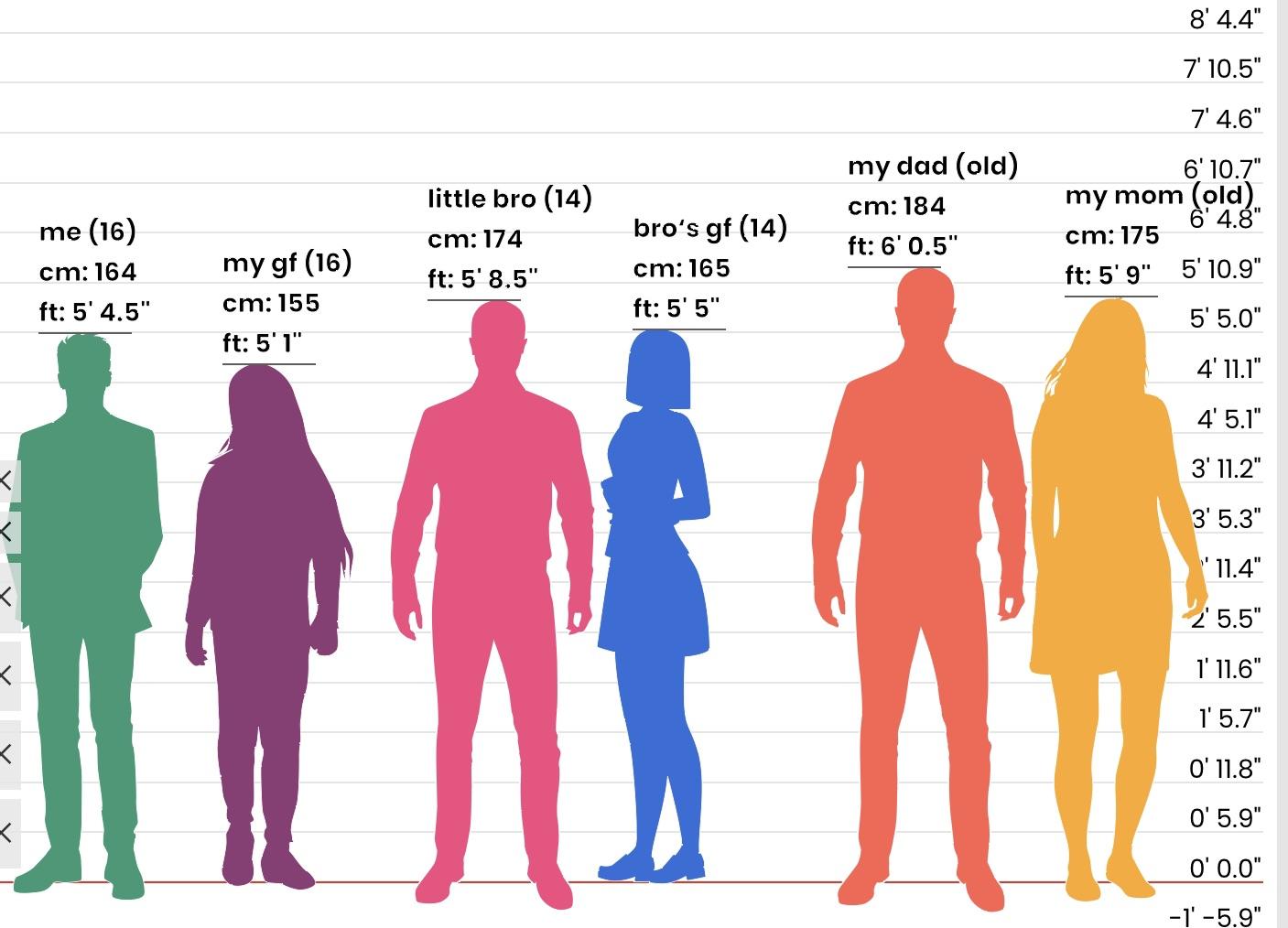
When exploring human statures and visual perceptions of scale, comparing a height of 4 feet 11 inches against 5 feet 11 inches reveals a dramatic twelve-inch span that fundamentally alters proportions, ergonomics, and spatial dynamics. This one-foot variance represents a substantial physiological and visual divide that influences everything from fashion styling and interior architecture to interpersonal interactions and everyday ergonomics.
Understanding Human Height Measurements and Proportions
To comprehend the true impact of a twelve-inch discrepancy, one must first analyze how human heights are measured, standardized, and perceived by the human eye. The imperial measurement system divides feet into twelve inches, meaning the jump from 4 feet 11 inches to 5 feet 11 inches constitutes a full twelve-inch leap. In the metric system, this translates approximately from 150 centimeters to 180 centimeters. This exact transition point bridges the gap between individuals who sit below average global and national height percentiles and those who occupy a significantly taller-than-average bracket.
Proportionally, a full-foot difference alters skeletal length, limb-to-torso ratios, and the center of gravity. Human perception relies heavily on relative scale; when two individuals of these respective heights stand side by side, the disparity becomes immediately striking. The shorter individual's eye level aligns roughly with the chest or shoulder line of the taller person, creating a pronounced vertical offset that changes physical interactions, eye contact dynamics, and spatial presence.
Visualizing the Twelve-Inch Discrepancy in Daily Life
The visual impact of 4'11" versus 5'11" manifests clearly across standard built environments, furniture, and clothing design. Most interior architectural standards, such as doorway heights, kitchen counter levels, and vehicle seating, are engineered for a median population height—typically around 5'4" to 5'9" in many Western regions. Consequently, a person standing at 4 feet 11 inches often interacts with these environments from a lower vantage point, frequently requiring adjustments such as pedal extensions in vehicles or step stools for upper cabinetry.
Conversely, an individual at 5 feet 11 inches approaches the upper threshold of standard architectural clearances. They may occasionally need to duck through older doorways or adjust seating positions for optimal legroom. When these two heights occupy the same space, the contrast highlights the diverse ways humanity navigates standardized infrastructure. The 12-inch gap ensures that everyday objects—from handheld devices to office desks—feel and function differently depending on which side of the divide a person stands.
Ergonomic and Anatomical Implications
Beyond visual aesthetics, the physical realities of inhabiting a 4'11" frame versus a 5'11" frame involve distinct biomechanical considerations. Center of gravity, stride length, and leverage mechanics differ considerably across this span.
| Metric / Aspect | At 4 Feet 11 Inches (Approx. 150 cm) | At 5 Feet 11 Inches (Approx. 180 cm) |
|---|---|---|
| Global/Regional Stature | Below average in most adult populations | Above average in most adult populations |
| Standard Ergonomic Fit | May require adaptations for standard furniture | Generally aligns well with modern ergonomic standards |
| Stride and Gait Mechanics | Shorter stride length; higher step frequency | Longer stride length; lower step frequency |
| Apparel and Tailoring | Frequently requires petite sizing or alterations | Frequently requires tall or long-inseam sizing |
| Center of Gravity | Lower relative center of balance | Higher relative center of balance |
These anatomical differences influence athletic performance, posture maintenance, and susceptibility to certain musculoskeletal strains. For instance, footwear choices, seating posture, and desk ergonomics must be tailored specifically to accommodate either the compact reach of the shorter frame or the extended levers of the taller structure.
Fashion, Styling, and Apparel Adaptations
Clothing design and retail sizing structures are heavily impacted by this twelve-inch height variation. The fashion industry generally builds standard garment blocks around a median height of 5'6". Therefore, navigating the retail market at either extreme requires distinct strategies.
Individuals standing at 4'11" frequently explore the petite section, where shoulder widths, sleeve lengths, torso rises, and hem proportions are scaled down to prevent garments from overwhelming a smaller frame. Vertical striping, monochromatic color blocking, and tailored fits are common styling techniques used to create an elongated silhouette. On the other hand, those at 5'11" must contend with short sleeves, high waistlines, and cropped trouser legs when shopping standard retail racks. They often rely on tall-specific lines that offer extended inseams and longer torsos to ensure proper coverage and comfortable proportions.
Interpersonal Dynamics and Spatial Presence
Height differences significantly influence social perception and non-verbal communication. Cultural conditioning often associates taller statures with physical authority, dominance, or leadership presence, whereas shorter statures may be perceived as more approachable or compact. When a 4'11" individual interacts with a 5'11" person, the physical disparity shapes the angle of conversation, requiring the shorter person to tilt their head upward and the taller person to project downward.
Despite cultural stereotypes, actual capability, confidence, and social presence remain entirely independent of physical stature. Understanding and appreciating these height contrasts helps dismantle superficial biases, fostering greater awareness of bodily diversity in social and professional environments.
Frequently Asked Questions
Is a twelve-inch height difference considered significant?
Yes, a full twelve-inch (one foot) height difference is exceptionally significant. It alters body proportions, clothing sizes, ergonomic requirements, and visual dynamics to a degree that is immediately noticeable in any setting.
How does a height of 4'11" compare to global averages?
A height of 4 feet 11 inches falls below the average adult height for both men and women globally, placing the individual in a shorter percentile category where standard commercial items often require adjustment.
Does 5'11" qualify as tall?
In many Western countries, 5 feet 11 inches is noticeably above average for adult women and slightly above average for adult men, placing the individual well within the taller tier of the general population.
What are the main challenges for individuals at 4'11"?
Primary challenges include reaching high shelves, finding properly proportioned clothing without alterations, and using standard furniture or vehicle controls designed for taller averages.
How do clothing proportions change between these two heights?
The primary changes involve vertical dimensions such as torso length, sleeve length, pant inseams, and overall garment grading, requiring entirely different sizing categories (petite versus tall).
Navigating Stature Diversity in Daily Life
Recognizing the practical and visual realities of the span between 4 feet 11 inches and 5 feet 11 inches underscores the importance of adaptable design and inclusive environments. Whether assessing ergonomic workspace setups, selecting appropriately tailored apparel, or simply understanding human biomechanics, acknowledging these distinct physical dimensions promotes better everyday comfort and spatial awareness. Embracing bodily diversity ensures that infrastructure, fashion, and social spaces continue to evolve to accommodate all statures equitably.