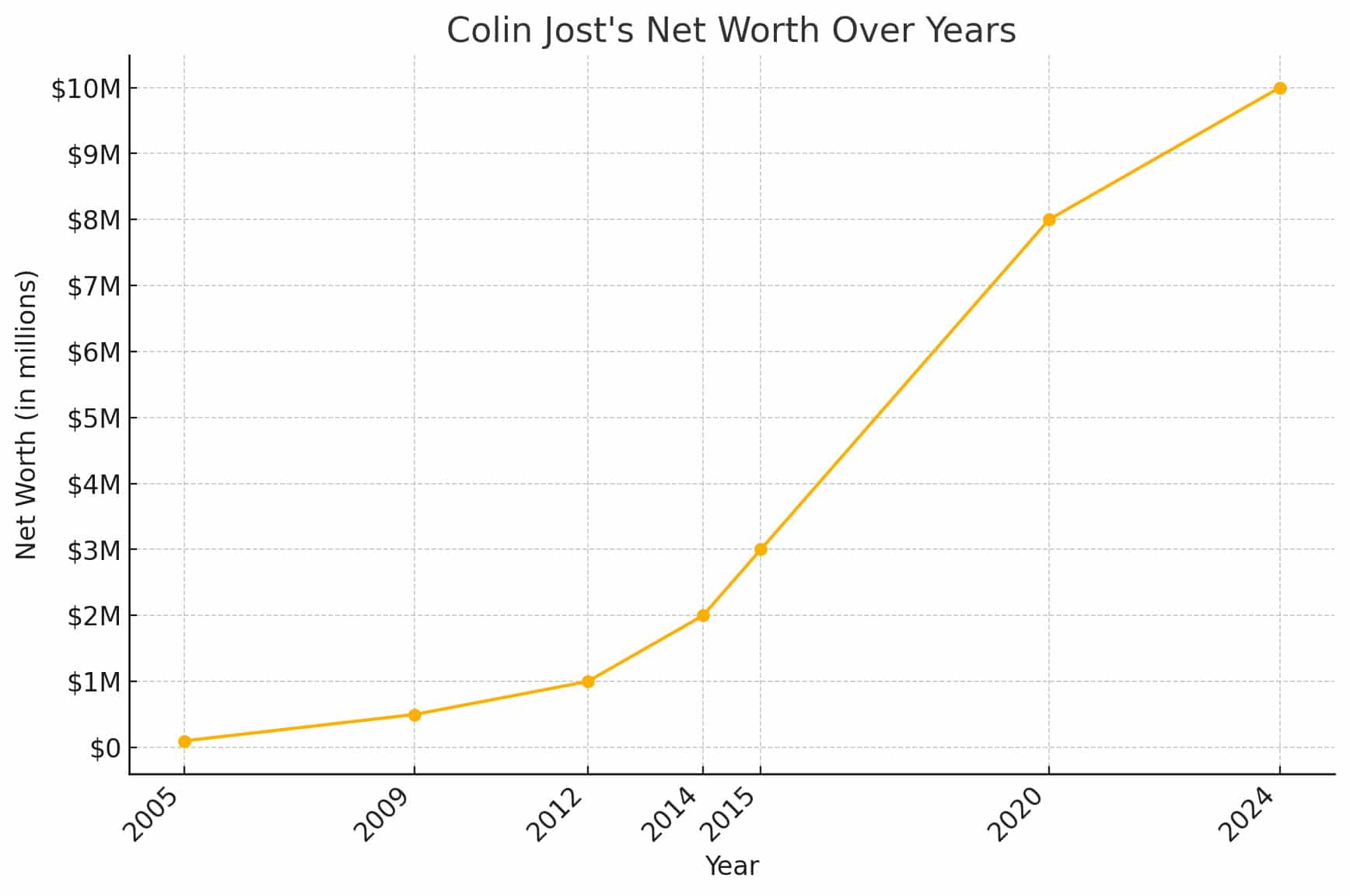
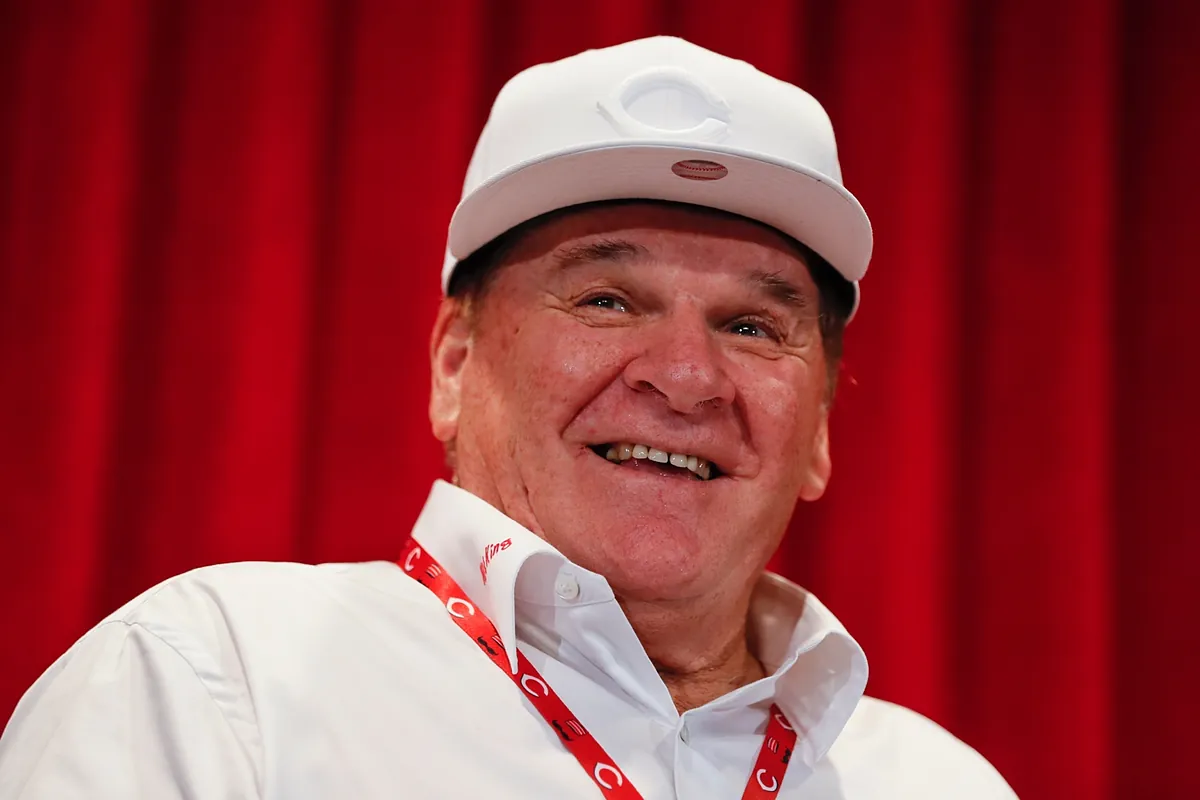
As of 2026, the collective and individual financial standings of the pioneering hip-hop group 3rd Bass reflect a legacy of smart diversification and enduring royalty streams. Pete Nice maintains an estimated net worth of approximately $2.5 million, bolstered by his secondary career as a baseball historian and author, while the group’s overall brand remains a cornerstone of Golden Era hip-hop valuation.
The Legacy of 3rd Bass: Financial Impact of a Golden Era
To understand the net worth of 3rd Bass in 2026, one must analyze the commercial peak of the group between 1989 and 1992. Comprised of MC Serch (Michael Berrin), Pete Nice (Peter J. Nash), and DJ Richie Rich (Richard Lawson), 3rd Bass was one of the few white hip-hop acts of the era to garner genuine respect within the community while achieving significant commercial success. Their debut, The Cactus Album (1989), was certified Gold by the RIAA, a feat they repeated with 1991’s Derelicts of Dialect.
The financial foundation of the group was built on these two pillars. In the late 1980s and early 1990s, a Gold certification represented over 500,000 units sold. For 3rd Bass, this meant substantial advances and royalty checks from Def Jam Recordings. Unlike many of their contemporaries who suffered from predatory contracts, the members of 3rd Bass—particularly Pete Nice and MC Serch—were known for their business acumen. Pete Nice, a Columbia University graduate, and Serch, a savvy industry navigator, ensured that their intellectual property was managed with a level of scrutiny that has allowed their "back catalog" to remain a consistent revenue generator through the streaming era of the 2020s.
By 2026, the transition from physical media to digital streaming has shifted the "net worth" conversation from lump-sum album sales to recurring annual revenue. Hits like "The Gas Face" and "Pop Goes the Weasel" continue to populate classic hip-hop playlists on platforms like Spotify and Apple Music, providing a steady, albeit smaller, stream of passive income that supplements their primary individual business ventures.
Pete Nice Net Worth: Beyond the "Gas Face" into Baseball and Business
Pete Nice, born Peter J. Nash, represents a unique case study in post-rap career transitions. While many artists struggle to find a second act, Nash successfully pivoted into the world of sports history and high-end memorabilia. This diversification is the primary reason his personal net worth in 2026 is estimated at $2.5 million, potentially edging out his former partner.
After the dissolution of 3rd Bass and a brief solo run with the album Dust to Dust, Nash turned his lifelong passion for baseball into a professional endeavor. He became a respected baseball historian and an expert in 19th-century baseball memorabilia. His expertise in this niche market is not merely a hobby; it is a significant financial asset. The market for rare sports collectibles saw a massive surge in the early 2020s, and Nash’s involvement in the authentication and sale of rare items positioned him as a thought leader in the space.
Furthermore, Nash’s literary contributions have added to his financial portfolio. He authored "Baseball in the Garden of Eden: The Secret History of the Early Game," which received critical acclaim. In the world of publishing, such authoritative works provide long-tail royalties and speaking engagement fees. Additionally, Nash was a co-founder of McGreevy's 3rd Base Saloon in Boston, a sports bar that capitalized on both his hip-hop name and his baseball interests. Although the physical location faced challenges during the global shifts of 2020, the brand equity and subsequent ventures in the hospitality and memorabilia space have kept his net worth stable through 2026.
MC Serch vs. Pete Nice: A Comparative Financial Analysis
When comparing the net worth of the two primary members of 3rd Bass, we see two different philosophies of wealth accumulation. MC Serch, with an estimated net worth of $2 million in 2026, has stayed closer to the entertainment and media industry.
MC Serch’s financial journey post-3rd Bass included:
- Solo Success: His album Return of the Product yielded hits like "Here It Comes."
- Executive Production: Serch played a pivotal role in the career of Nas, executive producing the legendary album Illmatic. The "finder's fees" and production credits for such a seminal work represent a significant portion of his historical earnings.
- Serchlite Music: His own production and management company allowed him to oversee the careers of other artists, taking a percentage of their earnings.
- Media and Broadcasting: Serch transitioned into radio and television, hosting "The White Rapper Show" on VH1 and various radio programs, which provided stable, high-salary income during the 2000s and 2010s.
While Pete Nice moved into the niche (but high-value) world of historical collectibles, MC Serch remained a "personality" and industry "fixer." In 2026, the slight gap in their net worth—Nice at $2.5 million and Serch at $2 million—is often attributed to the volatility of the entertainment industry versus the steady appreciation of the rare collectibles market that Nash operates within.
Revenue Streams: Streaming, Royalties, and Licensing in 2026
In 2026, the concept of "net worth" for a legacy act like 3rd Bass is heavily influenced by "sync licensing." This involves licensing their music for use in films, television shows, video games, and advertisements. 3rd Bass tracks, known for their clever sampling and "New York sound," are frequently sought after for projects set in the late 80s or early 90s.
A single major sync license for a movie trailer can range from $20,000 to over $100,000, depending on the usage. Because Pete Nice and MC Serch are credited songwriters on most of their hits, they receive a direct split of these fees. This "mailbox money" is a critical component of their financial health. Furthermore, the 2020s saw a resurgence in vinyl appreciation. Special edition re-releases of The Cactus Album for events like Record Store Day have provided additional "bursts" of income that contribute to the group's overall brand value.
Financial Snapshot Comparison
The following table provides a breakdown of the estimated financial standing and career drivers for 3rd Bass and its members as of 2026.
| Category | Pete Nice (Peter J. Nash) | MC Serch (Michael Berrin) | 3rd Bass (Group Legacy) |
|---|---|---|---|
| Estimated Net Worth (2026) | $2.5 Million | $2.0 Million | $4.5 Million (Combined) |
| Primary Income Source | Memorabilia/Literature | Media/Production/Consulting | Royalties/Licensing |
| Key Asset | Baseball History Expertise | Serchlite Music/Media Brand | Def Jam Back Catalog |
| Peak Commercial Era | 1989–1992 | 1989–1995 | 1989–1992 |
| Secondary Ventures | Hospitality/Authoring | Radio/Reality TV | Merchandise/Re-issues |
The Impact of Collectibles and Memorabilia on Pete Nice’s Portfolio
A significant differentiator for Pete Nice’s net worth is his role in the baseball memorabilia market. Unlike standard celebrity endorsements, Nash is a specialized consultant. In 2026, the market for "game-worn" and "pre-war" baseball items is treated similarly to the fine art market. Nash’s ability to authenticate and broker deals for items worth hundreds of thousands of dollars provides him with commission-based income that is decoupled from the music industry’s fluctuations.
He has been involved with the National Baseball Hall of Fame and Museum and has been instrumental in preserving the history of the sport. This "authority" allows him to command high fees for appraisals and private collection management. For an artist from the hip-hop world, this level of crossover into a high-net-worth hobbyist market is rare and has provided a financial "moat" that protects his wealth from the typical pitfalls of the music business.
Frequently Asked Questions
What was 3rd Bass's biggest financial success?
The group's most significant financial milestone was the release of "Pop Goes the Weasel" in 1991. The single reached #1 on the Billboard Hot Rap Singles chart and broke into the Top 30 of the Billboard Hot 100. This crossover success generated massive radio play and single sales, leading to the Gold certification of their second album, Derelicts of Dialect.
Does Pete Nice still earn money from 3rd Bass?
Yes. As a primary songwriter and performer, Pete Nice receives ongoing performance royalties (from streaming and radio) and mechanical royalties (from physical and digital sales). These are distributed through organizations like ASCAP or BMI and through Def Jam's accounting structures.
Why is there a difference between Pete Nice's and MC Serch's net worth?
The difference is primarily due to their post-music career paths. Pete Nice’s involvement in the lucrative and appreciating baseball memorabilia market offers a different growth trajectory than MC Serch’s career in media and production, which often depends on active contracts and project-based income.
Did 3rd Bass own their masters?
Like most artists signed to major labels in the late 1980s, 3rd Bass did not own their master recordings; Def Jam (Universal Music Group) retains ownership. However, they do retain their "publishing" or songwriting rights, which are often more valuable in the long term for licensing and sync opportunities.
Is the 3rd Bass net worth expected to grow after 2026?
Growth is likely to be stable rather than exponential. As hip-hop continues to be recognized as a "classic" genre, the value of the 3rd Bass catalog for documentaries and historical retrospectives increases. Additionally, Pete Nice’s assets in the collectibles market tend to appreciate over time.
Strategy for Managing Musical Intellectual Property
For artists and fans looking at the 3rd Bass model, the key takeaway for 2026 is the importance of diversification and brand preservation. Pete Nice and MC Serch have shown that while the "glory days" of touring might pass, the intellectual property created during that time can be leveraged indefinitely.
If you are an independent creator or an investor in music catalogs, consider the following actions:
- Audit Royalty Streams: Ensure all digital performance rights are registered with SoundExchange to capture international streaming revenue.
- Explore Sync Licensing: Actively pitch classic sounds to boutique sync agencies that specialize in "retro" or "throwback" aesthetics for commercials and social media campaigns.
- Invest in Niche Authority: Like Pete Nice, find a secondary field where your unique background adds value. Whether it is collectibles, technology, or education, a second revenue stream is the best hedge against the volatility of the entertainment market.