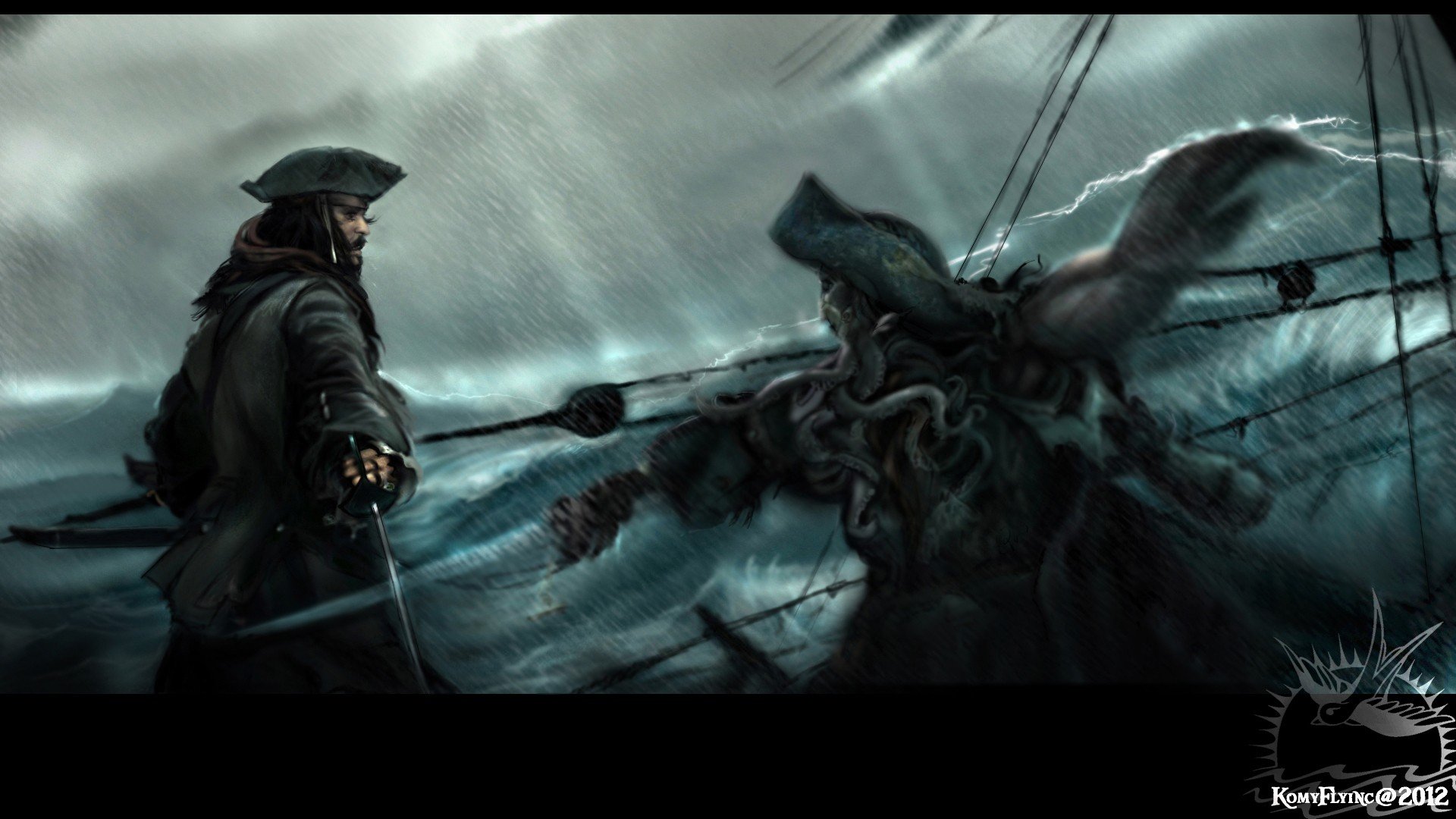
Navigating 3D Pirates of the Caribbean-themed sword battles requires a combination of spatial awareness, timing-based combat mechanics, and an understanding of the specific game engine physics. Players engage in treasure hunts that integrate cinematic navigation with tactical melee combat, requiring both precision in hit-detection zones and effective management of movement-based special abilities to defeat AI opponents.
Understanding the Mechanics of 3D Pirate Combat
The combat systems found in Pirates of the Caribbean-themed 3D games generally revolve around a lock-on targeting mechanism paired with a stamina-based attack system. Unlike traditional hack-and-slash titles, these experiences prioritize the weight and momentum of a cutlass. Understanding the input latency and the specific animation frames of a parry is essential for survival during high-stakes treasure hunts.
When engaging in sword battles, players must recognize that 3D environments often act as a secondary combatant. Obstacles such as shifting ship decks, uneven sandy beaches, or narrow cave passages dictate the spacing required for effective strikes. Mastering the "strafe and dodge" maneuver is critical, as standing stationary—even when attacking—leaves the player character vulnerable to counter-attacks from flanking AI enemies.
Strategic Preparation for Treasure Hunts
Successful treasure hunts are rarely won through combat prowess alone; they require efficient navigation of the game’s 3D environment. Before initiating a battle, a player should perform an environmental scan. Identifying environmental hazards—such as explosive barrels, loose rigging, or cliff edges—can provide tactical advantages that circumvent the need for prolonged sword duels.
Resource management is the second pillar of preparation. Most titles within this genre utilize a health regeneration or item-based healing system. Players must ensure that their inventory is stocked with restorative items before triggering a "treasure hunt" sequence, as these events often lock the player into a specific combat zone until the objective is completed. Checking the durability of the current weapon or the unlock status of specific sword skills is a prerequisite for high-difficulty encounters.
Technical Specifications and Performance Optimization
The visual fidelity of 3D pirate games relies on high-frame-rate rendering to ensure that input commands are registered in real-time. Input lag is the most common cause of failure in sword battles. To mitigate this, ensure your hardware settings favor performance over extreme graphical detail.
Reducing post-processing effects like motion blur or depth of field can significantly improve a player's ability to time parries accurately. The following table provides a breakdown of technical priorities for maintaining a competitive edge during complex 3D encounters:
| Optimization Metric | Priority | Impact on Combat |
|---|---|---|
| Input Latency | Critical | Improves reaction time to parry prompts |
| Frame Rate (FPS) | High | Smoother animation for timing dodges |
| Field of View (FOV) | Medium | Better peripheral vision for flanking enemies |
| Audio/SFX | Medium | Critical for telegraphing off-screen attacks |
Tactical Approaches to Sword Duel Sequences
Sword battles in these 3D environments often follow a rhythmic pattern. AI opponents typically signal their next move through "telegraphs"—specific combat stances or vocalizations that precede an unblockable or heavy attack. Recognition of these patterns transforms the combat from a frantic button-mashing experience into a calculated tactical exchange.
Aggression management is key. If a player attacks continuously, the AI often triggers an automated block or a "riposte" animation, which can deal significant damage. The most effective strategy is to bait the opponent into attacking, parrying the strike to break their stamina bar, and then unleashing a high-damage combo. Focusing on stamina depletion is more effective than attempting to brute-force a damage-soak opponent who is actively guarding.
Common Obstacles and Troubleshooting
Players frequently encounter issues with camera positioning during intense battles, particularly in confined spaces like ship cabins or treasure-filled grottos. If the camera clips through walls or loses track of the opponent, manually reset the view using the center-camera function. Relying on the auto-lock feature is helpful for tracking movement, but if the camera becomes erratic, it is often better to disengage, create distance, and re-establish line-of-sight.
Another common point of failure is "stuck" animations. If your character becomes locked in an attack sequence while an enemy is winding up for a heavy hit, utilize the "cancel" input if the game engine supports it. If the engine does not support animation cancelling, prioritize positioning over damage output; it is always better to dodge a hit than to land a single strike at the cost of half your health bar.
Advancing Through Elite Treasure Hunt Missions
Once you have mastered the basics of swordplay, you will encounter more difficult treasure hunt missions that feature "Captain" or "Boss" level AI. These enemies are immune to basic stuns and require players to interact with the environment to lower their defenses. Look for environmental cues—such as a dangling chandelier, a destructible support beam, or a wet surface—that can be used to incapacitate or expose the enemy to a critical strike.
Consistency is achieved through repetitive practice of the parry window. Spend time in lower-stakes skirmishes to familiarize yourself with the animation timing of different sword archetypes. Some swords offer faster attack speeds but lower block stability, while others are slower but provide a wider window for successful parries. Choosing the right gear for the specific mission objective will drastically reduce the time-to-kill and increase the likelihood of mission success.
Frequently Asked Questions
How do I master the parry timing in sword battles?
Focus on the movement of the opponent’s shoulder rather than the sword itself. Most 3D engines animate the character’s torso before the weapon strike; by watching the body language, you can initiate the parry input slightly earlier, accounting for system latency and ensuring a successful block.
Why do my attacks keep missing in 3D space?
Missing attacks usually stem from improper depth perception or aggressive camera movement. Ensure your character is locked onto the target using the dedicated lock-on key. If you are free-aiming, use the horizontal strafe keys to align your character’s center-mass with the enemy before triggering your attack chain.
Are there specific weapons better for treasure hunts?
Yes. Weapons with higher "Guard Break" stats are superior for treasure hunts, as they allow you to punch through the defensive stances of elite enemies. While weapons with high raw damage feel rewarding, they often lack the stamina-draining capabilities needed to survive prolonged boss encounters.
What should I do if my character gets overwhelmed by multiple pirates?
Prioritize "crowd control" maneuvers. Utilize dodge-rolls to move behind the group, effectively forcing the AI to re-path toward you. This prevents you from being surrounded and allows you to pick off enemies one by one rather than attempting to fight the entire group simultaneously.
How can I improve my frame rate for better combat response?
Disable vertical synchronization (V-Sync) if you are experiencing significant input lag, and lower the shadow and lighting quality settings. These features consume the most GPU resources; by shifting those resources to rendering frame updates, you will notice a direct improvement in the responsiveness of your sword swings.
What is the most effective way to recover health during a battle?
The most effective way is to create distance by utilizing environmental hazards as physical shields. Once the enemy is blocked by an obstacle, you can safely use recovery items without fear of being interrupted during the animation cycle.
Next Steps for Success
To improve your performance, record a session of a difficult battle and review the footage at half-speed. Analyze the moments where you took damage—were you greedy with your attacks, or did you fail to read the enemy’s telegraphed strike? Identifying your own patterns of failure is the fastest way to refine your strategy. Apply these observations in the training arena or lower-tier missions until your reactions become muscle memory.