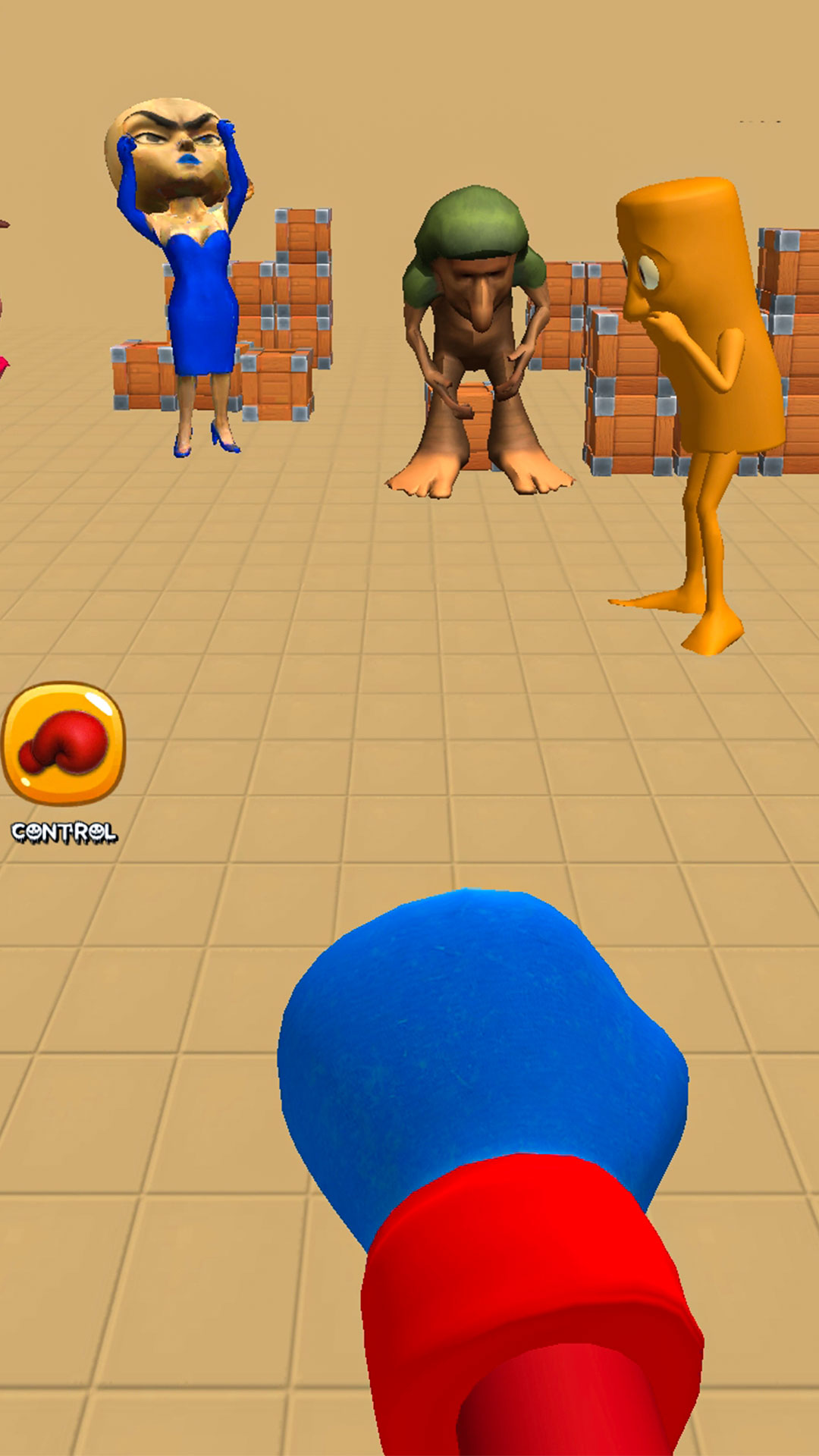
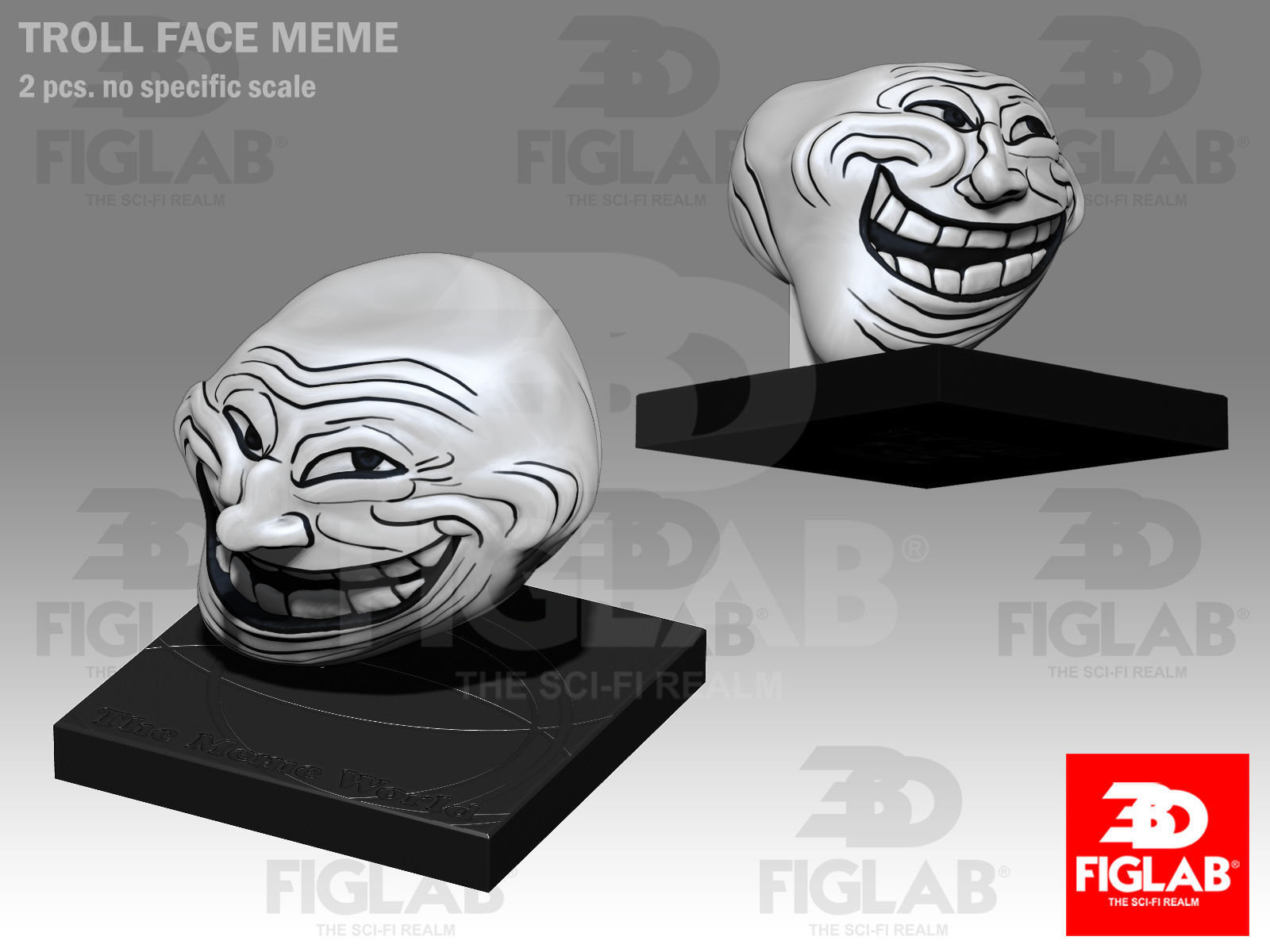
A 3D meme is an internet humor format that leverages three-dimensional digital rendering, spatial depth, and physics-based animations rather than traditional two-dimensional images or flat text overlays. These artifacts of digital culture utilize software tools like Blender, Cinema 4D, or real-time game engines to subvert standard meme formats into volumetric, surreal, and often chaotic visual experiences.
The digital landscape of internet culture constantly evolves, driven by software accessibility, shifting youth aesthetics, and the democratization of advanced rendering tools. Among the most striking visual developments of recent years is the rise of the 3D meme. Moving far beyond the static macro images and reaction GIFs that dominated the 2010s, these creations introduce depth, lighting, physics simulations, and spatial awareness into internet humor. Understanding how these assets are produced, why they resonate within digital communities, and what distinguishes them from conventional formats requires an examination of both modern meme sociology and digital art production.
The Technological Shift from 2D to 3D Humor
For over two decades, internet memes relied heavily on bitmap graphics, JPEG compression artifacts, and flat text placements. Early image macros, advice animals, and rage comics required minimal technical overhead, allowing anyone with a basic browser or rudimentary photo editing software to participate in the conversation. However, as hardware capabilities expanded and professional-grade 3D creation suites became freely available or heavily optimized, internet creators began experimenting with volumetric humor.
Software such as Blender lowered the barrier to entry for high-end 3D graphics. Creators no longer needed enterprise budgets to render believable lighting, soft-body physics, or complex polygonal meshes. This technological leap birthed a style of humor where the punchline is often the medium itself: hyper-detailed, ray-traced characters performing absurd, low-brow actions. The juxtaposition of sophisticated rendering techniques with nonsensical, chaotic concepts creates a distinct ironic detachment that defines contemporary digital aesthetics.
Key Characteristics and Visual Tropes
Unlike traditional flat images, 3D memes rely heavily on environmental interaction, texture mapping, and physics engines. Creators deliberately exploit the uncanny valley, rendering familiar characters or objects with overly realistic skin shaders, subsurface scattering, and rigid-body dynamics that behave in unexpected ways.
Common visual elements found in these digital creations include:
- Cloth and Soft-Body Simulations: Characters or objects made of unstable, gelatinous, or hyper-elastic materials that deform under gravity.
- Ray-Traced Lighting and Reflections: Utilizing advanced rendering engines to create hyper-realistic environments that contrast sharply with the ridiculous nature of the subject matter.
- Surreal Metamorphosis: Objects seamlessly shifting from one recognizable internet icon into an entirely unrelated geometric shape.
- Deliberate Glitch Art: Simulating rendering errors, polygon tearing, and physics engine explosions as intentional comedic devices.
These technical elements work in tandem to create a multisensory joke. While the output remains a compressed video file or animated image on platforms like TikTok, X (formerly Twitter), or Reddit, the underlying pipeline requires professional-grade asset management and rendering knowledge.
Production Pipeline: How Creators Build Volumetric Humor
Creating a successful volumetric internet joke requires a structured workflow that mirrors professional digital content production, albeit executed with an ironic or satirical intent. Creators generally follow a pipeline that bridges traditional 3D modeling with rapid internet-culture iteration.
The production process typically involves several distinct stages:
- Concept and Asset Sourcing: Identifying a trending audio snippet, character, or cultural reference, then sourcing or modeling the relevant 3D assets.
- Rigging and Skinning: Adding a skeletal structure to characters so they can be posed or animated within the software environment.
- Animation and Simulation: Applying keyframe animation alongside automated physics simulations, such as wind resistance, fluid dynamics, or cloth tension.
- Shading and Texturing: Applying material properties—such as roughness, metallic sheen, or transparency—to make the objects interact realistically with scene lighting.
- Rendering and Post-Processing: Computing the final frames via CPU or GPU rendering engines, followed by color grading and compression for social media distribution.
| Software Suite | Primary Strengths | Cost Model | Learning Curve |
|---|---|---|---|
| Blender | Modeling, simulation, rendering, rigging | Free and Open Source | Moderate to Steep |
| Cinema 4D | Motion graphics, cloner objects, mograph | Subscription | Moderate |
| Unreal Engine | Real-time rendering, physics, virtual production | Free (with revenue share) | Steep |
| Source Filmmaker | Valve asset integration, rapid character posing | Free (Steam) | Low to Moderate |
Cultural Impact and Audience Reception
The proliferation of volumetric humor reflects a broader shift in digital literacy. Audiences today are intimately familiar with video game engines, CGI pipelines, and digital artifacts. Consequently, they appreciate humor that deconstructs these very tools.
When a character from a classic internet video is reconstructed as a meticulously shaded, high-poly 3D model, the effort itself becomes part of the joke. This high-effort shitposting requires substantial technical dedication, subverting the traditional association between high production value and serious artistic intent. Furthermore, these formats easily transcend language barriers. Because the humor is rooted in spatial physics, visual absurdity, and universally recognized digital templates, 3D humor spreads rapidly across international meme communities without requiring translation.
Common Pitfalls and Technical Limitations
While the tools for creating spatial digital humor are more accessible than ever, creators and curators often encounter specific technical and cultural hurdles. Recognizing these challenges helps explain why certain formats succeed while others fail to capture public interest.
- Over-Reliance on Novelty: Simply applying a realistic skin shader to an absurd object loses its comedic impact if the underlying joke lacks timing or cultural relevance.
- Render Times and Hardware Bottlenecks: High-fidelity ray tracing requires significant GPU power. Long render times can delay a creator's response to fast-moving internet trends.
- Platform Compression: Major social media platforms aggressively compress uploaded videos, often destroying fine texture details, volumetric lighting, and subtle normal maps that took hours to render.
- Copyright and Asset Theft: Utilizing proprietary character models without modification or attribution can lead to platform strikes and community backlash.
Choosing the Right Approach for Digital Content Creation
Navigating the landscape of modern digital humor requires balancing technical execution with comedic timing. Creators looking to experiment with volumetric formats should carefully evaluate their hardware capabilities, target publishing platforms, and stylistic goals before committing to complex rendering pipelines. Real-time engines offer speed and immediate feedback, whereas offline path tracers deliver cinematic fidelity at the cost of rendering hours. Aligning the technical complexity with the core comedic premise ensures that the medium enhances the message rather than overshadowing it.