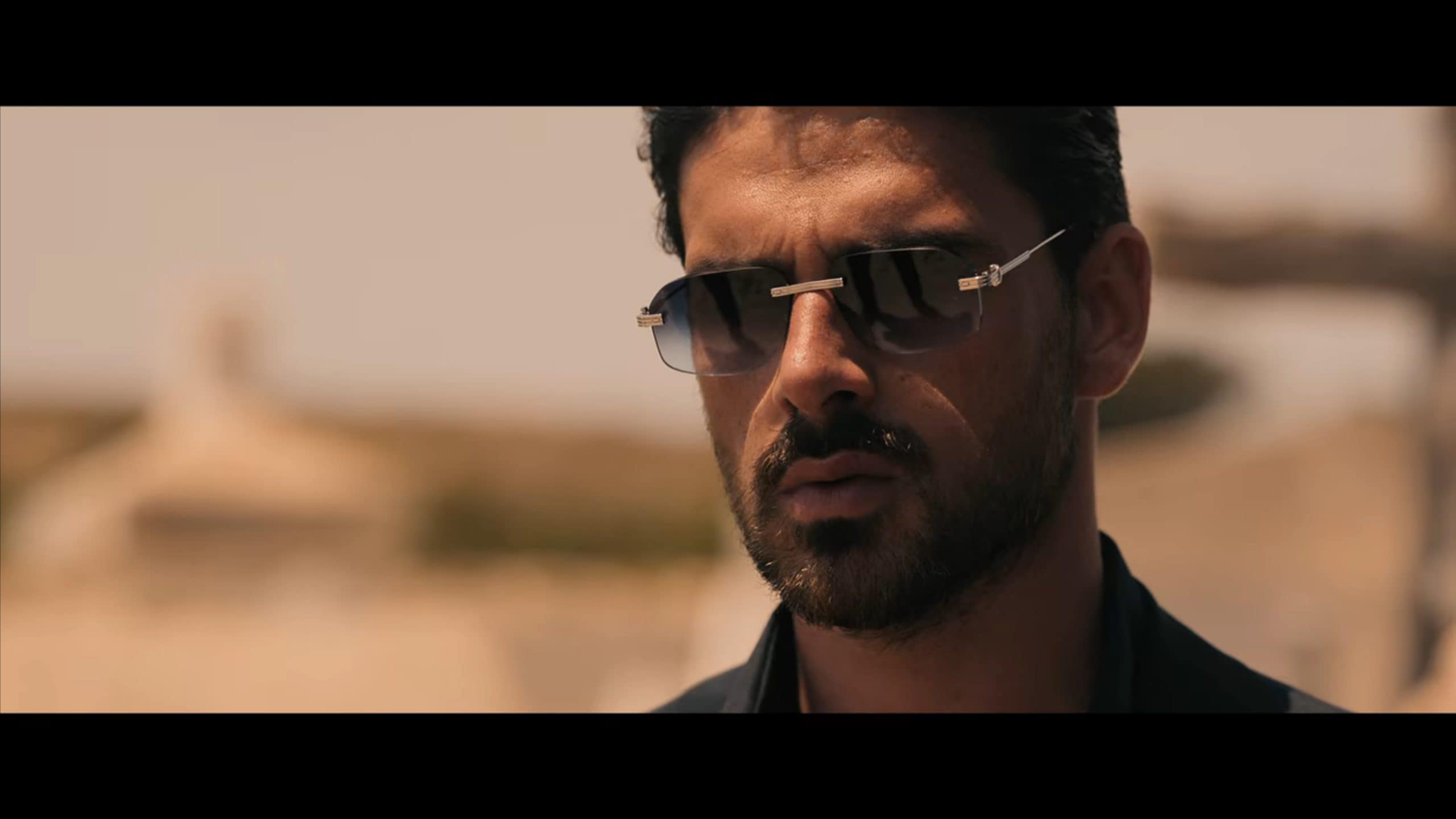
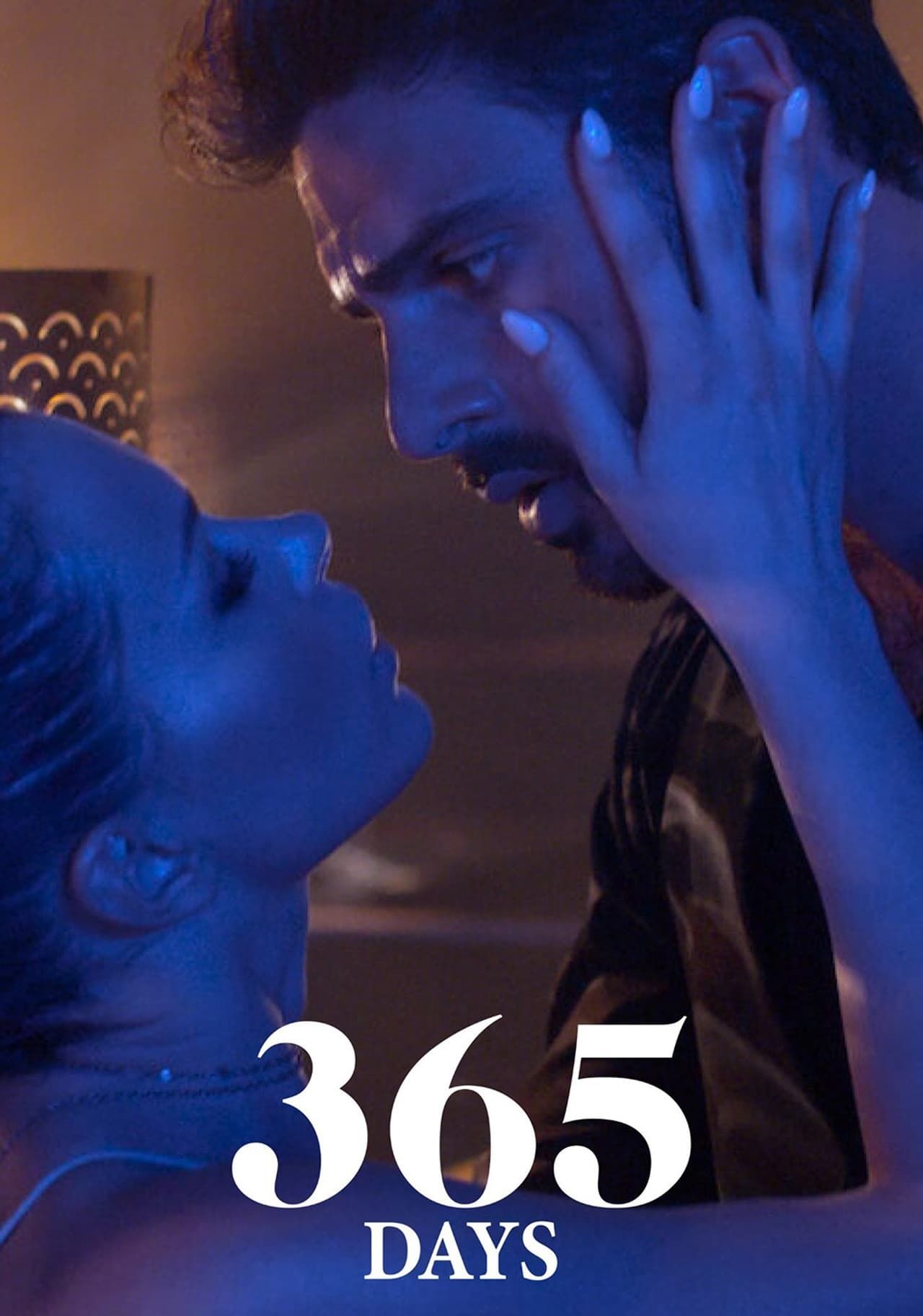
365 Days (Polish: 365 Dni) is a globally recognized erotic romance franchise comprising a trilogy of novels by Blanka Lipińska and their high-profile Netflix film adaptations. The story follows Laura Biel, a young woman held captive by Sicilian mafia boss Don Massimo Torricelli, who gives her 365 days to fall in love with him.
The Origins of 365 Days: From Blanka Lipińska to Netflix
The phenomenon began in Poland with the publication of Blanka Lipińska’s debut novel, 365 Dni, in 2018. Lipińska, often described as the "Polish E.L. James," wrote the story based on her own experiences and inspirations during a vacation in Sicily. The book quickly became a domestic bestseller, followed by two sequels: Ten dzień (This Day) and Kolejne 365 dni (Next 365 Days).
The transition to film occurred in early 2020. Initially released in Polish cinemas, the first movie's domestic success was significant, but its acquisition by Netflix in mid-2020 catapulted it to international infamy. During the global lockdowns of the COVID-19 pandemic, 365 Days became one of the most-watched titles in Netflix history, topping charts in over 90 countries. This "Netflix effect" transformed a niche Polish production into a global cultural touchstone, despite—or perhaps because of—its polarizing content.
By 2026, the franchise is viewed as a pioneer in the "streaming-era erotic thriller" genre. It demonstrated that high-production-value adult content could generate massive viewership numbers, leading to a surge in similar acquisitions by major streaming platforms. While the trilogy’s narrative arc concluded with the third film in 2022, the brand continues to hold a significant place in the catalog of modern romantic dramas.
Plot Breakdown: The Evolution of Laura and Massimo’s Relationship
The narrative structure of the 365 Days trilogy is centered on the power dynamics and evolving emotional connection between Laura Biel (Anna-Maria Sieklucka) and Don Massimo Torricelli (Michele Morrone).
Part I: The Ultimatum
The first installment introduces the premise: Massimo, a powerful mobster, kidnaps Laura while she is on vacation in Italy. He claims he saw her in a vision years prior and has been searching for her ever since. He sets a strict deadline: he will keep her for one year, and if she does not fall in love with him by the end of those 365 days, he will let her go. This section of the story focuses heavily on the luxury of the Sicilian lifestyle, the tension of the kidnapping, and the eventual development of a consensual relationship.
Part II: Family Ties and Rivalries
The second film, 365 Days: This Day, shifts from the "captor" dynamic to the complexities of mafia life. Laura and Massimo are married, but their honeymoon phase is interrupted by Massimo’s family secrets and the introduction of a new antagonist, Nacho. Nacho, posing as a gardener, complicates the relationship and introduces a "love triangle" element that challenges Laura’s loyalty to Massimo.
Part III: The Ultimate Choice
The final chapter, The Next 365 Days, explores the psychological aftermath of the events in the second film. Laura struggles to reconcile her feelings for both Massimo and Nacho. Unlike the first two films, which relied heavily on physical action and plot twists, the third film takes a more introspective approach to Laura’s autonomy, culminating in an ambiguous ending that left fans debating her final choice for years.
The Global Phenomenon and "The Netflix Effect"
The success of 365 Days is a case study in digital distribution. When the first film arrived on Netflix, it did so with almost no traditional marketing budget outside of Poland. Its popularity was driven entirely by social media—specifically TikTok and Instagram—where clips of the film went viral.
Critics vs. Audience: A Polarizing Divide
There is a stark contrast between the critical reception and the commercial success of the franchise. Critics largely panned the films for their scripts, pacing, and controversial themes. On review aggregators like Rotten Tomatoes, the first film famously held a 0% critic score for an extended period.
However, audience metrics told a different story. The franchise consistently ranked in the "Top 10" for weeks after each release. This disparity highlights a recurring trend in the 2020s: "critic-proof" content that fulfills a specific audience demand for escapism and high-budget romance, regardless of traditional cinematic quality.
Comparing the Books and the Movies: Key Differences
While the films follow the general outline of Blanka Lipińska’s trilogy, several material changes were made for the screen. The books are notably more graphic and contain different character motivations, particularly regarding Massimo’s darker personality traits.
| Feature | Book Trilogy (365 Dni) | Film Trilogy (Netflix) |
|---|---|---|
| Laura’s Agency | Described with more internal monologue; more emphasis on her fear. | More focused on her transformation into a "mafia queen" persona. |
| Massimo’s Character | Often portrayed as more volatile and physically aggressive. | Softened slightly to fit the "romantic lead" archetype; focused on charisma. |
| The Ending | The third book has a much more definitive and controversial ending. | The film The Next 365 Days ends on an ambiguous note. |
| Nacho's Role | His background as a rival mobster is revealed more slowly. | His role as a romantic alternative is emphasized earlier. |
| Tone | Grittier, darker, and more focused on the "dark romance" subgenre. | High-fashion, music-video aesthetic with a focus on Italian scenery. |
The Cast and Production of the Trilogy
The success of the franchise is inextricably linked to its lead actors. Michele Morrone, who played Massimo, became an overnight international star. Before 365 Days, Morrone was a working actor and musician in Italy; following the film, he secured major fashion campaigns with brands like Dolce & Gabbana and launched a successful music career, with his songs prominently featured on the movie soundtracks.
Anna-Maria Sieklucka, playing Laura, received praise for her ability to handle the intense emotional and physical demands of the role. The chemistry between the two leads was frequently cited as the primary reason for the film's "virality."
Production-wise, the films are known for their high gloss. Filming took place across beautiful locations in Italy (Sicily, Rome, and Sardinia) and Poland (Warsaw and the Baltic coast). The cinematography emphasizes the "wealth porn" aspect of the mafia lifestyle—luxury yachts, private jets, and designer wardrobes—which contributed to the franchise's escapist appeal.
Ethical Controversy and Content Warnings
It is impossible to discuss 365 Days without addressing the significant ethical controversies it sparked. Upon its release, various organizations and commentators criticized the film for romanticizing kidnapping and sexual coercion.
- Stockholm Syndrome: Critics argued that the premise of falling in love with a captor glamorizes domestic abuse and psychological manipulation.
- Consent Narratives: While the film depicts the relationship becoming consensual, the power imbalance inherent in the "365-day ultimatum" remained a point of heavy contention.
- Impact on Romance Genre: The film's success brought the "Dark Romance" genre into the mainstream, leading to debates about the responsibility of streaming platforms to provide context or content warnings for such themes.
Netflix addressed these concerns by ensuring age ratings were strictly enforced (TV-MA or 18+) and including specific content descriptors regarding violence and sexual content. Viewers are advised to approach the series with an understanding that it occupies the "dark romance" fantasy space rather than representing healthy relationship dynamics.
Legacy: The State of the Franchise in 2026
As of 2026, the 365 Days franchise remains a definitive example of the power of globalized streaming. It broke the barrier for non-English language content, proving that international films could dominate the US and UK markets.
While Michele Morrone and Anna-Maria Sieklucka have moved on to diverse projects in the years since the trilogy concluded, the "365 Days" brand still generates revenue through its presence on Netflix and the continued sale of Lipińska’s novels. There have been no confirmed plans for a fourth film, as the primary source material has been exhausted. However, the influence of the series is visible in the subsequent wave of "BookTok" adaptations that prioritize aesthetic appeal and high-stakes romance.
FAQ
Is there a 4th 365 Days movie coming out?
As of 2026, there is no official announcement regarding a fourth movie. The film trilogy concluded the events of the three books written by Blanka Lipińska. While the ending of the third film was ambiguous, the creators have generally treated the story as a finished project.
Why is the ending of The Next 365 Days different from the book?
The film’s ending was modified to be more open-ended compared to the third book, Kolejne 365 dni. In the book, the resolution is much more explicit regarding Laura's choice and Massimo's behavior. The filmmakers chose an ambiguous ending to allow the audience to interpret Laura’s future autonomy for themselves.
Who sings the songs in 365 Days?
Much of the soundtrack is performed by the lead actor, Michele Morrone. His album Dark Room provided several key tracks for the first film, including "Hard For Me" and "Watch Me Burn." The integration of his music was a strategic part of the franchise's marketing.
Is 365 Days based on a true story?
No, 365 Days is entirely a work of fiction. Author Blanka Lipińska has stated in interviews that while she was inspired by her personal experiences and the scenery of Sicily, the plot involving a mafia kidnapping and a 365-day ultimatum is a product of her imagination.
Where can I watch the 365 Days trilogy in 2026?
The entire trilogy—365 Days, 365 Days: This Day, and The Next 365 Days—remains available exclusively on Netflix globally. It requires a standard subscription and is usually categorized under "Romantic Dramas" or "International Movies."
Guidance for New Viewers
If you are approaching the 365 Days franchise for the first time in 2026, it is best viewed as a product of its specific cultural moment. To get the most out of the experience, it is recommended to watch the films in their chronological release order. This allows you to track the significant jump in production quality and the shift in tone from the first film to the sequels.
Because the series deals with mature themes and controversial power dynamics, viewers should be aware of the "dark romance" genre conventions, which often prioritize heightened fantasy over realistic depictions of relationships. For those interested in the deeper narrative nuances that were omitted from the movies, reading Blanka Lipińska’s original trilogy provides a much more detailed—and darker—perspective on the characters of Laura and Massimo.