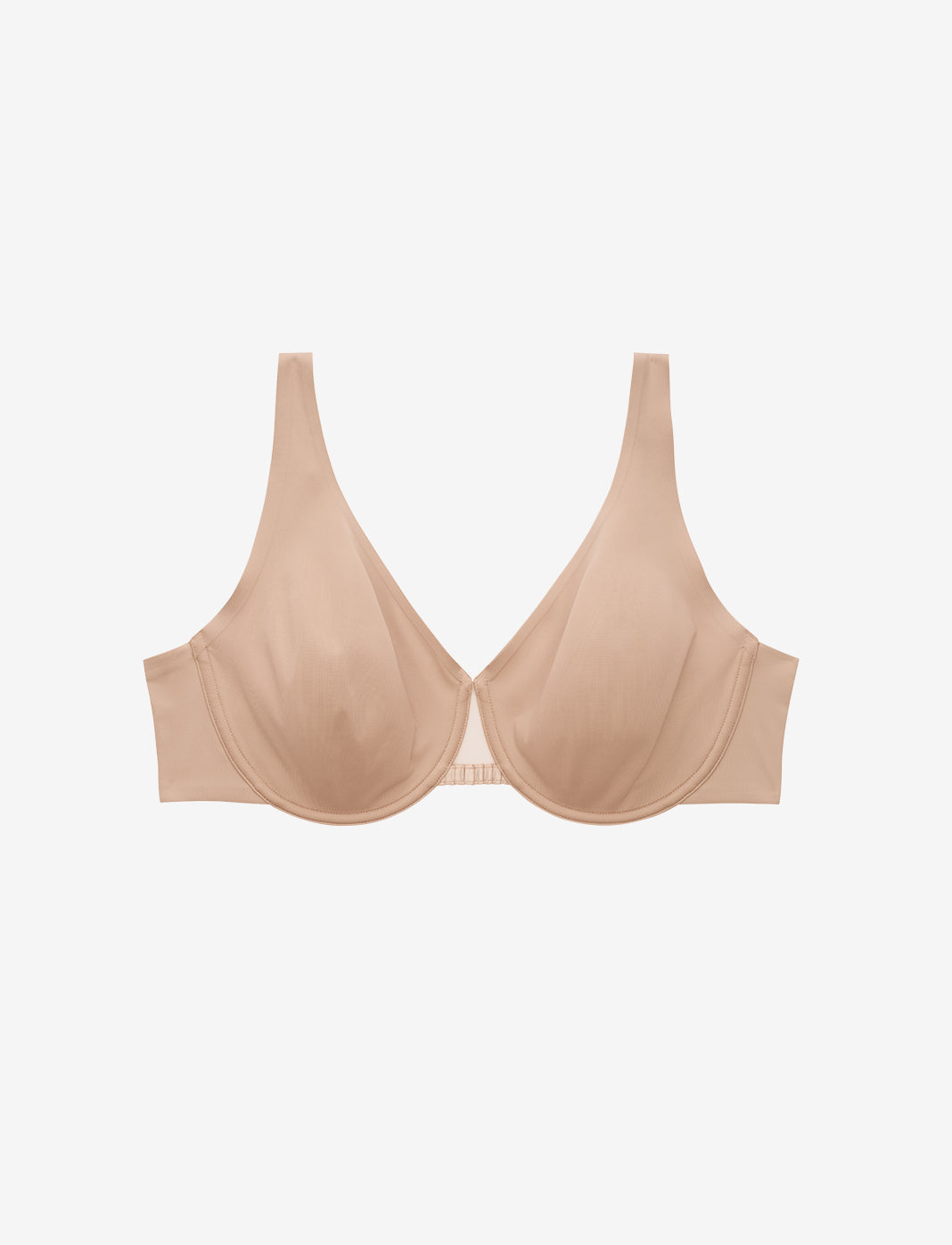
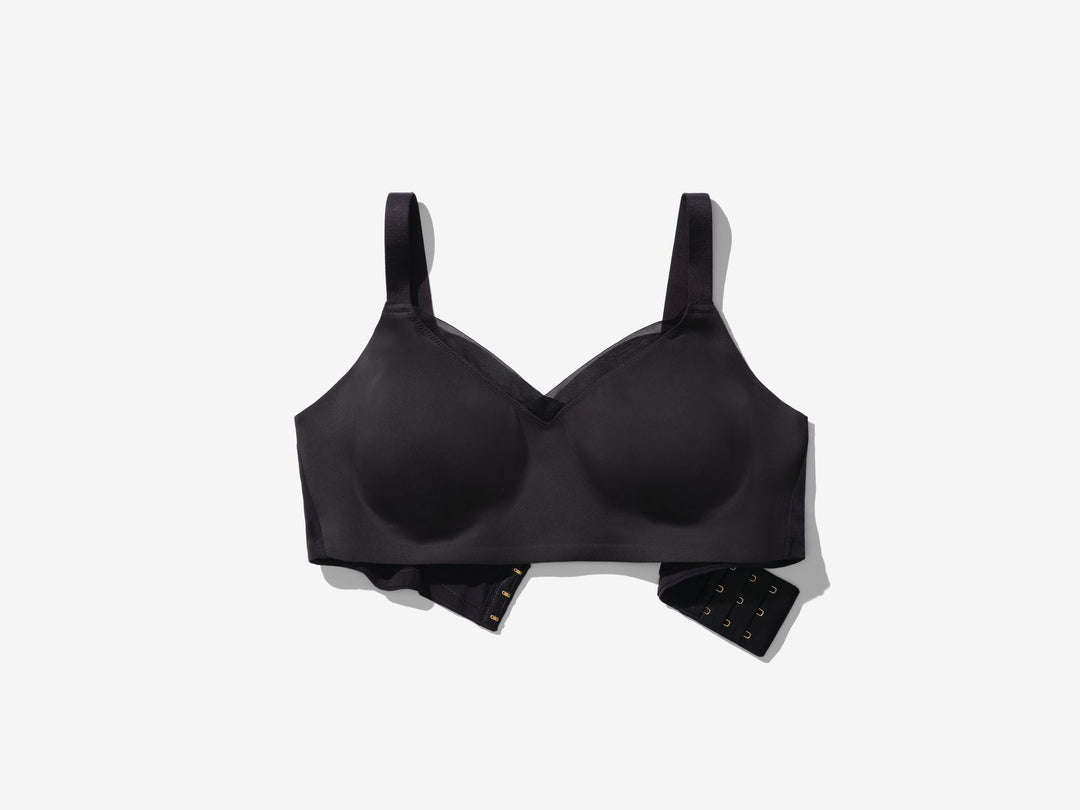
A 32DDD minimizer bra is a specialized undergarment designed to reduce the visual projection of the bust by redistributing breast tissue across a wider area of the chest wall. By utilizing high-compression fabrics, broader center gores, and structured cup engineering, these bras typically create the appearance of a smaller cup size while providing the specific support required for a 32-inch band measurement paired with a DDD-sized cup.
The Anatomy of a Minimizer Bra
To understand how a 32DDD minimizer functions, one must first recognize the structural differences between a standard supportive bra and a minimizer. Most bras are designed to lift and project breast tissue forward, which creates a more prominent silhouette. In contrast, a minimizer bra employs specific construction techniques to achieve its namesake effect.
The primary mechanism is the cup shape. While a standard bra cup is often round or conical to encourage projection, the cups of a minimizer are typically shallower and wider. This design physically encourages the breast tissue to spread toward the sides and the upper chest area rather than pushing it outward. This lateral distribution prevents the "pointy" look often associated with unlined bras and flattens the profile significantly.
Additionally, the fabric choices in 32DDD minimizers are engineered for stability. Manufacturers often utilize high-denier, non-stretch or low-stretch synthetic blends such as nylon-spandex combinations that provide firm resistance against the weight of the breast tissue. This keeps the chest in a more contained position throughout the day, preventing the shifting and "bouncing" that often leads to a more pronounced silhouette.
Decoding the 32DDD Size Specification
The 32DDD size is a specific measurement that balances a relatively small band size (32 inches) with a significant cup volume (DDD). In many sizing systems, particularly those used in the United States, a DDD cup—sometimes equivalent to an E cup in European sizing—indicates a six-inch difference between the ribcage measurement and the fullest part of the bust.
For an individual requiring this size, finding a properly fitting minimizer can be a challenge. The 32-inch band is a slender foundation, meaning the bra relies heavily on the bridge (the center gore) and the straps to support the heavy volume of a DDD cup. A high-quality minimizer for this size will feature:
- Reinforced Center Gores: A wider, often taller center gore that sits flush against the sternum to isolate each breast.
- Encapsulation and Compression: A blend of molded fabric to hold the shape and firm elastic to compress the profile.
- Wide Straps: To distribute the weight of the DDD cup across the shoulders, preventing the straps from digging into the trapezius muscles.
How Minimizers Affect Silhouette and Clothing Fit
The primary motivation for wearing a 32DDD minimizer is often to resolve common clothing fit issues. Individuals with this ratio of band-to-cup size frequently experience "button-down gapping," where a shirt fits comfortably around the waist and shoulders but pulls open at the chest.
By reducing the projection, the minimizer creates a smoother line under button-down shirts, silk blouses, or fitted dresses. It does not actually reduce the volume of the breast tissue; rather, it changes the geometry of the tissue’s placement. When the breast is shifted toward the axillary (underarm) area and smoothed over the chest wall, the front-facing volume is minimized, allowing garments to drape more cleanly.
Choosing and Maintaining Your Minimizer Bra
Selecting the right minimizer requires attention to both the structural components and the intended use. Because these bras rely on compression, finding the correct band size is critical. If the 32-inch band is too loose, the bra will fail to compress the tissue effectively; if it is too tight, it will create unwanted bulges at the back and under the arms.
| Feature | Standard Bra | Minimizer Bra |
|---|---|---|
| Cup Projection | High/Rounded | Low/Flattened |
| Center Gore | Often Narrow | Wider for Stability |
| Material Strength | Varied/Soft | High-Denier/Compression |
| Primary Goal | Lift and Shape | Projection Reduction |
Proper maintenance is essential to preserving the integrity of the compression fabrics. Because these bras depend on the elasticity of the materials to function correctly, they are particularly susceptible to damage from heat and harsh detergents. Hand washing in cold water with mild detergent is the industry standard for ensuring that the structural integrity of the spandex blends remains consistent over time.
Common Misconceptions Regarding Minimizers
A frequent concern among users is whether a 32DDD minimizer can cause physical discomfort or restrict blood flow. When fitted correctly, a minimizer should not be restrictive to the point of pain. If you feel numbness or sharp pain, the band is likely too tight or the cup is too shallow for your natural anatomy, necessitating a professional fitting or a change in brand.
Another misconception is that minimizers are strictly for "disguising" the bust. While that is their functional purpose, they are also frequently used for high-impact activities or professional attire where a lower profile is desired for aesthetic reasons. They are legitimate, functional tools in a wardrobe, not merely restrictive garments.
Frequently Asked Questions
Does a 32DDD minimizer actually reduce my breast size?
No. A minimizer bra does not change the physical volume of breast tissue. Instead, it redistributes the tissue toward the sides and chest wall, creating a flatter front profile and reducing the appearance of projection under clothing.
Can a 32DDD minimizer be worn comfortably for all-day use?
Yes, provided the bra is sized correctly. If you experience discomfort, it is often a sign that the band is too tight or that the style does not match your natural breast shape. A properly fitted minimizer should feel secure and supported without causing skin irritation or restricted movement.
How do I know if I need a minimizer or just a different cut?
If you struggle with buttons gapping on shirts or feel that your current bras create too much projection, a minimizer is a suitable solution. If your issue is discomfort or lack of lift, you may need a standard supportive bra with a different cup construction, such as a balconette or a full-coverage style.
Will a minimizer work well with low-cut tops?
Generally, no. Minimizer bras are designed for full coverage and high stability. Because they often feature higher necklines and wider coverage to facilitate the compression effect, they are usually visible under V-neck or low-cut tops. They are best suited for blouses, structured shirts, and high-neck garments.
Next Steps for Finding the Right Fit
If you are transitioning to a 32DDD minimizer for the first time, your most important next step is to verify your current measurements. Breast tissue changes throughout the year due to weight fluctuation and hormonal cycles. Using a flexible measuring tape, measure your under-bust (the band) and the fullest part of your bust (the cup) while wearing a non-padded bra.
Consult a brand-specific sizing chart before purchasing, as manufacturers differ significantly in how they engineer their compression levels. If you are shopping in 2026, many retailers offer virtual fit consultations or flexible return policies that allow you to test the structural comfort of a new style at home. Prioritize finding a band that feels snug on the loosest hook, allowing you to tighten it as the elastic eventually stretches over time.