The 32 Degrees heated socks available at Costco offer a high-utility, cost-effective solution for individuals seeking thermal insulation and moisture management in cold environments. By leveraging synthetic fabric blends and moisture-wicking technology, these socks provide a balance of comfort, durability, and affordability, making them a staple for seasonal cold-weather layering.
Understanding the Value Proposition of 32 Degrees Thermal Wear
32 Degrees has established itself as a brand focused on "heat-retaining" technology that prioritizes lightweight construction without sacrificing insulating performance. When sold through Costco, these products occupy a specific niche: the high-volume, value-oriented retail segment. For the consumer, this partnership typically translates into multi-pack pricing that significantly undercuts specialty outdoor retailers while maintaining a functional baseline suitable for everyday winter use.
The "ultimate warmth" claim associated with these socks is rooted in the material science of their construction. Unlike traditional wool socks, which provide heavy insulation through loft and natural fiber density, 32 Degrees typically employs synthetic blends, often incorporating polyester, spandex, and specialized yarns designed to trap body heat while facilitating the evaporation of perspiration. This dual function is critical for thermal regulation; when feet remain dry, the risk of conductive heat loss—often caused by trapped sweat cooling against the skin—is substantially reduced.
Material Composition and Thermal Engineering
The efficacy of 32 Degrees socks is largely dependent on their textile composition. To understand why these socks function as they do, one must examine the role of synthetic fibers in active thermal regulation.
- Polyester/Synthetic Base: These fibers are engineered for low moisture regain. By preventing the fibers from becoming saturated with liquid, the sock maintains its structural integrity and insulating air pockets even during prolonged wear.
- Stretch and Recovery: The inclusion of spandex or elastane ensures a snug fit. A proper fit is essential for thermal performance; loose-fitting socks allow cold air to circulate near the skin and increase friction, which can lead to blisters.
- Thermal Retention Weave: The internal surface of the sock often features a brushed texture. This process increases the surface area of the fabric, trapping a boundary layer of air warmed by the body. In cold conditions, this layer acts as an effective thermal barrier between the foot and the external environment.
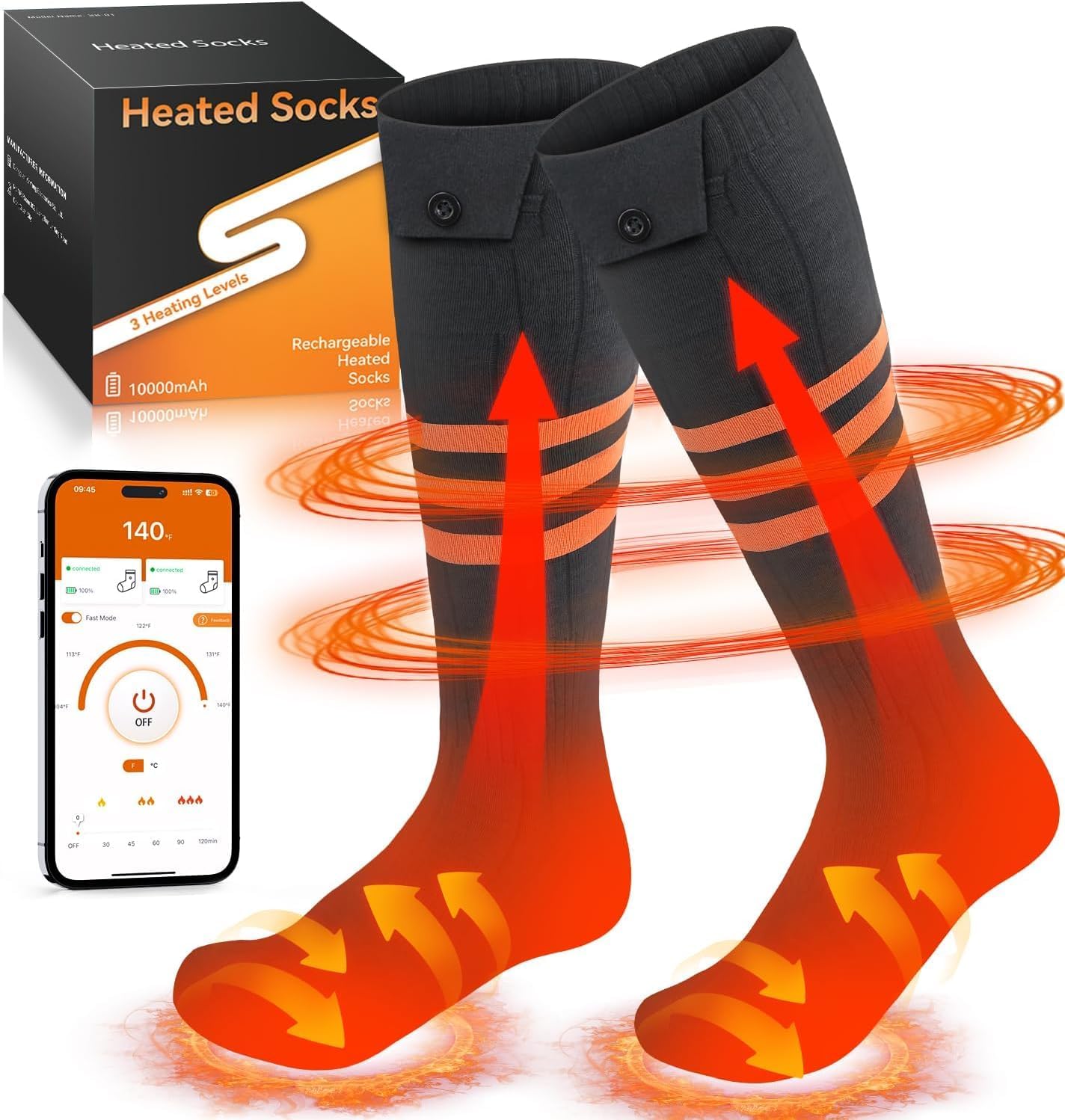
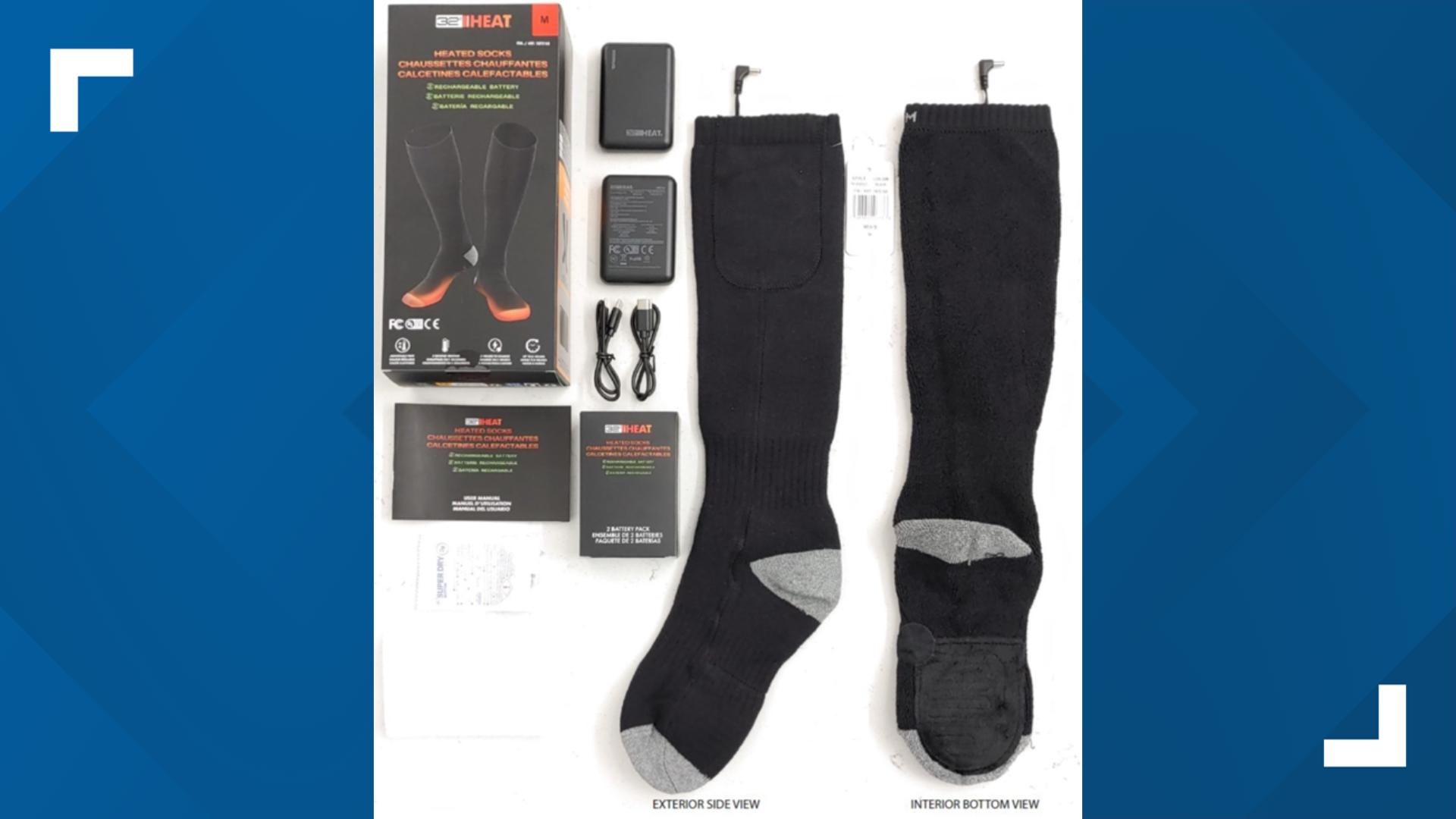
While these socks are not "heated" in the sense of electronic battery-operated components, the marketing terminology refers to "heat-trapping" capabilities. It is important for consumers to distinguish between active heating—which requires a power source—and passive thermal retention, which is the mechanism employed by 32 Degrees.
Comparing Retail Value and Cost-Efficiency
Costco’s procurement model relies on bulk distribution, which allows them to offer 32 Degrees socks at a lower price per pair than if they were purchased individually at department stores. For shoppers, this presents a significant value advantage.
| Feature | 32 Degrees (Costco Multi-pack) | Premium Merino Wool Brand |
|---|---|---|
| Material | Synthetic/Synthetic-Blend | Natural Merino Wool Blend |
| Primary Benefit | High-durability/Low-cost | High-moisture absorption/Odor control |
| Ideal Use | Daily commuting, light activities | Mountaineering, long-duration trekking |
| Maintenance | Machine wash, tumble dry low | Requires careful washing/air dry |
| Cost | Low (Bulk pricing) | High (Per pair pricing) |
The table above illustrates that while 32 Degrees socks may not match the specialized, high-intensity performance of premium mountaineering brands, they provide superior cost-efficiency for the general user. The "value" in the 32 Degrees proposition is found in the longevity of the synthetic material and the low cost of entry, allowing users to stock up on multiple pairs for the entire season.
Suitability for Diverse Cold-Weather Scenarios
The versatility of these socks makes them suitable for a variety of environments, ranging from cold-office settings to outdoor winter activities. However, it is essential to align expectations with the product’s design intent.
In urban environments—such as walking to public transit or working in poorly heated buildings—the 32 Degrees sock excels. Its low profile allows it to fit comfortably inside dress shoes or casual boots, unlike heavier wool hiking socks which may create pressure points or cause restricted blood flow when worn with tight footwear.
For high-intensity outdoor activities like skiing or snowshoeing, the limitations of synthetic-only socks become apparent. While they manage moisture well, they lack the natural antimicrobial properties found in wool, which can become a factor after multiple days of continuous, strenuous use. For the casual winter enthusiast, however, the performance gap between these synthetic socks and professional-grade wool is negligible, especially when considering the ease of machine washing and rapid drying cycles.
Maintenance and Longevity Best Practices
To maintain the warmth and shape of 32 Degrees socks, users should adhere to basic garment care protocols. The longevity of synthetic fibers can be compromised by excessive heat, which can break down the elastic components and degrade the moisture-wicking finish.
- Wash in Cold Water: Cold or lukewarm water is sufficient to remove odors and surface oils without damaging the synthetic yarns.
- Avoid Fabric Softeners: Softeners can coat the fibers with a thin layer of wax or silicone, which effectively blocks the moisture-wicking channels the sock relies on to keep feet dry.
- Low-Heat Drying: While convenient, high-heat tumble drying is the primary cause of elastic failure. Air drying or using a "low heat" or "delicate" cycle on a dryer will significantly extend the life of the product.
- Rotation: Even high-quality socks benefit from a rotation schedule. Allowing a pair to fully recover its shape and ensure complete evaporation of residual moisture between uses prevents permanent stretching of the fabric.
Troubleshooting Common Issues
Despite the high value of these socks, users may occasionally encounter issues related to fit or performance. Addressing these proactively can improve the user experience.
- Excessive Sliding: If the sock slips down the calf, it is often a sign that the elastic cuff has been stretched by high-heat drying. Ensure the sock is washed in cold water and dried on a low setting.
- Odor Retention: Synthetic fibers can trap body oils more readily than natural fibers. If odor becomes a recurring issue, consider a pre-soak in a solution designed for performance fabrics, or ensure the socks are removed promptly after long periods of activity to allow for adequate ventilation.
- Cold Spots: If the feet feel cold despite wearing the socks, the cause is often footwear constriction rather than the sock itself. When a boot is too tight, it compresses the insulating material, removing the air pockets that keep the foot warm. Ensure there is enough room in the toe box for circulation.
Selecting the Right Pair for Your Needs
When shopping at Costco, verify the specific sub-model of 32 Degrees socks available, as the brand produces varying weights, lengths, and blends tailored to specific seasonal collections. Examine the packaging for "heat" ratings or thickness descriptors if provided. In 2026, the available inventory often features updated fiber blends that emphasize both sustainability and enhanced thermal density. Check the packaging to see if the version being offered includes recycled polyester content, which has become more common in the brand's recent manufacturing iterations.
If you are a first-time purchaser, buying a single pack to test the fit with your daily footwear is recommended before committing to larger quantities. By focusing on the interplay between your choice of footwear and the insulating properties of these socks, you can optimize your personal comfort during the coldest months of the year.