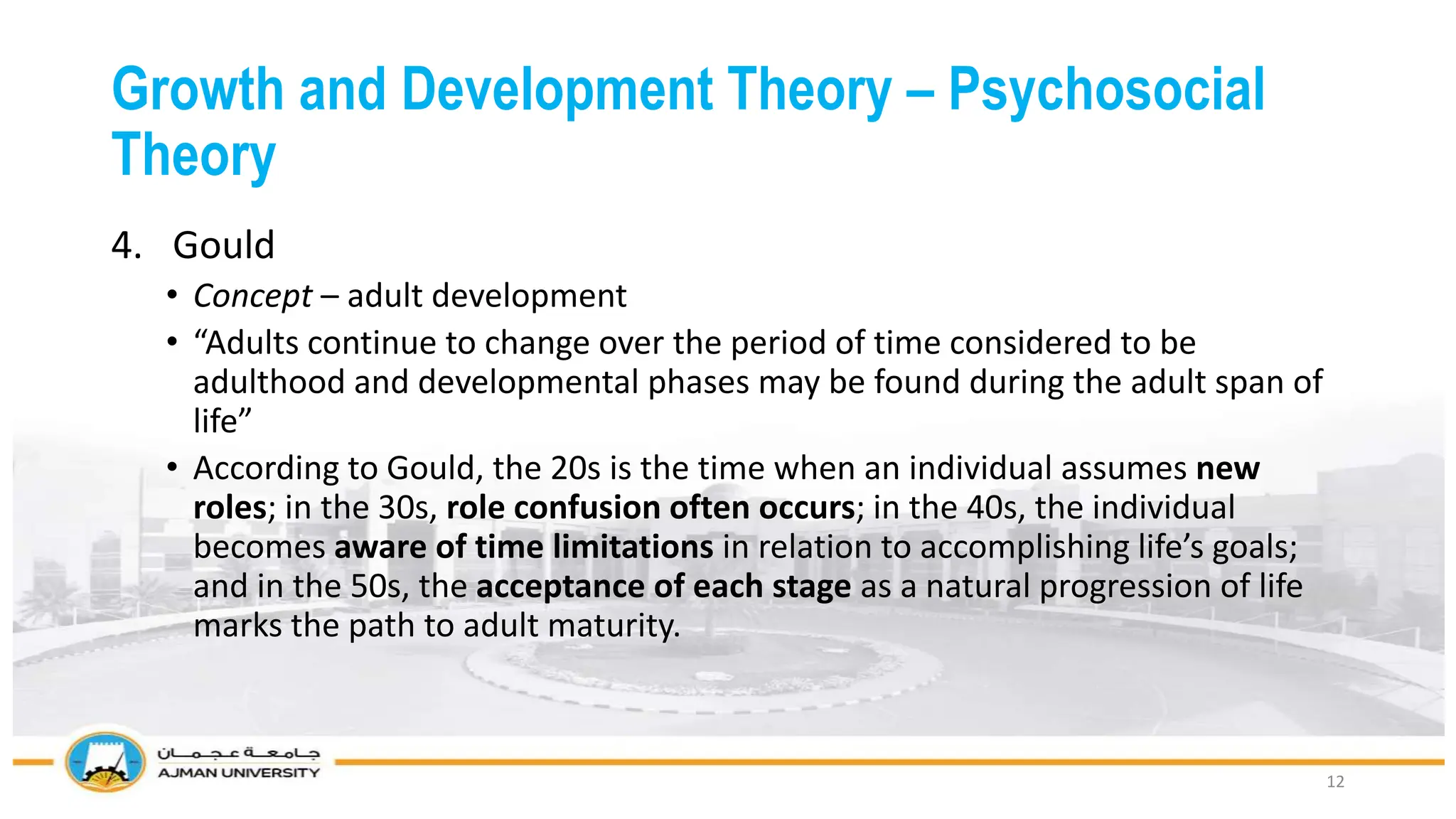
Strategic 30s development focuses on transitioning from early-career exploration to high-leverage skill specialization, leadership cultivation, structured wealth accumulation, and long-term health maintenance. By refining professional focus, optimizing financial portfolios, and prioritizing sustainable daily habits, individuals in their 30s convert initial experience into compound long-term personal and financial capital.
Understanding 30s Development: The Paradigm Shift
The fourth decade of life represents a critical inflection point in personal and professional growth. In popular discourse and professional consulting, the phrase "30s development" refers to the structured optimization of career, financial, and personal physical capital during one's thirties. While the term is occasionally used in specialized contexts—such as historical economic analysis of 1930s industrialization or rapid 30-second technical iteration loops—the overwhelmingly primary application centers on adult life-stage strategy.
During your twenties, development is largely exploratory. It revolves around acquiring broad skills, testing different industries, establishing baseline financial habits, and discovering personal preferences. In contrast, 30s development is defined by concentration, leverage, and compound returns. The overarching goal shifts from gathering optionality to exercising optionality—doubling down on proven strengths while pruning low-yield activities.
Navigating your thirties successfully requires recognizing that time, energy, and cognitive bandwidth become more constrained due to growing professional responsibilities, family commitments, and biological shifts. Consequently, strategic efficiency becomes paramount. Success in this decade relies on deliberate systems rather than unchanneled effort, ensuring that every unit of input generates compounding output across your career trajectory, investment portfolio, and personal well-being.
Professional Development: Transitioning from Execution to Leverage
Career progression in your thirties requires a fundamental shift in how value is generated. Early-career success relies heavily on individual output—executing tasks quickly and accurately. However, sustained professional advancement in your 30s depends on your ability to create strategic leverage through leadership, specialized domain authority, or systems architecture.
- Early Career (20s) (Focus: Execution & Skill Acquisition)
- Broad optionality
- High individual labor input
- Network expansion (quantity)
- Strategic 30s Development (Focus: Strategic Leverage & Compound Growth)
- T-shaped or M-shaped specialization
- Systemic leverage (people, capital, code)
- Strategic network depth (quality)
Developing T-Shaped and M-Shaped Skillsets
While entry-level professionals are often generalists, mid-career professionals must develop clear, defensible expertise. A T-shaped professional possesses broad foundation-level knowledge across multiple adjacent fields (the horizontal bar) combined with deep domain mastery in one specific area (the vertical stem).
As you advance through your 30s, transitioning toward an M-shaped profile—holding deep expertise in two or three intersecting domains—creates a distinct competitive advantage. For example, combining deep software engineering expertise with advanced financial modeling and organizational design positions an individual for rare executive roles that purely technical or purely managerial candidates cannot fulfill.
Navigating the Dual-Track Career Path
By mid-career, most professionals reach a critical junction: choosing between the Individual Contributor (IC) track and the Management/Executive track.
- The Management Path: Focuses on resource allocation, team development, organizational alignment, and strategic planning. Success here requires honing emotional intelligence, conflict resolution, delegation, and executive communication.
- The Advanced IC Path: Focuses on principal-level technical expertise, complex system design, and high-impact domain consultation. Success requires staying at the forefront of emerging tools, contributing to industry standards, and solving problem sets that junior staff cannot tackle.
Neither path is inherently superior. The key to 30s development is making an explicit choice based on your intrinsic strengths rather than defaulting to management due to perceived social expectations.
Network Rationalization: Quality and Depth Over Breadth
Networking strategies must evolve significantly during your 30s. The superficial contact collection of early career events gives way to high-trust, high-value professional relationships. Focus on cultivating a network composed of three primary groups:
- Peers and Collaborators: Equals in adjacent fields who provide operational insight, cross-industry perspectives, and honest feedback.
- Mentors and Sponsors: Senior leaders who offer strategic guidance and, crucially, advocate for your advancement behind closed doors.
- Mentees: Rising junior professionals whom you coach. Teaching others reinforces your own domain mastery while building long-term organizational loyalty.
Financial Architecture: Capital Growth and Risk Management
The financial landscape of your thirties often involves heightened complexity. Rising earnings coincide with major life milestones, such as buying property, raising children, caring for aging parents, or starting a business. Building a resilient financial architecture requires balancing wealth creation with defensive risk management.
Systemic Prevention of Lifestyle Creep
As income increases during your peak earning years, expenses tend to scale proportionally—a phenomenon known as lifestyle creep. Unchecked lifestyle creep delays financial independence and increases fixed cost burdens.
To counteract this, establish a fixed target savings and investment rate (typically 20% to 35% of gross income) and automate allocations before calculating disposable discretionary income. When bonuses, promotions, or equity vests occur, direct a pre-committed percentage (e.g., 50% or more) straight into long-term investment vehicles before updating your baseline lifestyle standard.
Capital Allocation and Asset Wealth Building
Financial development in your 30s must prioritize equity acquisition over pure cash savings. Inflation erodes uninvested capital; compound interest requires time to generate significant returns.
- Retirement Vehicles: Maximize contributions to tax-advantaged accounts (such as employer 401(k) matches, IRAs, or equivalent national pension schemes).
- Investment Portfolio Diversification: Maintain a growth-oriented asset allocation balanced across broad-market index funds, real estate equity, and targeted single-asset exposures suited to your risk tolerance.
- Liquidity Management: Maintain an emergency reserve equivalent to 3 to 6 months of baseline living expenses held in high-yield, liquid instruments to insulate long-term investments from unexpected liquidations during market downturns.
Risk Mitigation and Protection Mechanisms
Wealth accumulation is incomplete without comprehensive asset protection. In your 30s, establishing appropriate insurance coverage transitions from an optional safeguard to a structural necessity:
- Term Life Insurance: Secure adequate term life policies during your 30s while premiums remain cost-effective, particularly if you have dependents or outstanding mortgage debt.
- Disability Insurance: Protect your primary income generator—your ability to work—by obtaining own-occupation disability coverage.
- Estate Planning: Draft core legal documents, including wills, durable powers of attorney, and healthcare directives, to ensure seamless asset distribution and decision-making during emergencies.
Physical and Cognitive Optimization
Career and financial achievements are unsustainable without maintaining physical and mental stamina. Biological changes in your 30s mean that poor recovery practices, improper nutrition, and chronic stress yield immediate performance drops compared to your 20s.
Preventative Healthcare and Biological Maintenance
In your 30s, metabolic rate naturally declines, muscle mass begins to decrease unless actively preserved, and joint wear becomes noticeable. Shift your physical health strategy from reactive treatment to proactive optimization:
- Resistance Training: Prioritize progressive strength training at least 3 to 4 times per week to maintain skeletal muscle mass, bone density, and metabolic health.
- Cardiovascular Fitness: Incorporate both Zone 2 endurance training for mitochondrial efficiency and high-intensity interval training (HIIT) for maximum oxygen uptake ($VO_2$ max).
- Biometric Tracking: Conduct annual comprehensive blood panels (monitoring lipid profiles, inflammatory markers, hormone levels, and metabolic indicators) to establish baseline trends and catch health deviations early.
Sleep Architecture and Stress Management
High professional demand requires disciplined recovery. Chronic sleep deprivation impairs cognitive performance, executive function, emotional regulation, and hormonal balance.
- Sleep Architecture & Recovery Cycle
- Daily Circadian Rhythm
- Fixed sleep/wake schedules
- Evening light reduction
- Temperature regulation
- Cognitive Load
- Deep work blocks (90 min)
- Digital sunset protocols
- Deliberate downtime
- Daily Circadian Rhythm
Establishing robust sleep hygiene—maintaining consistent sleep and wake schedules, limiting blue light exposure 2 hours before sleep, keeping sleeping quarters cool and dark, and avoiding late-night alcohol consumption—is fundamental to maintaining peak daily cognitive output.
Comparative Matrix: 20s vs. 30s Development Strategies
The strategic priorities governing life development shift noticeably across decades. The table below outlines how key parameters change as you transition from your 20s into your 30s:
| Development Dimension | 20s Strategy (Exploration & Acquisition) | 30s Strategy (Leverage & Optimization) |
|---|---|---|
| Primary Career Objective | Broad skill acquisition, resume building, testing pathways | Domain specialization, leadership, systemic leverage |
| Skill Acquisition Style | Horizontal generalist learning, trial-and-error | T-shaped or M-shaped deep mastery, focused execution |
| Network Management | Expanding network volume, attending broad events | Strategic relationship depth, high-trust mentorship |
| Financial Focus | Establishing baseline savings, paying down initial debt | Wealth compounding, tax optimization, risk management |
| Asset Allocation | High liquidity, baseline retirement starters | Diversified equities, real estate, tax-advantaged vehicles |
| Health & Fitness | High recovery capacity, reactive exercise habits | Structured resistance training, preventive biometrics |
| Time Management | High availability, flexible schedule commitments | Strict boundaries, task delegation, deep work prioritization |
| Risk Tolerance | High personal risk capacity, experimental decisions | Calculated risk management, structural downside protection |
Navigating Common Mid-Career Pitfalls
Even well-structured 30s development plans can founder on predictable mid-career traps. Identifying these structural hazards early allows for proactive adjustment before significant damage occurs.
1. The "Golden Handcuffs" Dilemma
As compensation grows, professionals often build lifestyles reliant on high annual income. This financial trap forces individuals to remain in high-stress, unfulfilling, or stagnating roles simply to sustain baseline expenditures.
Mitigation: Maintain fixed living costs below your income ceiling. Continuously build an independent financial buffer ("runway") that gives you the leverage to walk away from toxic environments, negotiate better terms, or execute strategic career transitions.
2. Professional Burnout and Over-Extension
In your 30s, career demands often peak at the exact moment personal and family responsibilities expand. Attempting to maintain early-career work hours while taking on major personal commitments inevitably leads to physical and emotional exhaustion.
Mitigation: Transition from working longer to working smarter. Master the art of clear, non-confrontational refusal ("strategic nos"), delegate non-core tasks, and enforce strict boundaries between deep professional work and personal recovery time.
3. Skill Stagnation and Technical Obsolescence
Mid-career professionals often fall into the trap of relying entirely on skills acquired early in their careers. As industry paradigms shift due to technological advancement, static skills rapidly lose value.
Mitigation: Allocate 5% to 10% of your weekly working hours strictly to learning. Read contemporary academic and industry literature, take advanced certifications, and experiment with modern workflow tools to remain competitive.
Practical Action Plan for Strategic Execution
To implement a robust 30s development strategy, break down long-term goals into clear operational steps:
- Conduct a Mid-Career Audit: Evaluate your current position across three core pillars: Career (Leverage & Trajectory), Wealth (Net Worth & Savings Rate), and Health (Physical Biometrics & Sleep Quality). Identify the weakest link in your system.
- Define Your Core Track: Decide explicitly whether your next five years will focus on deep individual contribution or organizational leadership. Align your skill acquisition and project choices accordingly.
- Automate Capital Allocation: Set up automatic monthly transfers to direct fixed percentages of your income toward retirement accounts, broad-market index funds, and liquid emergency reserves.
- Establish Health Baselines: Schedule a comprehensive preventative medical exam including detailed blood work. Build a non-negotiable exercise schedule featuring 3 resistance sessions and 2 endurance sessions per week.
- Prune Non-Essential Commitments: Review your weekly calendar. Eliminate or delegate low-value meetings, unrewarding social obligations, and low-leverage tasks that detract from high-impact work and rest.
Frequently Asked Questions
How can I pivot to a new career in my 30s without starting from scratch?
Pivoting careers in your 30s relies on identifying and framing your transferable skills—such as project management, strategic analysis, team leadership, or technical problem-solving—to target adjacent industries. Rather than applying for entry-level roles, target mid-tier positions where your domain mastery or operational leadership translates directly, using targeted upskilling (certifications or short-term courses) to bridge minor technical knowledge gaps.
What financial milestones should take priority during my 30s?
The primary financial priorities for your 30s are: establishing a fully funded 3-to-6-month emergency reserve, eliminating all high-interest consumer debt, maximizing annual tax-advantaged retirement contributions, obtaining adequate term life and disability insurance, and building a liquid investment portfolio aimed at generating compound passive growth.
Is it too late to learn complex technical skills in your 30s?
No. Cognitive capacity for complex problem-solving remains strong throughout your 30s. Adults in their 30s often learn technical skills more efficiently than younger students because they bring superior self-regulation, clearer goal alignment, and real-world context to the learning process. Focusing on structured, project-based application accelerates skill retention.
How should networking strategies change in your 30s compared to your 20s?
Networking in your 30s should pivot from broad, high-volume contact collection to depth, trust, and targeted strategic alignment. Instead of attending generic networking mixers, focus on high-impact professional associations, specialized working groups, peer advisory boards, and one-on-one relationships with key mentors, industry leaders, and rising talent.
How do I prevent professional burnout while accelerating my career in my 30s?
Burnout prevention requires strict boundary management, effective delegation, and systematic physical recovery. Focus on output quality rather than sheer hours worked. Build non-negotiable daily recovery blocks, prioritize regular physical exercise and sleep hygiene, and regularly delegate operational tasks to free up cognitive bandwidth for strategic execution.
Strategic Action Steps for Decade-Long Growth
Maximizing growth during your thirties requires turning overarching philosophy into consistent operational habits. The ultimate metric of success in 30s development is not short-term intensity, but sustained consistency over a multi-year horizon.
Begin by scheduling a semi-annual review weekend dedicated entirely to reviewing your personal metrics. Assess your financial net worth growth, career trajectory progress, physical biometrics, and personal relationships against your long-term benchmarks. Make incremental adjustments to your systems, eliminate low-yield obligations, and reinvest in the high-leverage activities that build compound personal capital. By applying disciplined focus to your career, investments, and health, your thirties will serve as the engine for long-term independence and lasting achievement.
EDITORIAL CATEGORY METADATA: