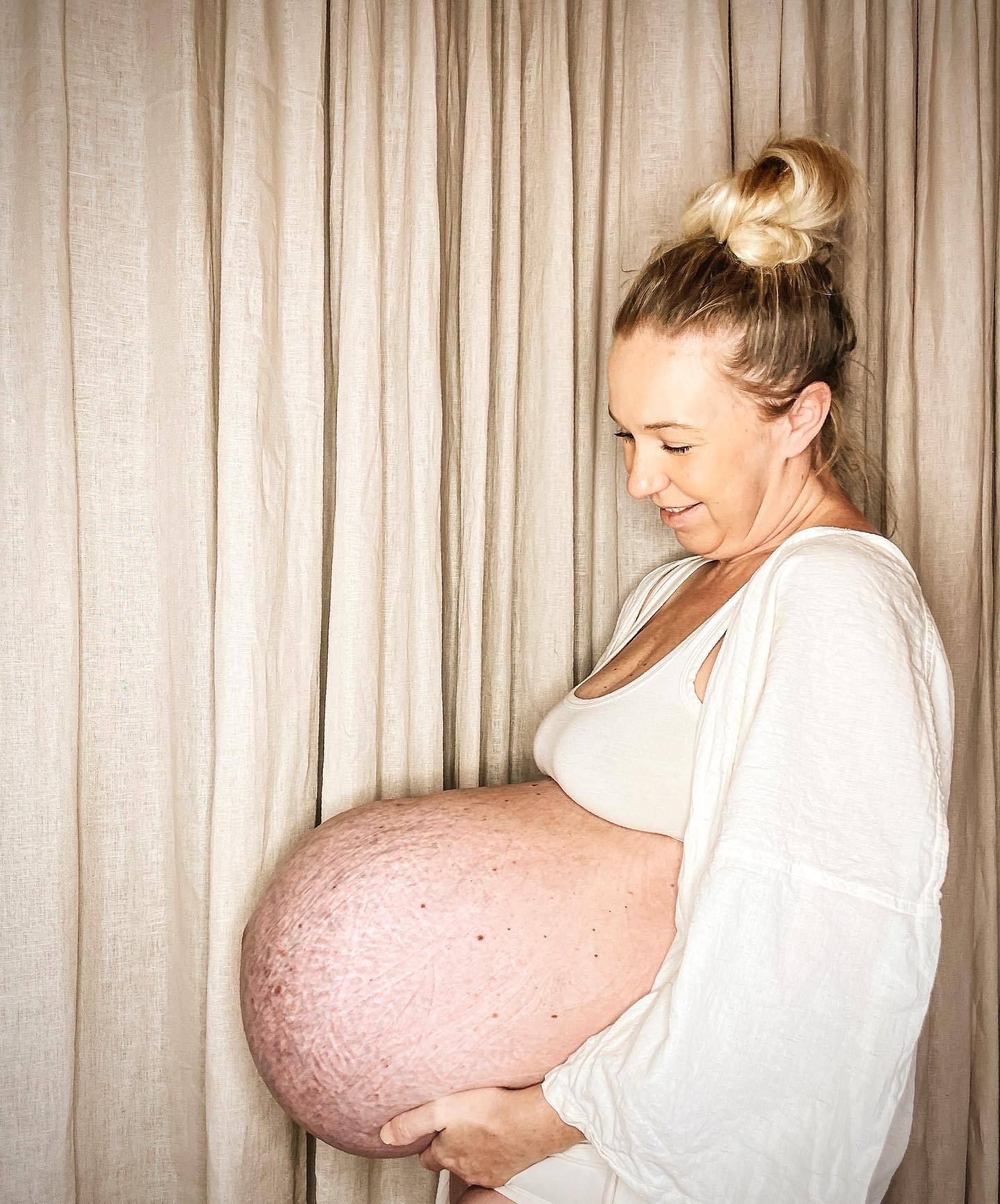
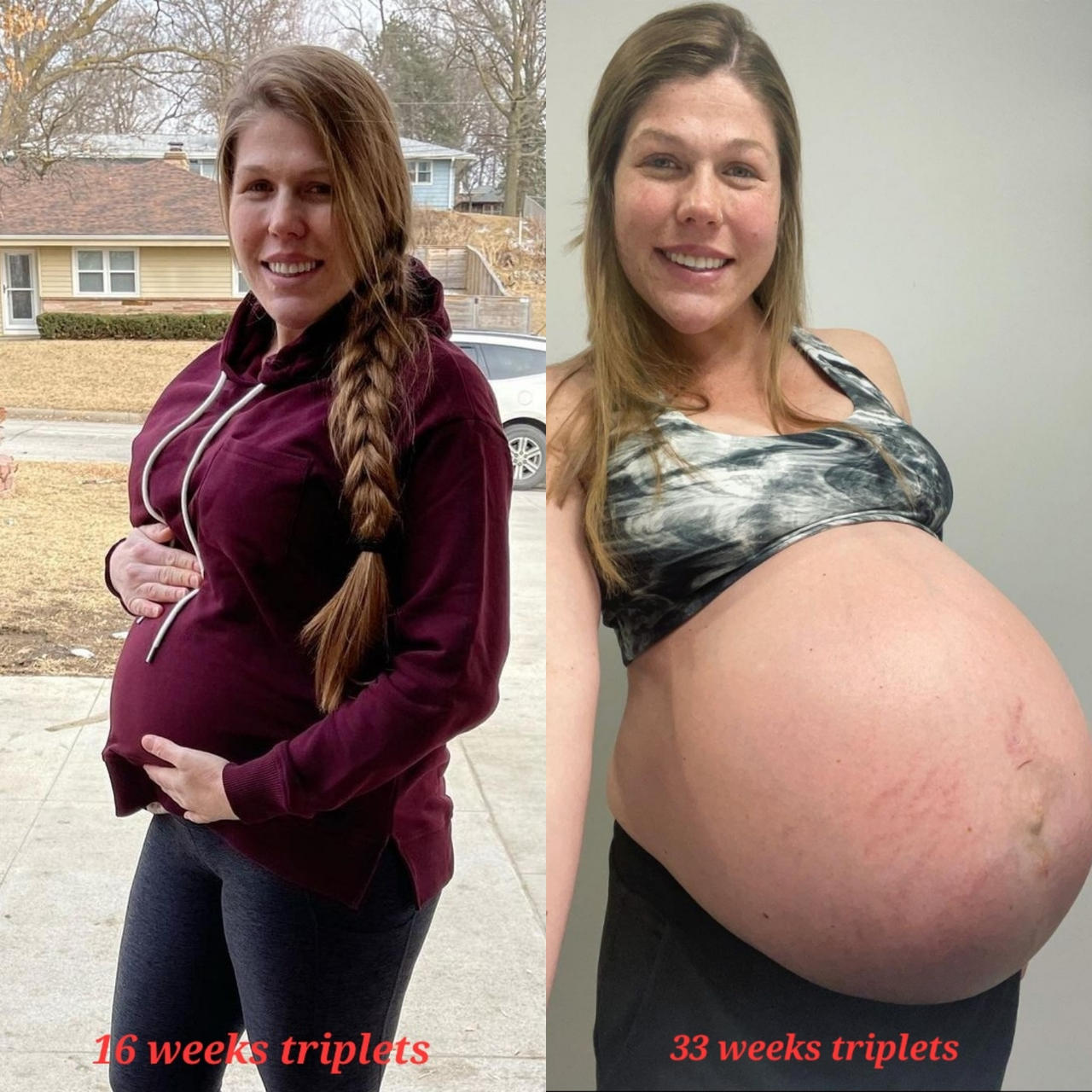
Reaching 30 weeks pregnant with triplets is a monumental milestone, as it marks the transition into the "home stretch" of a high-risk pregnancy. At this stage, your primary goals are monitoring for preterm labor, ensuring maximum fetal growth, and managing significant physical discomfort. Survival rates for triplets born at 30 weeks are exceptionally high, often exceeding 95% with modern NICU care.
The Significance of the 30-Week Milestone in Triplet Pregnancies
In the world of multiples, 30 weeks is a celebratory threshold. While a full-term singleton pregnancy lasts 40 weeks, the average delivery for triplets occurs between 32 and 34 weeks. By reaching 30 weeks, you have significantly reduced the risks associated with extreme prematurity. At this point, the babies' organs are well-developed, and while they would still require specialized care in a Neonatal Intensive Care Unit (NICU), their long-term prognosis is generally excellent.
The physiological demands on the mother reach their peak around this time. Your uterus has likely expanded to the size of a full-term singleton pregnancy—or larger—measuring approximately 40 to 45 centimeters in fundal height. This displacement of internal organs affects everything from your breathing capacity to your digestive efficiency. Understanding that this period is both a physical challenge and a medical triumph helps in maintaining the mental fortitude required for the final weeks of gestation.
Medical professionals often refer to this stage as the "holding zone." Every additional day the babies remain in utero allows for critical brain development and lung maturation. In 2026, healthcare protocols continue to emphasize the importance of "buying time" through modified bed rest, hydration, and intensive monitoring to push toward the 32 or 34-week goal.
Fetal Development: What’s Happening with the Trio
At 30 weeks, each of your three babies is approximately the size of a large head of cabbage. Individually, they likely weigh between 2.5 and 3.5 pounds (1.1 to 1.6 kg). Although they are crowded, they are still remarkably active, and you may feel a constant "rolling" sensation as they jostle for position.
Lung Maturation and Surfactant Production
One of the most critical developments at 30 weeks is the production of surfactant. This substance coats the inside of the air sacs in the lungs, allowing them to stay open and breathe air after birth. While triplet lungs are still immature compared to singleton lungs, they are rapidly approaching the point where they can function with minimal assistance. Many doctors will proactively administer a course of antenatal corticosteroids around this time to accelerate this process in case of sudden preterm delivery.
Brain and Nervous System Growth
The babies' brains are no longer smooth; they are developing the characteristic grooves and folds (sulci and gyri) that increase surface area for neurons. Their nervous systems are now sophisticated enough to regulate body temperature to some degree, though they will still need the warmth of an incubator if born now. Their eyes can open and close, and they are beginning to follow light patterns through the thinning wall of your abdomen.
Fat Deposition
The "filling out" phase is in full swing. The babies are accumulating white fat under their skin, which will help them regulate their glucose levels and maintain body heat after birth. In a triplet pregnancy, growth may begin to slow slightly after 30 weeks due to space constraints, which is why your medical team will use frequent ultrasounds to ensure all three babies are continuing to follow their individual growth curves.
Maternal Physical Changes and Managing Discomfort
Being 30 weeks pregnant with triplets means carrying anywhere from 8 to 12 pounds of baby, plus three placentas and three sets of amniotic fluid. This creates an enormous amount of pressure on the pelvic floor, spine, and diaphragm.
Respiratory and Digestive Impact
As the uterus pushes upward, your lungs have less room to expand. Shortness of breath is common even when resting. To manage this, keep your upper body elevated with pillows while sleeping. Digestion also slows significantly. Heartburn and acid reflux are often severe because the stomach is compressed. Eating six to eight tiny "snack-meals" rather than three standard meals can help mitigate the discomfort and ensure you are still getting the 3,000 to 3,500 calories often recommended for triplet gestations.
Edema and Vascular Pressure
Swelling (edema) in the feet, ankles, and hands is frequent due to increased blood volume and the weight of the uterus compressing the vena cava. While some swelling is normal, sudden or extreme swelling, especially in the face or hands, requires immediate medical evaluation to rule out preeclampsia—a condition that occurs at a much higher rate in multiple pregnancies.
The "Octopus" Sensation
At 30 weeks, you are likely feeling "triple the kicks." With twelve limbs moving simultaneously, the sensations can be overwhelming and sometimes painful, especially if a foot gets lodged under your ribs or a head presses against your bladder. Tracking "kick counts" is still important, but it can be difficult to distinguish which baby is which. Focus on general patterns of movement and contact your provider if you notice a significant decrease in overall activity.
Medical Monitoring and Potential Complications
In 2026, the standard of care for a 30-week triplet pregnancy involves high-frequency surveillance. You will likely be seeing your Maternal-Fetal Medicine (MFM) specialist once or twice a week.
| Monitoring Type | Frequency at 30 Weeks | Primary Goal |
|---|---|---|
| Non-Stress Test (NST) | 1-2 times weekly | Monitor fetal heart rates and uterine contractions. |
| Biophysical Profile (BPP) | Weekly | Assess amniotic fluid levels, fetal breathing, and movement. |
| Cervical Ultrasound | Every 1-2 weeks | Check for shortening or "funneling" of the cervix. |
| Blood Pressure Checks | Daily (at home) / Weekly (office) | Screen for the onset of preeclampsia or gestational hypertension. |
| Growth Ultrasound | Every 2-3 weeks | Ensure all three babies are growing at an appropriate and similar rate. |
Preeclampsia and Gestational Diabetes
Multiple pregnancies place a higher stress on the placenta, which increases the risk of preeclampsia. Symptoms include high blood pressure, protein in the urine, and vision changes. Similarly, the hormonal output of three placentas makes blood sugar regulation more difficult, increasing the risk of gestational diabetes. Strict adherence to the diet and monitoring plans provided by your specialist is vital for reaching your delivery goals.
Signs of Preterm Labor
Distinguishing between Braxton Hicks (practice) contractions and real labor is challenging. At 30 weeks with triplets, any more than four to six contractions in an hour, especially if they are rhythmic or accompanied by lower back pain or pelvic pressure, warrants a call to your delivery hospital. Many triplet mothers are placed on "modified activity" or pelvic rest to reduce the mechanical pressure on the cervix.
Triple the Tips: Essential Preparation for the Final Weeks
To navigate the complexities of this stage, you need specialized strategies. Here are the "triple tips" for health, home, and hospital.
Tips for Physical Health and Comfort
- Prioritize Protein and Hydration: Aim for 150–175 grams of protein daily. Protein is the building block for fetal tissue and helps manage maternal swelling by keeping fluid inside the blood vessels. Drink at least 100 ounces of water daily; dehydration is a leading trigger for uterine irritability and contractions.
- Utilize Compression and Support: Wear medical-grade compression stockings to aid circulation and a heavy-duty maternity support belt to lift the weight of the babies off your pelvis and lower back.
- The "Left Side" Rule: Sleep on your left side to maximize blood flow to the placentas and kidneys. Use a "U-shaped" pregnancy pillow to support your belly and back simultaneously.
Tips for Home and Logistics
- Finalize the Nursery Now: Do not wait. If you are 30 weeks, you may only have 14 to 20 days left of pregnancy. Ensure the cribs are assembled and the "triplet station" (a centralized area for feeding and diapering) is fully stocked.
- Meal Prepping for the Fourth Trimester: You will not have time to cook once three infants arrive. Spend your limited energy now ordering or preparing frozen meals that can be reheated with one hand.
- Coordinate a Support System: Triplet parenting is a "six-hand" job. Set up a rotating schedule for family or friends to help with laundry, cleaning, or holding babies so you can sleep once you return from the hospital.
Tips for Hospital and NICU Readiness
- Pack Three of Everything: When packing your hospital bag, ensure you have three distinct sets of "going home" outfits in different sizes (Preemie and Newborn), as babies in a triplet set often vary in weight.
- Take the NICU Tour: Almost all triplets spend some time in the NICU. Familiarizing yourself with the equipment, the sounds of the monitors, and the hospital’s "rooming-in" policies will significantly reduce your anxiety on delivery day.
- Choose Your Pediatrician: Ensure your chosen pediatrician is comfortable managing multiple preemies and has experience with the specific developmental milestones associated with triplets.
Frequently Asked Questions
Is it normal to be on bed rest at 30 weeks with triplets?
In 2026, many doctors prefer "modified activity" over strict hospital bed rest unless there is a specific medical indication like a shortened cervix or preeclampsia. However, many women find that by 30 weeks, they are "self-imposed" on bed rest simply because walking and standing become extremely difficult and trigger contractions. Listen to your body and follow your MFM's specific instructions.
What is the average weight for triplets at 30 weeks?
The average weight for an individual triplet at 30 weeks is approximately 3 lbs (1,360 grams). It is common for one baby to be slightly smaller than the others. Doctors look for "concordance," meaning the babies are growing at relatively similar rates. A weight discrepancy of more than 20% between the largest and smallest baby may require more frequent monitoring.
Will I definitely need a C-section for triplets?
While some mothers of twins can deliver vaginally, triplets are almost universally delivered via scheduled Cesarean section. This is primarily for the safety of the babies, as the positioning of the "higher" babies can become precarious once the first baby is delivered, and the risk of cord prolapse or placental abruption is higher in a triplet delivery.
How do I know if I'm in real labor?
Real labor contractions usually become longer, stronger, and closer together. In a triplet pregnancy, you may also feel a "tightening" that doesn't go away or a persistent dull ache in your lower back. Because the uterus is so stretched, you might not feel "textbook" contractions. If you have any doubt, it is always safer to go to the hospital for a fetal monitor strip.
Should I be worried about "vanishing twin" syndrome at 30 weeks?
No. Vanishing twin syndrome refers to the loss of a fetus in the first trimester. At 30 weeks, any loss would be considered a stillbirth, which is rare but monitored for through the frequent NSTs and BPPs you are receiving. The focus at 30 weeks is on managing the health and delivery of three viable infants.
How much weight should I have gained by 30 weeks?
For a triplet pregnancy, a total weight gain of 40 to 60 pounds is common by 30 weeks. Weight gain is most critical in the second trimester and early third trimester to ensure the babies have enough reserves. If your weight gain has stalled at 30 weeks due to a lack of stomach space, consult your doctor about high-calorie nutritional supplements.
Practical Recommendation for the Coming Week
As you move into week 31, your primary action item should be a "hospital dry run." Map out the fastest route to the hospital, ensure your car's gas tank is always at least half full, and have your hospital bags by the door. Because triplet deliveries often happen unexpectedly, having the logistics settled allows you to focus entirely on your physical health. Additionally, use this week to practice deep-breathing exercises and pelvic floor relaxation, which can help manage the intense pressure and prepare your body for the recovery process following delivery.