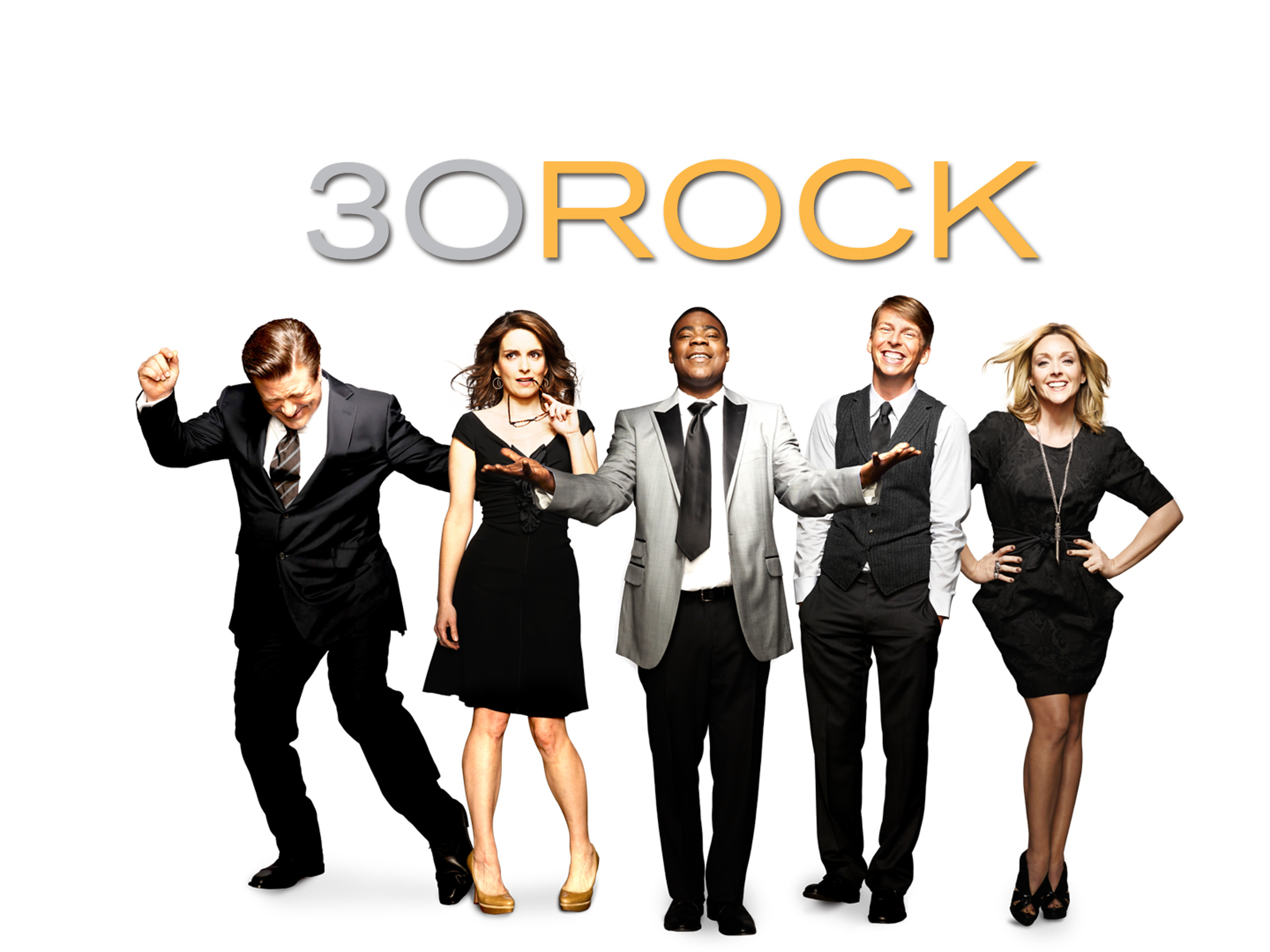
30 Rock is an American satirical television sitcom created by Tina Fey that originally aired on NBC from 2006 to 2013. The show follows the chaotic behind-the-scenes life of Liz Lemon, the head writer of a fictional sketch comedy show, as she navigates corporate interference, eccentric talent, and her own pursuit of "having it all."
While more than a decade has passed since its series finale, 30 Rock remains a cornerstone of modern television comedy. As of 2026, it continues to enjoy a robust life in digital syndication and streaming, praised for its dense joke writing, surrealist humor, and prescient satire of corporate media culture. This guide explores the show's origins, its enduring presence in the 2026 media landscape, and why it remains a critical case study in television production and comedy writing.
The Origins and Premise of 30 Rock
The title "30 Rock" refers to 30 Rockefeller Plaza in New York City, the historic home of the NBC television network. The show was born from Tina Fey’s real-world experiences as the head writer of Saturday Night Live (SNL). Fey envisioned a series that mirrored the high-stress, late-night environment of a live variety show, but with a heightened, satirical lens.
The narrative centers on TGS with Tracy Jordan (originally titled The Girlie Show), a weekly live comedy program. The protagonist, Liz Lemon (Tina Fey), is the show’s weary but dedicated showrunner. Her world is upended in the pilot episode when a new corporate executive, Jack Donaghy (Alec Baldwin), is assigned to oversee her department. Donaghy represents the corporate interests of General Electric (the real-world owner of NBC at the start of the series), and his interference—specifically forcing Liz to hire the erratic movie star Tracy Jordan—sets the stage for the series' central conflict between art and commerce.
One of the show's most distinctive features is its "meta" approach. It frequently breaks the fourth wall, references its own parent network's real-world struggles, and parodies the actual corporate mergers occurring at the time (such as the transition from GE ownership to "Kabletown," a thinly veiled parody of Comcast). This transparency allowed the show to function as both a workplace comedy and a sharp critique of the very industry that produced it.
Character Dynamics and the Core Cast
The success of 30 Rock relied heavily on its ensemble cast, which balanced grounded performances with cartoonish absurdity. The chemistry between Tina Fey and Alec Baldwin served as the show's emotional and intellectual anchor.
Liz Lemon and Jack Donaghy
The relationship between Liz and Jack is arguably the most complex "platonic romance" in television history. Jack Donaghy serves as Liz’s mentor, frequently attempting to "re-educate" her on everything from corporate branding to her dating life. Despite their diametrically opposed political and social views, the two develop a deep mutual respect. In 2026, critics still point to this dynamic as a masterclass in character development, where two characters can evolve together without the need for a forced romantic subplot.
The Stars: Tracy Jordan and Jenna Maroney
Tracy Jordan (Tracy Morgan) and Jenna Maroney (Jane Krakowski) represent the "talent" side of the industry. Tracy is a loose cannon with a heart of gold, while Jenna is a pathologically insecure musical theater veteran. Their constant demands for attention and validation provide much of the show’s surrealist humor. Krakowski’s performance, in particular, has been lauded for its physicality and comedic timing, often stealing scenes with Jenna’s desperate attempts to stay relevant in an age of "youth-oriented" media.
The Support System: Kenneth Parcell
Kenneth (Jack McBrayer), the hyper-optimistic NBC page, serves as the show's moral compass—or perhaps its most mysterious entity. Kenneth’s undying love for television and his seemingly immortal nature became a recurring "Easter egg" for fans. The character highlights the contrast between the cynical, jaded writers and the pure-hearted fans who believe in the "magic of the small screen."
Streaming Access and Viewing Options in 2026
For viewers looking to watch or revisit the series in 2026, the licensing landscape is relatively stable compared to the "streaming wars" of the early 2020s. Because the show is an NBCUniversal property, its primary digital home remains Peacock.
Where to Watch 30 Rock Today
- Peacock: As the flagship streaming service for NBCUniversal, Peacock carries the entire library of 30 Rock in high definition. Subscribers usually have access to all seven seasons as part of the standard premium tier.
- Digital Purchase: For those who prefer permanent ownership, the series is available for purchase on platforms like Amazon Prime Video, Apple TV, and the Google Play Store. In 2026, these digital copies often include legacy bonus features like deleted scenes, gag reels, and "Behind the Scenes" featurettes that were originally released on DVD sets.
- Physical Media: While streaming is dominant, the Blu-ray "Complete Series" sets remain highly sought after by collectors for their superior bitrates and unedited audio tracks. Some collectors note that physical versions are the only way to view certain episodes that were removed from streaming platforms in 2020 due to sensitivities regarding historical comedic choices.
Technical Achievement and Writing Style
30 Rock is frequently cited by comedy writers as one of the most "dense" shows ever produced. "Density" in this context refers to the jokes-per-minute (JPM) ratio. The show utilizes a rapid-fire delivery system that includes:
- Cutaway Gags: Similar to Family Guy but often more grounded in character history, these quick flashes provide visual punchlines to dialogue.
- Visual Puns: Background elements, such as posters for fake NBC shows (e.g., Milf Island, Gold Case, or The Rural Juror), offer rewards for attentive viewers.
- Symmetry in Writing: Jokes introduced in the first act often pay off in the third act with mathematical precision.
The show also experimented with its format. Notably, it produced two "Live" episodes (Season 5, Episode 4 and Season 6, Episode 19). These were performed twice—once for the East Coast and once for the West Coast—mimicking the actual production of Saturday Night Live. These episodes demonstrated the cast's background in improv and live theater, further solidifying the show's technical pedigree.
30 Rock vs. Comparable Workplace Comedies
To understand 30 Rock's place in the television pantheon, it is helpful to compare it to other major workplace comedies of its era. While shows like The Office focused on the mundanity of corporate life, 30 Rock leaned into the absurdity of celebrity and media.
| Feature | 30 Rock | The Office (US) | Parks and Recreation |
|---|---|---|---|
| Primary Setting | Corporate Media (NBC) | Paper Sales (Dunder Mifflin) | Local Government |
| Humor Style | Satirical, Surreal, Meta | Cringe, Mockumentary | Optimistic, Character-driven |
| Pacing | Extremely Fast (High JPM) | Slow/Deliberate | Moderate to Fast |
| Protagonist | Cynical/Overworked (Liz Lemon) | Well-meaning/Incompetent (Michael Scott) | Relentlessly Positive (Leslie Knope) |
| Core Satire | Corporate Greed & Celebrity | Bureaucracy & Office Politics | Local Politics & Community |
Cultural Legacy and Influence
In 2026, the influence of 30 Rock is visible in a variety of modern sitcoms and digital content. It pioneered a style of "informed satire" that assumed the audience was savvy about industry jargon and corporate structures.
The show accurately predicted several media trends, including:
- Vertical Integration: The satire of GE buying NBC and then being bought by a cable company mirrored real-world consolidations.
- The Rise of Niche Content: Jokes about NBC's "low-rated but critically acclaimed" status echoed the real-world fragmentation of the television audience.
- The "Workplace Family": While many shows use this trope, 30 Rock dissected the toxicity and necessity of these bonds in high-pressure environments.
Furthermore, the character of Liz Lemon became a cultural icon for professional women, albeit a complicated one. Her struggle to "have it all" (career, family, and a decent sandwich) resonated with a generation of viewers navigating similar pressures. Liz’s flaws—her awkwardness, her occasional selfishness, and her food obsessions—made her more relatable than the idealized female leads of previous eras.
Frequently Asked Questions
Why was the show called 30 Rock?
The name is short for 30 Rockefeller Plaza, which is the address of the Comcast Building (formerly the GE Building) in Midtown Manhattan. This building houses the NBC Studios where Saturday Night Live and The Tonight Show are filmed. The physical location is as much a character in the show as the actors themselves, representing the heights of media power.
Is 30 Rock based on a true story?
While not a "true story" in the literal sense, it is heavily autobiographical for Tina Fey. Many of the situations Liz Lemon faces were inspired by Fey’s tenure as head writer at SNL. For example, the stress of managing a diverse writing staff and dealing with the erratic schedules of famous guest stars were all drawn from her real-world experiences.
Why were some episodes removed from streaming?
In 2020, at the request of Tina Fey and NBCUniversal, four episodes were removed from streaming services and syndication due to the use of blackface in comedic sketches. Fey issued a public apology, stating that the intent of the episodes (which was to satirize the history of race in entertainment) did not justify the use of the trope. As of 2026, these episodes remain largely absent from official digital platforms but are often found on original physical DVD and Blu-ray releases.
Did 30 Rock win any Emmy Awards?
Yes, the series was a critical darling during its run. It won a total of 16 Primetime Emmy Awards and received 103 nominations. Notably, it won "Outstanding Comedy Series" for three consecutive years (2007, 2008, and 2009). Alec Baldwin and Tina Fey also won multiple individual awards for their performances.
Is there a 30 Rock reunion or sequel?
In 2020, a special "One Night Only" reunion aired as a promotional event for the launch of the Peacock streaming service. While it featured the original cast in character, it was primarily a scripted "upfront" presentation rather than a traditional narrative revival. As of 2026, there have been no official announcements regarding a new season or a movie, as the creators have expressed a desire to let the original series stand on its own.
Rewatching 30 Rock: A Professional Recommendation
For those planning a rewatch in 2026, the best approach is to watch the series chronologically to appreciate the long-form character development of Jack Donaghy. While the show is famous for its "joke-a-minute" style, the underlying emotional arc—Jack’s transition from a cold capitalist to a man seeking genuine legacy, and Liz’s journey toward finding balance—is what gives the series its lasting power.
If you are a first-time viewer, pay close attention to the background of the scenes. Much of the show’s best humor is hidden in the set design, ticker tapes at the bottom of news broadcasts, and the titles of books on the characters' desks. 30 Rock is one of the few sitcoms that genuinely rewards multiple viewings, as the speed of the dialogue makes it nearly impossible to catch every punchline on the first pass.