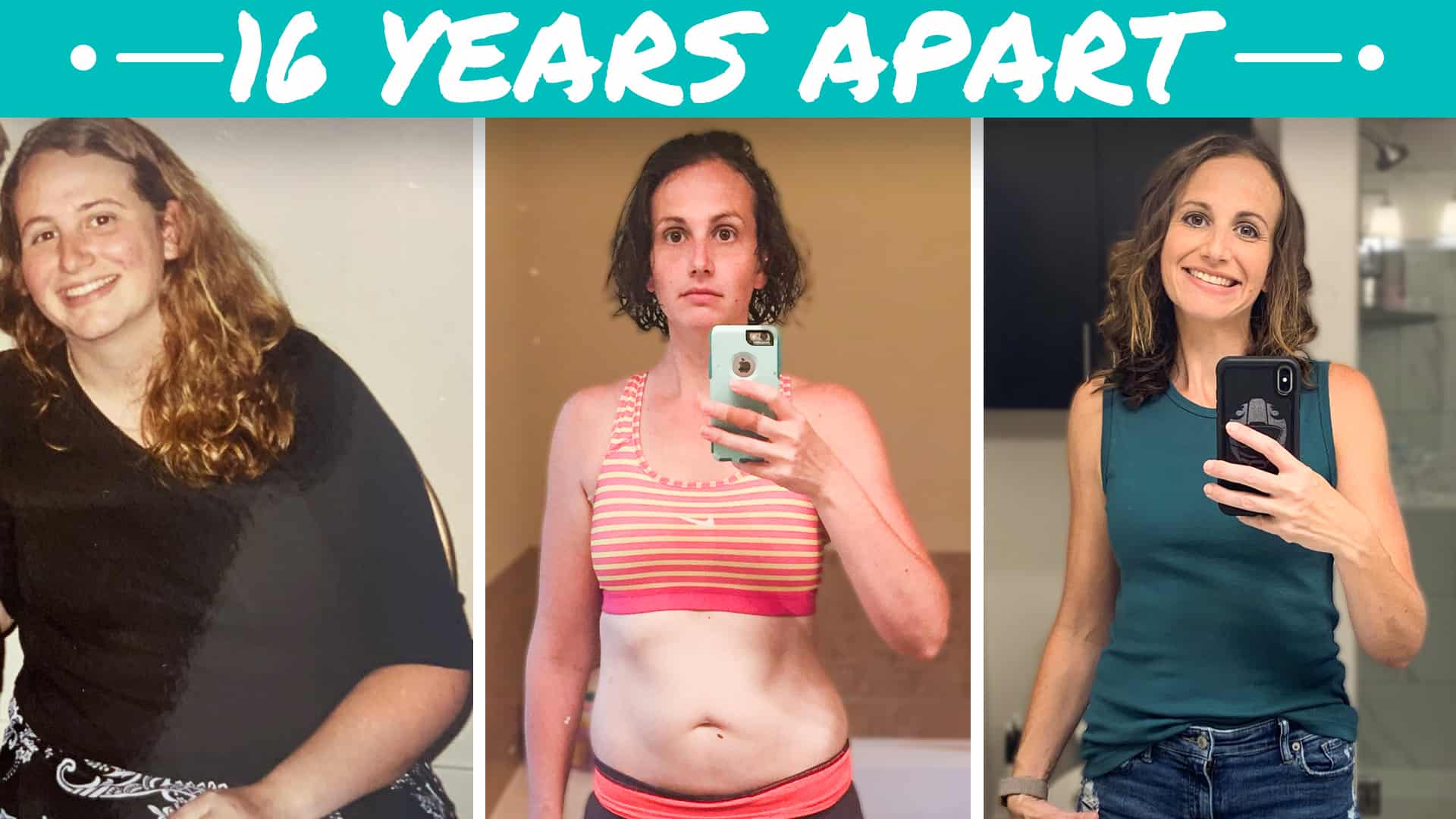
A successful 30-day weight loss transformation requires a strategic combination of a caloric deficit, high-protein nutrition, and consistent resistance training. While individual results vary based on starting point and metabolic health, most individuals can safely lose 4 to 8 pounds of fat while significantly reducing systemic inflammation and water retention for a more defined physique.
The Physiology of a 30-Day Transformation Window
When embarking on a 30-day weight loss journey, it is essential to distinguish between "weight loss" and "fat loss." In the initial 72 to 96 hours of a new protocol, the body typically undergoes a rapid shift in fluid dynamics. As you reduce processed carbohydrate intake and lower systemic insulin levels, your body begins to deplete glycogen stores—the primary way humans store glucose in muscles and the liver. Because each gram of glycogen is chemically bound to approximately three to four grams of water, this depletion results in a significant "whoosh" of water weight loss.
Beyond the initial fluid shift, the body transitions into a state of lipolysis, where stored adipose tissue is broken down into fatty acids to be used for energy. In a 30-day window, the goal is to maximize this fat oxidation while minimizing the loss of lean muscle mass. Muscle is metabolically active tissue; losing it during a rapid transformation can lower your basal metabolic rate (BMR), making it harder to maintain results long-term. Therefore, the "stunning" results seen in successful transformations are usually the result of shedding subcutaneous body fat while maintaining the underlying muscular structure that provides "tone" and definition.
By 2026, metabolic science has further emphasized the role of the gut microbiome in this 30-day window. Modern research suggests that shifting to a high-fiber, whole-food diet during this period can alter gut bacteria populations within days, reducing bloating and improving nutrient absorption, which contributes to the visual "tightening" of the midsection often seen in before-and-after photos.
Nutritional Framework for Maximum Fat Oxidation
Nutrition is the primary lever for any short-term transformation. To achieve visible results in just four weeks, one must calculate their Total Daily Energy Expenditure (TDEE) and implement a sustainable but effective deficit. For most, a deficit of 500 to 750 calories per day is the "sweet spot" for aggressive fat loss without triggering excessive metabolic adaptation or extreme hunger.
The Role of Macronutrient Distribution
While calories dictate the scale weight, macronutrients dictate body composition. Protein is the most critical macronutrient during a deficit. High protein intake (typically 0.8g to 1g per pound of goal body weight) serves two purposes: it has a high Thermic Effect of Food (TEF), meaning the body burns more calories digesting it, and it provides the necessary amino acids to prevent muscle wasting.
Fats and carbohydrates should be adjusted based on activity levels. In 2026, the prevailing nutritional guidance suggests a "cyclical" approach. On days featuring high-intensity training, higher carbohydrate intake can fuel performance and prevent cortisol spikes. On sedentary or low-intensity days, lowering carbohydrates helps keep insulin levels low, facilitating easier access to stored body fat.
Micronutrients and Hydration
Micronutrient density is often overlooked in rapid transformations. Deficiencies in magnesium, vitamin D, or B vitamins can lead to fatigue, stalling the workout consistency needed for "stunning" results. Furthermore, hydration is paramount. Paradoxically, drinking more water helps the body release stored "water weight." When the body is in a state of dehydration, it increases the production of antidiuretic hormone (ADH), causing the kidneys to conserve water and leading to a "puffy" appearance. Consistent intake of 3–4 liters of water daily ensures optimal metabolic function and skin elasticity.
Designing an Effective 30-Day Training Protocol
To transform the body’s silhouette in 30 days, cardiovascular exercise alone is rarely sufficient. A "stunning" transformation requires a stimulus that tells the body to keep its muscle while burning its fat. This is achieved through Progressive Overload in resistance training.
Resistance Training: The Foundation
A four-day-a-week split focusing on compound movements—squats, deadlifts, presses, and rows—is highly effective. These exercises recruit multiple muscle groups, creating a larger hormonal response and a higher caloric burn both during and after the session (known as Excess Post-exercise Oxygen Consumption, or EPOC). In a 30-day sprint, the goal should be to maintain or slightly increase strength levels, which serves as a physiological signal that the current muscle mass is necessary for survival.
Metabolic Conditioning and NEAT
While "cardio" is often the first thing people turn to, it should be used as a tool rather than a crutch. High-Intensity Interval Training (HIIT) can be performed twice a week to boost cardiovascular health and caloric burn in a short timeframe. However, the most underrated component of a 30-day transformation is Non-Exercise Activity Thermogenesis (NEAT). This includes walking, fidgeting, and daily chores. Increasing daily step counts to 10,000–12,000 can result in an additional 300–500 calories burned per day without the systemic fatigue associated with high-intensity running.
| Component | Target Frequency | Primary Benefit |
|---|---|---|
| Resistance Training | 4 Sessions / Week | Muscle preservation and metabolic rate support |
| Daily NEAT (Steps) | 10k - 12k Steps / Day | Consistent caloric burn without CNS fatigue |
| HIIT / Conditioning | 2 Sessions / Week | Cardiovascular efficiency and EPOC effect |
| Sleep | 7 - 9 Hours / Night | Hormonal balance and cortisol regulation |
| Protein Intake | Daily | Satiety and lean tissue maintenance |
Analyzing the "Stunning" Results: Reality vs. Perception
When viewing 30-day transformation photos, it is important to understand what is scientifically possible and what is a result of presentation. A "stunning" result is often a combination of genuine fat loss and optimized aesthetics.
- Inflammation Reduction: Much of the dramatic change in the face and midsection during the first 30 days is the reduction of systemic inflammation. Removing highly processed oils, excess sodium, and refined sugars reduces "puffiness," revealing the underlying bone structure and muscle definition.
- Posture and Muscle Fullness: A person who has been training for 30 days often carries themselves with better posture. Additionally, if the transformation involves a "re-feed" or strategic carbohydrate intake before the "after" photo, the muscles appear fuller due to glycogen compensation, while the skin remains tight from the preceding deficit.
- Lighting and Environment: In professional transformation challenges, "before" photos are often taken in flat lighting with relaxed muscles, while "after" photos utilize directional lighting that creates shadows in the abdominal and muscular regions, enhancing the appearance of leanness.
Despite these factors, losing 2% to 4% body fat in a month is entirely possible for those who are highly adherent. According to the Centers for Disease Control and Prevention (CDC), a steady weight loss of 1 to 2 pounds per week is the most sustainable, but many find that a slightly more aggressive initial 30 days provides the psychological momentum needed for long-term lifestyle changes.
Common Pitfalls and Troubleshooting
Many individuals fail to see results in 30 days because of "hidden" caloric intake or overestimating their activity levels. Common mistakes include:
- Liquid Calories: Specialized coffee drinks, "healthy" smoothies, and alcohol can easily erase a daily caloric deficit. In a 30-day transformation, liquid intake should be restricted to water, black coffee, and unsweetened tea.
- The "Weekend Warrior" Effect: It is common to be perfect from Monday to Friday but overconsume on Saturday and Sunday. A 30-day transformation requires 100% consistency; one or two days of heavy "cheat meals" can revert the progress made during the entire week.
- Lack of Sleep: Sleep deprivation increases ghrelin (the hunger hormone) and decreases leptin (the satiety hormone). Furthermore, lack of sleep spikes cortisol, which encourages the body to hold onto water and visceral fat.
If progress stalls at the 14-day mark, it is often due to a temporary plateau in water weight. This is known as the "Squishy Fat" phenomenon, where fat cells temporarily fill with water after the lipids are drained. Continuing the protocol will eventually lead to a "drop" where the body releases that water, showing the true fat loss that occurred.
FAQ
Can I really see a difference in only 30 days?
Yes. While 30 days is not enough time to reach a final goal if you have significant weight to lose, it is enough time to see visible changes in facial leaness, waist circumference, and overall energy levels. Most people will see a noticeable difference in how their clothing fits within the first two to three weeks.
How much weight can I safely lose in a month?
For most healthy adults, losing 4 to 8 pounds is considered safe and sustainable. Some individuals with higher starting weights may lose 10 to 15 pounds, a portion of which will be water weight. It is important to consult with a healthcare provider before beginning any aggressive restrictive diet.
Do I need supplements for a 30-day transformation?
Supplements are not mandatory but can be supportive. A high-quality whey or plant-based protein powder can help meet protein targets. Creatine monohydrate is also beneficial for maintaining muscle fullness and strength during a deficit, though it may cause a minor increase in scale weight due to intracellular water retention.
Is a 30-day transformation permanent?
The results of a 30-day transformation are only permanent if you transition into a sustainable maintenance phase. Many people use the 30 days as a "kickstart" and then adjust their calories to a "maintenance" level to lock in their results and prevent the "yo-yo" effect.
Should I do more cardio if I’m not losing weight?
Not necessarily. If weight loss stalls, the first step should be to audit your food intake to ensure accuracy. Adding excessive cardio can sometimes lead to increased hunger and fatigue, which may cause you to move less throughout the rest of the day (decreasing NEAT), effectively cancelling out the extra calories burned during the cardio session.
Sustaining Momentum Beyond the 30-Day Mark
The most important aspect of a 30-day weight loss transformation is using it as a springboard for permanent habit formation. By the end of the 30 days, you should have a better understanding of portion sizes, the importance of protein, and the benefits of regular movement.
To maintain your results, avoid the temptation to return to old eating habits immediately. Instead, slowly increase your daily caloric intake by 100–200 calories per week (a process known as reverse dieting) until you reach your new maintenance level. This helps stabilize your hormones and prevents rapid fat regain. Continue to prioritize resistance training and high daily step counts to ensure that your new, leaner physique becomes your new baseline for years to come.