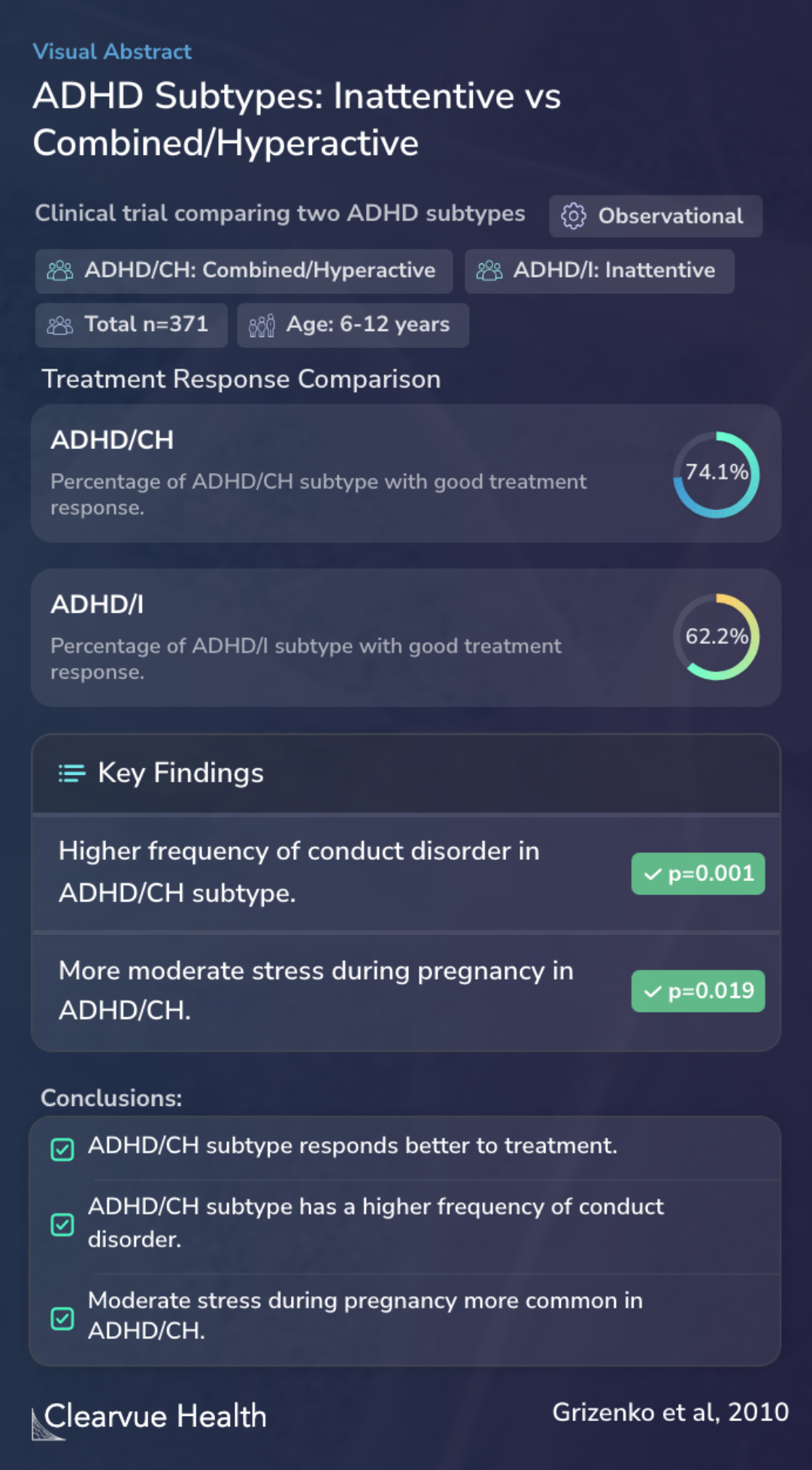
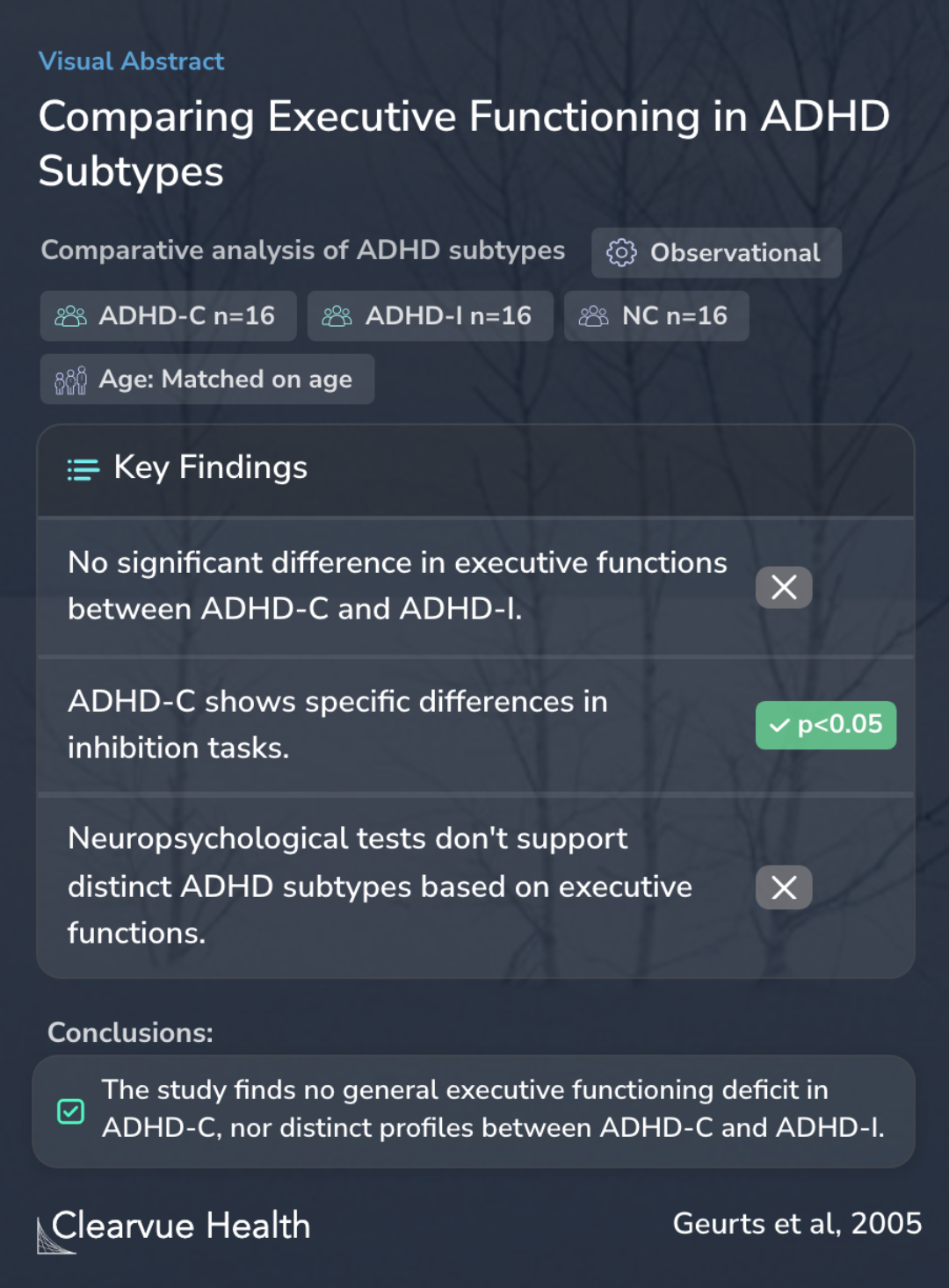
Attention-Deficit/Hyperactivity Disorder (ADHD) is classified into three distinct presentations: Predominantly Inattentive, Predominantly Hyperactive-Impulsive, and Combined. These categories, defined by the DSM-5-TR, identify whether a person’s primary challenges stem from focus, physical restlessness, or a significant mixture of both, providing a framework for targeted treatment and personal management.
Understanding ADHD in 2026 requires moving past the outdated "one-size-fits-all" mentality. While many still use the term ADD (Attention Deficit Disorder), clinical standards have evolved to recognize that ADHD is a single disorder with varying manifestations. These manifestations, or "presentations," are not necessarily fixed traits; they can shift as an individual moves through different life stages, environments, and hormonal changes. This guide explores the nuances of each type, the diagnostic criteria involved, and how these differences impact daily life.
The Evolution of ADHD Classification: From ADD to Three Presentations
The history of ADHD terminology is a source of frequent confusion. Historically, the medical community distinguished between "ADD" (without hyperactivity) and "ADHD" (with hyperactivity). However, the American Psychiatric Association (APA) consolidated these into a single diagnosis—ADHD—in the Diagnostic and Statistical Manual of Mental Disorders, Fourth Edition (DSM-IV).
By 2026, the clinical preference has shifted firmly toward the term "presentations" rather than "subtypes" or "types." This change is subtle but significant. A "type" suggests a permanent category, whereas a "presentation" acknowledges that symptoms are fluid. For example, a child may exhibit significant hyperactivity (Hyperactive-Impulsive presentation), but as they reach adulthood, the physical restlessness may internalize into chronic anxiety or mental distractibility, shifting their diagnosis to the Inattentive or Combined presentation.
The current standard, the DSM-5-TR (Text Revision), requires that symptoms be present in at least two settings (such as home and work) and that they interfere with functioning. Crucially, symptoms must have been present before the age of 12, even if a formal diagnosis does not occur until adulthood. This longitudinal perspective ensures that ADHD is recognized as a neurodevelopmental condition rather than a temporary reaction to stress or modern technology.
ADHD, Predominantly Inattentive Presentation
Often referred to by its legacy name, ADD, the Predominantly Inattentive presentation is characterized by significant challenges with focus, organization, and memory, without the hallmark physical "hyperactivity" usually associated with the disorder. Because individuals with this presentation are often quiet and not disruptive, they are frequently diagnosed much later in life—often not until the academic or professional demands of adulthood exceed their coping mechanisms.
Core Symptoms of Inattention
To meet the criteria for this presentation, an individual must consistently display at least six of the following symptoms (or five for adults age 17 and older):
- Failure to give close attention to details: Making seemingly "careless" mistakes in schoolwork or professional reports.
- Difficulty sustaining attention: Struggling to remain focused during long lectures, conversations, or lengthy reading tasks.
- Apparent listening issues: The mind seems elsewhere even when spoken to directly, often described as "spaced out."
- Failure to follow through: Starting tasks or projects but losing focus and becoming easily sidetracked before completion.
- Organizational struggles: Difficulty managing sequential tasks, keeping materials in order, or managing time effectively.
- Avoidance of mental effort: A strong dislike or procrastination toward tasks that require sustained mental energy, such as filling out forms or writing long papers.
- Losing essential items: Frequently misplacing keys, glasses, mobile phones, or wallets.
- External distractibility: Being easily pulled away from a task by unrelated thoughts or environmental stimuli.
- Forgetfulness in daily activities: Missing appointments, forgetting to pay bills, or failing to return calls.
The Internal Experience
Inattentive ADHD is often an "internalized" experience. While the person may look still, their mind may be racing through a dozen different topics simultaneously. This often leads to significant executive dysfunction, particularly in the realm of "working memory"—the ability to hold and manipulate information in the mind over short periods. In 2026, research continues to highlight how this presentation is particularly prevalent in women and girls, who may "mask" their symptoms by over-achieving or developing rigid organizational systems that eventually lead to burnout.
ADHD, Predominantly Hyperactive-Impulsive Presentation
The Predominantly Hyperactive-Impulsive presentation is what most people visualize when they think of ADHD. It is characterized by high levels of physical energy and a tendency to act without considering consequences. While this is the least common presentation in adults, it is frequently diagnosed in young children, particularly boys.
Symptoms of Hyperactivity and Impulsivity
Diagnosis requires six or more of these symptoms (five for those over 17):
- Fidgeting: Tapping hands or feet or squirming in their seat.
- Inability to stay seated: Leaving their seat in situations where staying seated is expected (e.g., in a classroom or office).
- Inappropriate movement: Running or climbing in situations where it is inappropriate (in adults, this often manifests as a feeling of internal restlessness).
- Inability to play quietly: Difficulty engaging in leisure activities calmly.
- "On the go" behavior: Acting as if "driven by a motor"; being uncomfortable being still for extended periods.
- Excessive talking: Speaking continuously without regard for social cues to stop.
- Blurting out answers: Completing other people's sentences or answering before a question has been finished.
- Difficulty waiting their turn: Feeling intense frustration when waiting in lines or waiting for a turn in conversation.
- Interrupting or intruding: Butting into conversations, games, or activities without permission.
Evolution into Adulthood
In the 2026 clinical landscape, we recognize that hyperactivity often "matures." While a child might literally run across a room, a hyperactive adult might be a "workaholic," someone who cannot sit through a movie, or someone who struggles with impulsive spending and driving. The impulsivity component is particularly critical, as it can lead to social friction or risky decision-making. The underlying mechanism is often a search for dopamine stimulation, as the ADHD brain typically has lower levels of dopamine activity in reward centers.
ADHD, Combined Presentation
The Combined presentation is the most frequently diagnosed form of ADHD. As the name suggests, individuals with this presentation meet the diagnostic threshold for both Inattention and Hyperactivity-Impulsivity. They experience a "double burden" of symptoms that can make daily functioning particularly complex.
Individuals with Combined ADHD don't just struggle to focus; they are also physically restless. They don't just blurt things out; they also forget where they put their keys. This presentation often results in the highest level of functional impairment because the symptoms interfere with almost every aspect of life, from physical safety (impulsivity) to long-term goal achievement (inattention).
The Challenge of the Combined Presentation
The primary challenge for those with Combined ADHD is the constant fluctuation between high energy and mental fatigue. The effort required to regulate physical impulses while simultaneously trying to filter out distractions is exhausting. In professional settings, these individuals may be seen as "highly creative but unreliable" or "passionate but disorganized."
Treatment for the Combined presentation usually requires a multifaceted approach that addresses both the need for cognitive focus and the need for impulse control. Behavioral therapy often focuses on "pause points"—teaching the brain to hesitate for a split second before acting—while also implementing external structures to manage forgetfulness.
Comparing the Three Presentations of ADHD
The following table provides a high-level comparison of how these three presentations typically manifest across different domains of life.
| Feature | Predominantly Inattentive | Predominantly Hyperactive-Impulsive | Combined Presentation |
|---|---|---|---|
| Primary Challenge | Information processing and focus | Behavioral and motor inhibition | A mixture of focus and inhibition |
| Social Perception | "Daydreamer," "Forgetful," "Shy" | "Disruptive," "High-energy," "Intense" | "Chaos," "Life of the party," "Inconsistent" |
| Work/School Impact | Missing deadlines, losing track of tasks | Interrupting meetings, rushing through work | Unpredictable performance, burnout |
| Common "Masking" | Over-preparing, staying quiet to hide confusion | Self-medicating with exercise, excessive talking | Mimicking "normalcy" until exhaustion |
| Gender Trends | More commonly diagnosed in females | More commonly diagnosed in males | Distributed across genders |
Diagnostic Criteria and the Lifespan Perspective
Diagnosing ADHD in 2026 is a comprehensive process that goes beyond a simple checklist. Because many conditions—such as anxiety, depression, sleep apnea, and thyroid issues—can mimic ADHD symptoms, a differential diagnosis is essential.
The Diagnostic Process
A formal evaluation typically includes:
- Clinical Interview: A detailed history of symptoms from childhood to the present.
- Standardized Rating Scales: Tools like the Brown Executive Functioning Scales or the Conners Rating Scales.
- Observer Reports: Information from spouses, parents, or teachers to verify that symptoms appear in multiple settings.
- Neuropsychological Testing: Optional but helpful for identifying specific executive function deficits.
How Age Affects Symptoms
It is a common myth that children "grow out" of ADHD. While the 2026 data suggests that roughly 30% of children may no longer meet the full diagnostic criteria as adults, the majority continue to experience significant symptoms. In adults, the "Hyperactivity" often becomes "Internalized Restlessness," and "Inattention" becomes "Executive Dysfunction." Understanding these shifts is vital for accurate diagnosis in older populations who may have been missed during their school years.
Treatment Approaches Tailored to ADHD Type
While the core neurobiology of ADHD involves the dysregulation of dopamine and norepinephrine, the specific treatment plan often depends on which symptoms are most debilitating.
Pharmacological Interventions
- Stimulants (e.g., Methylphenidate, Amphetamines): These remain the first-line treatment in 2026. They work by increasing the availability of dopamine and norepinephrine in the synapses. They are highly effective for all three types, particularly for improving focus and reducing physical hyperactivity.
- Non-Stimulants (e.g., Atomoxetine, Viloxazine): These are often preferred for individuals who also have anxiety or for those who do not tolerate stimulants well. They can be particularly helpful for the Inattentive presentation's "brain fog."
Behavioral and Lifestyle Strategies
- Cognitive Behavioral Therapy (CBT): Specifically adapted for ADHD, CBT helps individuals build "scaffolding"—systems like planners, timers, and filing systems—to compensate for executive function gaps.
- Parent Training: For children with Hyperactive-Impulsive or Combined presentations, training parents in behavior modification is often as effective as medication.
- Environment Design: Adjusting one’s environment to minimize distractions (for Inattention) or to allow for movement (for Hyperactivity) is a key management strategy.
Frequently Asked Questions
Can your ADHD type change over time?
Yes. Clinical presentations are not permanent. An individual diagnosed with the Combined presentation in childhood might see their hyperactivity decrease in their 20s, leading to a reclassification as Predominantly Inattentive. This is why regular re-evaluation with a mental health professional is recommended.
Is ADHD different in women and girls?
Statistically, women and girls are more likely to be diagnosed with the Predominantly Inattentive presentation. Because they often lack the "disruptive" hyperactive symptoms, their struggles are frequently internalized, leading to higher rates of misdiagnosis with anxiety or depression. In 2026, there is an increased medical focus on how hormonal fluctuations (such as estrogen levels) can affect the severity of ADHD symptoms.
Is one type of ADHD "worse" than the others?
No presentation is inherently "worse," but they carry different risks. The Hyperactive-Impulsive type may face more immediate social or physical consequences (accidents, social rejection), while the Inattentive type may suffer more from long-term academic or career stagnation and low self-esteem due to "invisible" struggles.
Does the type of ADHD affect medication choice?
While stimulants are the gold standard for all three, doctors may lean toward certain non-stimulants or specific stimulant formulations based on symptoms. For instance, someone with intense impulsivity might benefit from a formulation with a very smooth delivery to avoid "rebound" irritability, whereas someone with pure inattention might prioritize a medication that specifically targets cognitive clarity.
How does Combined ADHD differ from having two separate disorders?
It is not two separate disorders; it is simply the presence of enough symptoms from both the inattentive and hyperactive-impulsive lists to meet both thresholds. It is considered a single neurodevelopmental profile. However, people with Combined ADHD are statistically more likely to have "co-morbidities," such as Oppositional Defiant Disorder (ODD) in children or Substance Use Disorder in adults.
Next Steps for Diagnosis and Management
If you suspect you or a loved one has one of the three types of ADHD, the most critical next step is seeking a comprehensive evaluation from a specialist—typically a psychiatrist, neurologist, or clinical psychologist. Self-screening tools available through organizations like CHADD or the Attention Deficit Disorder Association (ADDA) can be a helpful starting point but are not a substitute for clinical diagnosis.
Once a diagnosis is confirmed, focus on a "multimodal" treatment plan. This rarely involves just a pill; it includes education about the disorder, environmental modifications, and potentially coaching or therapy. Understanding your specific presentation is the first step toward moving from a state of frustration to one of self-empowerment and effective management.