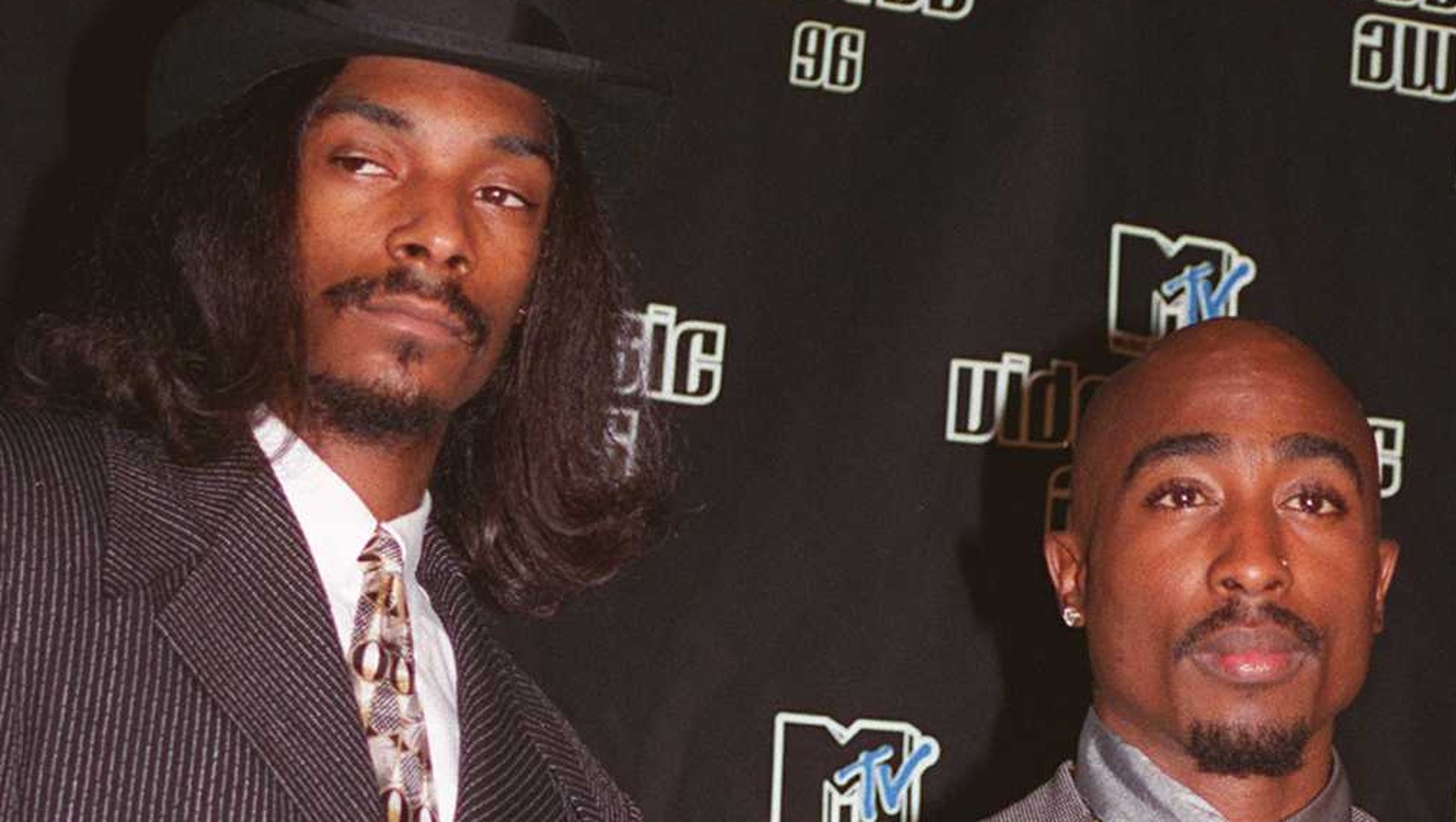
2pac and Snoop Dogg were the definitive architects of the Death Row Records era, shaping the sound and image of West Coast hip-hop in the mid-1990s. While their partnership produced the iconic anthem "2 of Amerikaz Most Wanted," it was also defined by a complex personal brotherhood that was tragically strained at the time of Tupac Shakur's death in 1996.
The intersection of Tupac Shakur (2pac) and Calvin Broadus Jr. (Snoop Dogg) represents one of the most significant cultural convergences in music history. In the year 2026, as we reflect on the 30th anniversary of Tupac’s passing, their joint legacy remains a cornerstone of the recording industry. Their relationship was not merely a professional alliance; it was a symbol of the West Coast’s dominance during the peak of the "G-Funk" era and a study in the volatile nature of fame, loyalty, and the high-stakes environment of 1990s rap.
The Genesis of a West Coast Alliance at Death Row Records
The professional relationship between 2pac and Snoop Dogg solidified in late 1995 when Tupac was released from the Clinton Correctional Facility. After Suge Knight posted a $1.4 million bond, Tupac signed with Death Row Records, joining a roster that already featured Snoop Dogg as its primary breakout star. Before this, Snoop had already established himself with Doggystyle (1993), while Tupac was transitioning from his more socially conscious and "Thug Life" phases into the hyper-prolific "Makaveli" era.
Upon Tupac's arrival at Death Row, the energy at the label shifted. Snoop Dogg has often described Tupac’s work ethic as "contagious." While Snoop was known for a more laid-back, improvisational approach to recording, Tupac was a machine, often finishing three or more songs in a single night. This juxtaposition of styles—Snoop’s smooth, melodic delivery and Tupac’s aggressive, urgent flow—created a vacuum of creativity that pulled the entire West Coast scene toward a more polished, commercially aggressive sound.
The early months of their partnership were characterized by mutual respect. Snoop saw in Tupac a brother-in-arms who understood the pressures of legal scrutiny and the weight of representing a culture. Tupac, in turn, respected Snoop’s effortless "cool" and his established position in the California hierarchy. Together, they formed a duo that appeared untouchable, effectively serving as the "twin towers" of Suge Knight’s empire.
Musical Collaborations: Defining the G-Funk Era
The most enduring piece of evidence regarding their chemistry is the 1996 hit "2 of Amerikaz Most Wanted." Released as a promotional single for Tupac's diamond-certified album All Eyez on Me, the track served as a defiant statement against the legal systems that had pursued both artists. At the time, Snoop was coming off a high-profile murder trial (in which he was acquitted), and Tupac was out on bail pending appeal.
The song’s production by Daz Dillinger epitomized the Death Row sound: heavy basslines, high-pitched synthesizers, and a cinematic feel. However, the collaboration extended beyond just one track. They shared stages, appeared in each other's music videos, and recorded several unreleased demos and guest spots, such as "Wanted Dead or Alive" for the Gridlock'd soundtrack.
Analysis of "2 of Amerikaz Most Wanted"
The brilliance of this collaboration lies in the contrast of their personas. Snoop provides the "cool" factor, grounding the track with his signature drawl, while Tupac provides the "heat," delivering verses with a frantic energy that suggested he was running out of time. The music video, which famously parodied "Piggy" and "Buffy" (caricatures of The Notorious B.I.G. and Puff Daddy), signaled the intensification of the East Coast-West Coast rivalry, a conflict that would eventually play a role in the fraying of their personal bond.
The Friction: Loyalty and the New York Conflict
By the summer of 1996, the relationship between 2pac and Snoop Dogg began to deteriorate. The primary catalyst was the escalating tension between Death Row Records and Bad Boy Records. Tupac was fully immersed in the conflict, viewing it as a personal matter of loyalty and survival. He expected his label mates to share his "ride or die" mentality.
The turning point occurred during a radio interview in New York City in late 1996. When asked about his feelings toward The Notorious B.I.G. and Puffy, Snoop Dogg took a diplomatic stance, stating that he was "cool" with them and had no personal beef. For Tupac, who was currently embroiled in a lyrical and literal war with the New York camp, this was viewed as a betrayal of the highest order.
Reports from those present at Death Row during this time indicate that Tupac stopped speaking to Snoop. On the fateful flight to Las Vegas in September 1996 for the Mike Tyson fight, the two reportedly sat in the same area but did not exchange words. This unresolved tension has remained a point of public reflection for Snoop Dogg for decades, as he has frequently expressed regret that they were unable to reconcile before the shooting on Flamingo Road.
Cultural and Industry Influence
The influence of the 2pac and Snoop Dogg partnership transcends their discography. They revolutionized the concept of the "rap superstar" as a global brand. Before them, hip-hop was often viewed through a regional lens; together, they exported the California lifestyle—lowriders, Chuck Taylors, and "gangsta" aesthetics—to a global audience.
The Architecting of the Modern Rap Duo
Their collaboration set a template for modern rap alliances. The idea of two "A-list" solo artists coming together to form a temporary unit for a major project became a standard industry practice. Furthermore, their influence on fashion cannot be understated. The mixture of high-end Versace silk shirts (favored by Pac) and the "Long Beach" flannel and braided hair (favored by Snoop) created a visual dichotomy that still influences streetwear in 2026.
Comparison of Artistic Styles and Impact
| Feature | Tupac Shakur (2pac) | Snoop Dogg |
|---|---|---|
| Vocal Delivery | Aggressive, passionate, staccato | Laid-back, melodic, drawling |
| Primary Themes | Social injustice, mortality, betrayal | Street life, partying, relaxation |
| Recording Style | Prolific, rapid-fire (1-2 takes) | Methodical, vibe-oriented |
| Cultural Archetype | The Revolutionary / Martyr | The Survivor / Icon |
| Key Debut Album | 2Pacalypse Now (1991) | Doggystyle (1993) |
The 2026 Perspective: Snoop Dogg as the Custodian of Legacy
As of 2026, the relationship has entered a new phase: legacy management. In 2022, Snoop Dogg acquired Death Row Records, effectively becoming the owner of the catalog that he and Tupac built. This move was culturally significant, as it placed the masters of these historic recordings back into the hands of an artist who lived through the era.
Snoop has used his position to ensure that Tupac’s contributions are not overshadowed by the controversies of the 90s. From the 2012 "hologram" performance at Coachella—which Snoop facilitated—to the ongoing curation of unreleased material, Snoop has transitioned from being a peer to being a protector of the 2pac brand. In 2026, this stewardship is vital for a new generation of listeners who consume music via immersive spatial audio and AI-curated playlists, ensuring the "Death Row Sound" remains technically and culturally relevant.
Frequently Asked Questions
Did 2pac and Snoop Dogg ever have a formal "beef"?
No, there was never a public "diss track" or a formal feud. Their issues were internal and revolved around the "loyalty" expectations within Death Row Records. The tension was primarily one-sided, stemming from Tupac's disappointment regarding Snoop's refusal to engage in the East Coast-West Coast rivalry with the same vitriol as the rest of the label.
What was the last song they recorded together?
"2 of Amerikaz Most Wanted" remains their most significant and well-documented collaboration. While other demo tracks and snippets exist in the Death Row vaults, this was the final major production released during Tupac’s lifetime that featured both artists in a primary capacity.
How did Snoop Dogg react to Tupac’s death?
Snoop has spoken extensively about the trauma of Tupac’s passing. He has described a feeling of immense loss and a realization that the "Death Row era" was effectively over. He eventually left the label to join No Limit Records, citing a need to escape the violent environment that had claimed his friend's life.
Are there any unreleased 2pac and Snoop Dogg songs?
Yes, several tracks have surfaced over the years on various posthumous albums and bootlegs. Songs like "Wanted Dead or Alive" and different versions of "Thug Luv" (though the latter famously featured Bone Thugs-N-Harmony) have showcased the two. With Snoop now owning Death Row, many fans speculate that more polished, unreleased collaborations may be officially released from the archives.
Who was more successful, 2pac or Snoop Dogg?
Success is measured differently for both. Tupac Shakur is one of the best-selling music artists of all time, with over 75 million records sold and a legacy as a cultural martyr. Snoop Dogg, however, achieved a level of longevity and "mainstream" crossover success that is nearly unparalleled, transitioning into a global media mogul, businessman, and actor while still maintaining his rap roots.
Recommended Listening and Research for Hip-Hop Historians
For those seeking to understand the technical and cultural depth of the 2pac and Snoop Dogg relationship, a chronological approach to their 1995-1996 output is essential. Listeners should focus on the All Eyez on Me double album, paying close attention to the production credits of Dat Nigga Daz (Daz Dillinger) and DJ Quik, who bridged the gap between the two artists' styles.
Furthermore, researchers should examine the 1996 MTV Video Music Awards footage, which was one of their final major public appearances together. It captures the peak of their shared charisma and the visual aesthetic of the West Coast's golden age. In 2026, as hip-hop continues to evolve, studying these two figures provides the necessary context for understanding the "gangsta rap" subgenre's transition from counter-culture to the dominant global pop-culture force it is today.