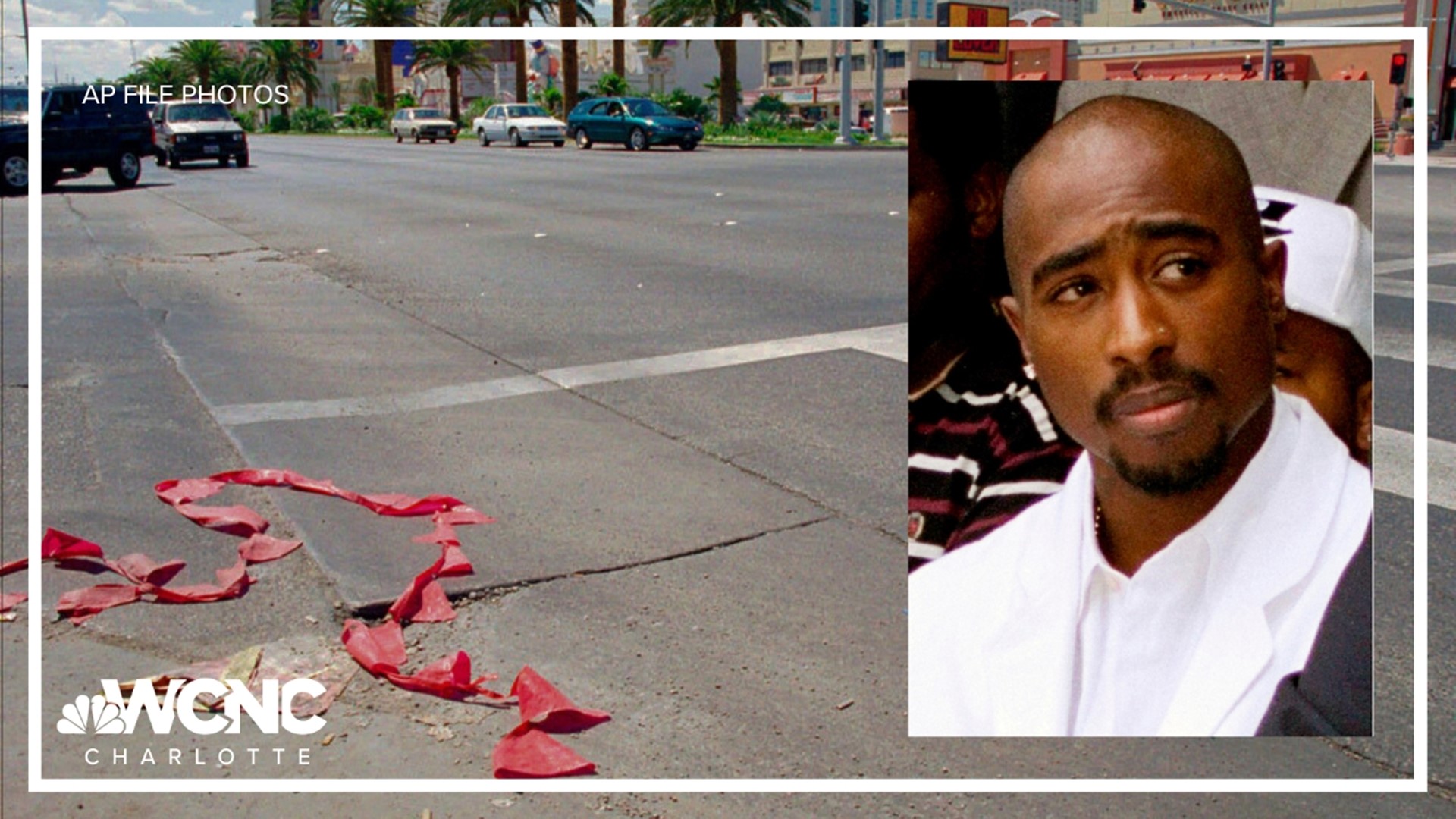
Tupac Shakur’s 16-month tenure at Death Row Records, spanning from October 1995 to September 1996, remains the most prolific and controversial period in hip-hop history. During this time, he released the first solo double-album in rap, became the face of a bicoastal feud, and recorded hundreds of tracks that would fuel posthumous releases for decades.
The story of Tupac Shakur and Death Row Records is often distilled into a series of music videos, flashy cars, and a tragic end in Las Vegas. However, as we look back from the vantage point of 2026, the technical, legal, and psychological nuances of those 475 days reveal a much more complex narrative. This was not just a career move; it was a survival pact that transformed a revolutionary artist into a global icon while simultaneously accelerating his demise.
The Bailout and the Napkin Contract
The catalyst for the "Death Row era" was Tupac’s incarceration at Clinton Correctional Facility. Serving time for a sexual abuse conviction—a charge he vehemently denied—Tupac found himself physically isolated and financially depleted. While other labels distanced themselves, Suge Knight, the CEO of Death Row Records, saw an opportunity to acquire the industry’s most compelling figure.
The "untold" element of the signing often overlooks the sheer desperation of the legal situation. Tupac’s legal fees were astronomical, and his appeal bond was set at $1.4 million—a sum neither he nor his family could provide. Suge Knight arrived with the funds, but they came with a heavy price: a multi-album contract famously written, in part, on a napkin or simplified legal pad during a prison visit.
This contract committed Tupac to three albums under Death Row. While the immediate benefit was freedom, the technical structure of the deal was predatory. Death Row acted as both the label and the management, a conflict of interest that meant the label essentially "loaned" Tupac the money for his lifestyle, video shoots, and recording costs—all of which were recoupable from his earnings. This ensured that despite selling millions of records, Tupac remained technically in debt to the label throughout his 16 months of freedom.
Sonic Architecture: The Can-Am Studio Sessions
Upon his release on October 12, 1995, Tupac did not go home to rest. He flew directly to Los Angeles and went straight to Can-Am Studios in Tarzana. This begins the most documented yet misunderstood aspect of his time on the Row: his inhuman work ethic.
Engineers such as Dave Aron and Rick Clifford have often recounted the "militaristic" atmosphere of these sessions. Tupac would arrive and demand three different rooms be booked simultaneously. He would write a verse in fifteen minutes, record it in one or two takes, and move to the next room while the engineers mixed the previous track.
The Recording Pipeline
- Writing: Tupac rarely wrote lyrics down in a traditional sense during this era; he would capture "vibes" and dictated them to the microphone.
- Collaboration: He utilized The Outlawz as a constant supporting cast, ensuring that every track had a "squad" feel that mirrored the street-oriented branding of Death Row.
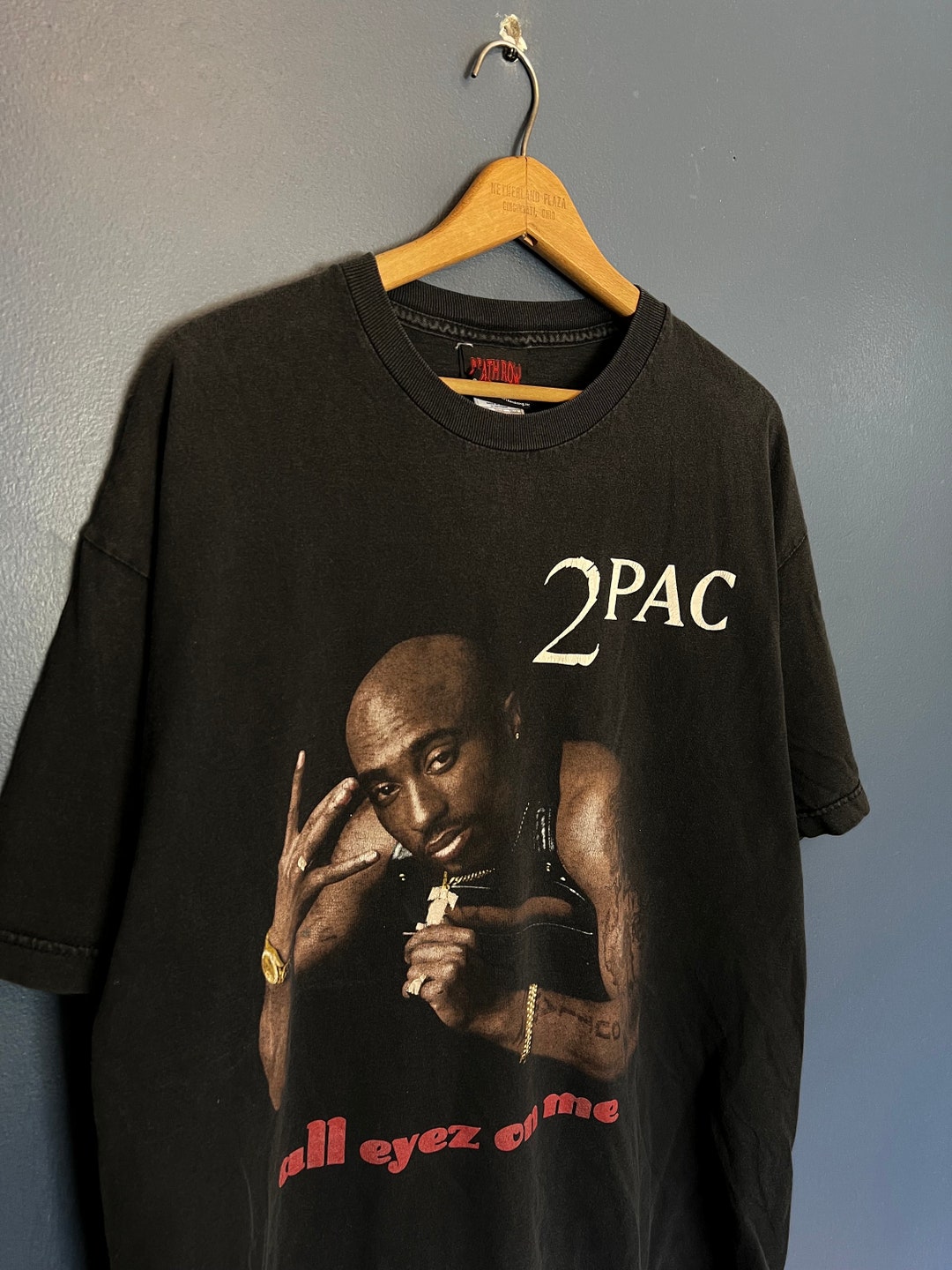
- Speed: In his first two weeks out of prison, he recorded nearly 30 songs, many of which formed the backbone of All Eyez on Me.
This productivity was driven by a sense of "borrowed time." Tupac frequently told collaborators that he needed to get the music out "before they kill me." This urgency created a massive archive of unreleased material (the "Vault") that allowed Death Row to maintain its market dominance long after his passing in September 1996.
The Power Dynamics and Internal Friction
While the public saw a united front of Suge Knight, Dr. Dre, Snoop Dogg, and Tupac, the internal reality was fractured. By late 1995, Dr. Dre—the architect of the G-Funk sound—was becoming disillusioned with the violence and the "gangsta" posturing that Suge Knight encouraged.
Tupac’s arrival acted as a catalyst for Dre’s departure. Tupac, fueled by a desire to prove his loyalty to Suge, often criticized Dre for his perceived lack of productivity and his absence during Tupac's legal battles. The "untold" tension here is that Tupac was essentially used as a tool to phase Dre out. When Dr. Dre officially left Death Row in early 1996 to form Aftermath Entertainment, it left a vacuum that Tupac filled not just as an artist, but as the de facto creative director of the label.
| Key Milestone | Date | Significance |
|---|---|---|
| Release from Prison | Oct 12, 1995 | Suge Knight pays $1.4M bond; signing official. |
| 'California Love' Video | Nov 1995 | Established the "Mad Max" aesthetic and global dominance. |
| 'All Eyez on Me' Release | Feb 13, 1996 | First solo double-album in rap history; 5x Platinum in months. |
| Dr. Dre Leaves Death Row | March 1996 | Shifts the creative and political balance of the label. |
| 'Hit 'Em Up' Release | June 4, 1996 | The peak of the East Coast-West Coast feud. |
| The Las Vegas Shooting | Sept 7, 1996 | The end of the 16-month run; Tupac passes 6 days later. |
The Financial Illusion: Millions in Sales, Pennies in the Bank
One of the most tragic aspects of Tupac's 16 months on Death Row was the discrepancy between his perceived wealth and his actual liquidity. In 1996, Tupac was the most famous rapper on earth. He wore Versace, drove a BMW 750iL, and lived in a mansion in Calabasas.
However, none of these assets were in his name. Death Row Records owned the cars and the house. Suge Knight famously gave Tupac "advances" for jewelry and travel, but these were recorded as business expenses. When Tupac died in September 1996, his bank account reportedly contained less than $100,000, despite All Eyez on Me generating tens of millions of dollars in revenue for the label and its distributor, Interscope.
This financial structure was a form of "indentured stardom." By keeping Tupac dependent on the label for his daily expenses, Suge Knight ensured that Tupac could never realistically leave. By August 1996, however, there were signs that Tupac was catching on. He had begun firing various Death Row-affiliated lawyers and was looking into starting his own imprint, "Makaveli Records," to reclaim his masters and financial independence.
The Escalation of the "War"
The 16 months were also defined by the East Coast-West Coast rivalry. While the seeds were sown during his time at Interscope and the 1994 Quad Studios shooting, the Death Row infrastructure weaponized this conflict.
The "untold" story here is how much of this was marketing versus reality. Suge Knight thrived on conflict, as it solidified the "untouchable" image of the label. For Tupac, the conflict was personal. He felt betrayed by former friends like The Notorious B.I.G. and Stretch. The release of "Hit 'Em Up" in June 1996 represented a point of no return. It wasn't just a diss track; it was a psychological warfare tactic that utilized the full promotional power of the Death Row machine.
This era saw the "militarization" of hip-hop. Tupac was often seen wearing a bulletproof vest, and Death Row security—many of whom were off-duty or former LAPD officers—created a climate of constant readiness for violence. This hyper-masculine, high-stakes environment eventually culminated in the fatal trip to Las Vegas for the Bruce Seldon vs. Mike Tyson fight.
The Legacy of the 16-Month Run
As of 2026, the music recorded during these 16 months continues to be analyzed for its prophetic themes and technical brilliance. Tupac’s transition from the socially conscious "Brenda’s Got a Baby" Tupac to the "Ambitionz Az a Ridah" Tupac happened almost overnight upon his arrival at Death Row.
This period defined the "Death Row Sound": a mix of live instrumentation, soulful samples, and aggressive, high-fidelity mixing that set the standard for the late 90s. Beyond the music, these 16 months established the blueprint for the "modern mogul," showing both the heights an artist could reach with label backing and the catastrophic risks of signing away one’s autonomy.
FAQ: Understanding the Death Row Era
How many albums did Tupac record during his 16 months at Death Row?
Tupac technically fulfilled his three-album contract in record time. He released the double-album All Eyez on Me (which counted as two albums toward his contract) and recorded The Don Killuminati: The 7 Day Theory in just seven days in August 1996. Additionally, he recorded enough material for several posthumous albums, including Better Dayz and Until the End of Time.
Was Tupac planning to leave Death Row before he died?
Evidence suggests he was. In the months leading up to September 1996, Tupac expressed a desire to move away from the "gangsta" image and focus on film and community activism. He had started his own company, Euphanasia, and was making moves to distance himself from Suge Knight’s legal representation, though he remained contractually tied to the label at the time of his death.
Why was Dr. Dre not involved in most of 'All Eyez on Me'?
Although Dr. Dre produced the lead single "California Love" and "Can't C Me," he and Tupac had very little personal interaction. Dre was already distancing himself from Suge Knight’s management style and the increasingly violent atmosphere at the label. Tupac interpreted Dre's "slow" perfectionist work style as laziness, leading to a rift between the two.
What happened to Tupac's money after he died?
Because Tupac did not have a formal will and his finances were deeply entangled with Death Row, his mother, Afeni Shakur, had to sue the label to gain control of his estate. It took years of litigation to prove that the label had overcharged for expenses and withheld royalties. Eventually, the estate was settled, allowing his family to manage his massive catalog and image.
Recommendations for Further Research
To truly understand the "untold" nuances of this 16-month period, readers should look beyond the music videos and into the legal and technical documentation of the era.
- Documentary Evidence: Seek out the 2017 documentary The Defiant Ones, which provides a technical look at the Dr. Dre/Jimmy Iovine side of the story, or Tupac: Resurrection for his own perspective via archived interviews.
- Court Records: The 1997-2005 lawsuits between the Shakur estate and Death Row Records offer the most accurate data regarding the actual financial "napkin" contract and the recoupable expenses that governed Tupac's life.
- Literary Context: Books like The Killing of Tu-pac Shakur by Cathy Scott provide a chronological deep dive into the final months, including the atmosphere in Las Vegas and the internal label politics that led to the fateful September night.