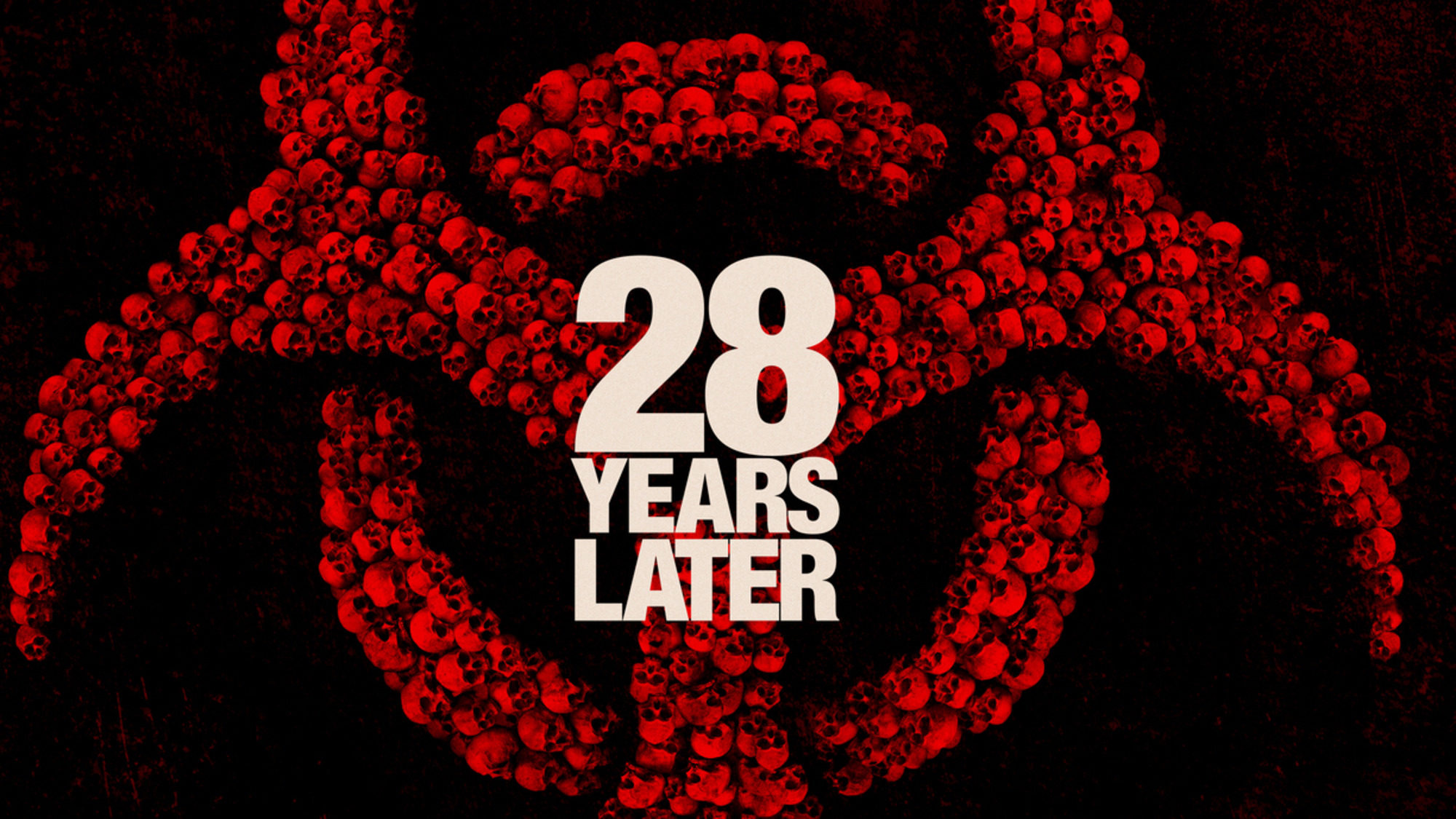
The cinematic landscape of 2026 has been significantly reshaped by the return of the Rage Virus saga. While the timeline officially places us nearly three decades post-outbreak, the release of the film 28 Years Later (and its subsequent sequels) serves as the definitive anchor for the franchise, offering a harrowing look at a world that has finally stopped trying to "reclaim" the past and started trying to survive the present.
Following the mid-2025 theatrical release of Danny Boyle’s 28 Years Later, audiences have sought a comprehensive breakdown of the film’s new lore, survival mechanics, and its place in the broader trilogy. This guide serves as both a technical analysis of the film’s production and an "in-universe" survival manual for the conditions depicted on screen. Whether you are a long-time fan of the Alex Garland scripts or a newcomer to the post-apocalyptic genre, understanding the evolution of the Rage Virus is essential for navigating this bleak, high-speed landscape.
The Evolution of the Rage Virus: 2002 to 2026
To understand the world of the latest film, one must first master the history of the Rage Virus. Unlike the traditional Romero-style zombie, the "Infected" in this franchise are not undead; they are living humans driven into a permanent, murderous frenzy by a highly contagious pathogen. In the original 2002 incident (28 Days Later), the virus was localized to Great Britain. By the time of the 2007 sequel (28 Weeks Later), attempts by the US military to repopulate London failed catastrophically, leading to a potential global spread.
By 2026, the franchise has established that the virus has undergone significant environmental adaptation. In 28 Years Later, the narrative skips over the immediate chaos of a global collapse to show us a world where the Infected are no longer a "new" threat, but a persistent environmental hazard. The survival strategies required have shifted from high-intensity urban evasion to long-term rural fortification and psychological resilience. The infection remains a "blood-borne" and "saliva-borne" threat, with a transmission window that remains terrifyingly brief—usually under 20 seconds from contact to total loss of cognitive function.
Survival Tactics for a Post-Rage Britain
The world depicted in the latest trilogy requires a different set of survival skills than those seen in the early 2000s. In the current 2026 context of the franchise, the cities remain "Red Zones"—largely avoided and overgrown. Survival is now a game of silence, height, and perimeter management.
The Rule of Verticality
As established in the newest film, the Infected retain the motor skills of healthy humans, meaning they can run, climb, and jump. However, they lack the tactical foresight for complex navigation. Survivalists in the film favor "stilted" architecture and the destruction of ground-floor staircases. Accessing living quarters via retractable ladders or pulley systems is the standard operating procedure for the survivors in Northern England.
Sound and Scent Suppression
The Rage Virus heightens the host’s aggression but also appears to tune their senses toward movement and high-frequency noise. The "survival guide" for this era emphasizes the use of manual tools over internal combustion engines. In the movie, we see the protagonists utilizing modified bicycles and silent cross-country travel to avoid attracting "hordes" (referred to in the new films as "Rage Swarms").
The 20-Second Protocol
In any encounter, the most critical survival requirement is the immediate isolation of anyone exposed to fluid exchange. Because the Rage Virus acts almost instantly, there is no "incubation period" where a character can hide a bite. This creates a brutal social dynamic where survivors must be prepared to enact lethal force the moment an accident occurs.
Technical Production: Filming the Apocalypse on iPhone
A major talking point for film historians and technical editors in 2026 is the unique production method used for 28 Years Later. Director Danny Boyle and cinematographer Anthony Dod Mantle—who originally used the Canon XL-1 digital camera to give the 2002 film its gritty, low-res look—opted for a revolutionary approach for the 2025 release.
The film was shot primarily using high-end smartphones, specifically the iPhone 15 Pro Max, outfitted with custom cages and professional lenses. This choice was not merely a gimmick; it was a stylistic evolution. The use of smaller, more mobile camera rigs allowed the production to capture the frantic, kinetic energy of the Infected with a degree of intimacy that traditional Arri or RED cameras could not achieve. This technical choice mirrors the "found footage" and "surveillance" themes that have permeated the franchise since its inception, providing a hyper-real, almost voyeuristic perspective on the collapse of civilization.
Comparing the Infection Eras
The challenges faced by Jim (Cillian Murphy) in the original film differ wildly from those faced by the new generation of survivors. The following table compares the three primary eras of the franchise to help viewers distinguish the changing survival requirements.
| Feature | 28 Days Later (The Outbreak) | 28 Weeks Later (The Breach) | 28 Years Later (The New Normal) |
|---|---|---|---|
| Primary Setting | Desolate London / M25 | NATO Green Zone / Canary Wharf | Rural Northern England / Scottish Borders |
| Threat Level | Individual Infected / Small Groups | Mass Outbreak / Military Firebombing | Sustained "Swarms" / Resource Depletion |
| Human Society | Total Collapse / Rogue Military | Managed Occupation / Restoration | Feudal Communities / Isolated Homesteads |
| Key Resource | Canned Food / Fuel | Electricity / Military Protection | Arable Land / Clean Water / Herbal Medicine |
| Transmission Risk | High (Direct Contact) | Extreme (Aerosolized in confined spaces) | High (Environmental / Fluid Exchange) |
The Role of Cillian Murphy and Legacy Characters
One of the most significant developments for the franchise in 2025/2026 is the return of Cillian Murphy as Jim. His character serves as the ultimate survival guide in a literal sense. Having survived the initial 28 days and the subsequent decades of chaos, Jim represents the "Old Guard."
His presence in the new trilogy provides a bridge between the frantic survivalism of the past and the weary, tactical existence of the present. Analysis of the film suggests that Jim has transitioned from a victim of circumstances to a mentor figure, embodying the psychological toll of long-term survival. The "survival guide" aspect of his character arc emphasizes that the greatest threat in this world isn't just the virus, but the erosion of one’s humanity after 28 years of constant vigilance.
Frequently Asked Questions
Is "29 Years Later" the official title of a movie?
No, the official title of the 2025 cinematic release is 28 Years Later. However, many fans and searchers refer to it as "29 Years Later" because the film’s narrative technically takes place in the 29th year following the original outbreak, and it is part of a planned trilogy that will extend the timeline further.
Can the Rage Virus be cured in the new movies?
Based on the events of 28 Years Later, there is no widely available cure. The focus of the scientific community within the film has shifted from "curing" the infected to "immunizing" the survivors. The presence of "asymptomatic carriers"—a plot point introduced in 28 Weeks Later—remains a central mystery that the new trilogy explores in depth.
How do the Infected die if they aren't zombies?
Since the Infected are living humans, they are susceptible to the same physical limitations as any person. They can die from thirst, starvation, or physical trauma. In the first film, many Infected died of starvation. However, 28 Years Later suggests that the virus may have adapted to slow the host's metabolism or that the Infected have developed rudimentary "feeding" behaviors that allow them to persist longer than previously thought.
Where was 28 Years Later filmed?
The production took place largely in the United Kingdom, specifically in the North East of England and the Scottish Highlands. These locations were chosen to depict a "rewilded" Britain, where nature has reclaimed the industrial and urban landscapes, providing a stark, beautiful backdrop for the horror.
Is there a sequel to 28 Years Later?
Yes. The 2025 film is the first part of a trilogy. The second installment, reportedly titled 28 Years Later Part II: The Bone Temple, was filmed back-to-back or in close succession to the first, with Nia DaCosta stepping in to direct, ensuring the franchise remains active through 2026 and 2027.
Essential Preparation for the New Trilogy
As we move through 2026, the best way to "survive" the 28 Years Later experience is to revisit the original source material with a focus on technical details. The franchise has always been more than a simple horror series; it is a commentary on societal fragility and the resilience of the human spirit.
To fully appreciate the depth of the new film, viewers should focus on the following:
- Re-watch the original films with an eye for the "visual language" of the Rage Virus—specifically the use of shutter speed and frame rates to create the "stuttering" movement of the Infected.
- Study the Alex Garland scripts, which often emphasize the breakdown of social structures rather than just the mechanics of the monsters.
- Track the "Bone Temple" updates, as the sequels promise to expand the lore beyond the British Isles, potentially showing how the rest of the world has adapted to the 28-year mark.
The ultimate survival guide to the 28 Years Later universe is a reminder that in this world, speed is everything, but silence is life. As the trilogy continues to unfold, the lessons of the first 28 years will determine who inherits the earth in the 29th.