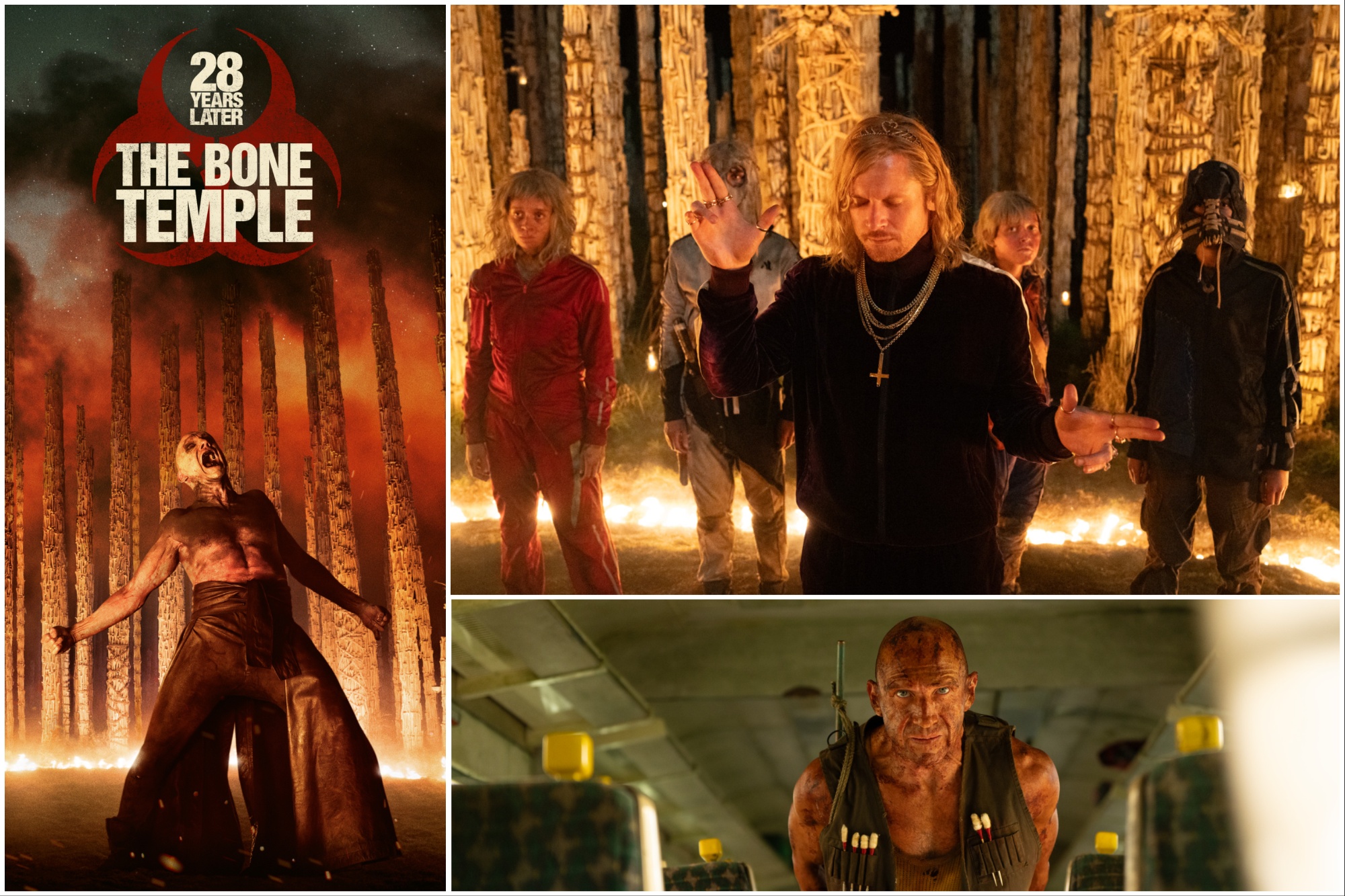
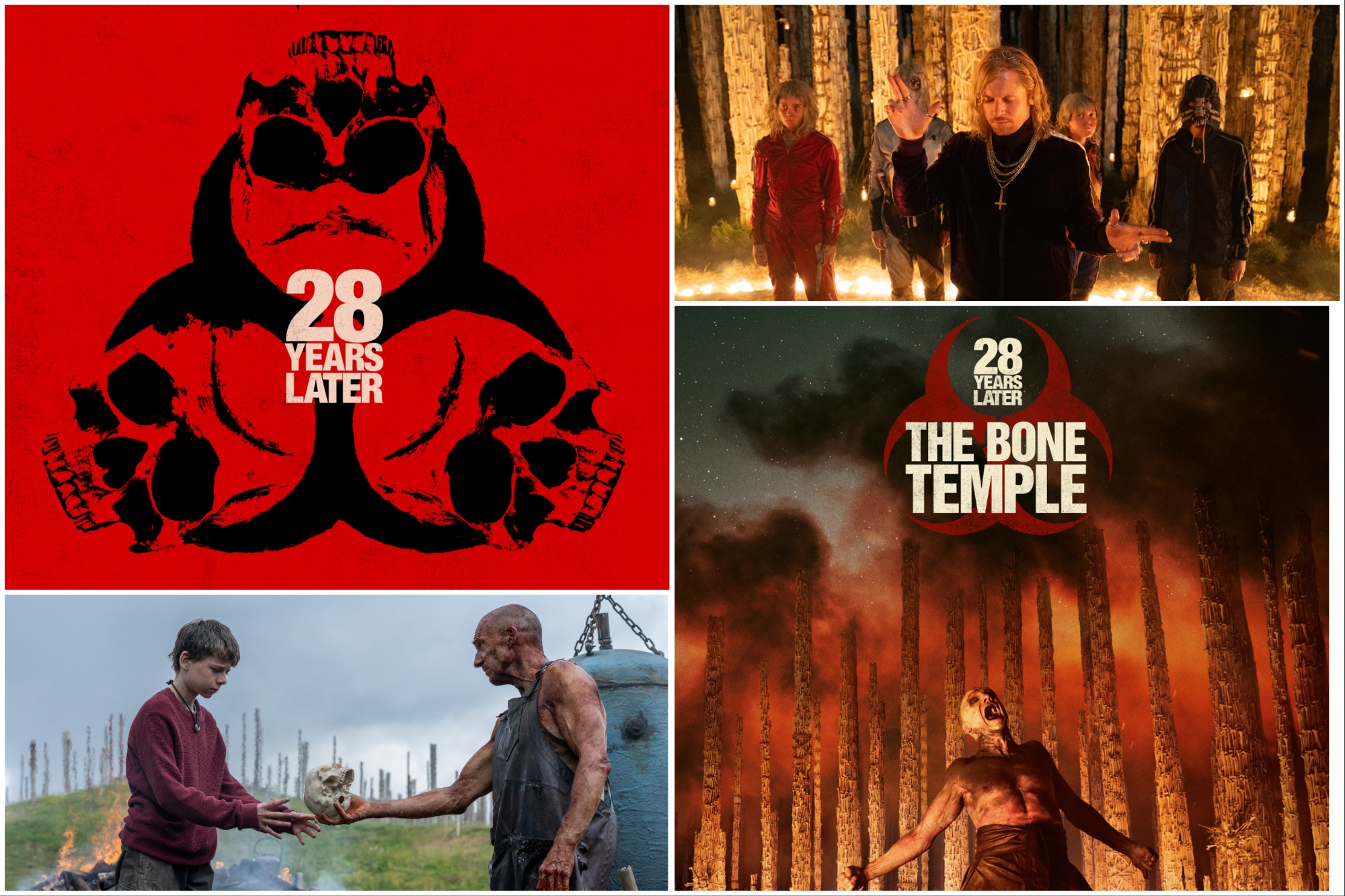
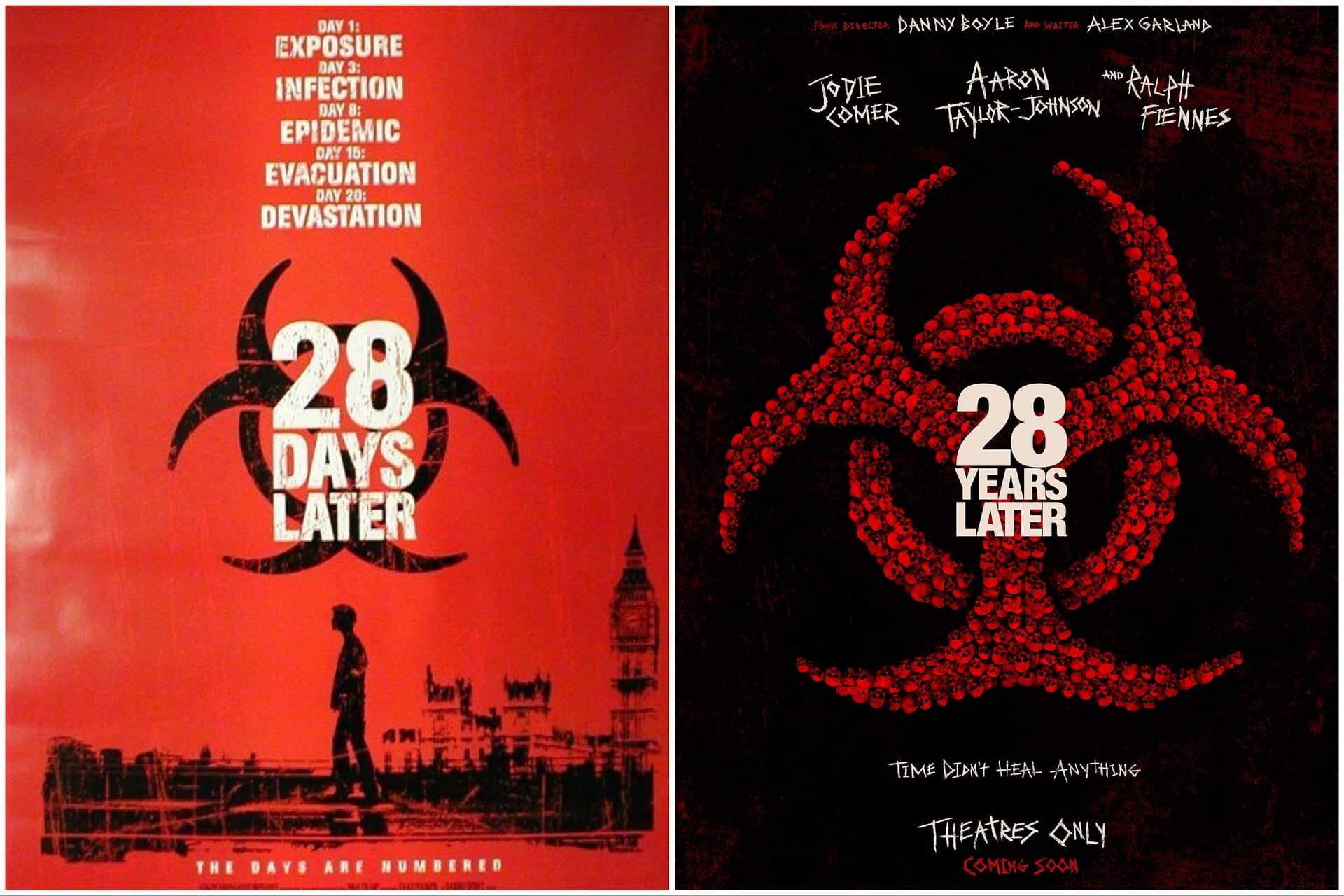
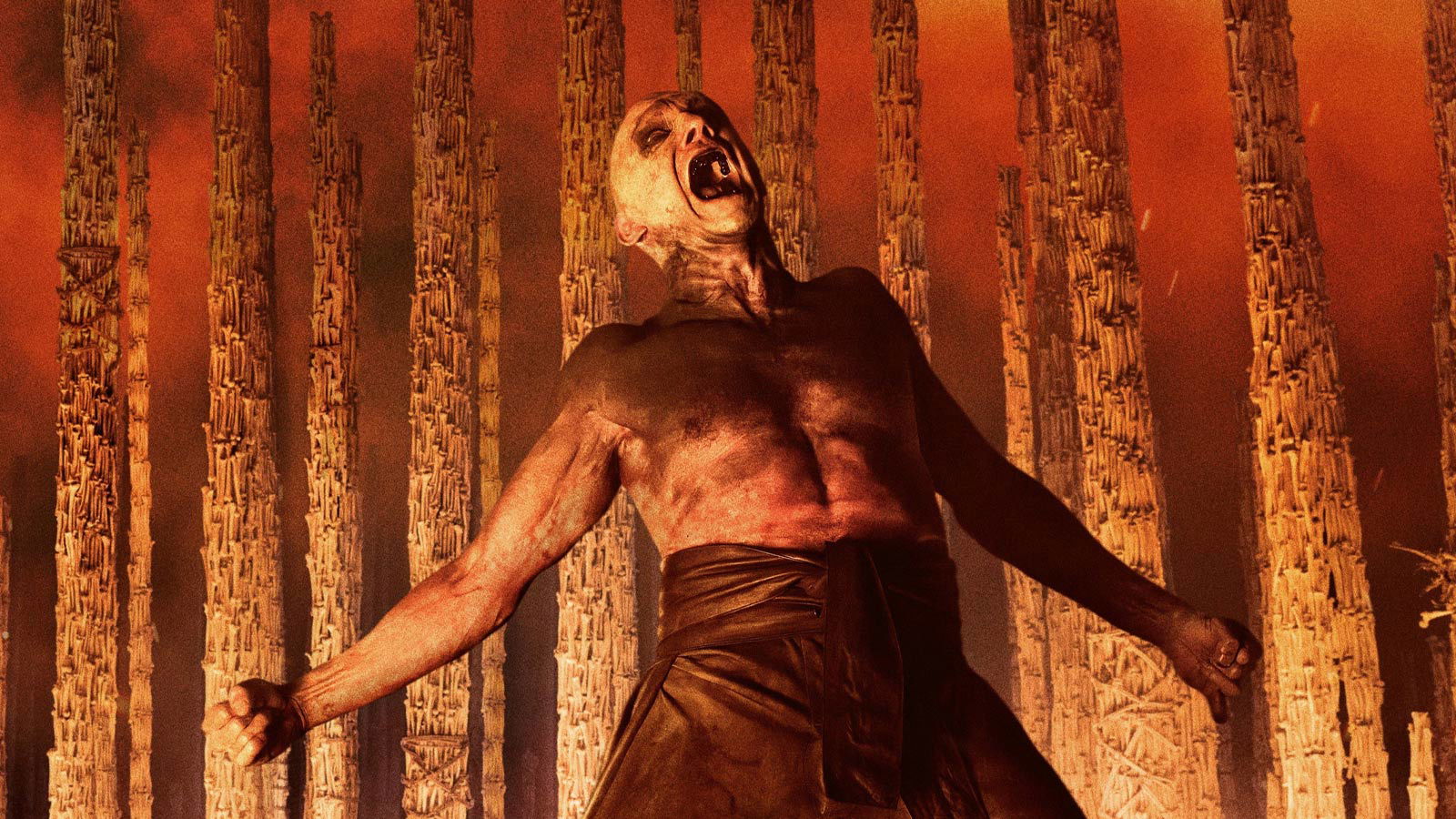
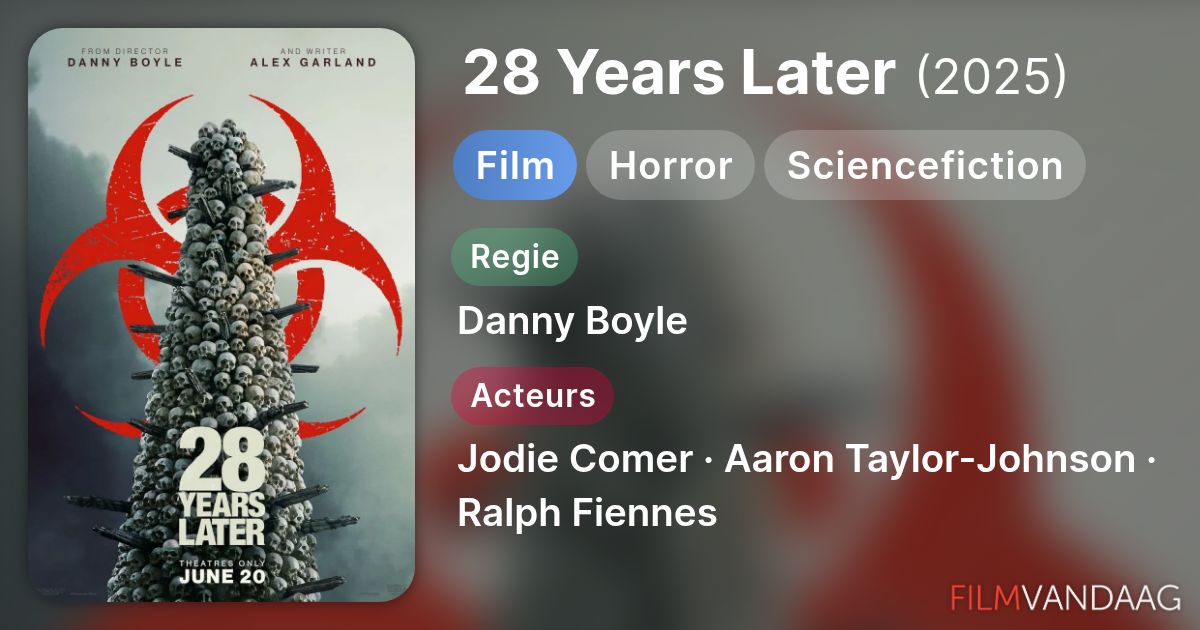
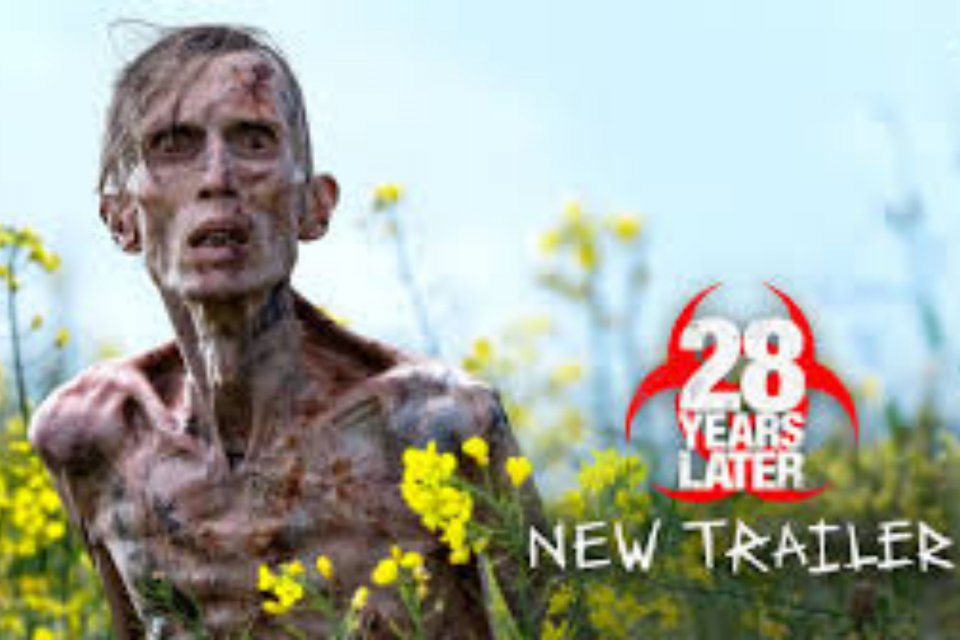
28 Years Later is a post-apocalyptic thriller that explores a world where the Rage Virus has become an endemic part of the global ecosystem. Set nearly three decades after the initial outbreak, the film follows a new generation navigating a fractured society while revisiting the legacy of the original survivors.
Released in 2025 and directed by Danny Boyle, 28 Years Later serves as a direct sequel to the genre-defining 28 Days Later (2002). It moves beyond the immediate chaos of societal collapse to examine the long-term consequences of a biological catastrophe. By bringing back the original creative duo of Danny Boyle and writer Alex Garland, the film successfully bridges the gap between early-2000s "fast zombie" horror and contemporary cinematic storytelling. In 2026, the film remains a pivotal topic of discussion for its technical innovation, its exploration of generational trauma, and its refusal to offer easy answers about the future of humanity.
The Narrative Core of 28 Years Later (2025)
The plot of 28 Years Later avoids the typical "reboot" tropes by leaning heavily into the passage of real-time. We find ourselves in a world where the "Infected" are no longer a new phenomenon but a persistent, environmental threat that has dictated the architecture and social hierarchy of the remaining human enclaves. The story centers on a young man (played by Aaron Taylor-Johnson) who must navigate a dangerous journey across a rugged, desolate landscape to find medical help for his community, eventually crossing paths with figures from the past who remember the world before the Rage.
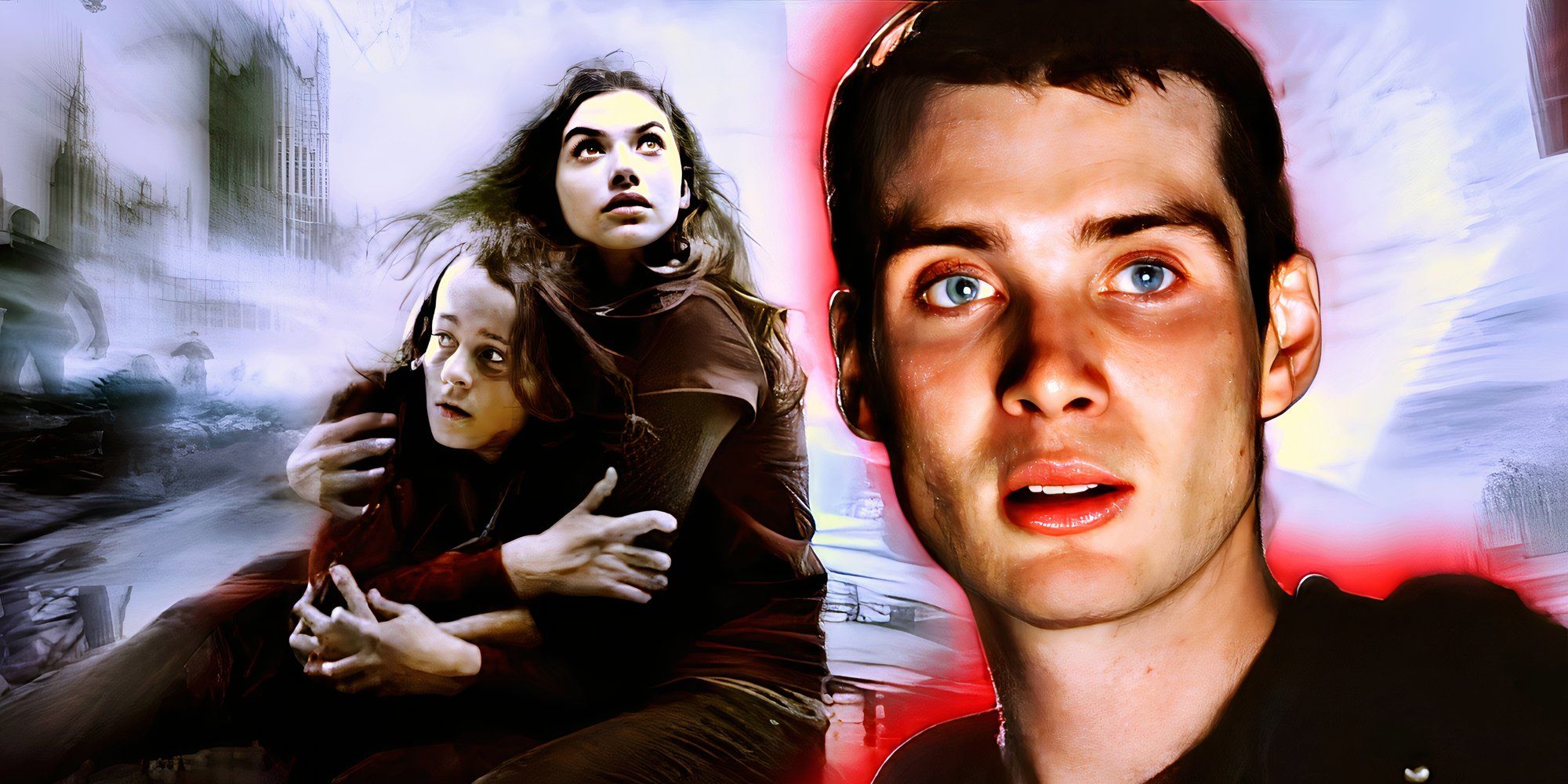
A significant draw for audiences was the return of Cillian Murphy as Jim. Rather than a simple cameo, Jim’s presence serves as a bridge between the hopeful, desperate survivalism of the first film and the cynical realism of the current era. The narrative focuses on "The Second Generation"—those born after the collapse who have never known a world without the threat of the Infected. This shift in perspective allows the film to explore themes of adaptation and the loss of historical memory. The world is no longer about "stopping" the virus; it is about surviving within a world that the virus has fundamentally reshaped.
The Return of the Original Architects: Boyle and Garland
One of the primary reasons 28 Years Later resonates so deeply is the creative reunion of Danny Boyle and Alex Garland. Their collaboration in 2002 essentially reinvented the horror genre by replacing the slow, lumbering zombies of the 20th century with the terrifying, kinetic "Infected." In this 2025 installment, they apply that same visionary energy to a much larger canvas.
Garland’s screenplay moves away from the military-focused claustrophobia of 28 Weeks Later (2007) and returns to the character-driven, philosophical roots of the original. The writing explores the "stationary state" of a post-collapse world—how trade, communication, and governance function when the threat of total annihilation is always a few miles away. Boyle’s direction remains as visceral as ever, utilizing unique cinematography techniques that echo the grainy, immediate feel of the first film while utilizing 2025’s cutting-edge camera technology to capture the vast, haunting beauty of a de-populated Northern England.
Why the Film Still Matters in 2026
As we evaluate the film’s impact a year after its release, its relevance has only grown. 28 Years Later is more than a horror sequel; it is a cultural reflection on how societies handle prolonged crises. In the post-2020 era, the "zombie" metaphor has shifted from a fear of sudden death to a fear of permanent instability.
1. The Evolution of "Fast-Zombie" Tropes
The film matters because it avoids the fatigue associated with the zombie subgenre. It treats the Infected as a biological reality rather than a supernatural force. By showing how the virus has mutated or how the survivors have developed "Rage-protocols," the film adds a layer of tactical realism that had been missing from recent horror entries.
2. A Commentary on Generational Isolation
The "28 years" gap is not just a title; it is the film’s central theme. The movie highlights the friction between the older generation, who mourn the loss of the "Old World," and the younger generation, for whom the "New World" is the only reality. This mirrors contemporary 2026 discussions regarding climate change and societal shifts, where different age groups perceive the same crisis through vastly different lenses.
3. Technological Innovation in Filmmaking
From a technical standpoint, 28 Years Later is a landmark. Following the tradition of the original, which was famously shot on the digital Canon XL1 to achieve a specific look, the 2025 film utilized high-end mobile sensors (specifically modified iPhone 15 Pro Max systems) for major sequences. This choice wasn't just a gimmick; it provided a unique aesthetic that blurred the line between professional cinema and a "found-documentary" feel, proving that high-concept blockbusters can still push technical boundaries.
Comparing the Trilogy's Evolution
To understand where 28 Years Later fits into the broader franchise, it is helpful to look at how the scope and stakes have changed over the decades.
| Feature | 28 Days Later (2002) | 28 Weeks Later (2007) | 28 Years Later (2025) |
|---|---|---|---|
| Primary Theme | Isolation and Shock | Institutional Failure | Societal Legacy and Adaptation |
| Scale of Threat | Localized (London/UK) | Regional (Containment Zone) | Endemic (Global/Ecological) |
| Protagonist Focus | The Accidental Survivor | The Displaced Family | The Post-Outbreak Native |
| Cinematic Style | Standard Definition Digital | High-Octane Action | Atmospheric Folk-Horror |
| Core Conflict | Escaping the City | Military Intervention | Maintaining Civilization |
Key Characters and New Performances
The ensemble cast of 28 Years Later provides the emotional weight necessary to sustain a 120-minute survival epic. While the return of Cillian Murphy provided the marketing hook, the new additions carry the narrative forward.
- Jodie Comer: Playing a pivotal role as a leader in one of the northern settlements, Comer brings a sense of grounded authority. Her character represents the pragmatic survivalism required to keep a community functional when resources are scarce.
- Aaron Taylor-Johnson: As the primary protagonist, his character provides the "outsider" perspective. His journey across the exclusion zones serves as the audience’s tour through the world Boyle and Garland have built, showcasing the various ways humans have attempted to reorganize.
- Ralph Fiennes: Fiennes portrays a character who represents the remnants of the old power structures. His performance adds a layer of political intrigue, suggesting that even in the apocalypse, the struggle for control and "the way things were" never truly dies.
The chemistry between these characters emphasizes that the true danger in the 28 universe isn't just the Infected—it’s the conflicting visions of what humanity should become after the end of the world.
The Technical Legacy: From Grain to High-Definition Grit
The original 28 Days Later was praised for its "ugly" beauty—the low-resolution digital video captured the grime and emptiness of London in a way that traditional film could not. 28 Years Later honors this legacy by eschewing the "clean" look of modern 4K digital cinema.
The production utilized custom-built lenses and sensors to create a visual palette that feels textured and organic. In 2026, film schools are already analyzing how the movie uses light and motion blur to simulate the frantic, adrenaline-fueled perspective of someone being hunted. By prioritizing feeling over clarity, the film stands out in an era of overly polished CGI-heavy spectacles. This commitment to a specific visual language is a major reason why the film remains a subject of intense study for cinematographers and horror fans alike.
Frequently Asked Questions
Is 28 Years Later a reboot or a direct sequel?
It is a direct sequel that takes place in the same continuity as the original 2002 film. While it introduces many new characters, it acknowledges the events of the previous two films and features the return of the original protagonist, Jim. It is designed to be the first part of a new trilogy that will further expand the lore of the Rage Virus.
Do I need to watch 28 Weeks Later to understand this film?
While 28 Weeks Later is part of the timeline, 28 Years Later functions more as a spiritual and narrative successor to the original 28 Days Later. The themes of the 2025 film are more closely aligned with Danny Boyle’s original vision. However, knowing the lore of how the virus spread to the continent in Weeks provides helpful context for the global state of the world.
Why did it take so long to make this sequel?
Director Danny Boyle and writer Alex Garland have stated in interviews that they waited until they had a "powerful enough idea" that justified returning to the world. The shift in global reality following the COVID-19 pandemic provided a new lens through which they could examine viral horror, making 2025 the right time to revisit the franchise.
Is the Rage Virus different in this movie?
The virus remains the same biological pathogen, but the film explores how it has changed the world's ecology. There are suggestions that the "Infected" have settled into a pattern of behavior that survivors have learned to map, though the threat remains just as lethal and unpredictable as it was in the first 28 days.
What is the significance of the "28 years" timeframe?
The timeframe is significant because it represents a full generation. It allows the filmmakers to explore a world where the pre-outbreak era is a "myth" to many characters. This duration is long enough for nature to have reclaimed cities and for new social systems to have become entrenched, shifting the story from "survival" to "civilization."
Preparing for the Future of the Franchise
For those looking to engage deeper with the world of 28 Years Later, the best next step is to revisit the 2002 original with a focus on the themes of societal fragility. Understanding where Jim started is essential for appreciating where his journey concludes—or continues—in this new chapter.
As we look toward the confirmed sequels in this new trilogy, the primary takeaway from 28 Years Later is its message of endurance. In 2026, the film serves as a reminder that while the world may end as we know it, the human drive to build, connect, and remember persists through even the most violent of changes. Watching the film through the lens of modern "folk-horror" and biological anxiety offers the most rewarding experience for both casual viewers and dedicated cinephiles.