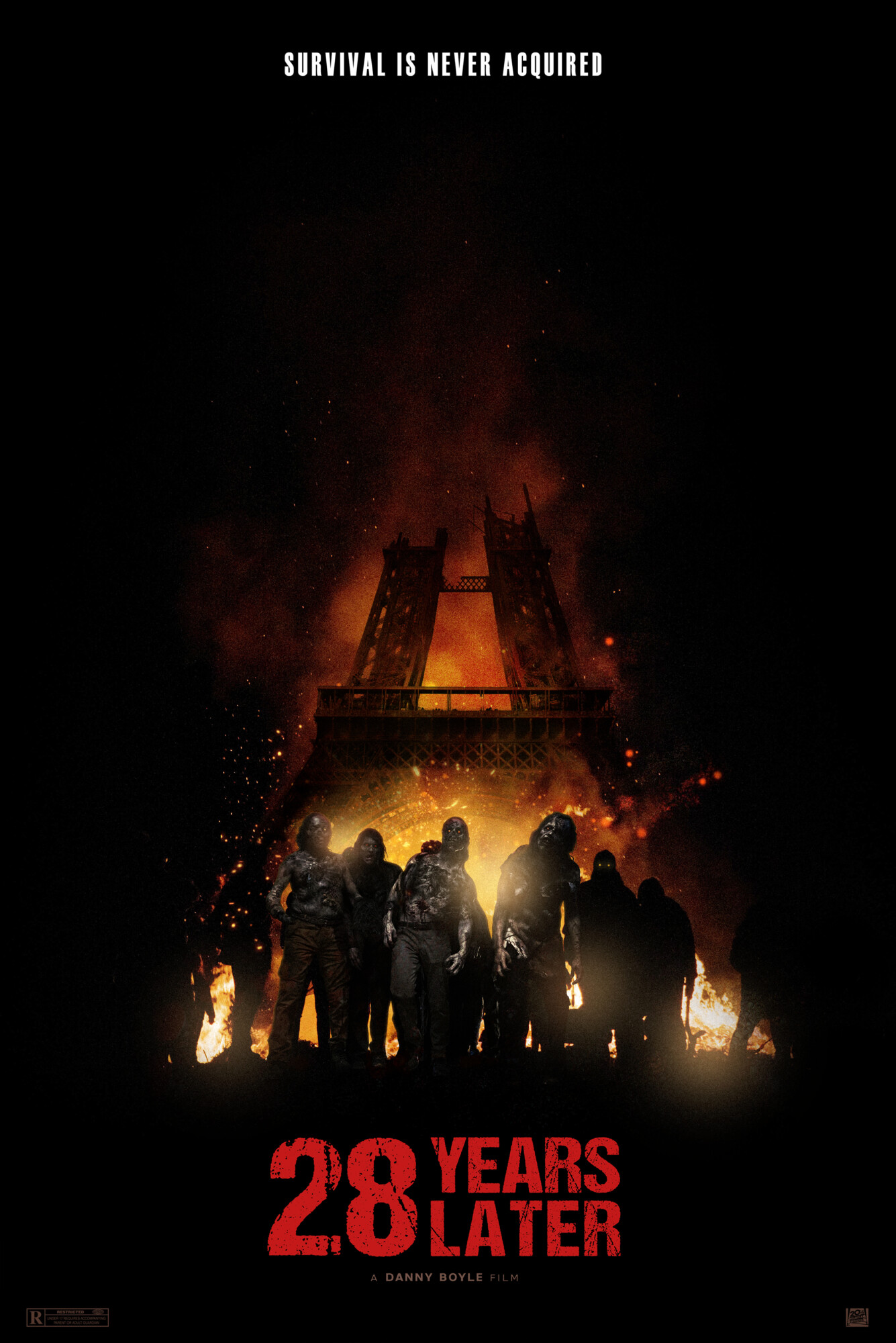
Sony Pictures officially established the global theatrical release date for 28 Years Later as June 20, 2025. Directed by Danny Boyle and written by Alex Garland, this highly anticipated survival-horror revival marks the first entry in a planned trilogy, successfully re-establishing the franchise's dominance in the post-apocalyptic genre as we look back from the perspective of 2026.
The announcement of the June 20, 2025, release date ended nearly two decades of speculation regarding a third installment in the series that began with the 2002 cult classic 28 Days Later. By securing a prime summer blockbuster window, Sony signaled its immense confidence in the project, which reunited the original creative duo of Boyle and Garland. This strategic move ensured that the film would capture maximum visibility, transitioning the "Rage Virus" lore from its gritty, indie-style roots into a high-budget cinematic event. As audiences in 2026 reflect on the impact of this release, it is clear that the "dawn" mentioned in the promotional cycle referred not just to the film's narrative, but to a new era of high-concept horror filmmaking.
The Long-Awaited Return: Evolution of a Survival Horror Icon
The journey to the 2025 release of 28 Years Later was fraught with creative hurdles and rights negotiations that spanned more than 15 years. Following the 2007 sequel 28 Weeks Later, which was directed by Juan Carlos Fresnadillo, the franchise entered a period of dormancy. While fans clamored for a conclusion to the "Days" and "Weeks" progression, Danny Boyle and Alex Garland were occupied with independent projects that garnered critical acclaim and Academy Awards. It wasn't until late 2023 that the stars aligned, with Sony Pictures winning a high-stakes bidding war against other major studios and streaming giants to distribute the new trilogy.
The decision to jump the timeline forward to 28 years after the initial outbreak was a masterstroke in world-building. It allowed Garland to bypass the immediate chaos of societal collapse—which has been explored extensively in other media like The Walking Dead—and instead focus on a world that has adapted to a "new normal." In the 2026 cinematic landscape, this leap is recognized for having revitalized the tired "zombie" tropes by introducing complex political structures and ecological changes that occurred in the decades following the initial UK quarantine.
Technical Innovation: The Dawn of iPhone Cinema at Scale
One of the most discussed aspects of 28 Years Later leading up to its release was its unconventional production method. Following the spirit of the original 28 Days Later, which was famously shot on the Canon XL-1 digital video camera to achieve a raw, news-like aesthetic, Danny Boyle opted for a modern equivalent. Principal photography for 28 Years Later was completed using a series of highly modified iPhone 15 Pro Max smartphones.
This choice was not merely a gimmick. The use of smartphone technology, supported by professional-grade cages, lenses, and external storage systems, allowed the production team to film in tight, precarious locations where traditional IMAX cameras would have been unwieldy. In 2026, film historians point to this movie as a turning point for mobile cinematography, proving that a $75 million blockbuster could maintain "the dawn" of a cinematic look while utilizing consumer-grade sensor technology. The result was an image that felt both intimate and terrifyingly immediate, bridging the gap between the low-fi grit of the first film and the high-fidelity expectations of modern theater-goers.
A Stellar Ensemble: Merging Legacy with New Blood
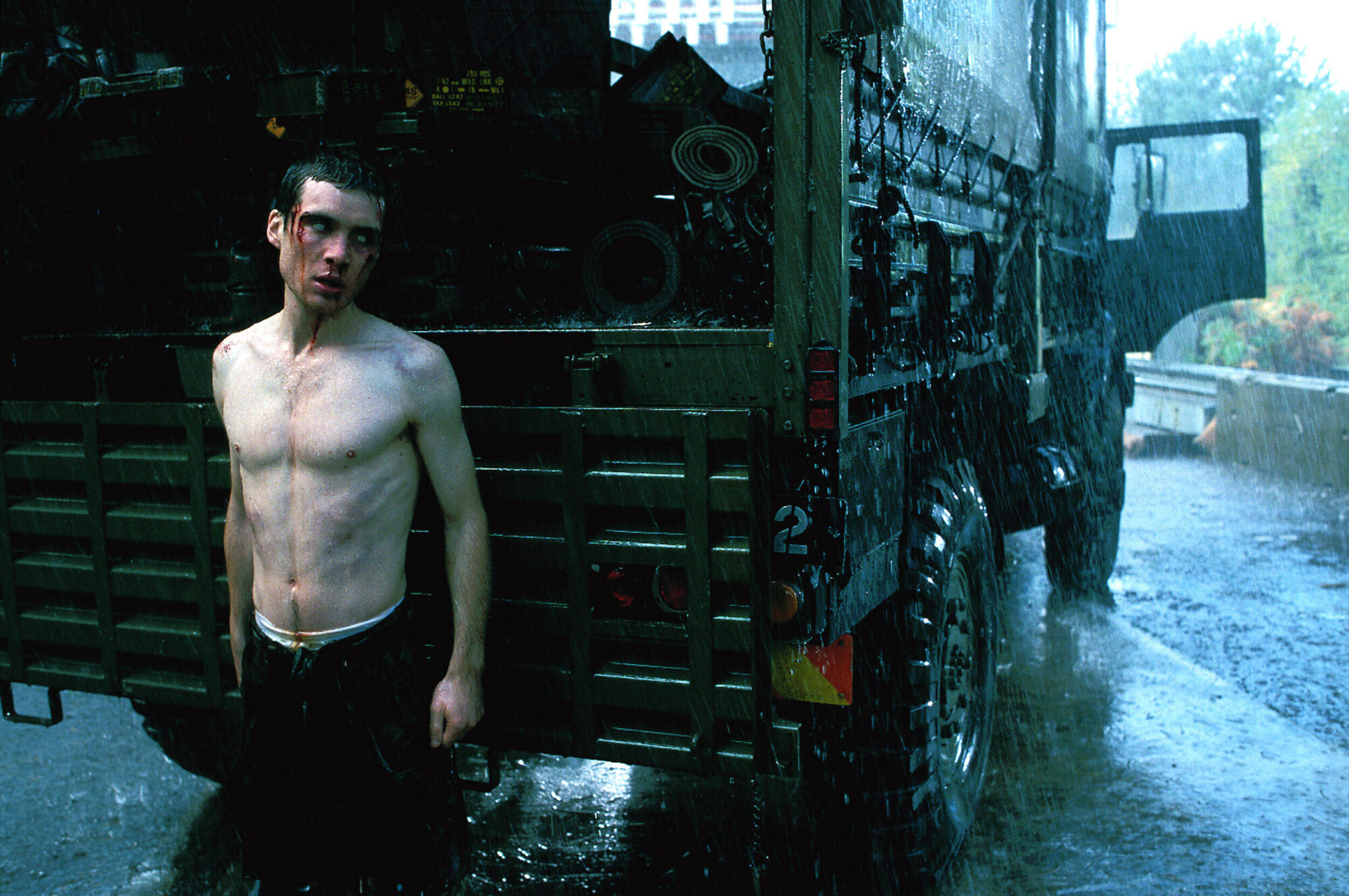
The casting of 28 Years Later was a critical component of its marketing campaign and eventual success. The primary draw for many long-term fans was the confirmed return of Cillian Murphy. While initially kept under wraps, it was eventually revealed that Murphy would reprise his role as Jim, the bicycle courier who woke up in a deserted London hospital in the original film. His return provided the emotional anchor necessary to bridge the twenty-year gap between the stories.
However, the film was designed to pass the torch to a new generation of survivors. The ensemble included:
- Aaron Taylor-Johnson: Taking a lead role that required both physical intensity and emotional vulnerability.
- Jodie Comer: Playing a character central to the new societal structures that emerged in the aftermath of the virus.
- Ralph Fiennes: Adding a layer of gravitas as a figurehead in the remnants of the British government.
- Jack O'Connell: Portraying a hardened survivor whose history is intrinsically linked to the events of the "Weeks" era.
This mix of Academy Award-level talent and rising stars ensured that the film appealed to both nostalgic fans and younger audiences who were not yet born when the first movie premiered.
Production and Financial Overview
Sony's commitment to the franchise was evident in the financial backing provided for the first film and its immediate sequel. Unlike many horror franchises that operate on shoestring budgets, 28 Years Later was treated as a premium tentpole.
| Feature | Details |
|---|---|
| Director | Danny Boyle |
| Screenwriter | Alex Garland |
| Lead Studio | Sony Pictures |
| Theatrical Release Date | June 20, 2025 |
| Estimated Budget | $75 Million |
| Filming Format | iPhone 15 Pro Max (Modified) |
| Sequel Status (as of 2026) | Part II: The Bone Temple in Post-Production |
| Primary Filming Locations | Northumberland, UK; Holy Island |
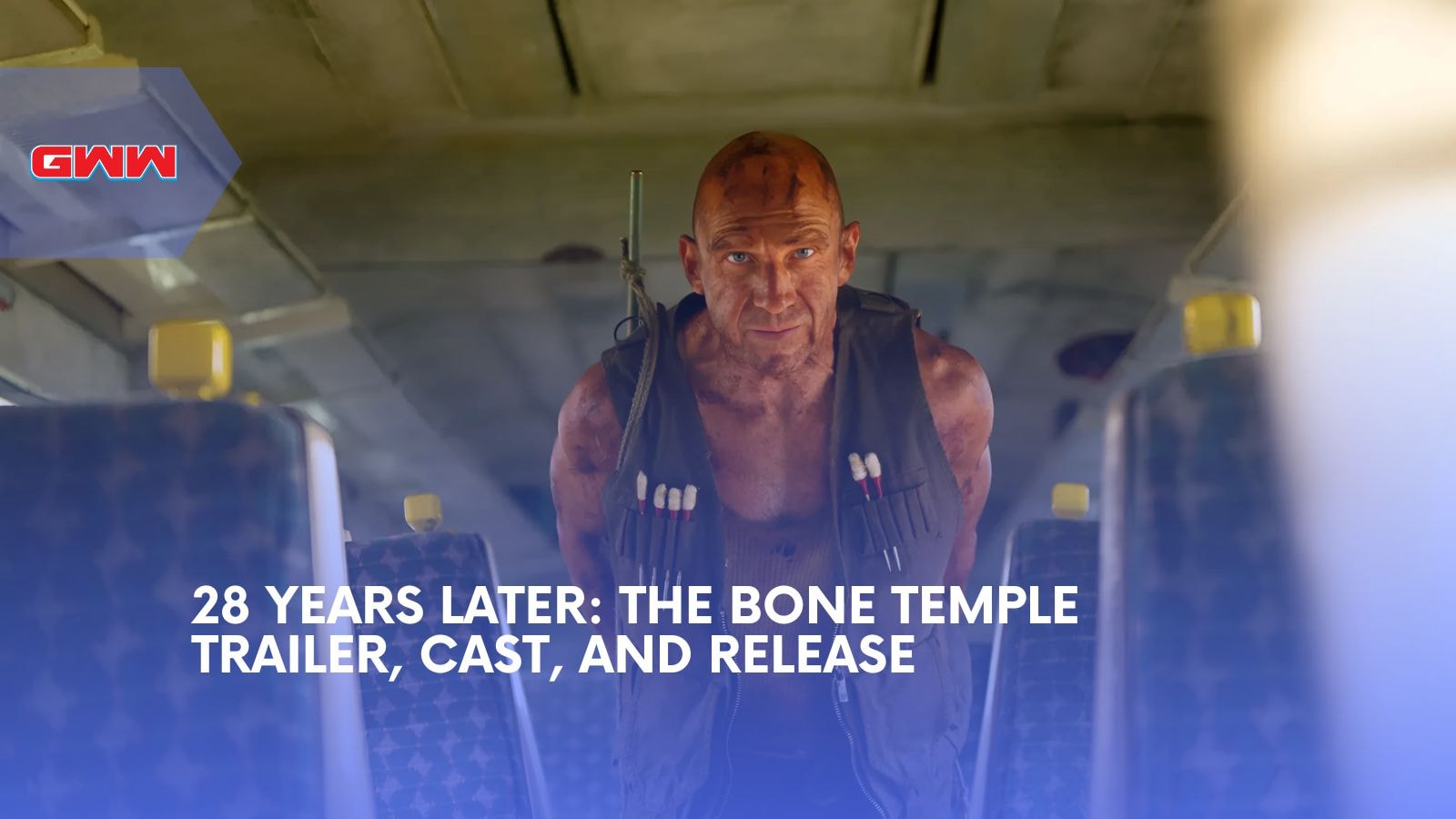
The 2025 release served as a catalyst for a back-to-back production schedule. While Boyle directed the first installment, Nia DaCosta was brought on to direct the second chapter, titled 28 Years Later Part II: The Bone Temple. This strategy of filming "The Dawn" and its immediate successor in close proximity allowed the studio to maintain narrative consistency and momentum, a trend that has become more common in 2026 for major genre revivals.
The Narrative Pivot: What "The Dawn" Represents
In the context of the film's marketing, "Don't miss the dawn" served a dual purpose. Within the story, the dawn refers to the literal and metaphorical awakening of a new strain of the Rage Virus, or perhaps more accurately, the awakening of humanity from its long period of isolation and fear. The film explores the concept of "re-wilding," where nature has reclaimed major urban centers, and the infected have evolved in ways that the survivors are unprepared for.
The 2025 film moved away from the simple "run and hide" mechanics of earlier entries. Instead, it introduced themes of genetic immunity, long-term psychological trauma, and the ethics of rebuilding a civilization on the ashes of the old world. By the time the credits rolled, audiences realized that "the dawn" was actually the start of a much larger geopolitical conflict that would span the entire trilogy.
Critical Reception and Industry Impact
Upon its June 2025 release, the film was met with widespread critical acclaim. Critics praised Garland’s screenplay for its philosophical depth and Boyle’s direction for its relentless energy. The film’s ability to gross over $100 million in its opening weekend proved that there was still a massive appetite for R-rated, intelligent horror.
By 2026, 28 Years Later is cited as a primary example of a successful "legacy sequel." It avoided the pitfalls of excessive fanservice, opting instead to expand the lore in a way that felt organic. The decision to release in the summer—rather than the traditional October window for horror—allowed it to dominate the box office during a period usually reserved for superhero films and animated sequels.
FAQ: Understanding the 28 Years Later Launch
Is 28 Years Later a reboot or a direct sequel?
It is a direct sequel that takes place within the same continuity as 28 Days Later and 28 Weeks Later. While it functions as a jumping-off point for a new trilogy, it acknowledges the historical events of the previous films and features returning characters like Jim (Cillian Murphy).
Why was the film shot on an iPhone?
Director Danny Boyle and cinematographer Anthony Dod Mantle chose to use modified iPhone 15 Pro Max cameras to capture a specific aesthetic of "digital grit." This choice mirrors the use of the Canon XL-1 in the original 2002 film, providing a sense of visual continuity while pushing the boundaries of modern mobile filmmaking technology.
Who directed the sequels to 28 Years Later?
While Danny Boyle directed the first part of the new trilogy (28 Years Later), Nia DaCosta was tapped to direct the second installment. Alex Garland remains the primary screenwriter for the entire trilogy to ensure a cohesive narrative arc across all three films.
When will the second part of the trilogy be released?
Following the June 2025 release of the first film, the second part, titled 28 Years Later Part II: The Bone Temple, is scheduled for a late 2026 theatrical window. Sony opted for an aggressive release schedule to capitalize on the renewed interest in the franchise.
Is Cillian Murphy the main character in the new trilogy?
While Cillian Murphy reprises his role as Jim, the new trilogy focuses on an ensemble cast. Murphy's character serves as a vital link to the past, but the narrative weight is shared with new leads played by Aaron Taylor-Johnson and Jodie Comer.
Next Steps for Fans and Cinema-Goers
With the first chapter of the new trilogy now a certified landmark in horror history, viewers should look toward the home media "Special Edition" releases which often contain the technical breakdowns of the iPhone filming process. If you missed the initial theatrical run in 2025, catching up on the 4K Ultra HD versions is essential before the premiere of The Bone Temple later in 2026. Keep an eye on official Sony Pictures channels for teaser trailers regarding the third and final installment, which is expected to wrap up the narrative of the Rage Virus once and for all.