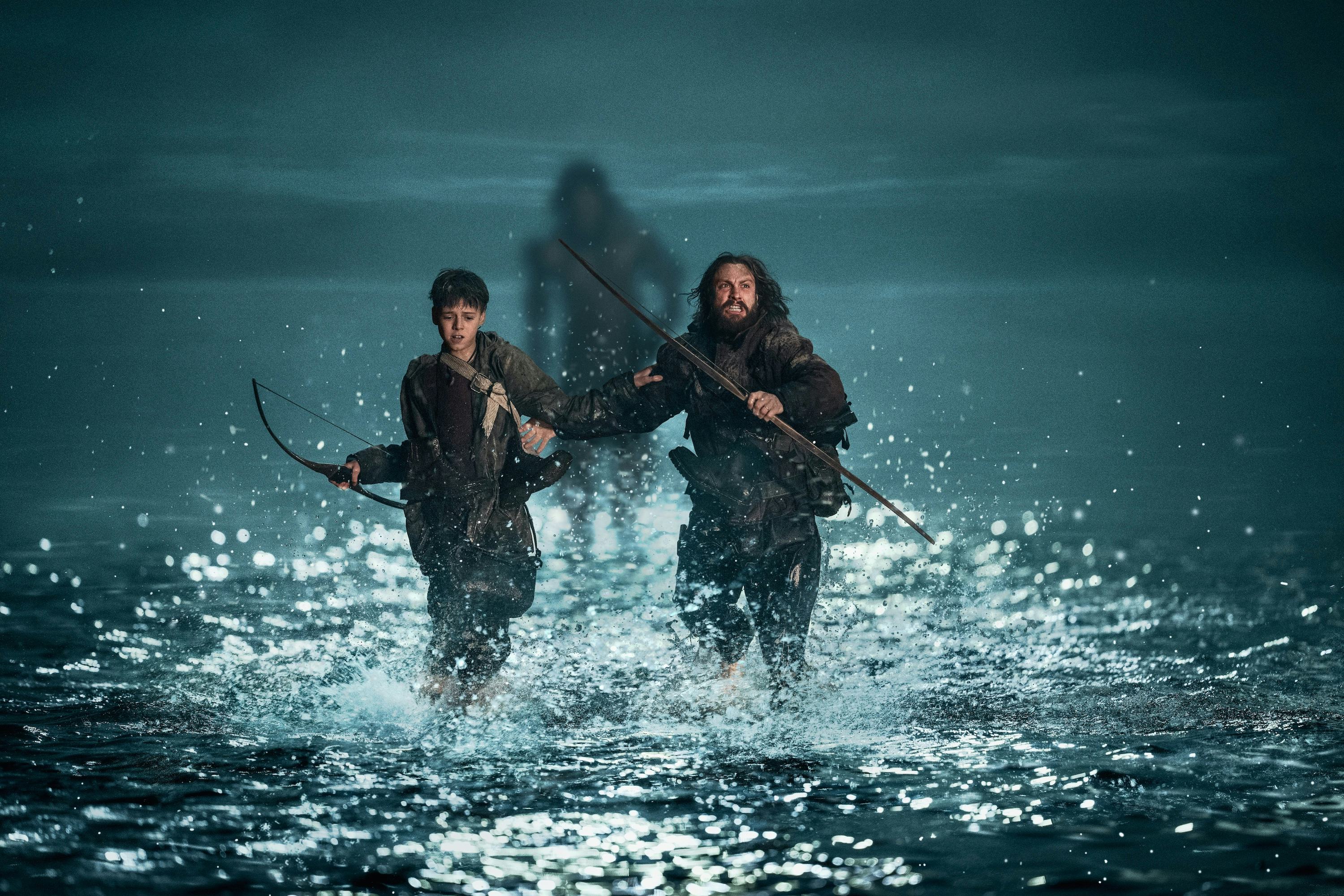
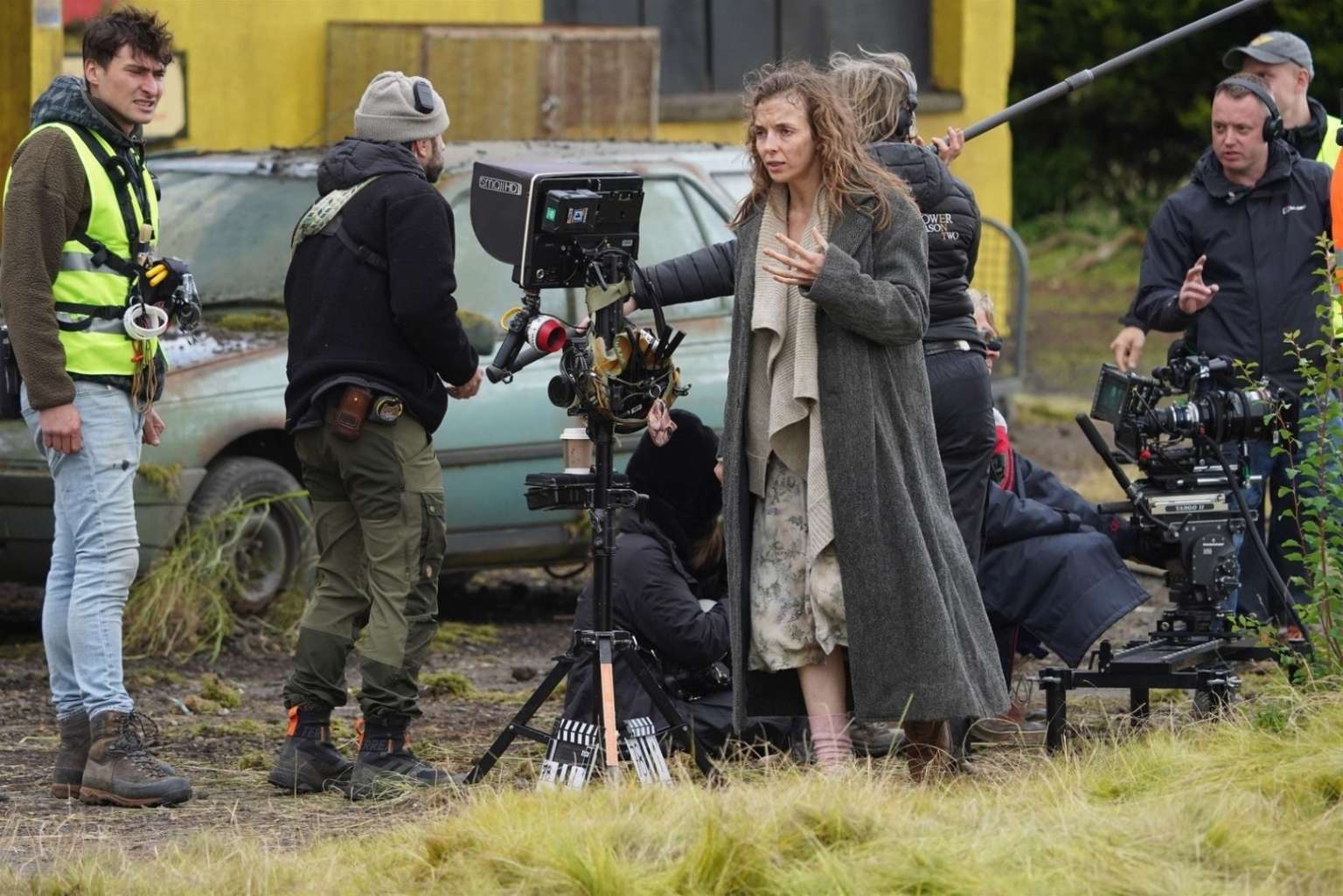
Set photos from the production of 28 Years Later confirm a return to the harrowing, visceral atmosphere of the original franchise, showcasing a British landscape reclaimed by nature and a deadlier evolution of the Rage Virus. These images highlight the long-term societal collapse, the return of Cillian Murphy’s Jim, and a more feral, weathered breed of "Running Infected."
The long-awaited sequel to 28 Days Later (2002) and 28 Weeks Later (2007) has finally moved from development hell into reality. As of 2026, the film’s visual identity—first glimpsed through leaked and official set photos during its 2024-2025 production cycle—has become a cornerstone of modern horror aesthetics. Directed by Danny Boyle and written by Alex Garland, the film seeks to redefine the "zombie" genre once again, focusing on the sheer scale of time—nearly three decades—since the initial outbreak of the Rage Virus.
The Visual Evolution of a Post-Apocalyptic Britain
The most striking element revealed in the 28 Years Later set photos is the sheer passage of time. Unlike the "fresh" apocalypse seen in 28 Days Later, where the world looked like it had simply stopped mid-breath, these production stills depict a United Kingdom that has been fundamentally reshaped by twenty-eight years of neglect.
Set photos captured in Northumberland and around the Holy Island of Lindisfarne show roads that are no longer just cracked, but entirely subsumed by flora. Vehicles seen in these shots are not just rusted; they are skeletal remains integrated into the landscape. This "green apocalypse" suggests a shift in tone—from the immediate panic of survival to a permanent state of frontier living. The production design emphasizes a world where electricity and infrastructure are distant memories, and humans have retreated to easily defensible, isolated locations.
The scale of the "Infected Apocalypse" has changed from urban chaos to rural dread. Large-scale sets constructed in the British countryside feature fortified encampments that look more like medieval hillforts than modern bunkers. This indicates that survivors have had to abandon the cities entirely, which, according to the lore hinted at by Garland, have become dens for the starving and the mutated.
Analyzing the New "Rage" Infected
The original 2002 film revolutionized horror by introducing "fast zombies"—though technically living humans infected with a virus. Set photos for 28 Years Later reveal a significant update to the makeup and performance of these antagonists.
Actors seen in "infected" makeup appear more gaunt and weathered than in previous installments. Because 28 years have passed, the narrative must address how the virus has persisted. The set photos suggest two possibilities: either a new strain has emerged, or the virus has adapted to allow the hosts to survive longer than the original "starvation" window of the first film.
Leaked footage from the Northumberland sets showed "infected" performers sprinting with a frantic, animalistic gait through dense woodland. The makeup looks less like fresh blood and more like deep-seated ocular hemorrhaging and skin lesions, suggesting a virus that has become more integrated with the host’s biology over decades. This evolution ensures that the threat remains as terrifyingly fast as ever, but with an added layer of primal, predatory intelligence that comes from long-term survival in the wild.
Key Locations and Their Narrative Implications
The choice of filming locations provides deep insight into the plot of 28 Years Later. The production utilized several distinct areas of the UK to represent the fractured remains of civilization.
| Filming Location | Landscape Type | Narrative Significance |
|---|---|---|
| Northumberland | Rugged Uplands | Represents the "frontier" where survivors live in isolation. |
| Holy Island (Lindisfarne) | Tidal Island | A key survivalist stronghold; the tide acts as a natural defense against the infected. |
| Newcastle City Centre | Urban Decay | Used to depict the "Dead Zones" where the virus first took hold. |
| The Scottish Highlands | Alpine/Mountainous | Likely represents the final sanctuary or "The Bone Temple" (title of the second part). |
| Warkworth Castle | Medieval Ruin | Suggests humanity has regressed to ancient defensive strategies. |
The use of Lindisfarne is particularly telling. A tidal island that is cut off from the mainland twice a day creates a high-stakes "safe zone." Set photos showed small boats and primitive defenses, suggesting that the sea has become the most effective barrier against the Rage Virus, which traditionally affects mammals that cannot navigate complex maritime environments.
The Return of Jim: Cillian Murphy’s Role
For years, the fate of Jim, the protagonist of the original film, was a subject of fan debate. Set photos finally confirmed Cillian Murphy’s return to the role that launched his career. Unlike the waifish, confused courier of 2002, the Jim of 2026 (the film's internal timeline) is a battle-hardened survivor.
Production stills show Murphy with a long, graying beard and tactical, mismatched gear that reflects decades of scavenging. His presence bridges the gap between the old world and the new. The photos also suggest a paternal or leadership role, as he is often seen in the company of the new younger cast members, including Aaron Taylor-Johnson and Jodie Comer. This dynamic hints at a story about legacy—how those who remember the world before the Rage Virus pass their knowledge to a generation that has never known a world without it.
Technical Innovation: The "iPhone" Cinematography
One of the most discussed technical aspects revealed during the production was Danny Boyle’s decision to use unconventional camera tech. While 28 Days Later was famously shot on the Canon XL-1 (a standard-definition digital camera), 28 Years Later utilized the iPhone 15 Pro Max for significant portions of the shoot.
Set photos showed the smartphones rigged with massive professional lenses and stabilizers. This isn't just a gimmick; it’s a deliberate stylistic choice to mirror the "digital grit" of the first movie while utilizing 2020s technology. For the audience, this translates to a film that feels immediate and handheld, capturing the frantic energy of an infected chase with a depth of field that traditional cinema cameras struggle to replicate in tight, wooded environments. This technical depth ensures that the "apocalypse" feels raw and unpolished, avoiding the overly "clean" look of many modern CGI-heavy horror films.
Comparative Scale: 28 Days vs. 28 Weeks vs. 28 Years
To understand why the 28 Years Later set photos caused such a stir, one must look at the progression of the franchise's scope.
- 28 Days Later: A localized outbreak in London. The scale is intimate and focused on the immediate shock of a silent city.
- 28 Weeks Later: An attempt at reconstruction. The scale is militaristic, showing the failure of NATO and the US military to contain the virus.
- 28 Years Later: Total systemic collapse. The scale is geological and societal. There are no more "rescue parties." The set photos reveal a world that has moved past the "recovery" phase and into a "new normal."
The production design reflects this by removing all traces of modern technology from the "survivor" sets. There are no functioning computers, no working phone lines, and no heavy machinery. Everything is analog, salvaged, or handmade. This creates a far more "permanent" feeling of apocalypse than the previous films, where the hope of a returning "normal" world still lingered.
FAQ: Common Questions About the Production
Are the infected in 28 Years Later still fast?
Yes, set photos and leaked production footage confirm that the infected maintain their signature high-speed pursuit. While their appearance has evolved to look more gaunt and weathered due to the 28-year timeline, their physical aggression remains the core threat of the film.
Is Cillian Murphy the main character?
While Cillian Murphy returns as Jim, he is part of an ensemble cast. Set photos suggest he serves as a pivotal bridge between the original outbreak and the new generation of survivors, likely acting as a mentor or a key figure in the survivalist community.
Where was 28 Years Later filmed?
The majority of the film was shot on location in Northern England, specifically Northumberland and Newcastle, as well as the Holy Island of Lindisfarne. These locations were chosen for their rugged, ancient landscapes that help depict a Britain that has reverted to a more primitive state.
Why did they use iPhones to film a major blockbuster?
Director Danny Boyle and cinematographer Anthony Dod Mantle chose to use iPhone 15 Pro Max units (with professional lens mods) to recapture the "lo-fi" digital aesthetic of the original 2002 film. This allows for more maneuverability during high-intensity chase scenes and provides a unique visual texture that distinguishes the film from standard 35mm productions.
Does the film ignore the events of 28 Weeks Later?
While the film is a direct sequel to the original 28 Days Later, it exists within the same continuity as 28 Weeks Later. However, the 28-year time jump allows the creators to focus on a new era of the world, largely independent of the specific military plotlines seen in the second film.
Preparing for the Bone Temple
As we look toward the subsequent installments in this new trilogy, the set photos of 28 Years Later serve as a blueprint for the future of the franchise. The focus on practical locations, evolved infected, and a world that has moved beyond the "initial panic" phase sets a high bar for the horror genre in 2026.
For fans following the production, the next step is to monitor news regarding the second part of the trilogy, reportedly titled 28 Years Later Part II: The Bone Temple. Given the Scottish Highland locations hinted at in the first film's production cycle, the "apocalypse" is likely to head even further north into even more isolated and treacherous terrain.