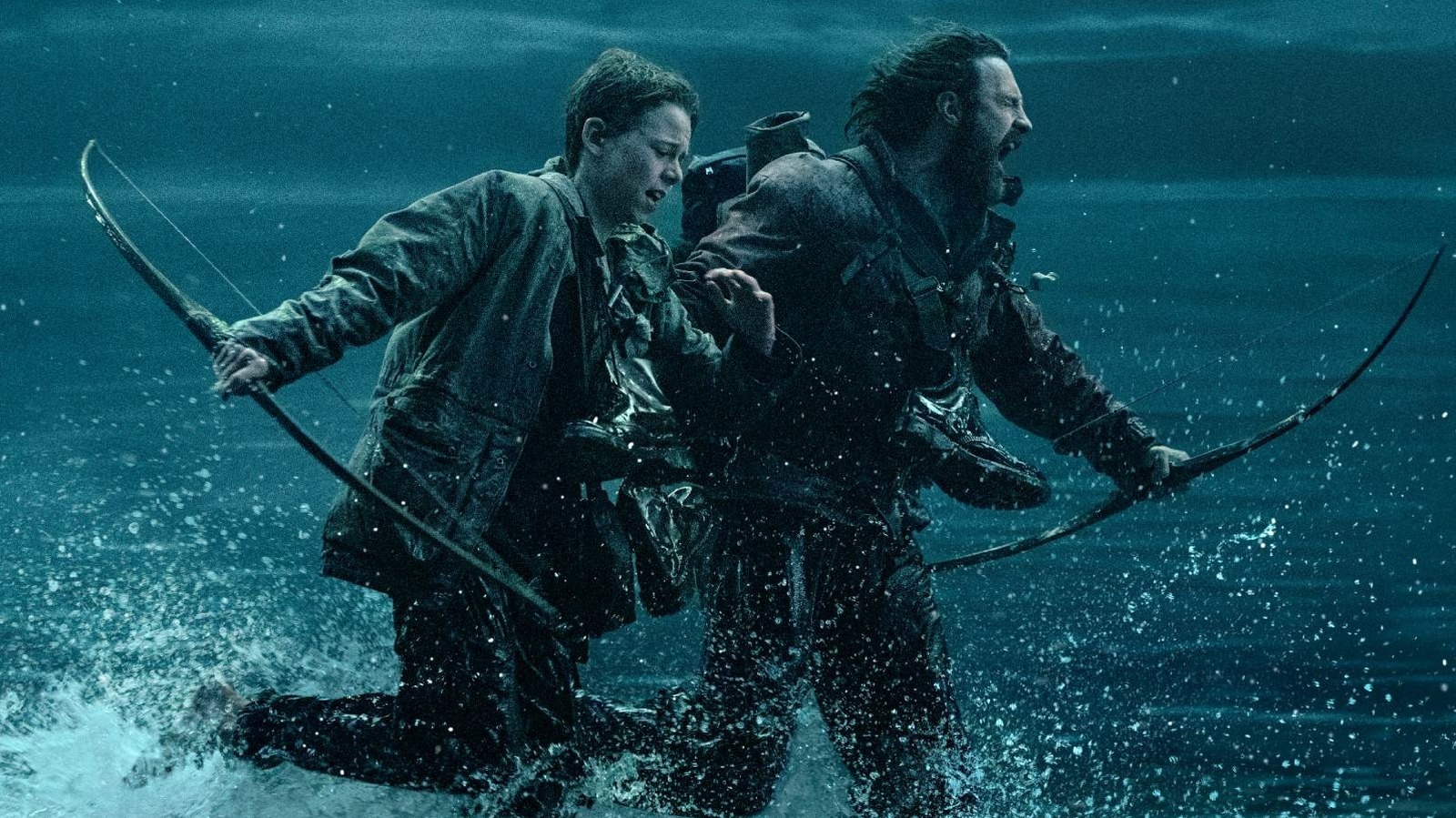
As of 2026, the cinematic landscape has been irrevocably altered by the return of the franchise that redefined modern horror. 28 Years Later, the highly anticipated sequel to the 2002 classic 28 Days Later, has transitioned from a decade-long rumor into a monumental trilogy that serves as a cultural touchstone for a new generation. With the original creative duo of director Danny Boyle and writer Alex Garland reuniting, the film explores a world where the initial "Rage Virus" outbreak is no longer a recent memory, but a permanent fixture of human history.
The phrase "the rest of the world watches and waits" encapsulates both the diegetic tension within the film’s narrative—as surviving enclaves monitor the evolving infection—and the real-world anticipation that preceded its release. Following the 2025 theatrical debut of the first installment in this new trilogy, the focus in 2026 has shifted toward the expansion of this universe and the technical innovations that have once again pushed the boundaries of the digital medium.
The Legacy of the Rage Virus: From 2002 to 2026
To understand why the world continues to watch and wait for the latest developments in this saga, one must look back at the impact of 28 Days Later. Released in 2002, it bypassed the traditional, slow-moving zombie tropes of the 20th century in favor of "the infected"—humans driven by a primal, uncontrollable rage. These were not the undead; they were fast, aggressive, and terrifyingly biological.
The 28-year gap between the original events and the current timeline allows Garland and Boyle to explore "post-apocalyptic" life through a lens of permanence. In 28 Days Later, the struggle was for immediate survival. In 28 Weeks Later (2007), the focus was on failed reconstruction. Now, in the era of 28 Years Later, the world has entered a state of "new normalcy." The ruins of the old world are no longer sites of fresh trauma but the foundational geography for a new kind of society. This temporal distance provides a unique psychological depth, questioning what remains of human empathy and governance after nearly three decades of isolation and intermittent biological warfare.
Narrative Architecture: What Happens 28 Years After?
The core of 28 Years Later revolves around the evolution of the Rage Virus and the societies that have sprouted in its shadow. Unlike previous installments that focused on the immediate collapse of the United Kingdom, this new era looks at the broader global implications. The "watches and waits" motif refers to the sophisticated surveillance systems and border protocols established by the few remaining stable nations to keep the infection at bay.
The Return of Jim
A significant draw for the audience has been the return of Cillian Murphy as Jim. In the 2002 film, Jim was the audience surrogate—a man who woke up from a coma into a nightmare. In the 2026 context, Jim’s character has evolved into a veteran of the long-term apocalypse. His perspective is no longer one of shock, but of weary expertise. The narrative explores how 28 years of hyper-vigilance changes a person, shifting the focus from the horror of the infected to the horror of what humans must become to endure.
The New Generation
The trilogy introduces new protagonists, played by Aaron Taylor-Johnson, Jodie Comer, and Ralph Fiennes. These characters represent the "Born-After" generation—individuals who have never known a world without the threat of the Rage Virus. For them, the ruins of London or Manchester are not landmarks of a lost civilization, but hazardous terrains to be managed. This generational divide creates a friction that drives the plot, as the older survivors cling to the hope of restoration while the youth focus on sustainable adaptation.
Technical Innovation: Filming on the iPhone 15 Pro Max
True to the spirit of the original film—which was famously shot on the Canon XL-1, a standard-definition digital video camera—28 Years Later has embraced a daring technical approach. To capture the gritty, immediate, and slightly "off" aesthetic that defines the series, Danny Boyle and cinematographer Anthony Dod Mantle opted to shoot the $75 million production primarily on modified iPhone 15 Pro Max smartphones.
This choice was not merely a marketing gimmick but a calculated artistic decision. In 2026, as we analyze the visual language of the film, the use of high-end mobile technology allowed the crew to film in cramped, authentic locations that would be inaccessible to traditional IMAX or Arri Alexa rigs. The result is a film that feels intimately close to the characters, mimicking the "citizen journalism" and handheld footage that characterized the early 2000s, but updated with the HDR and 4K capabilities of modern hardware.
- Lenses: The production utilized custom-made cages to attach high-end Panavision lenses to the iPhones, blending consumer-grade sensors with professional-grade optics.
- Mobility: The lightweight nature of the rigs allowed for the frantic, kinetic energy required for the iconic "infected chase" sequences.
- Post-Production: Advanced color grading was used to ensure the footage maintained the "dirty" digital look of the original while meeting 2026 theatrical standards.
Comparative Evolution of the "28" Franchise
The following table outlines the progression of the franchise, highlighting the shift in themes and technical execution over the decades.
| Feature | 28 Days Later (2002) | 28 Weeks Later (2007) | 28 Years Later (2025/2026) |
|---|---|---|---|
| Primary Theme | Sudden Isolation | Failed Reconstruction | Civilizational Adaptation |
| Director | Danny Boyle | Juan Carlos Fresnadillo | Danny Boyle |
| Primary Location | London (Deserted) | London (Green Zone) | Rural UK / Global Outposts |
| Technical Format | MiniDV (Canon XL-1) | 35mm / 16mm Film | iPhone 15 Pro Max / Digital |
| Infection Status | Active Outbreak | Secondary Flare-up | Endemic / Evolving |
| Global Context | Isolated UK Quarantine | US-Led NATO Intervention | Fractured Global Enclaves |
The Global Response: Why the World Still Watches
The enduring appeal of this franchise, and the reason the world "watches and waits" in 2026, lies in its grounded approach to the "zombie" genre. Garland’s scripts have always been more interested in sociology than gore. The Rage Virus serves as a metaphor for societal instability, viral misinformation, and the fragility of international cooperation.
In the current climate, the themes of 28 Years Later resonate more deeply than they did in 2002. The concept of a "world watching and waiting" reflects the modern experience of global crises—where information is constant, but the ability to act is often paralyzed by bureaucracy or fear. The film captures the exhaustion of a world that has been "on guard" for too long, a feeling that many contemporary audiences find uncomfortably relatable.
The Bone Temple and the Future of the Trilogy
As we move through 2026, the focus has shifted toward the second part of the trilogy, reportedly titled 28 Years Later Part II: The Bone Temple. While Danny Boyle directed the first installment, Nia DaCosta has taken the helm for the second chapter. This change in leadership suggests a shift in perspective, perhaps moving away from the gritty realism of the UK to explore how other cultures and geographies have managed the 28-year vigil.
The "Bone Temple" title suggests a more ritualistic or perhaps religious evolution of the survivors, indicating that after three decades, the Rage Virus may have birthed new forms of social organization or even mythology. This expansion is why the audience remains engaged; the story is no longer just about escaping a monster, but about witnessing the birth of a new, albeit scarred, world.
Frequently Asked Questions
Is "28 Years Later" a direct sequel to "28 Weeks Later"?
While it exists in the same universe, 28 Years Later functions more as a direct thematic and narrative successor to the original 28 Days Later. It acknowledges the passage of time and the events of the previous films but focuses on the reunion of the original creative team (Boyle and Garland) to conclude the story they started, largely bypassing the specific character arcs of the 2007 sequel.
Why was the iPhone 15 Pro Max used for filming a major blockbuster?
The choice was an homage to the original film's use of consumer-grade digital cameras. Director Danny Boyle and cinematographer Anthony Dod Mantle wanted to maintain the unique "digital grit" that defined the franchise. Additionally, the portability of the iPhone allowed for unique camera angles and a sense of "unpolished" reality that expensive, bulky cinema cameras often struggle to replicate.
Does Cillian Murphy have a lead role in the new trilogy?
Yes, Cillian Murphy reprises his role as Jim. However, his role is part of an ensemble cast. His character serves as a bridge between the old world and the new, providing a sense of continuity and emotional weight to the 28-year time jump. Murphy also serves as an executive producer on the project.
When will the next installments of the trilogy be released?
Following the release of the first film in June 2025, the second part, The Bone Temple, is expected in late 2026 or early 2027. The production of the three films was planned in relatively quick succession to maintain narrative momentum and thematic consistency.
What is the "Rage Virus" in the context of 2026 science fiction?
The Rage Virus remains a biological pathogen that induces uncontrollable aggression. In the 2026 trilogy, the science is expanded to look at the long-term effects of the virus on the environment and the possibility of viral mutation, moving the series closer to a "speculative biology" subgenre of science fiction.
Navigating the 28 Years Later Experience
For viewers and researchers looking to engage with the franchise in 2026, the best approach is to revisit the original 2002 film to understand the visual and narrative DNA that Boyle and Garland have resurrected. The "watching and waiting" period for the first film is over, but the trilogy is still unfolding.
To stay updated on the technical specifications and release schedules for the upcoming sequels, follow official updates from Sony Pictures and DNA Films. As the trilogy progresses, the focus will likely shift toward the global implications of the infection, making it essential to watch for international casting news and location reveals that will define the final chapter of this historic horror saga.