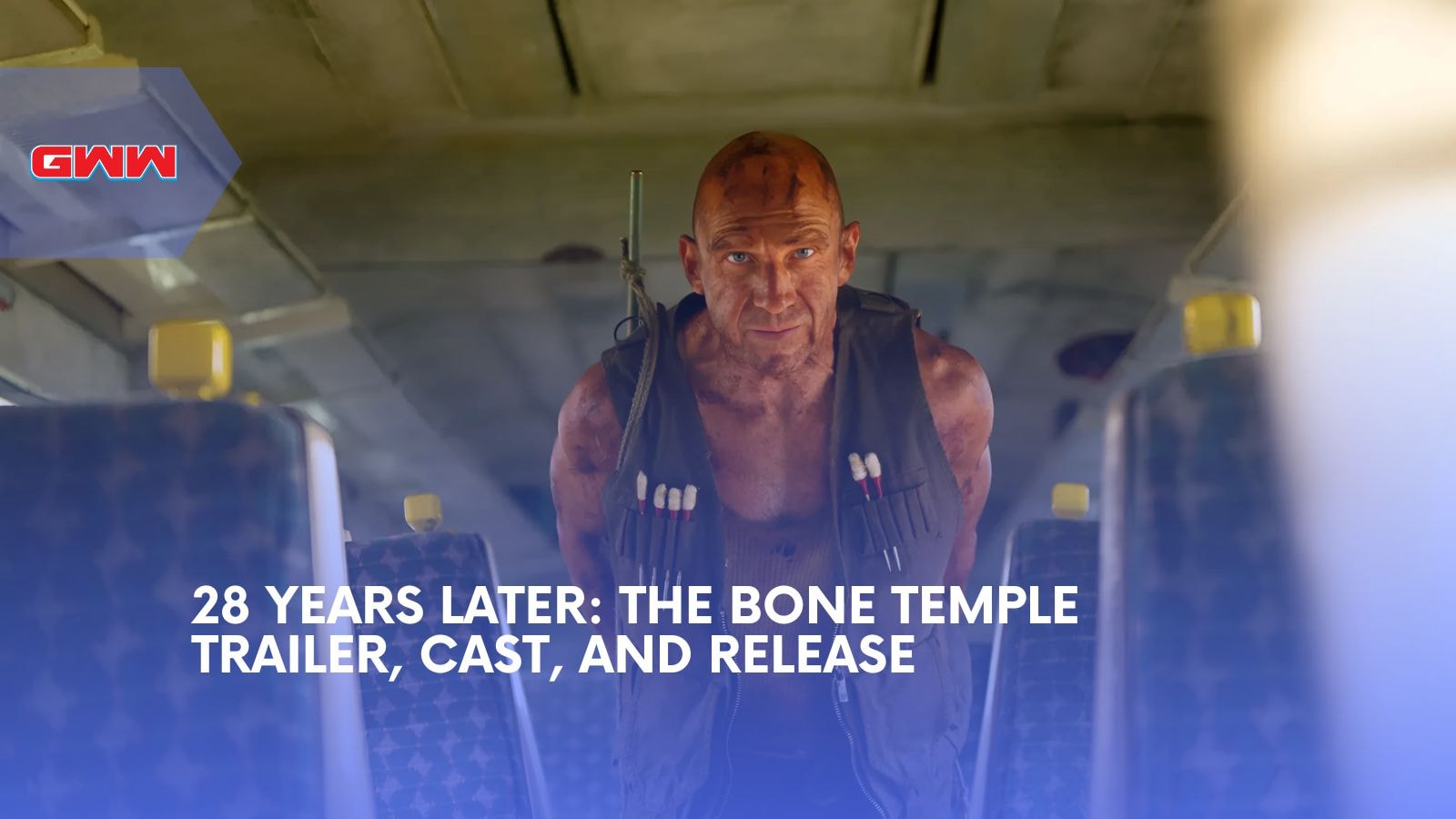
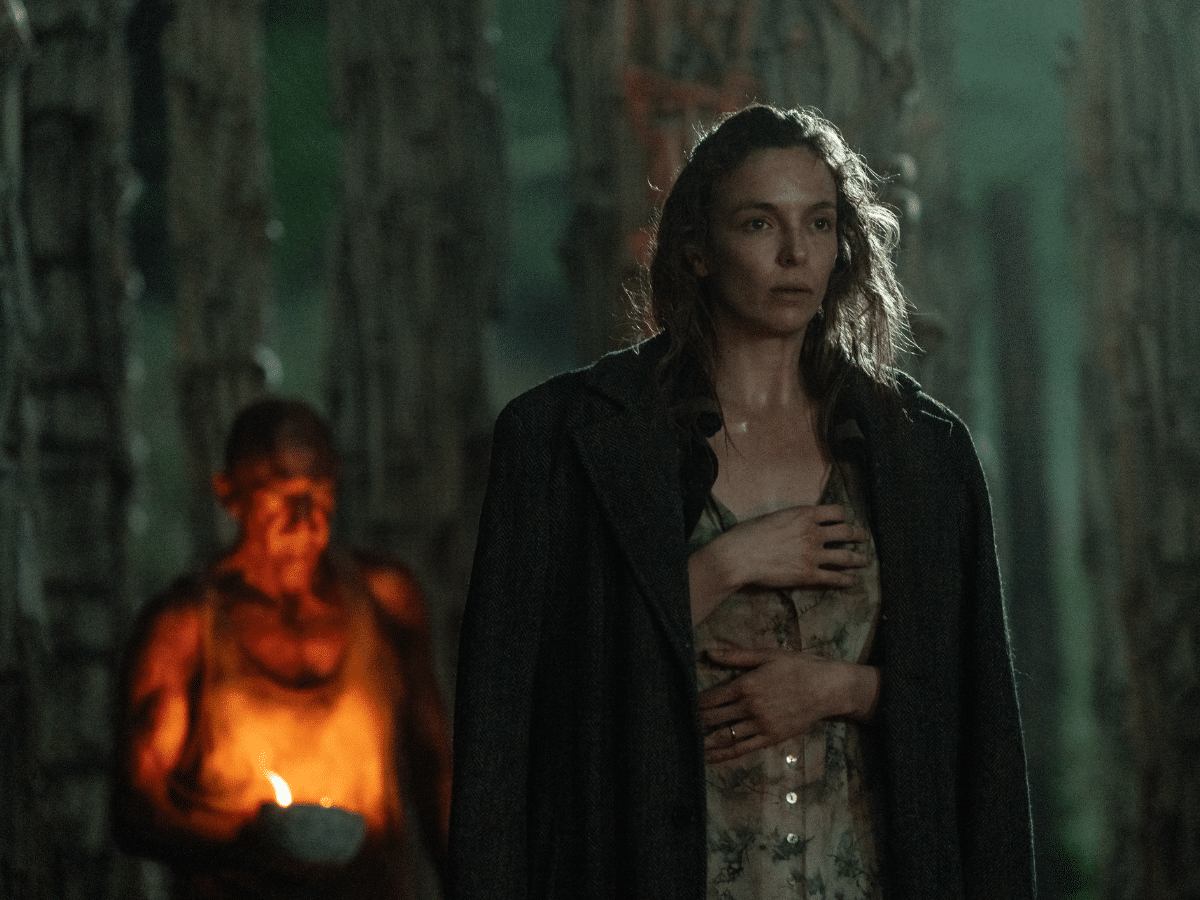
The highly anticipated horror sequel 28 Years Later officially arrived in theaters on June 20, 2025, marking the definitive return of the franchise that redefined the zombie genre. Directed by Danny Boyle and written by Alex Garland, the film serves as the first chapter in a planned trilogy that explores the long-term devastation of the Rage Virus nearly three decades after the initial outbreak.
The path to 28 Years Later has been one of the most discussed journeys in modern cinema. After nearly two decades of rumors and false starts, the original creative duo of Danny Boyle and Alex Garland finally reunited to bring their vision of a post-apocalyptic Britain to life. As of 2026, the film has completed its primary theatrical run and is now a central pillar of streaming platforms, while its direct sequel is already deep in the post-production phase. Understanding the significance of this film requires looking at its unique production methods, the return of foundational cast members, and the strategic expansion of the franchise under Sony Pictures.
The Resurrection of a Horror Icon
The 28 Days Later franchise changed the landscape of horror in 2002 by introducing "fast zombies"—infected humans driven by pure, uncontrollable rage rather than reanimated corpses. While 2007’s 28 Weeks Later was a commercial success, fans spent years clamoring for the original creators to return.
In early 2024, Sony Pictures won a high-stakes bidding war, securing the rights to a new trilogy spearheaded by Boyle and Garland. This deal, reportedly valued in the hundreds of millions, signaled a shift from the "gritty indie" roots of the original to a blockbuster-scale production. The status of the film in 2026 reflects this massive investment, as it has successfully transitioned from a cult classic revival into a mainstream cinematic universe.
The narrative of 28 Years Later skips past the immediate chaos of the outbreak, focusing instead on a world that has been fundamentally reshaped by the Rage Virus. By setting the story 28 years after the events of the first film, Boyle and Garland have created a "legacy sequel" that functions as both a standalone entry for new viewers and a deep-cut continuation for long-time fans.
Confirmed Release Timeline and Distribution
The timeline for 28 Years Later followed a rigorous production schedule that began in the spring of 2024. Filming primarily took place in the rugged landscapes of Northumberland, England, providing a stark, isolated backdrop that mirrored the tonal isolation of the characters.
| Milestone | Date / Period | Status |
|---|---|---|
| Official Announcement | January 2024 | Completed |
| Principal Photography | May – July 2024 | Completed |
| Initial Theatrical Release | June 20, 2025 | Completed |
| Digital/Physical Media Launch | October 2025 | Completed |
| Sequel (28 Years Later II) | Expected Late 2026 | In Post-Production |
Following its June 2025 release, the film dominated the summer box office for horror, proving that there was still significant appetite for the Rage Virus lore. For viewers in 2026, the film is widely available on major VOD platforms and premium streaming services, often bundled with the original 2002 film for a comprehensive viewing experience.
The Return of Cillian Murphy and New Cast Members
One of the most significant "what to know" factors regarding 28 Years Later is the involvement of Academy Award winner Cillian Murphy. Murphy, who portrayed Jim in the original film, serves as an executive producer on the new trilogy. His on-screen return was a closely guarded secret during production, but his presence acts as the emotional anchor connecting the new story to the 2002 classic.
Joining the franchise are several high-profile actors who bring a new level of prestige to the horror series:
- Jodie Comer: Known for her versatility, Comer plays a central role in the new survivalist community, navigating the political and biological threats of a fractured Britain.
- Aaron Taylor-Johnson: His character provides much of the film’s physical momentum, representing the "new generation" born into a world where the Rage Virus is a historical fact rather than a sudden surprise.
- Ralph Fiennes: Fiennes adds a layer of gravitas, portraying a character who remembers the world before the fall, offering a philosophical counterpoint to the younger survivors.
- Jack O'Connell: Often associated with intense, gritty roles, O'Connell’s character highlights the brutal reality of life in the "Dead Zones."
Technical Innovation: The iPhone 15 Pro Max Experiment
A fascinating technical detail about 28 Years Later is its choice of cinematography. In a nod to the original 28 Days Later—which was famously shot on the Canon XL-1 digital video camera to achieve a raw, documentary-like aesthetic—Danny Boyle and cinematographer Anthony Dod Mantle opted for a modern equivalent.
Much of 28 Years Later was shot using adapted iPhone 15 Pro Max smartphones. While this might sound like a gimmick, the devices were outfitted with professional lenses and cages, allowing the crew to capture high-intensity sequences with a level of mobility that traditional IMAX cameras cannot match. This choice preserves the "shaky-cam" energy of the original while upgrading the resolution to 4K standards suitable for modern cinema screens. This technical decision has been a major point of discussion among film students and tech enthusiasts throughout 2025 and 2026, proving that high-end filmmaking can still innovate through unconventional hardware.
Plot Architecture and the Rage Virus Evolution
The story of 28 Years Later moves beyond the simple "run and hide" mechanics of previous entries. In this timeline, the Rage Virus has not been eradicated, but the human response to it has evolved. The film explores the concept of "The Bone Temple," a location or perhaps a societal structure that becomes central to the second film in the trilogy.
Themes of isolation, the failure of institutional memory, and the resilience of the human spirit are prevalent. Unlike the first film, which was a journey through a deserted London, the 2025 film focuses on the outskirts—the rural areas where small pockets of civilization have attempted to build something permanent. The "infected" themselves have also changed; while they remain fast and lethal, the film hints at ecological shifts in how the virus persists in the environment after nearly three decades.
The Future of the Franchise: Part II and Beyond
As of 2026, the focus has shifted toward the second installment of the trilogy. While Danny Boyle directed the first film, Nia DaCosta (known for Candyman and The Marvels) was tapped to direct the second chapter, titled 28 Years Later Part II: The Bone Temple.
This directorial hand-off was planned from the start to ensure a fresh perspective on the evolving narrative. Garland remains the primary writer for the entire trilogy, ensuring a cohesive vision. The second film was shot back-to-back with the first, a strategic move by Sony to maintain momentum and manage the aging of the cast. This means that by the time audiences finished processing the events of the 2025 release, the next chapter was already in the final stages of editing.
Essential Viewer Guidance for the 2025/2026 Era
For those catching up on the film now, there are several key contexts to keep in mind to fully appreciate the work:
- Watch the Original First: While 28 Years Later can stand alone, the thematic weight of Jim’s journey is essential for the emotional payoffs in the new trilogy. 28 Weeks Later is less vital to the immediate plot of the 2025 film but provides excellent context for how the military failed to contain the initial spread.
- Soundtrack Legacy: John Murphy, the composer behind the iconic "In the House, In a Heartbeat," returned to provide the score. The music is a character in itself, transitioning from the industrial rock of the early 2000s to a more haunting, orchestral-electronic hybrid.
- Filming Locations: Many fans have begun visiting the Northumberland locations used in the film. The choice of the UK’s northern wilderness is a deliberate departure from the urban decay of London, emphasizing a world where nature has reclaimed much of the built environment.
FAQ
Is 28 Years Later a sequel or a reboot?
It is a direct sequel to the original 2002 film 28 Days Later. While it acknowledges the broader history of the outbreak, it focuses on the original creative vision of Danny Boyle and Alex Garland, effectively serving as the start of a new "legacy" trilogy.
Does Cillian Murphy have a lead role in the movie?
Without spoiling the narrative arc, Murphy’s character, Jim, is a pivotal element of the story. While the film introduces new protagonists played by Jodie Comer and Aaron Taylor-Johnson, Jim's legacy and his eventual appearance are central to the film's marketing and emotional core.
Why did they use iPhones to film a blockbuster?
The decision was both stylistic and practical. It pays homage to the original film's use of consumer-grade digital cameras and allowed for greater flexibility in tight or difficult locations. The use of the iPhone 15 Pro Max, specifically, allowed for a unique visual texture that distinguishes the film from other clean, high-gloss Hollywood productions.
When will the next movie in the trilogy be released?
As of current 2026 schedules, the sequel 28 Years Later Part II: The Bone Temple is expected to hit theaters in late 2026. Because it was filmed nearly concurrently with the first part, the wait time between installments has been kept relatively short.
Is the Rage Virus different after 28 years?
The virus remains fundamentally the same in its effect—inducing uncontrollable aggression—but the film explores how the infected exist in a world where food sources are scarce and the environment has changed. The "28 years" timeframe allows the filmmakers to explore the virus as a permanent fixture of the world rather than a temporary crisis.
Strategic Recommendation for Fans
If you are looking to experience the full weight of the 28 Years Later phenomenon in 2026, the best approach is a curated marathon. Start with the 4K restoration of 28 Days Later to ground yourself in the visual language and Jim's origin. Follow this with the 2025 film, paying close attention to the sound design and the subtle callbacks to the 2002 "empty London" sequences. For the best visual experience, seek out the physical 4K Ultra HD Blu-ray of 28 Years Later, which preserves the unique digital grain and high dynamic range of the iPhone-shot sequences far better than standard streaming bitrates. Keep a close watch on official Sony Pictures announcements throughout the latter half of 2026 for confirmed premiere dates for The Bone Temple.