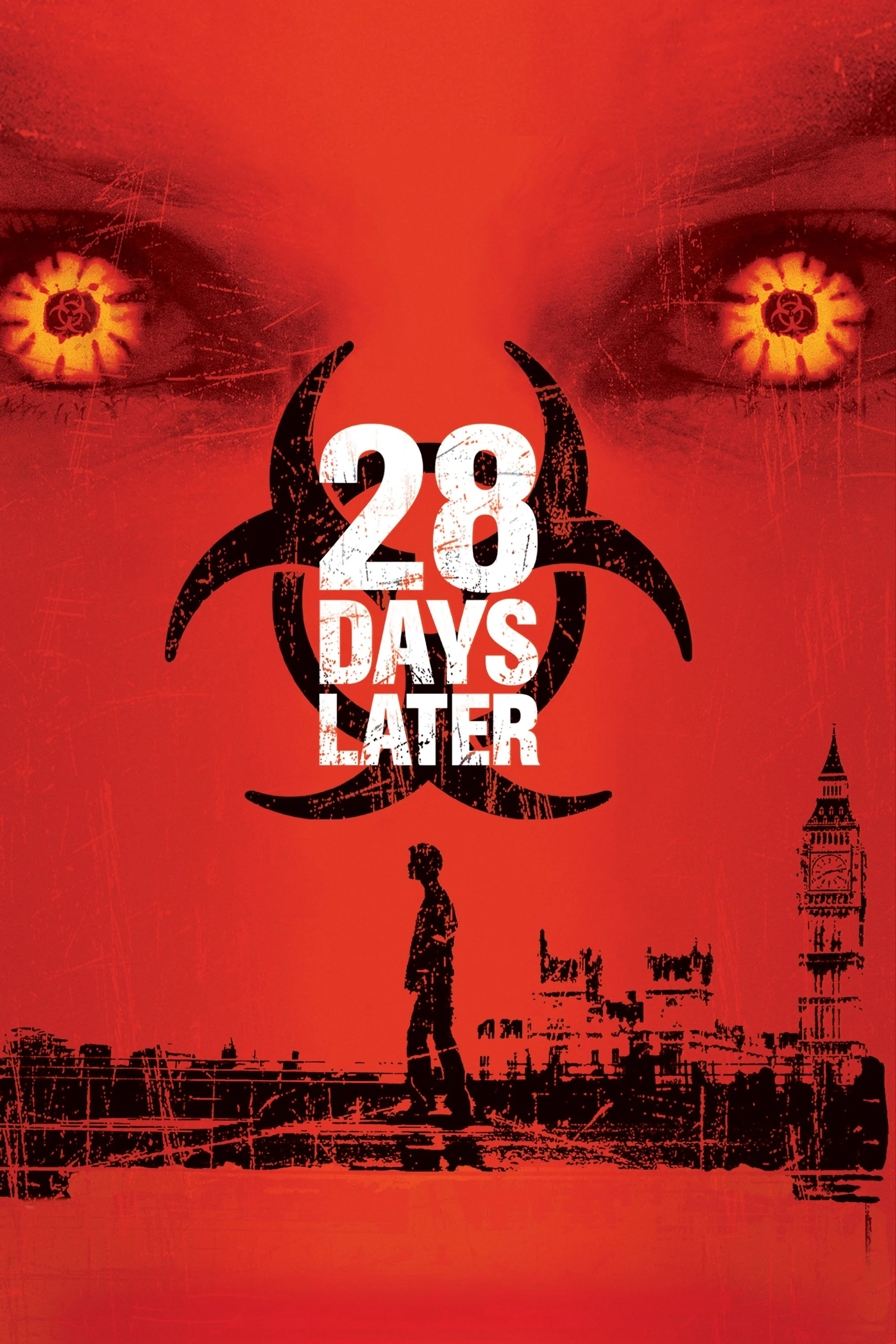
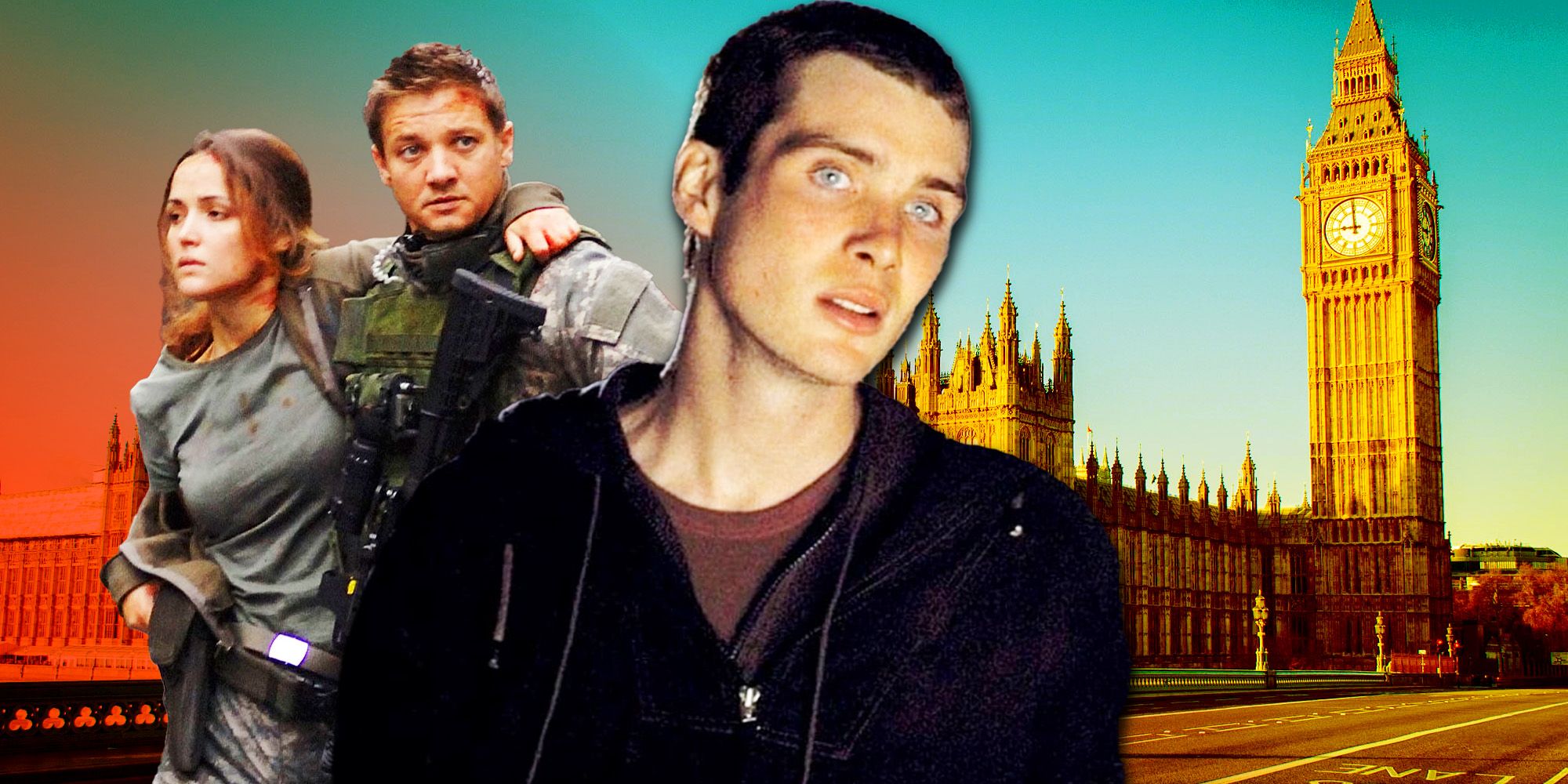
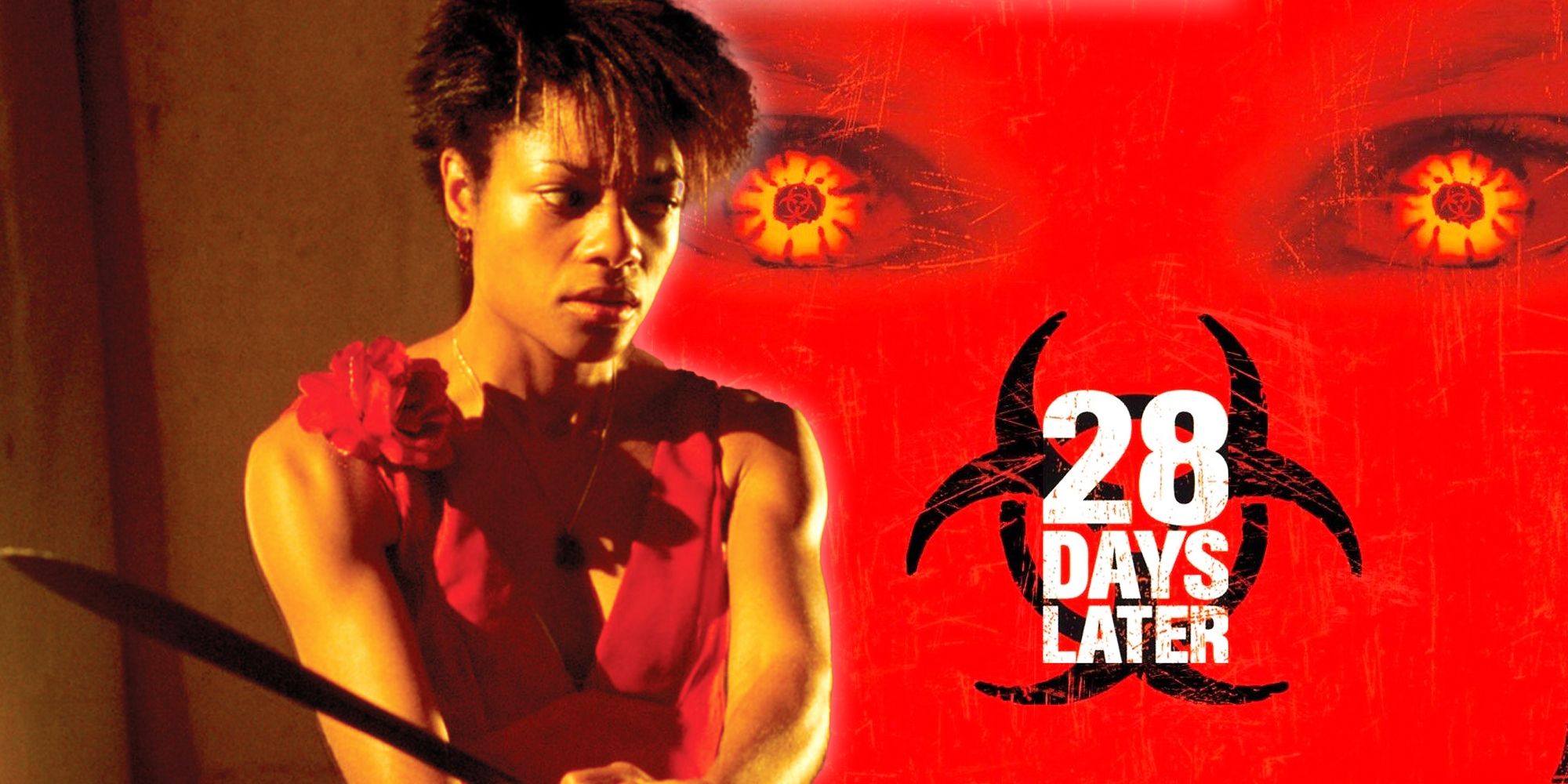
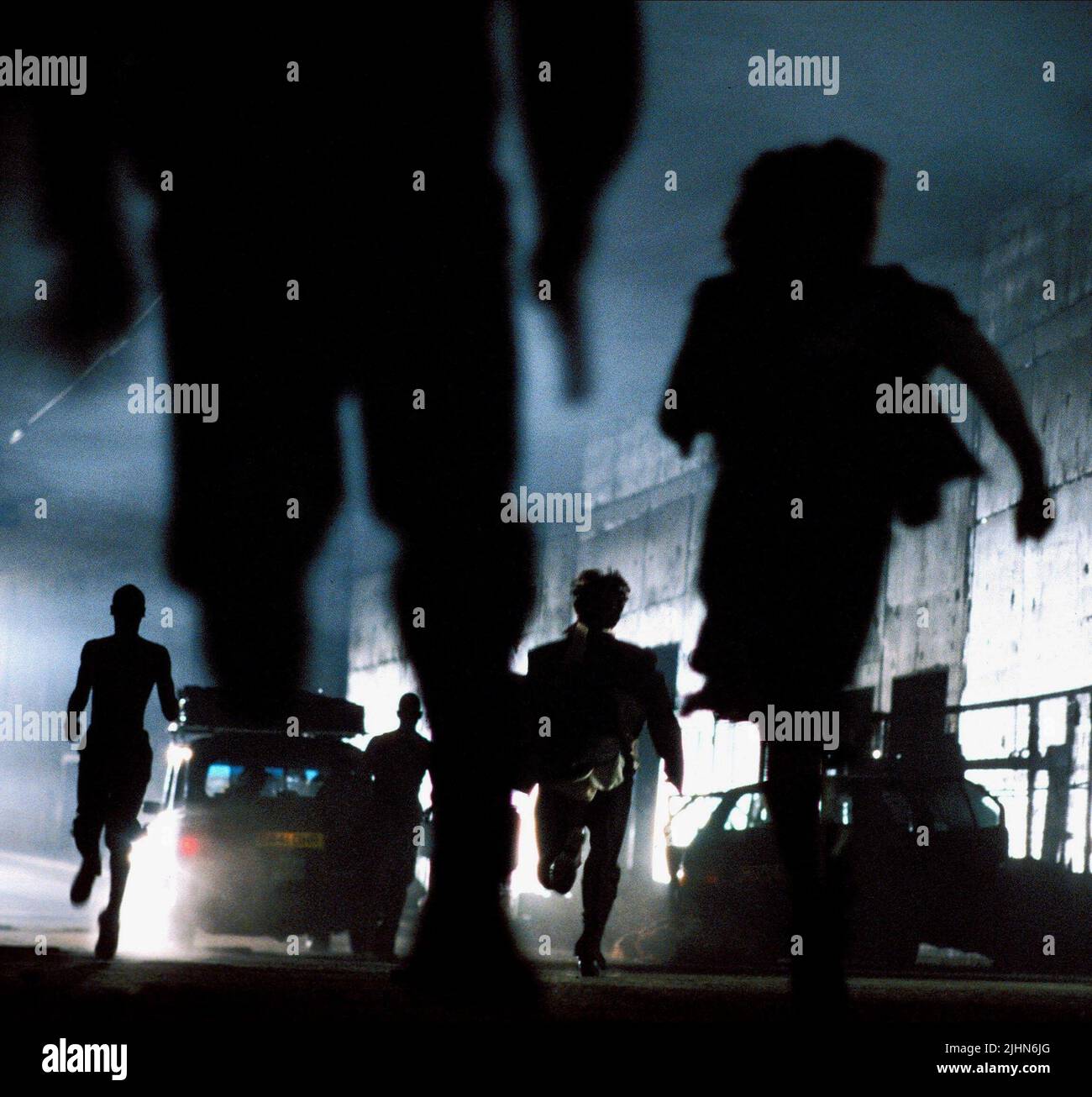
28 Days Later is a seminal 2002 post-apocalyptic horror film directed by Danny Boyle and written by Alex Garland. It follows Jim (Cillian Murphy), a bicycle courier who awakens from a coma to find London decimated by a highly contagious "Rage Virus." The film is credited with revitalizing the zombie subgenre by introducing "fast" infected and pioneering digital cinematography in mainstream cinema.
The Legacy of the Rage Virus: An Overview of 28 Days Later
Released at a time when the horror genre was largely dominated by slasher remakes and supernatural thrillers, 28 Days Later arrived as a visceral, gritty, and deeply human exploration of societal collapse. While often categorized as a "zombie movie," the film famously avoids the supernatural tropes associated with the undead. Instead, it presents a biological catastrophe: a virus that induces permanent, homicidal rage in its hosts, transmitted through blood and saliva within seconds.
The film begins with a raid on a laboratory by animal rights activists, who inadvertently release an infected chimpanzee. Twenty-eight days later, Jim wakes up in a deserted hospital. This opening sequence—featuring Jim wandering through an eerily silent, vacant London—remains one of the most iconic images in cinema history. It captured a specific post-9/11 anxiety, depicting a world that could vanish almost overnight due to forces beyond individual control.
In the decades since its release, 28 Days Later has maintained its status as a masterpiece of tension and atmosphere. By the year 2026, its influence is visible across the landscape of survival horror, from The Last of Us to the expanded 28 franchise itself. The film’s focus on the "human monster"—the idea that the survivors may be more dangerous than the infected—remains its most enduring and chilling theme.
Production and Technical Innovation: The Digital Revolution
One of the most significant aspects of 28 Days Later is its technical execution. In 2002, the decision to film a major motion picture on digital video rather than traditional 35mm film was considered a massive risk. Director Danny Boyle and cinematographer Anthony Dod Mantle chose to use the Canon XL-1, a prosumer digital camcorder, for the majority of the shoot.
The Choice of Digital Medium
The use of digital video was not merely a cost-saving measure; it was a deliberate aesthetic and practical choice. The low resolution and "noisy" texture of the digital footage lent the film a documentary-like realism that felt immediate and terrifying. Furthermore, the portability of the small cameras allowed the production team to film the "empty London" sequences with incredible efficiency.
During early morning hours, the crew would briefly shut down major thoroughfares like Westminster Bridge and Piccadilly Circus. Using multiple small digital cameras, they could capture several angles simultaneously and clear the area before the morning commute began. This would have been nearly impossible with the bulky equipment required for traditional film stock.
Visual Style and Editing
The film utilizes a "shutter effect" during the attack sequences, creating a strobing, fragmented look that emphasizes the speed and ferocity of the infected. This visual language was revolutionary at the time, moving away from the slow, lumbering movements of George A. Romero’s classic zombies. The editing, handled by Chris Gill, maintains a frantic pace during action sequences while allowing the quiet, character-driven moments to breathe, creating a balanced narrative rhythm.
Narrative Themes and Genre Subversion
While 28 Days Later adheres to some survival horror conventions, it subverts others to create a more grounded experience. The primary subversion is the nature of the "enemy." The infected are not dead; they are very much alive, suffering from a viral infection that robs them of their humanity. This makes their eventual starvation—a key plot point—scientifically plausible within the film's universe.
The Breakdown of Social Structures
The film is divided into three distinct acts:
- Isolation: Jim’s awakening and his initial encounter with the infected.
- Community: Jim joining forces with Selena (Naomie Harris), Frank (Brendan Gleeson), and Hannah (Megan Burns).
- The Military Mirage: The group seeking refuge with a military unit led by Major Henry West (Christopher Eccleston).
The transition into the third act shifts the horror from the infected to the survivors. Major West’s plan to ensure "the future" involves the forced subjugation of the female survivors, highlighting the fragility of morality when civilization disappears. This commentary on the dark side of authority and the lengths humans will go to for a sense of order is a recurring motif in Alex Garland's writing.
Hope vs. Nihilism
Despite its grim premise, the film explores the necessity of hope. The bond formed between the survivors—particularly the makeshift family unit of Jim, Selena, and Hannah—acts as the emotional core. The film famously had multiple endings filmed, including a much darker conclusion where Jim dies in the hospital. The theatrical ending, however, offers a glimmer of hope, suggesting that the infected are dying out and that rescue is possible.
Comparison: 28 Days Later vs. Traditional Zombie Cinema
The following table outlines the key differences between the "Infected" model introduced by 28 Days Later and the traditional "Undead" model popularized by earlier horror films.
| Feature | 28 Days Later (Infected) | Traditional Zombie Films (Undead) |
|---|---|---|
| Biological State | Living humans with a viral infection. | Reanimated corpses. |
| Speed/Agility | Extremely fast, sprinting, and leaping. | Slow, shuffling, and clumsy. |
| Infection Speed | Near-instantaneous (10–20 seconds). | Variable (minutes to hours). |
| Cause of "Death" | Starvation, physical trauma, or disease. | Destruction of the brain. |
| Motivation | Uncontrollable rage and aggression. | Hunger for human flesh/brains. |
| Sensory Output | Screaming, heavy breathing, snarling. | Groaning or silent. |
The 28 Days Later Franchise: From 2002 to 2026
The success of the original film spawned a franchise that has evolved significantly over the last two decades. As of 2026, the series has moved beyond its cult status into a cornerstore of modern cinematic history.
- 28 Weeks Later (2007): Directed by Juan Carlos Fresnadillo, this sequel expanded the scope to the NATO-led reconstruction of London. It introduced the concept of asymptomatic carriers and delivered one of the most harrowing opening sequences in horror history.
- Graphic Novels and Media: The lore was further expanded through the comic book series 28 Days Later, which bridged the gap between the first and second films, focusing on Selena’s journey back into the quarantine zone.
- The 2025/2026 Revival: By 2026, the franchise has seen a massive resurgence with the release of the long-awaited sequel, 28 Years Later. Directed again by Danny Boyle and written by Alex Garland, this new entry (and its planned sequels) explores a world decades after the initial outbreak, examining how humanity has adapted—or failed to adapt—to the permanent presence of the virus. This revival has brought Cillian Murphy back to the franchise, cementing the series' legacy for a new generation.
Viewing Guide: How to Watch 28 Days Later in 2026
Finding the original 28 Days Later can occasionally be challenging due to shifting licensing agreements and its unique technical history. Here is the current status of the film for viewers in 2026.
Physical Media and 4K Restoration
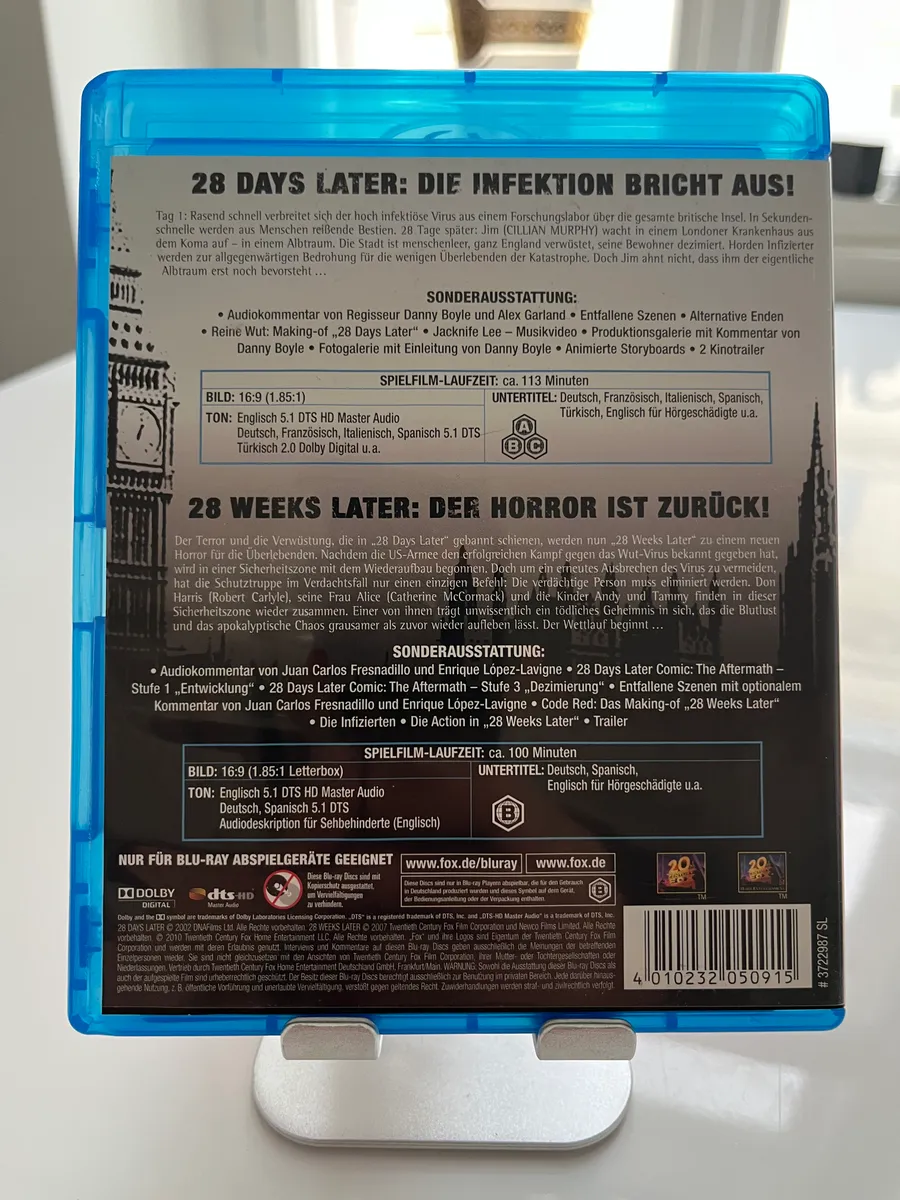
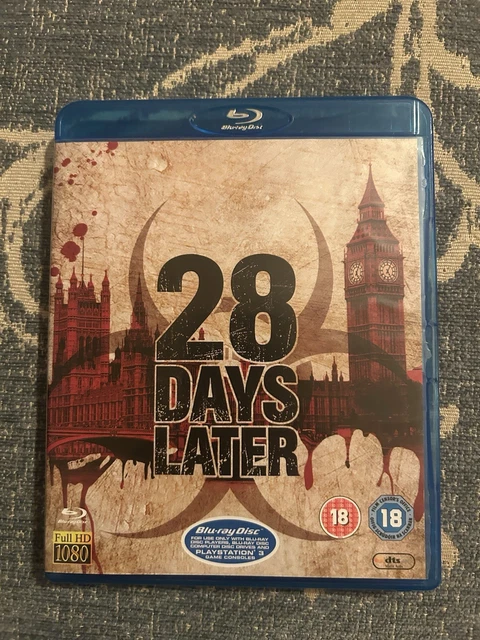
Because the film was shot on standard-definition digital video (MiniDV), it cannot be "upconverted" to true 4K in the same way 35mm film can. However, specialized AI-enhanced restorations and high-quality Blu-ray releases have significantly improved the color grading and contrast. Collectors should look for the "Anniversary Edition" or the "28 Years Later" tie-in sets, which often include the various alternate endings and a commentary track by Danny Boyle and Alex Garland that is essential for film students.
Streaming and Digital Platforms
In 2026, the film is frequently available on major platforms such as Disney+, Max, or Amazon Prime, depending on your region. It is also available for digital purchase on platforms like Apple TV and Google Play. Due to the film's status as a cult classic, it often rotates between services, so utilizing a streaming aggregator is recommended.
Technical Note on Aspect Ratio
The film was shot in a 1.33:1 aspect ratio but was matted for a 1.85:1 theatrical release. When watching on modern 16:9 televisions, you will see a slight "window" effect or slight cropping. This is normal and preserves the original intended cinematic look.
FAQ
Is 28 Days Later considered a zombie movie?
Technically, no. The "monsters" are living humans infected with a virus, not reanimated corpses. However, because it follows the narrative beats of the zombie genre—societal collapse, survival groups, and the threat of a "bite"—it is widely accepted as the film that redefined the modern zombie genre.
Why is the footage in 28 Days Later so grainy?
The grain and low resolution are a result of using the Canon XL-1 digital camera. The filmmakers chose this to create a gritty, "guerrilla" style of filmmaking that felt more like a news report or a documentary than a polished Hollywood production. This aesthetic choice contributed heavily to the film's atmosphere of realism.
What are the alternate endings of 28 Days Later?
There are three primary alternate endings. One involves Jim dying at the hospital after being shot by Major West. Another is a more radical "hospital swap" ending where Jim is saved through a blood transfusion that involves draining the blood of an infected person. The theatrical ending—where Jim, Selena, and Hannah are rescued—is the one considered canon for the sequels.
Who is the main character in the sequel 28 Weeks Later?
The sequel features an ensemble cast including Robert Carlyle, Rose Byrne, and Jeremy Renner. It does not follow Jim (Cillian Murphy), though the 2025/2026 release 28 Years Later does see the return of Murphy to the franchise.
Was 28 Days Later filmed in a real empty London?
Yes. The production team worked with the city to close off streets for very short periods (usually minutes at a time) at dawn. They used friends and family of the crew to act as police to hold back traffic, allowing them to capture the haunting images of a deserted metropolis.
Next Steps for Fans of the Franchise
If you have just finished watching 28 Days Later or are revisiting it in 2026, the best way to experience the full scope of the story is to follow the chronological development of the "Rage" universe. Begin by watching the original film with the director's commentary to appreciate the technical hurdles of the digital shoot. Afterward, seek out the 28 Days Later comic series (Issues 1–24), which provides essential backstory for Selena.
Finally, ensure you watch 28 Weeks Later before diving into the new trilogy starting with 28 Years Later. The evolution of the virus and the shifting perspective from individual survival to global geopolitical impact provides a fascinating look at how speculative fiction mirrors the real-world anxieties of the 21st century.