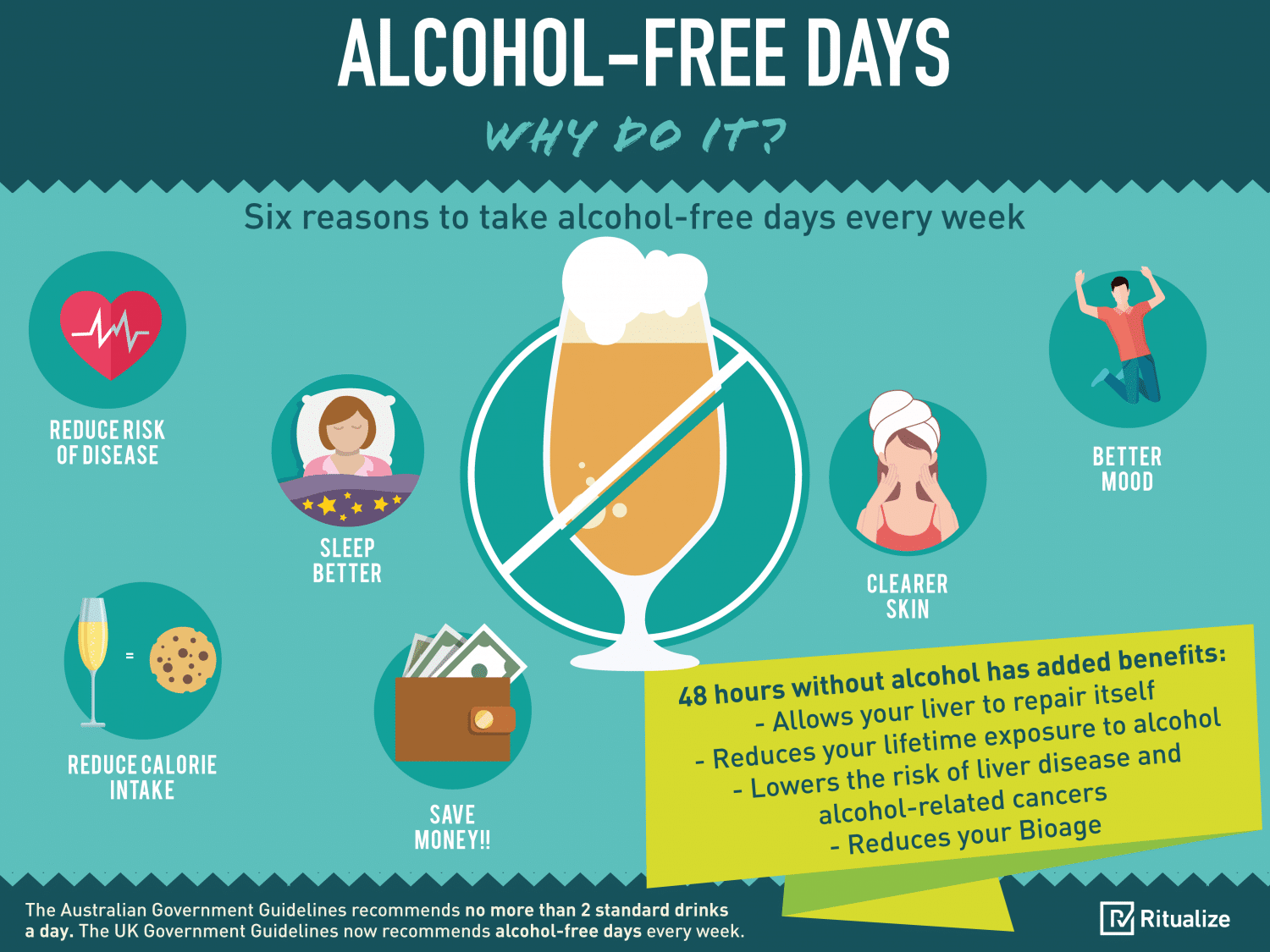
Committing to 27 days without alcohol initiates a rapid biological and financial reset. This period is sufficient to significantly lower liver enzymes, restore natural sleep architectures, and stabilize blood sugar levels. Beyond health, participants typically realize substantial financial savings by eliminating the direct costs of alcohol and secondary expenses like late-night transport and dietary splurges.
The Physiological Transformation: What Happens in 27 Days
The human body possesses a remarkable capacity for repair once the consistent influx of ethanol is halted. While 27 days—nearly a full lunar cycle—might seem like a short window, the metabolic shifts are profound. Alcohol is a systemic toxin that affects almost every organ system; removing it allows the body to shift from a state of constant detoxification to one of active repair and optimization.
Liver Recovery and Metabolic Health
The liver is the primary site of alcohol metabolism. Within just the first few days of cessation, the accumulation of fat in liver cells—a condition known as steatosis—begins to reverse. By the end of 27 days, many individuals see a measurable reduction in liver inflammation markers, such as Gamma-Glutamyl Transferase (GGT). Furthermore, the absence of alcohol improves insulin sensitivity. Alcohol consumption often causes blood sugar spikes and subsequent crashes; removing it stabilizes glucose levels, which can lead to reduced cravings for sugar and a more consistent energy profile throughout the day.
Restoration of Sleep Architecture
Alcohol is a potent REM (Rapid Eye Movement) sleep suppressant. While it may help you fall asleep faster due to its sedative effects, it wreaks havoc on sleep quality. As the body metabolizes alcohol during the night, it experiences a "rebound effect," leading to frequent awakenings and fragmented sleep. Over a 27-day period, the brain's sleep-wake cycle begins to normalize. By week three, most people report deeper, more restorative sleep, which directly translates to improved cognitive function, emotional regulation, and physical recovery.
Dermatological and Hydration Benefits
Ethanol is a diuretic, meaning it forces water out of the body, leading to chronic dehydration. This often manifests as dull, sallow skin, puffiness, and increased fine lines. Within 27 days, the skin’s moisture barrier begins to repair itself. Improved hydration and reduced systemic inflammation often result in a "sobriety glow"—clearer skin, reduced redness (especially for those prone to rosacea), and less under-eye swelling.
The Financial Impact: Calculating the "Sobriety Dividend"
The financial benefits of a 27-day alcohol-free period are often more significant than participants initially estimate. When calculating the total savings, it is essential to look beyond the price of the drinks themselves and consider the "halo effect" of alcohol spending.
Direct vs. Indirect Costs
Direct costs are easily identified: the price of a bottle of wine at the grocery store or a round of cocktails at a bar. However, indirect costs often double or triple the actual expenditure. These include:
- Premium Pricing: In 2026, the average cost of a craft cocktail in urban centers ranges from $16 to $22.
- Transportation: Ride-sharing fees to avoid driving under the influence.
- Impulse Food Purchases: High-calorie, expensive meals ordered while drinking or as "hangover food" the following day.
- Opportunity Cost: The loss of productivity or the inability to engage in paid work or side projects due to lethargy or hangovers.
27-Day Savings Projection
Consider a moderate drinker who consumes two drinks, three times a week at a venue, and shares a bottle of wine at home twice a week. In a 2026 economic context, this individual could easily spend $400 to $600 over 27 days. Redirecting these funds toward high-yield savings, debt repayment, or a specific reward can provide a powerful psychological incentive to maintain the challenge.
Mental Health and Neurochemical Rebalancing
Alcohol significantly alters brain chemistry by mimicking GABA (an inhibitory neurotransmitter) and suppressing Glutamate (an excitatory one). Over time, the brain compensates by reducing its natural production of GABA and increasing Glutamate receptors, leading to the "hangxiety" often felt the day after drinking.
Breaking the Anxiety Cycle
The first 72 to 96 hours of a 27-day reset are often the most challenging as the brain struggles to find equilibrium. However, by day 14, neurochemical stabilization usually begins. Participants often report a significant reduction in baseline anxiety and a lifting of "brain fog." This clarity is the result of the prefrontal cortex regaining full functionality, allowing for better decision-making and impulse control.
Dopamine Sensitivity
Alcohol provides an artificial dopamine spike. Frequent drinking desensitizes the brain's reward system, making everyday pleasures feel muted. A 27-day break allows dopamine receptors to upregulate. By the end of the period, individuals often find they derive more genuine pleasure from simple activities like exercise, hobbies, or social interaction, without the need for chemical enhancement.
Navigating the 27-Day Timeline: A Week-by-Week Guide
Understanding what to expect can improve adherence to the challenge. The journey is rarely linear, but it follows a predictable physiological pattern.
- Week 1 (The Adjustment Phase): Focus is on managing cravings and physical withdrawal. Symptoms like irritability, headaches, and disrupted sleep are common as the body purges toxins.
- Week 2 (The Clarity Phase): Sleep begins to improve significantly. The initial "novelty" of the challenge may wear off, requiring more conscious effort to avoid social triggers.
- Week 3 (The Physical Peak): Weight loss often becomes noticeable due to the reduction in "empty" calories and decreased bloating. Energy levels stabilize.
- Week 4 (The Reflection Phase): The finish line is in sight. This is the time to evaluate the changes in mood, budget, and health markers. Many choose to extend the challenge beyond 27 days after experiencing these benefits.
Comparison of Health and Financial Metrics
The following table illustrates the typical shift in various markers from Day 1 to Day 27 for a moderate social drinker.
| Metric | Day 1 (Baseline) | Day 27 (Post-Challenge) | Primary Driver |
|---|---|---|---|
| Resting Heart Rate | Often elevated (75-85 bpm) | Lowered (60-70 bpm) | Reduced cardiovascular stress |
| Sleep Quality | Low REM; 2-3 awakenings | High REM; 0-1 awakenings | Normalization of circadian rhythm |
| Daily Energy | Fluctuating; midday slumps | Stable and consistent | Blood sugar stabilization |
| Skin Hydration | Dry, prone to redness | Supple, even tone | Improved moisture retention |
| Liver Enzymes | Potentially borderline high | Significant normalization | Reduction in metabolic load |
| Discretionary Cash | Depleted by social spending | Surplus (Avg. $300-$700) | Elimination of beverage/transport costs |
Strategies for Social and Behavioral Success
Successfully completing 27 days without alcohol requires more than just willpower; it requires a structural change in how one approaches social environments and stress.
Managing Social Pressure
Social circles often revolve around alcohol. To navigate this, have a "go-to" non-alcoholic drink order ready, such as sparkling water with lime or a sophisticated mocktail. In 2026, the beverage industry has expanded significantly into high-quality non-alcoholic spirits and functional "adaptogen" drinks that provide a complex flavor profile without the ethanol.
Identifying Triggers
Many people drink as a response to specific triggers: the end of a workday, a stressful meeting, or boredom. Identify these cues and replace the alcoholic response with a new habit. This could be a 15-minute walk, a ritual of brewing high-quality tea, or a brief meditation session. The goal is to break the neurological link between stress and alcohol consumption.
Professional Guidance and Safety
Note: If you are a heavy, daily drinker, sudden cessation can be dangerous and lead to severe withdrawal symptoms like tremors or seizures. In such cases, it is imperative to consult a medical professional before beginning a 27-day reset to ensure a supervised and safe detoxification process.
How much weight can I expect to lose in 27 days?
Weight loss varies based on your starting point and diet, but many people lose between 3 and 8 pounds. This occurs through the elimination of calorie-dense alcohol (roughly 120–250 calories per drink) and the reduction of systemic inflammation and water retention.
Does one "cheat" drink ruin the whole 27-day process?
While a single drink won't reset all your physiological progress, it does disrupt the neurochemical rebalancing and the habit-breaking cycle. For the best results in cognitive clarity and liver enzyme reduction, total abstinence for the full 27 days is recommended.
Will my sleep improve immediately?
Usually, no. The first 3 to 7 days may actually involve worse sleep as your brain adjusts to the absence of a sedative. However, after the first week, most people experience a significant increase in deep sleep and REM cycles, leading to much higher energy levels during the day.
Is 27 days enough to see a change in my liver?
Yes. Studies have shown that even short periods of abstinence (3–4 weeks) can significantly reduce liver fat and lower markers of inflammation in social drinkers. While it won't reverse advanced cirrhosis, it is a vital step in preventing the progression of fatty liver disease.
How do I handle "hangxiety" or social anxiety without alcohol?
Focus on the fact that alcohol-induced anxiety is a chemical byproduct of the drink leaving your system. By day 27, your natural ability to handle social situations will likely improve as your brain's GABA receptors become more sensitive and your confidence grows from successfully navigating challenges sober.
Establishing a Long-Term Wellness Foundation
Completing 27 days without alcohol is an informative experiment that provides a clear "before and after" picture of your health and finances. The goal of this period is not necessarily permanent sobriety—though many choose that path—but rather the acquisition of data. Use the final days of the challenge to document how you feel, how much you saved, and how your relationships changed.
Moving forward, you can use this experience to redefine your relationship with alcohol. Whether you choose to remain alcohol-free, limit drinking to specific occasions, or implement "dry" weeks every month, the 27-day reset serves as a powerful reminder that you do not need alcohol to thrive socially, emotionally, or financially. The surplus of time, health, and money gained during this period can be the catalyst for broader lifestyle improvements in 2026 and beyond.