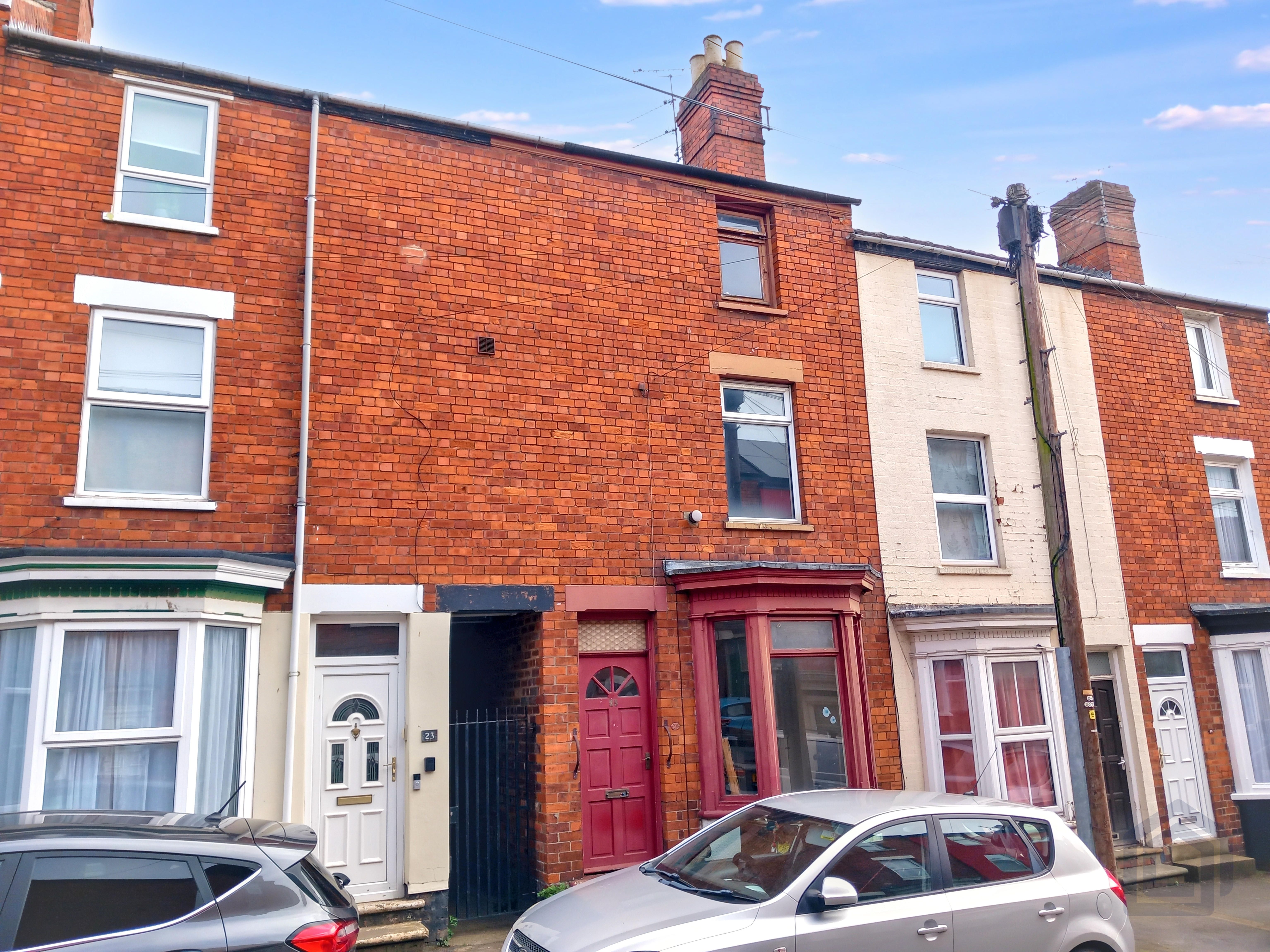
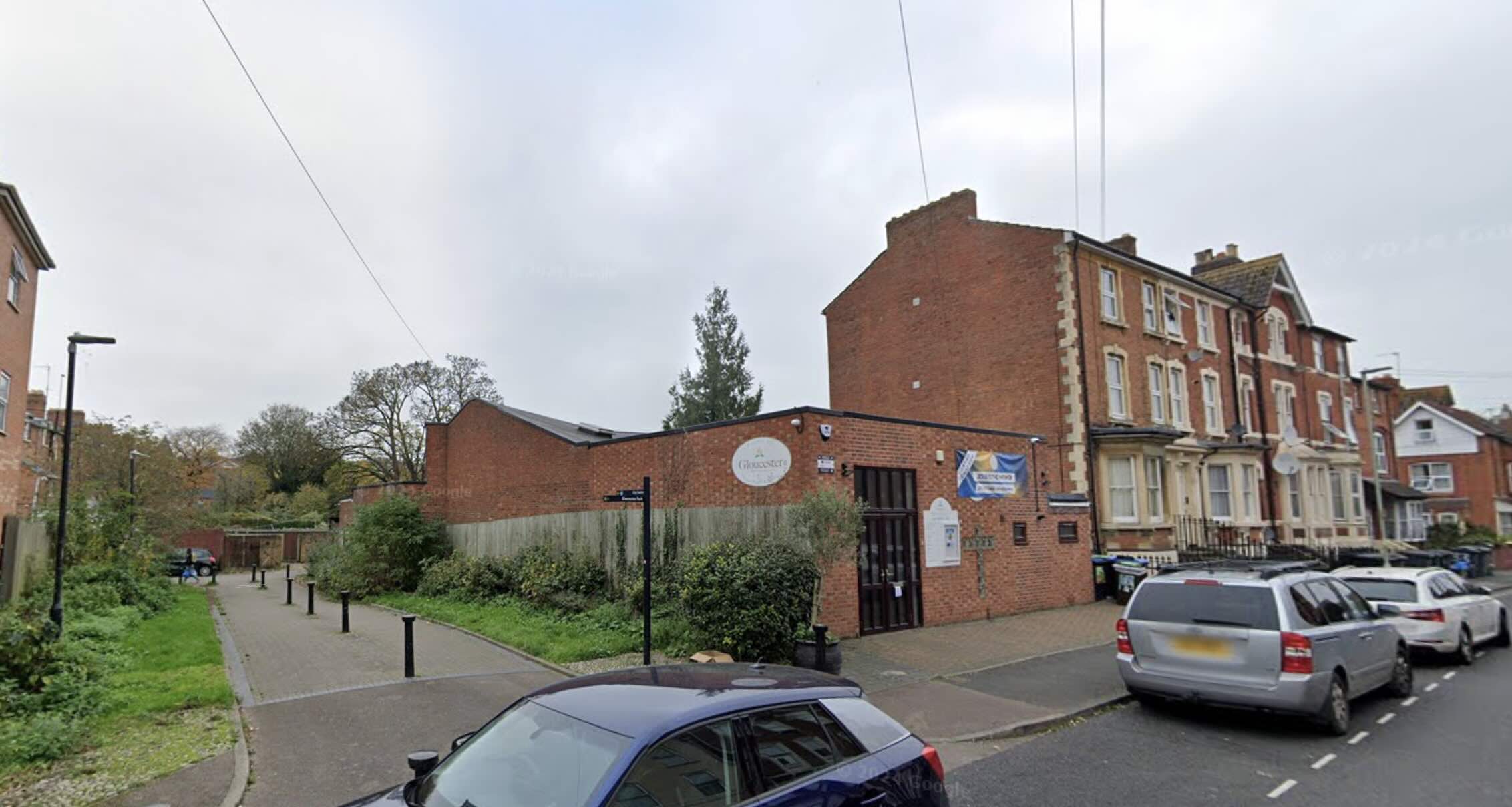
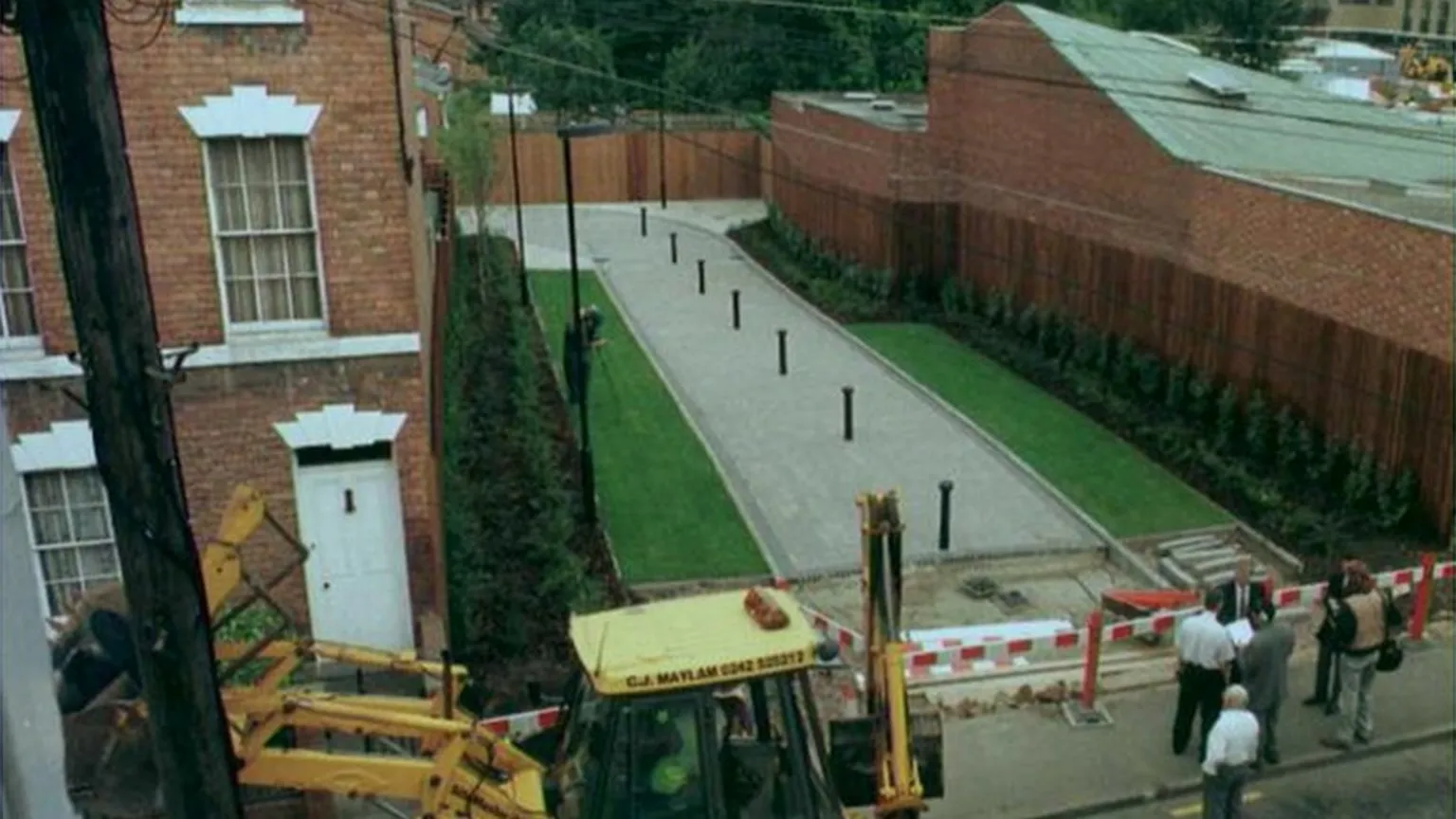
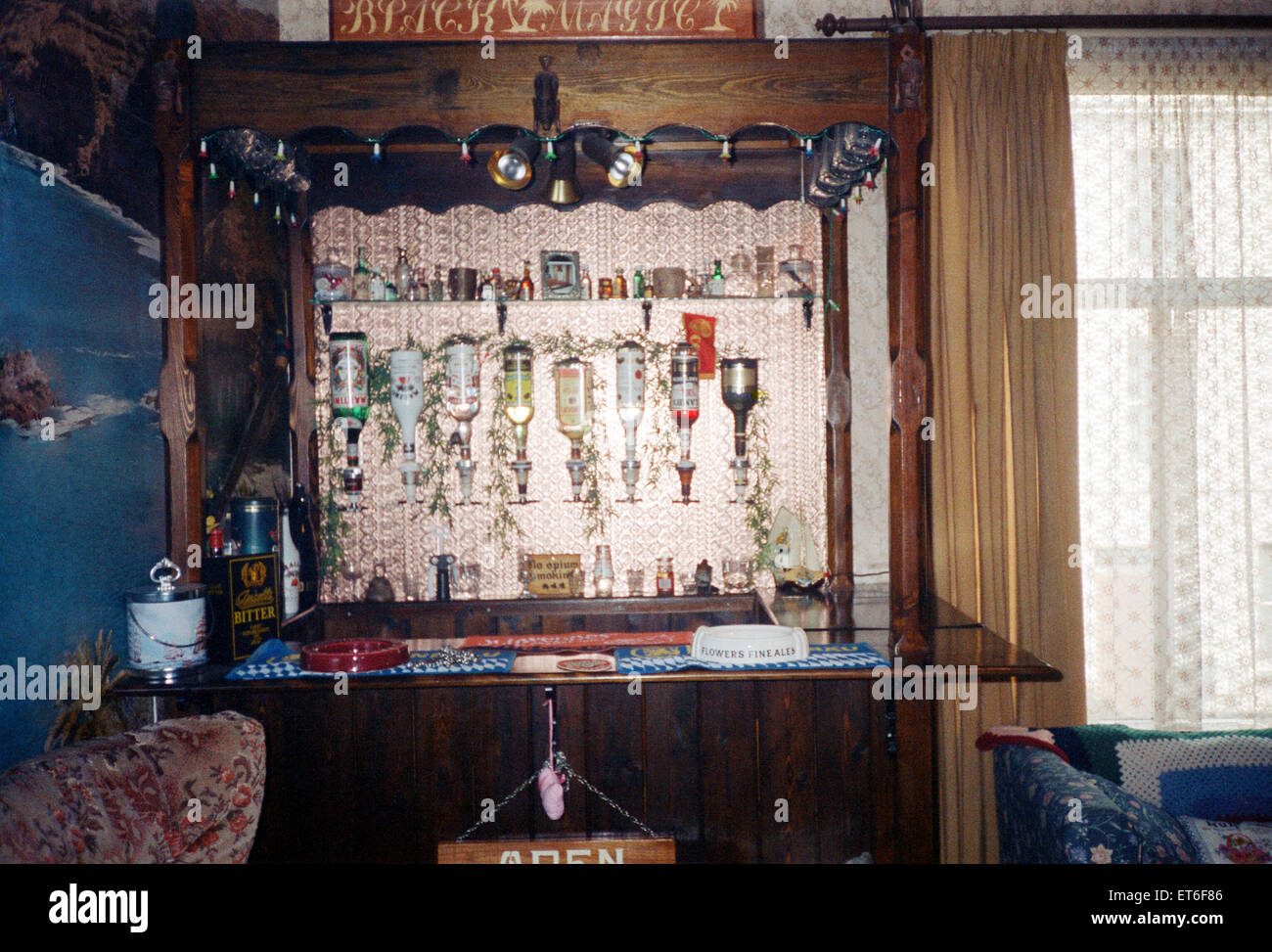
25 Cromwell Street was a Victorian semi-detached house in Gloucester, England, that became the site of one of the UK’s most notorious serial murder cases. Owned by Fred and Rosemary West, the property was the location of multiple killings and clandestine burials between 1971 and 1987. Following the 1994 investigation, the house was fully demolished in 1996 and replaced by a landscaped public walkway to prevent it from becoming a site of macabre tourism.
The Architectural and Social Context of Cromwell Street
To understand the significance of 25 Cromwell Street, one must first look at its physical and social standing within Gloucester. Built in the late 19th century, the house was a typical three-story Victorian residence with a basement and a relatively narrow garden. Located in a working-class neighborhood near the city center, the street consisted of similar terrace and semi-detached housing.
Fred West purchased the property in the early 1970s. Initially, the house served as a family home for the Wests and their children, but it also functioned as a lodging house. This "lodging" aspect was critical to the events that transpired there, as it provided a constant stream of young, often vulnerable women who were seeking affordable accommodation. From an architectural standpoint, the house was frequently modified by Fred West, a laborer and tradesman. These DIY renovations—including the laying of concrete in the basement and the extension of the kitchen—were later revealed to be more than just home improvements; they were efforts to conceal the remains of their victims.
By the mid-1980s, the house had gained a local reputation for being cluttered and somewhat neglected, but it largely blended into the urban fabric of Gloucester. It was not until the early 1990s that the architectural modifications began to attract the scrutiny of the Gloucestershire Constabulary.
The 1994 Investigation: Operation Waterboy
The transition of 25 Cromwell Street from a private residence to a high-profile crime scene began in February 1994. The investigation, codenamed Operation Waterboy, was initially triggered by inquiries into the disappearance of the Wests' daughter, Heather, who had not been seen since 1987. Although the Wests claimed she had moved away, police eventually obtained a search warrant to excavate the garden.
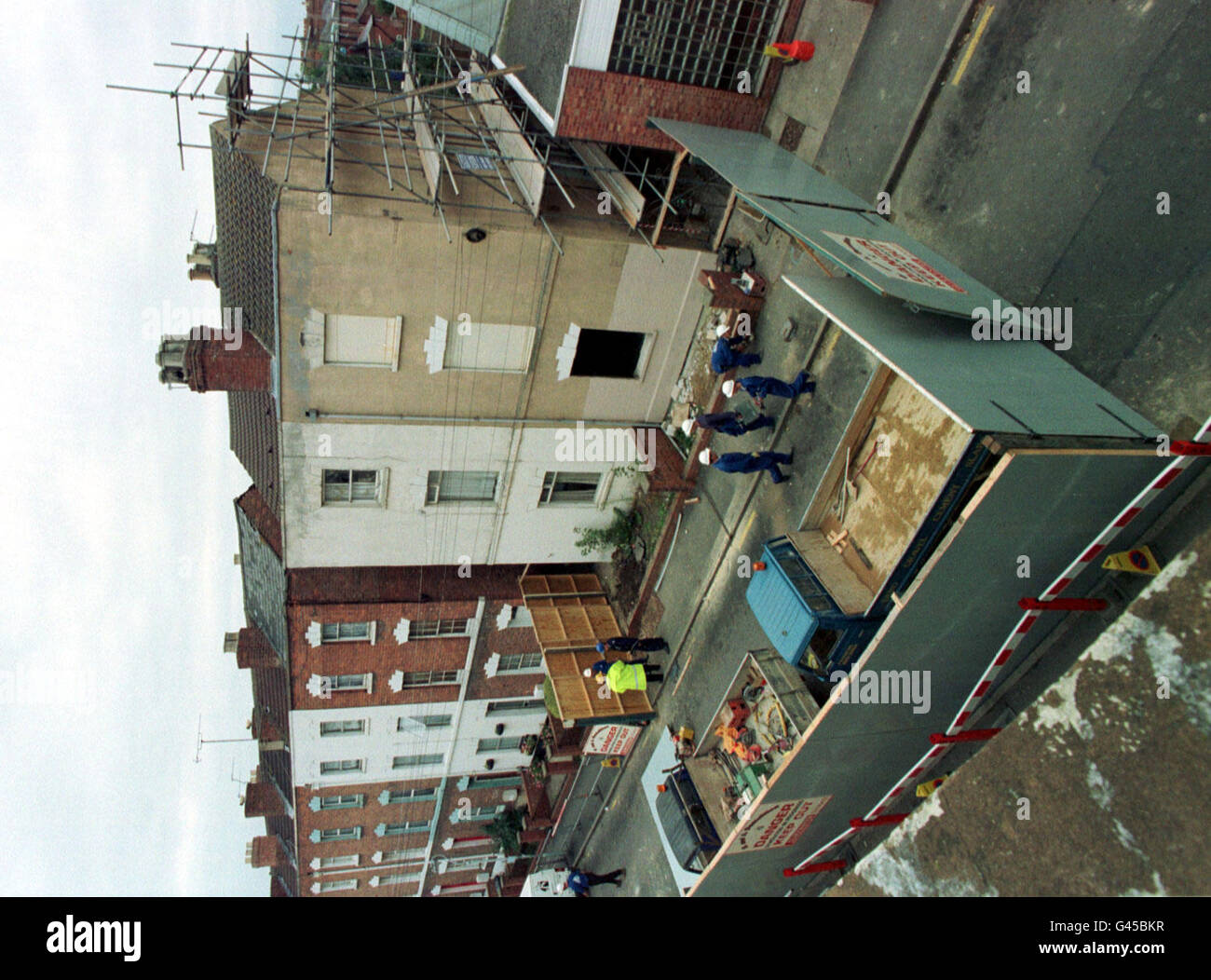
The forensic investigation of the property was one of the most complex in British criminal history. Forensic archaeologists and anthropologists were brought in to assist the police, as the search expanded from the garden to the interior of the house. The technical challenges were immense:
- Structural Integrity: Because the house was semi-detached, investigators had to be extremely careful not to compromise the stability of the neighboring property (number 23) while digging up the floors and foundations.
- Forensic Sifting: Every cubic inch of soil removed from the garden and the basement was sifted for biological evidence. This led to the discovery of human remains that had been buried for decades.
- Ground-Penetrating Radar (GPR): Police utilized GPR to identify anomalies beneath the concrete slabs Fred West had poured in the cellar and kitchen area.
The investigation ultimately uncovered the remains of nine victims at 25 Cromwell Street, with others found at different locations associated with Fred West’s earlier life. The house became a focal point of global media attention, forever branding it as the "House of Horrors."
The Decision for Total Demolition
Following the conviction of Rosemary West in 1995 (Fred West died by suicide in prison in early 1995), the future of 25 Cromwell Street became a matter of intense public and local government debate. There were significant concerns that if the house remained standing, it would attract "dark tourism" or be purchased by individuals looking to exploit its notoriety.
In 1996, Gloucester City Council took the unprecedented step of purchasing the property from the Wests' estate and the neighboring house (number 23) to facilitate a complete demolition. The objective was "urban remediation"—effectively erasing the physical footprint of the crimes to allow the community to heal.
The Controlled Deconstruction Process
The demolition was not a standard wrecking-ball operation. It was a meticulously controlled process designed to ensure that no "relics" of the house could be salvaged:
- Stripping the Interior: All internal fittings, including wallpaper, floorboards, and doors, were removed and destroyed.
- Brick-by-Brick Removal: The house was dismantled carefully. The bricks were not sold or reused; instead, they were crushed into a fine powder.
- Site Clearing: The foundations were dug up, and the soil was removed to a significant depth to ensure no further forensic material remained.
- Disposal: The crushed remains of the house were disposed of at a secret landfill site to prevent scavengers from attempting to recover fragments.
By the end of 1996, 25 Cromwell Street had been completely removed from the map.
The Transformation into a Public Walkway
As of 2026, the site where 25 Cromwell Street once stood serves as a quiet, landscaped pedestrian link between Cromwell Street and the adjacent St. Luke’s Park. The design of the path was intentional: it contains no plaques, no memorials, and no explicit mention of the Wests or their victims.
The decision to leave the site as a nondescript path was based on consultation with the victims' families and the local community. The goal was to provide a functional public space that did not serve as a shrine. For the residents of Gloucester, the path represents a successful effort to reclaim a part of the city that had been synonymous with trauma. The high walls that once enclosed the garden of number 25 were replaced with lower, more open boundaries, and the area was replanted with trees and shrubs to change the visual character of the street.
Key Timeline of 25 Cromwell Street
The following table outlines the critical milestones in the history of the property from its purchase by the Wests to its current status.
| Year | Event | Significance |
|---|---|---|
| 1972 | Purchase of 25 Cromwell Street | Fred West moves into the property, beginning his residency. |
| 1973–1987 | Period of Crimes | Multiple victims are brought to the house; burials occur in the basement and garden. |
| 1992 | Initial Police Enquiries | Gloucestershire Constabulary begins looking into the disappearance of Heather West. |
| 1994 | Operation Waterboy | Police begin excavations; the property is declared a major crime scene. |
| 1995 | Conviction and Death | Fred West dies in custody; Rose West is convicted of 10 murders. |
| 1996 | Demolition | The house is dismantled and the materials are crushed to dust. |
| 1997 | Landscaping | The site is converted into a public walkway. |
| 2026 | Current Status | The site remains a quiet pedestrian path with no markers of its past. |
Impact on the Gloucester Real Estate and Community
The events at 25 Cromwell Street had a lasting impact on the local property market and the psychological well-being of the neighborhood. For years following the investigation, property values in the immediate vicinity were suppressed. Prospective buyers were often hesitant to move into a street that had been the subject of such intense and morbid scrutiny.
However, the demolition played a vital role in stabilizing the area. By removing the physical structure, the city council removed the "spectacle." Over the subsequent decades, Cromwell Street has returned to being a normal residential street. The demographic of the area has shifted, and many current residents have no direct memory of the 1994 events.
From a legal and regulatory perspective, the 25 Cromwell Street case influenced how the UK handles "stigmatized properties." While there is no specific law requiring the demolition of crime scenes, the precedent set in Gloucester demonstrated the value of community-focused remediation in extreme cases.
Managing the Legacy: Ethics and True Crime
The legacy of 25 Cromwell Street continues to be a subject of discussion in the context of true crime media and ethics. In 2026, with the continued popularity of documentaries and podcasts, the site remains a point of interest for some. However, the lack of a physical building serves as a barrier to the "fandom" that often surrounds serial killer locations.
Ethical reporting on the site emphasizes the victims rather than the perpetrators. The removal of the house is often cited by criminologists as a "best practice" for dealing with locations where serial crimes occurred, as it prioritizes the dignity of the deceased and the peace of the survivors over historical preservation.
Who owns the land where 25 Cromwell Street was?
The land is currently owned and maintained by the local authority, Gloucester City Council. It is managed as a public right of way. No private developer has been permitted to build on the specific footprint of the former house since its demolition in 1996.
Can you visit the site today?
Yes, the site is a public walkway that anyone can walk through. It connects Cromwell Street to a nearby park area. However, visitors are reminded that this is a residential neighborhood and a place of significant historical tragedy; there are no tourist facilities or information boards at the site.
What happened to the neighboring house, 23 Cromwell Street?
Number 23 Cromwell Street was also demolished at the same time as number 25. Although it was not the primary site of the murders, the two houses were semi-detached and shared a structural wall. The council decided that removing both was necessary to create the public walkway and to ensure the site was completely transformed.
Were all the victims found at the house?
No. While nine victims were recovered from the grounds of 25 Cromwell Street, other victims were found at sites where Fred West had previously lived or worked, including fields in Much Marcle and the basement of a previous flat in Gloucester.
Is there a memorial for the victims at the site?
There is no official memorial at the site of 25 Cromwell Street itself. This was a deliberate choice made in consultation with the victims' families, who preferred that their loved ones be remembered in more private or traditional settings rather than at the site of their trauma.
Recommendations for Research and Visitation
For those researching the history of 25 Cromwell Street or visiting the area, the following guidelines are recommended:
- Respect Resident Privacy: Cromwell Street remains a quiet residential area. Researchers and visitors should avoid loitering or disturbing the people who live in the neighboring Victorian terraces.
- Consult Official Archives: For factual information regarding the investigation, consult the Gloucestershire Archives or the National Archives. These sources provide documented evidence rather than the sensationalized accounts often found in tabloid media.
- Focus on the Victims: If studying this case for educational purposes, prioritize the lives of the women who were victims. Many of them were young lodgers or runaways whose stories are often overshadowed by the perpetrators.
- Understand the Remediation: View the site not as a "missing house," but as a successful example of how a city can reclaim space from a dark past to provide a peaceful utility for the present.