A 24/7 store is a retail establishment that operates twenty-four hours a day, seven days a week, providing uninterrupted access to goods and services. These businesses cater to shift workers, emergency needs, and urban populations, leveraging high-traffic locations and automated technologies to maintain profitability despite higher overnight operational costs and staffing challenges.
The Evolution of Always-On Retail
The concept of the 24/7 store has transformed from a niche convenience to a global expectation in urban environments. Historically, retail followed the "sun-up to sun-down" model, governed by both social norms and restrictive "blue laws" that mandated closures on Sundays or late at night. The shift toward 24-hour operations began in earnest during the mid-20th century, spurred by the rise of the industrial night shift and the expansion of the interstate highway system in the United States.
By 2026, the 24/7 model has bifurcated into two distinct paths: the traditional staffed convenience store and the high-tech, automated "frictionless" outlet. The demand for 24-hour access is no longer just about emergency milk or fuel; it is driven by a "gig economy" workforce that does not adhere to standard 9-to-5 schedules. This shift has forced retailers to reconsider everything from inventory management to physical security.
Modern 24/7 stores serve as more than just retail points; they often function as community hubs, delivery lockers, and essential service providers for the nocturnal workforce. In many metropolitan areas, these stores are the only reliable source of prepared food and household essentials during the "graveyard" hours, making them indispensable components of the modern urban infrastructure.
Essential Operational Requirements for 24/7 Businesses
Running a business that never closes presents unique logistical hurdles that standard retail outlets never encounter. The most significant challenge is the lack of "downtime" for maintenance, cleaning, and restocking. In a standard store, these tasks occur while the doors are locked. In a 24/7 environment, they must be integrated into the customer experience without causing disruption.
Staffing and Human Resources
Managing a three-shift rotation requires a deep labor pool and specific management strategies. The "graveyard shift" (typically 11:00 PM to 7:00 AM) is notoriously difficult to fill. Employers in 2026 often utilize "differential pay," offering significantly higher hourly wages or better benefits to those willing to work overnight. Furthermore, staff training must include specialized protocols for solo shifts, including conflict de-escalation and emergency response, as night-shift workers are statistically at higher risk for security incidents.
Security and Loss Prevention
Security is the primary concern for any 24/7 operator. Because foot traffic is lower at night, stores become targets for theft and vandalism. Current industry standards involve a "layered security" approach:
- High-Visibility Design: Large windows and bright LED lighting to eliminate "dark corners."
- Remote Monitoring: AI-integrated CCTV systems that can detect suspicious behavior and alert private security or law enforcement automatically.
- Physical Barriers: Use of time-lock safes, bullet-resistant glass for cashiers, and limited-access entry systems during late hours (where customers must be buzzed in).
Maintenance and Logistics
Equipment failure in a 24/7 store is a critical emergency. If a refrigeration unit fails at 3:00 AM, there is no "morning" to wait for. Consequently, these stores often have priority service contracts with HVAC and refrigeration technicians. Inventory logistics are also complex; deliveries must be timed to avoid peak congestion, often occurring in the early morning hours, which requires staff to be adept at "blind receiving" while simultaneously managing the sales floor.
Economic Impact and Revenue Models
The decision to stay open 24/7 is rarely about high sales volume during the night. Instead, it is a strategic calculation based on "brand availability" and the capture of high-margin impulse buys. While the 2:00 AM to 5:00 AM window may account for less than 5% of total daily foot traffic, the average transaction value can be higher, and the lack of competition during those hours allows for "convenience pricing."
| Feature | Traditional Convenience Store | 24/7 Staffed Store | 24/7 Automated/Frictionless |
|---|---|---|---|
| Operating Hours | 6:00 AM – 11:00 PM | 24 Hours / 7 Days | 24 Hours / 7 Days |
| Labor Costs | Moderate | High (Shift Differentials) | Low (Technical Maintenance Only) |
| Primary Revenue | Routine grocery/fuel | Emergency/Late-night impulse | Tech-savvy urban commuters |
| Security Risk | Standard | Elevated | Low (Biometric/App Access) |
| Typical Location | Residential/Suburban | Highway/High-traffic Urban | Corporate/Transit Hubs |
The "convenience premium" is a fundamental aspect of the 24/7 revenue model. Consumers are generally willing to pay 10% to 25% more for items purchased in the middle of the night compared to a supermarket price. This margin helps offset the increased utility costs (lighting and climate control) and the higher wages required for night staff. In 2026, many 24/7 stores also generate revenue through secondary services, such as electric vehicle (EV) fast-charging stations and e-commerce return kiosks, which benefit from the "always-open" nature of the site.
Technological Integration and Automation in 2026
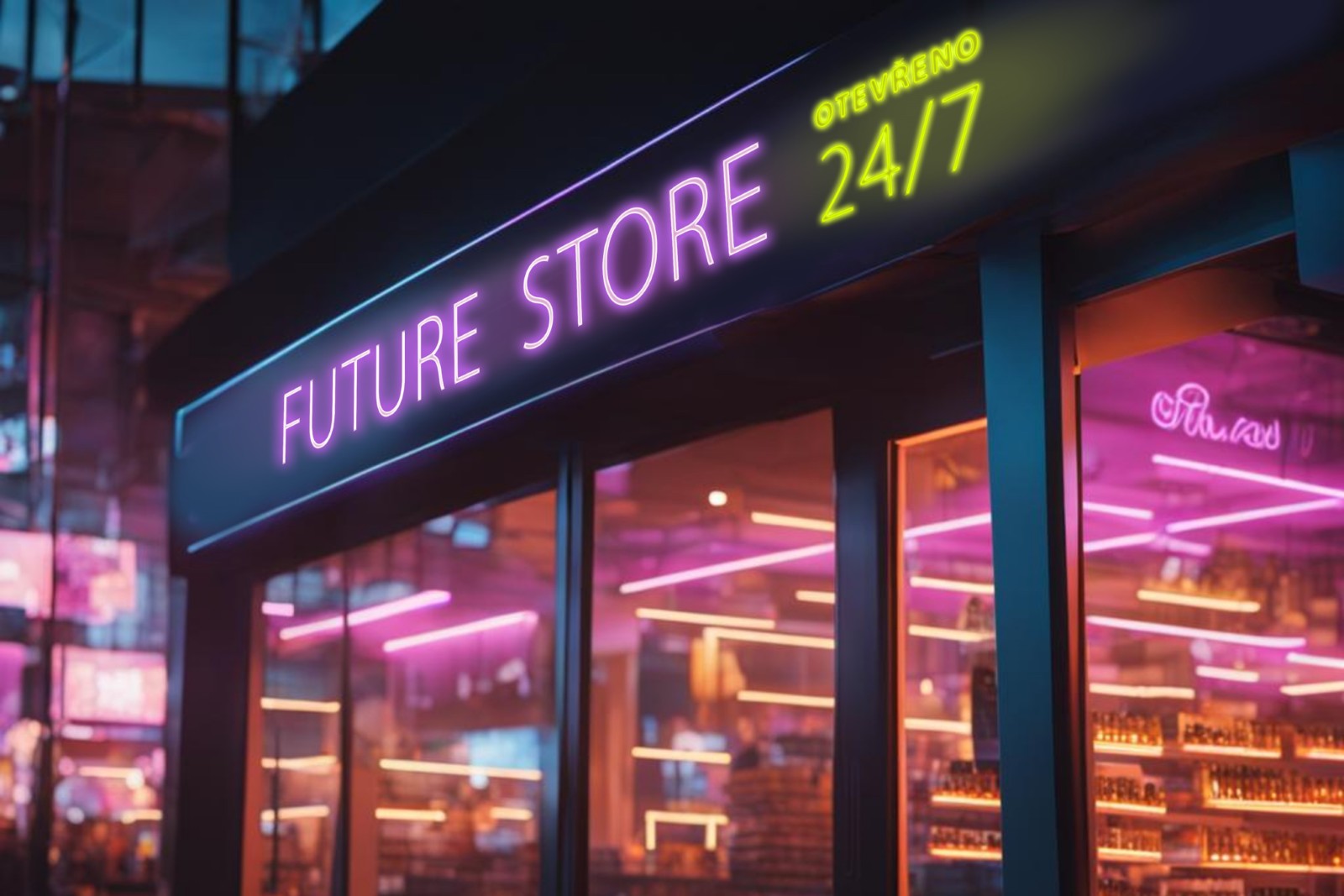
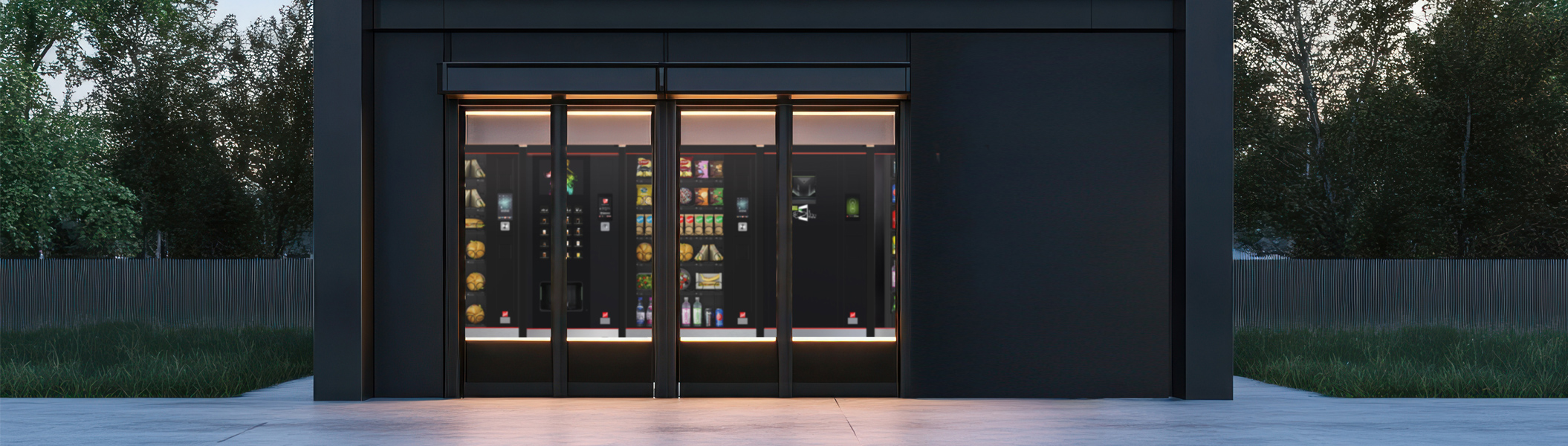
The landscape of 24/7 retail has been permanently altered by the maturity of autonomous commerce. Many retailers have transitioned to a "hybrid model" where the store is fully staffed during the day but operates as an unmanned, app-access facility between midnight and 6:00 AM. This solves the labor shortage issue while maintaining service availability.
Frictionless technology uses a combination of computer vision, weight sensors, and RFID tags to track what a customer takes from the shelf. Upon exiting, the customer is automatically charged via their digital wallet. This eliminates the need for a cashier and significantly reduces the risk of armed robbery, as there is no cash on-site and every entrant's identity is verified through their mobile device or biometric data before the door unlocks.
AI-driven inventory management has also become a standard requirement. These systems predict "nocturnal demand"—identifying, for example, that certain locations see a spike in over-the-counter medicine or ready-to-eat meals at 3:00 AM. By automating orders, the store ensures that shelves are never empty, even when the manager is off-duty.
Legal and Regulatory Considerations
Operating a 24/7 store subjects a business owner to a complex web of regulations that vary significantly by jurisdiction. Compliance is not merely a matter of keeping the lights on; it involves adhering to strict labor and safety laws.
- Zoning and Noise Ordinances: Many residential areas prohibit 24-hour operations due to the noise associated with late-night deliveries and parking lot traffic. Operators must often secure special use permits and invest in "quiet-delivery" technologies.
- Labor Laws: Regulations regarding "right to rest" and maximum consecutive hours worked are strictly enforced in 2026. Employers must ensure that their shift rotations do not violate health and safety standards meant to prevent worker fatigue.
- Restricted Sales: In many regions, the "24/7" label does not apply to all products. Alcohol and tobacco sales are often restricted to specific hours (e.g., prohibited between 2:00 AM and 6:00 AM), requiring the store to have automated locking mechanisms on certain coolers or shelves.
- Public Safety Requirements: Some cities mandate that 24/7 stores must have at least two employees on-site during night hours for safety, or alternatively, a certified high-definition surveillance link to a live monitoring center.
Global Variations of the 24/7 Model
The 24/7 store experience varies wildly depending on the cultural and economic context of the region.
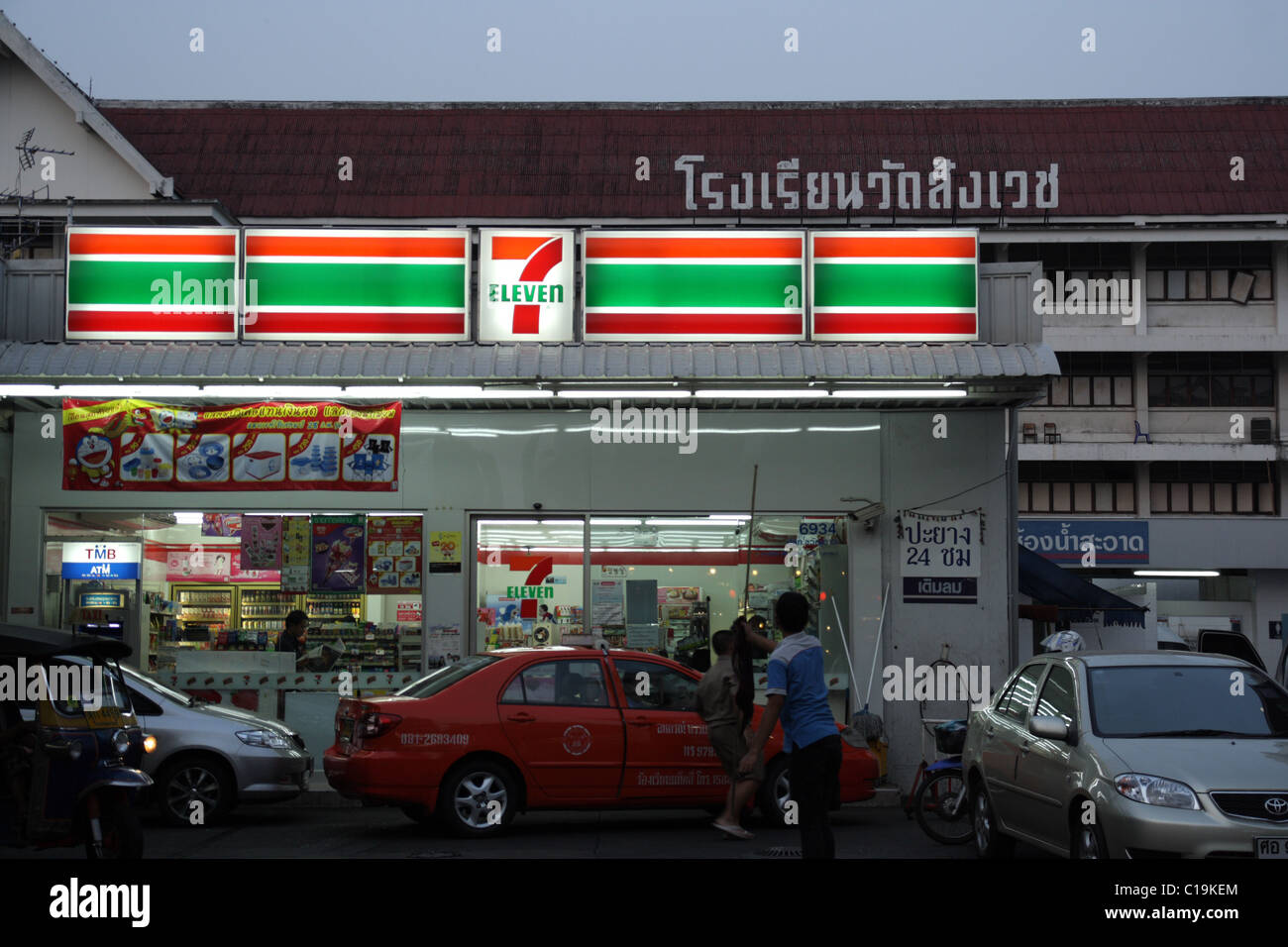
In East Asia, particularly Japan and South Korea, the Konbini (convenience store) is a marvel of efficiency. Stores like 7-Eleven, Lawson, and FamilyMart offer high-quality fresh meals, banking services, and even government document printing 24 hours a day. These stores are integrated into the daily life of nearly every citizen, with supply chains so advanced they can restock fresh items three to four times a day.
In North America, the 24/7 model is heavily tied to the petroleum industry. Gas stations have evolved into "travel centers" (e.g., Buc-ee's or Wawa) that offer extensive food service. However, in 2026, the rise of EVs is shifting this focus toward urban "micro-markets" that cater to pedestrians rather than just drivers.
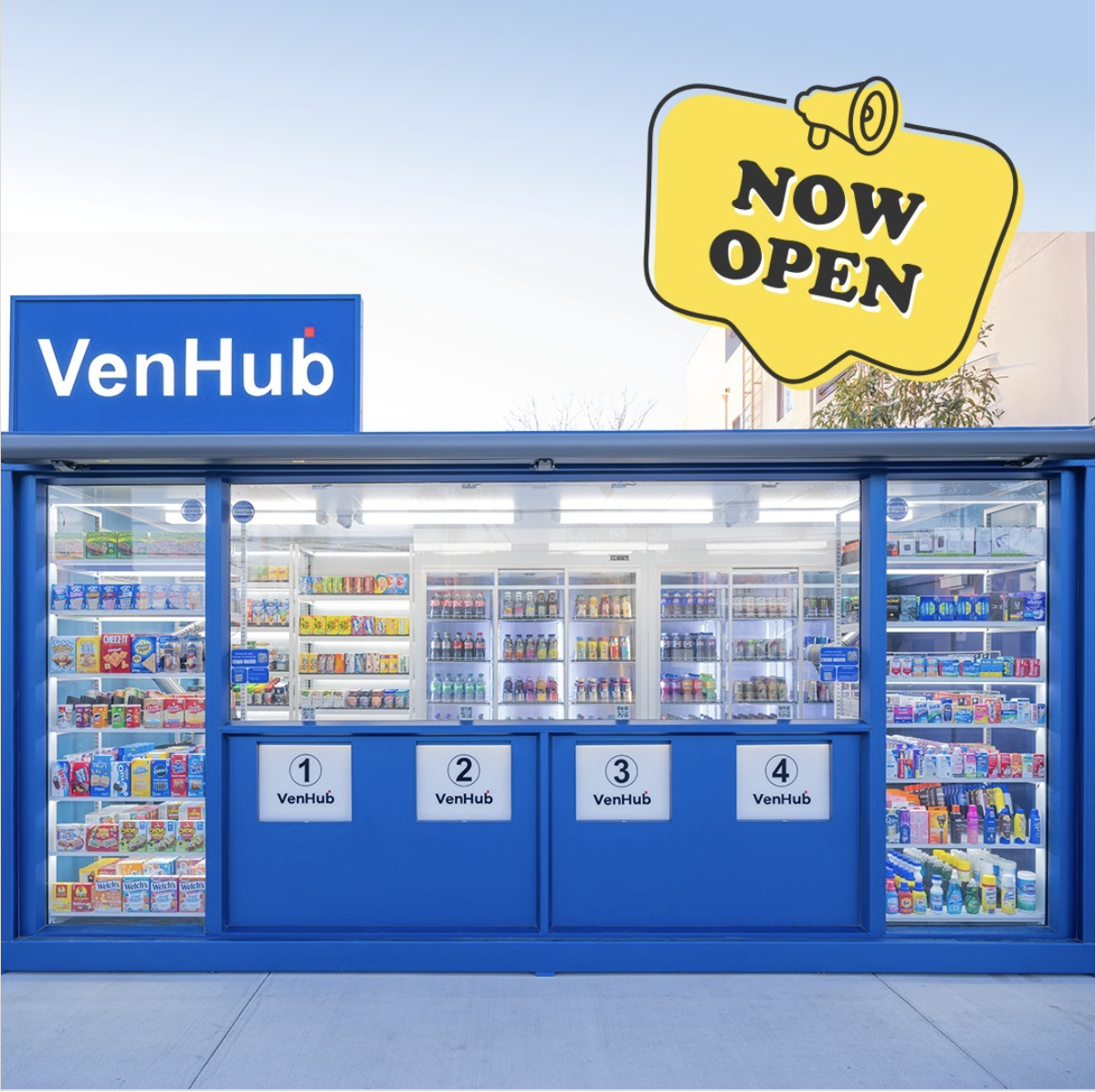
In Europe, 24/7 stores are less common due to historically strong labor unions and strict "closing time" laws. However, major transit hubs in London, Paris, and Berlin have seen an explosion in automated 24/7 kiosks and "vending-machine shops" that provide essentials without violating labor restrictions regarding night-shift work.
Common Mistakes in 24/7 Store Management
Many entrepreneurs fail in the 24/7 space because they underestimate the "hidden" costs of the model. A common error is failing to adjust the product mix for the night-shift demographic. A store that stocks the same items at 2:00 PM and 2:00 AM is missing an opportunity; late-night shoppers are typically looking for immediate-consumption items (food, drink, medicine) rather than bulk household goods.
Another frequent mistake is neglecting "preventative security." Waiting for an incident to occur before upgrading lighting or camera systems can be a terminal mistake for a business. In 2026, the reputational damage of a store being perceived as "unsafe" spreads instantly through social media and mapping apps, leading to a permanent loss of nighttime traffic.
Lastly, businesses often fail by not having a robust "exception handling" protocol. When a system fails at night and no manager is present, the employee on duty must have clear, written instructions on how to handle everything from a power outage to a customer medical emergency. Without these protocols, minor issues frequently escalate into major liabilities.
Strategic Recommendations for Operators
For those looking to enter or optimize a 24/7 retail operation in 2026, the following actions are recommended:
- Invest in Frictionless Access: If labor costs are prohibitive, transition the overnight window to an autonomous model. This reduces "shrink" (theft) and eliminates the difficulty of staffing the graveyard shift.
- Optimize for the EV Transition: If the store has a parking lot, install fast chargers. EV owners are a "captive audience" for 20-30 minutes, significantly increasing the likelihood of in-store purchases.
- Prioritize Freshness: The "stale" reputation of late-night food is a relic of the past. High-quality, fresh "grab-and-go" options are the primary driver of loyalty for the modern night-shift worker.
- Implement Smart Lighting: Use motion-sensor LED lighting that brightens when a customer approaches. This saves energy while simultaneously acting as a deterrent to loitering.
Frequently Asked Questions
Are all 24/7 stores more expensive than regular stores?
Generally, yes. 24/7 stores usually apply a "convenience markup" to their products. This higher pricing covers the increased overhead of 24-hour utilities, higher night-shift wages, and advanced security systems. However, for many consumers, the value of immediate access outweighs the marginal price increase.
How do 24/7 stores handle cleaning and maintenance?
Maintenance is performed during "low-taper" hours, usually between 3:00 AM and 5:00 AM. Staff perform "zone cleaning," closing off small sections of the store at a time rather than the whole floor. Major repairs or floor waxing are typically scheduled for these windows to minimize customer impact.
What is the most common item sold in 24/7 stores at night?
Statistically, ready-to-consume beverages (water, energy drinks, coffee) and "immediate-need" snack foods are the top sellers. In urban areas, over-the-counter health products (pain relief, allergy meds) also see a significant spike in the late-night hours.
Is it legal for a 24/7 store to lock its doors?
In many jurisdictions, 24/7 stores are legally allowed—and sometimes required—to lock their doors during certain hours for safety. Customers are typically granted entry through a buzzer system or after being screened by a security camera. This is not a closure of the business, but a modified service protocol.
How has AI changed 24/7 stores in 2026?
AI is now used for "predictive security," identifying patterns of behavior that precede theft. It also manages dynamic pricing and automated restocking. Most importantly, AI powers the "cashierless" technology that allows stores to stay open safely without human staff present during high-risk hours.