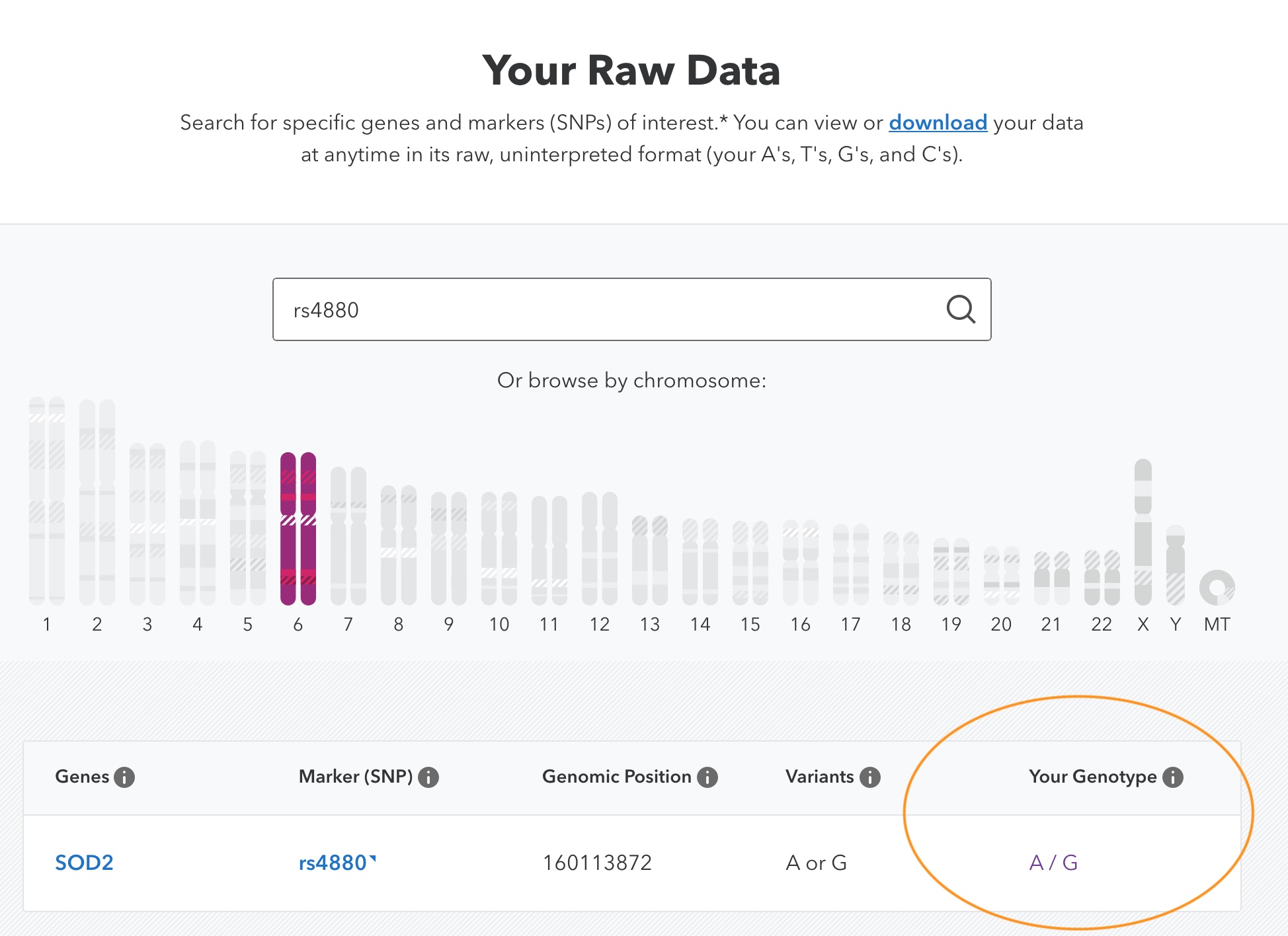
Genetic testing through services like 23andMe offers a window into your ancestry and health predispositions, but it is not a diagnostic tool for Parkinson’s disease. While these reports can identify specific genetic variants associated with an increased risk of developing the condition, they cannot determine if you currently have it, nor can they definitively predict whether you will develop it in the future.
Understanding Genetic Risk Reports
The 23andMe Health + Ancestry service includes a "Genetic Health Risk" report specifically for Parkinson’s disease. This report focuses on the LRRK2 gene, particularly the G2019S variant, and sometimes the GBA gene. It is vital to understand that this report is limited in scope. It looks for specific, known genetic markers rather than performing a full diagnostic screen of your entire genome or accounting for the complex interplay between all genes.
Genetic markers function as risk indicators, not fate. For most people with Parkinson’s, the cause is multifactorial, involving a combination of genetic, environmental, and lifestyle factors. If you carry a variant associated with Parkinson’s, it means you have an increased statistical probability of developing the disease compared to the general population. It does not mean you have a medical diagnosis of Parkinson’s, nor does it guarantee you will ever experience symptoms. Conversely, a negative result—not finding these specific variants—does not mean you have no risk, as there are many other, yet-to-be-identified genetic factors that contribute to the condition.
The Distinction Between Risk and Diagnosis
Parkinson’s disease is a clinical diagnosis, not a genetic one. Neurologists diagnose the condition based on a combination of physical examination, patient history, and the presence of core motor symptoms such as bradykinesia (slowness of movement), resting tremor, and rigidity. A consumer genetic test cannot replace this clinical evaluation.
Genetic testing reveals your genotype—the sequence of your DNA at specific locations. A clinical diagnosis evaluates your phenotype—the observable expression of your health. Because many people carry genetic variants without ever developing the disease, and many people who develop the disease have no known genetic variants, the two paths are distinct. Relying solely on a genetic report to assess your current neurological health can lead to significant misunderstanding of your risk profile.
Common Genetic Variants in Parkinson’s Research
Research has identified several genes that play a role in the development of Parkinson’s, though their influence varies significantly between individuals and ethnic backgrounds.
- LRRK2 (Leucine-Rich Repeat Kinase 2): Mutations in this gene are among the most common genetic causes of familial and sporadic Parkinson’s. The G2019S mutation is the most widely studied.
- GBA (Glucocerebrosidase): Variants in this gene are associated with a higher risk of developing Parkinson’s. Interestingly, mutations in GBA are also associated with Gaucher disease, a lysosomal storage disorder.
- SNCA (Alpha-Synuclein): While rare, mutations in this gene were among the first identified as causing early-onset, inherited forms of Parkinson’s.
It is important to recognize that these genes represent only a fraction of the genetic landscape. As of 2026, researchers are still mapping the polygenic architecture of Parkinson’s—meaning thousands of tiny genetic variations across the genome may contribute small amounts of risk, which standard consumer tests generally do not aggregate or interpret for the consumer.
Comparing Clinical Testing vs. Consumer Reports
Understanding the difference between a research-based consumer report and a clinical diagnostic pathway is essential for managing health expectations.
| Feature | Consumer Genetic Report | Clinical Genetic Testing |
|---|---|---|
| Purpose | Informational/Research interest | Diagnostic/Clinical management |
| Scope | Limited to specific, common variants | Full gene sequencing, copy number variants |
| Consultation | Self-interpreted or generic advice | Professional genetic counseling |
| Context | Often lacks personal medical history | Integrated with full symptom assessment |
| Regulatory | FDA-authorized for risk assessment | Clinically validated for diagnostic use |
Limitations of Consumer DNA Analysis
One of the primary limitations of 23andMe and similar services is that they utilize genotyping technology, such as microarrays, rather than full-genome sequencing. A microarray works like a "snapshot," checking for known variations (SNPs) at specific points on your DNA. If a mutation or variant is rare or not included in the chip's design, the test will not detect it.
Furthermore, consumer tests do not account for epigenetic factors—how your environment and lifestyle change the way your genes are expressed. Because Parkinson’s is frequently linked to environmental exposures (such as certain pesticides or head injuries), a test that only looks at your static DNA sequence ignores the very external triggers that often turn a genetic susceptibility into a medical condition.
Practical Steps If You Are Concerned
If your genetic report indicates an increased risk, or if you have a family history of Parkinson’s, it is natural to feel concerned. However, it is imperative to move from consumer data to clinical professional guidance.
- Consult a Genetic Counselor: A board-certified genetic counselor can help you interpret your results in the context of your family history. They understand the nuances of the data and can explain the difference between clinical significance and research-level associations.
- Speak with a Movement Disorder Specialist: If you are experiencing any symptoms—even subtle ones like a change in handwriting, loss of smell, or sleep disturbances—do not wait for a genetic test to tell you what to do. Schedule an appointment with a neurologist who specializes in movement disorders.
- Prioritize Lifestyle Health: Regardless of your genetic report, maintain brain-healthy habits. Regular aerobic exercise has been shown in various clinical studies to be potentially neuroprotective and is the gold standard for managing symptom progression in those diagnosed with Parkinson’s.
- Avoid Self-Diagnosis: Online symptom checkers and genetic reports are not substitutes for a neurological exam. Do not attempt to "troubleshoot" potential neurological issues using online search results or community forums.
Frequently Asked Questions
Does having a high-risk variant mean I will definitely develop Parkinson’s?
No. Most people with a genetic risk variant for Parkinson’s will never develop the disease. Genetics provides a predisposition, not a certainty.
Can I share my 23andMe report with my doctor?
Yes. It is encouraged to bring the report to your primary care physician or a neurologist. They can place the information within the context of your complete medical history, though they may suggest follow-up clinical testing if specific diagnostic clarity is required.
Are these tests updated as more research is found?
While the testing platform itself may update its interpretations as scientific understanding evolves, the underlying raw data typically remains the same. If a new, significant marker is discovered, you may receive an update through your dashboard, but this is not a substitute for ongoing medical care.
Should I get tested if I have no family history?
Genetic testing for Parkinson’s is generally a personal choice. For those with no family history, it is important to understand that the majority of Parkinson’s cases are "sporadic," meaning they occur without a clear, identifiable genetic link. Knowing your genetic risk may provide personal curiosity or peace of mind, but it is not a standard requirement for health maintenance.
What if my test result is negative?
A negative result means the test did not detect the specific variants it was designed to find. It does not provide a "clean bill of health" regarding Parkinson’s, as the test is not exhaustive. You remain subject to the same general population risk factors as anyone else.
Next Steps for Your Health
Your genetic report should be viewed as a single, small piece of a much larger puzzle. If your report highlights an increased risk for Parkinson’s, treat it as a prompt to be more proactive about your long-term health rather than a cause for immediate alarm. Schedule an annual physical, discuss your family health history with your primary care provider, and focus on modifiable health factors such as consistent exercise and a balanced diet. If you are experiencing symptoms, prioritize a clinical consultation over further genetic exploration.