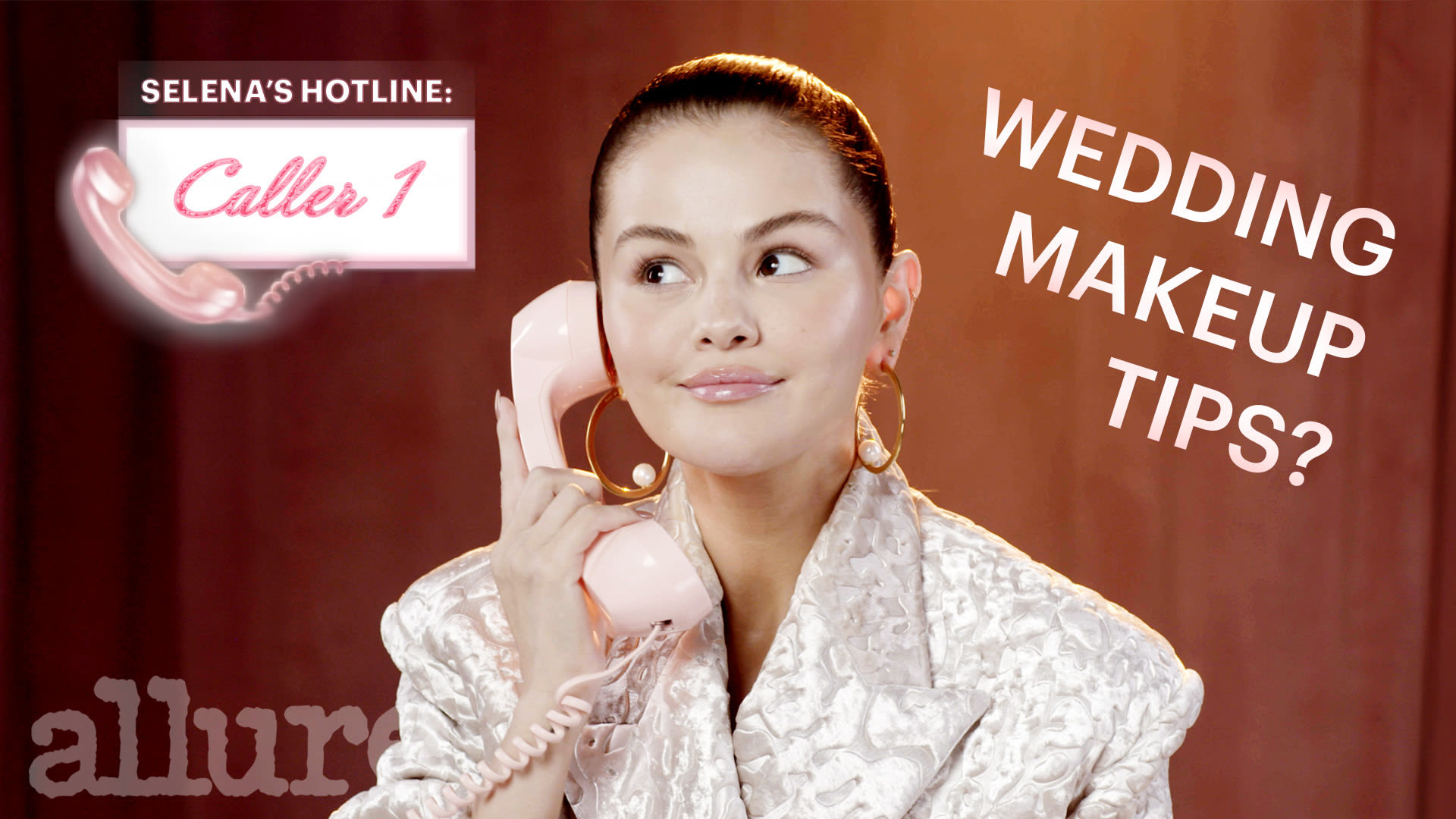
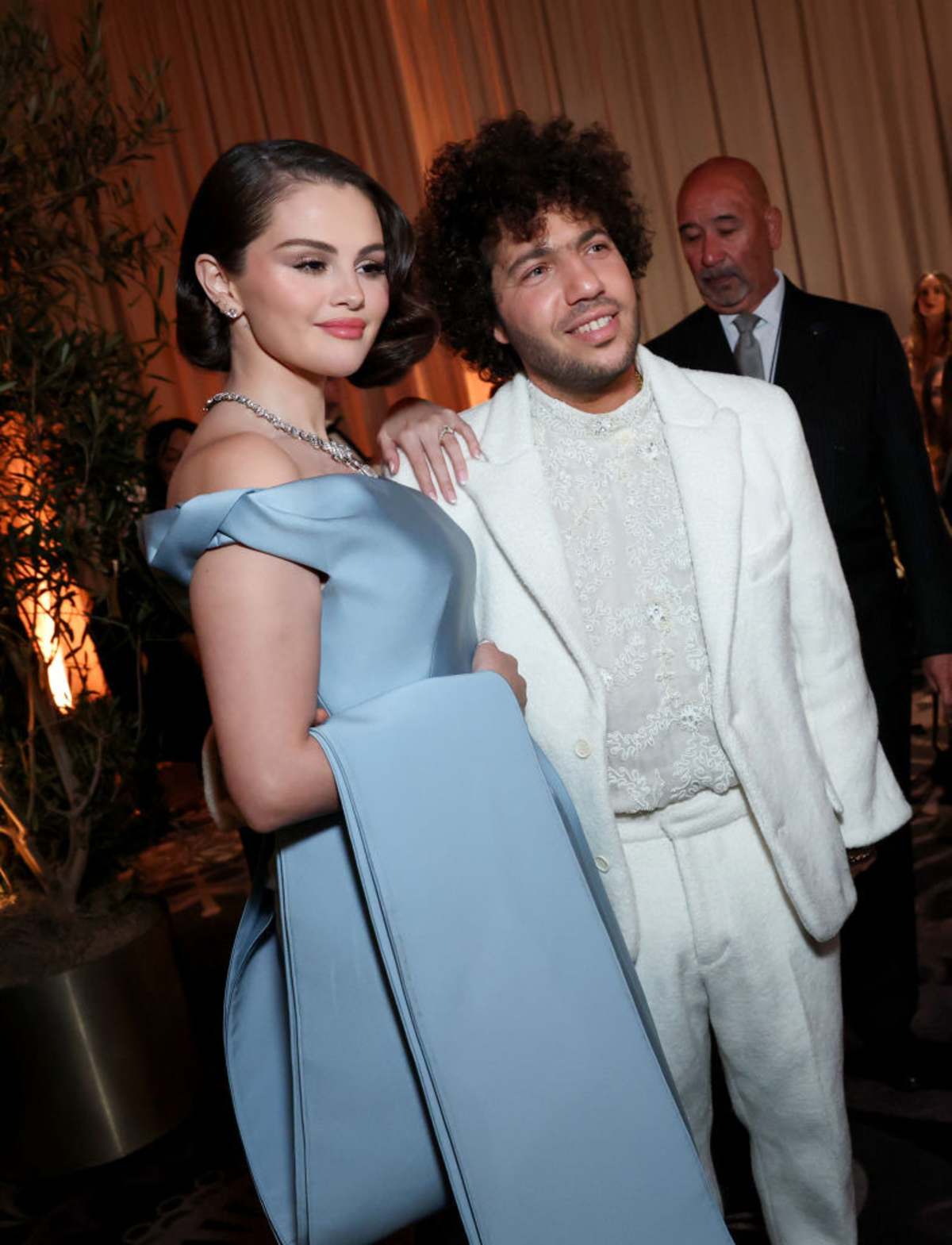
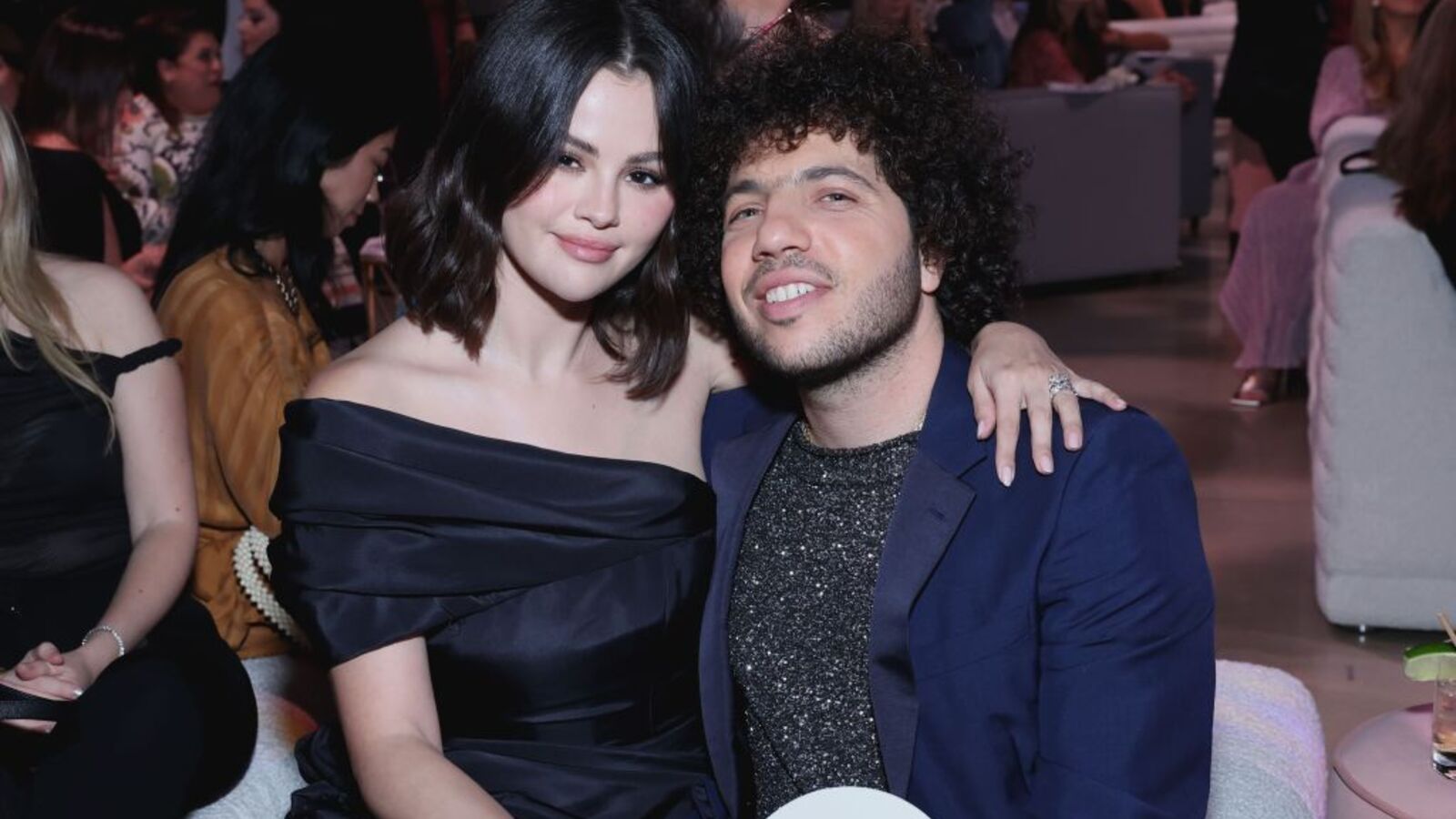
The phrase "23 missed calls from Selena Gomez the truth behind the mystery" refers to a viral internet phenomenon, fan fiction trend, and meme rooted in social media culture rather than an actual real-world event involving the pop star. While the headline mimics sensationalized tabloid journalism or exclusive documentary titles, it primarily exists as a creative writing prompt and fictional scenario across platforms like TikTok and YouTube.
Origins of the Viral Phenomenon and Social Media Folklore
Modern internet culture frequently blurs the line between reality and elaborate fiction, and the meme featuring a barrage of missed calls from a major global celebrity is a prime example. The premise typically frames an ordinary individual receiving dozens of frantic phone calls from Selena Gomez, creating an instantly dramatic narrative hook.
Rather than originating from a verified press release, a leaked phone log, or a promotional campaign for a new single or album, the concept grew organically through user-generated content. Creators utilize this hyper-specific scenario to produce dramatic sketch comedies, satirical relationship advice videos, and alternate-universe fan fiction. Because Gomez commands one of the largest digital footprints globally, referencing her name in a high-stakes, absurd context reliably captures user attention and drives engagement across algorithmic feeds.
Analyzing the Mechanics of Digital Clickbait Titles
Understanding why phrases like 23 missed calls from a multi-platinum recording artist spread so quickly requires an examination of modern headline construction. Digital content creators often employ hyperbole and manufactured urgency to stand out in crowded content feeds.
The structure of the phrase relies on several psychological triggers:
- Specificity: Citing an exact, unusual number like 23 creates a false sense of precision, making the fictional claim feel oddly specific and therefore more plausible to casual scrollers.
- Authority Figures: Incorporating a universally recognized celebrity instantly elevates mundane personal scenarios into high-drama events.
- Incomplete Information: Posing a mystery—such as teasing "the truth behind the mystery"—exploits curiosity, compelling viewers to click through or watch the entire video to resolve the narrative tension.
| Headline Element | Psychological Objective |
|---|---|
| Numerical Precision | Implies empirical data or a specific occurrence |
| Celebrity Entity | Leverages parasocial attachment and high status |
| Unresolved Mystery | Triggers curiosity gap and drives engagement |
Distinguishing Between Fictional Tropes and Actual Celebrity News
Navigating the modern media landscape requires robust digital literacy, particularly when encountering sensationalized claims about high-profile figures. While tabloids frequently report on celebrity relationships, health updates, and professional milestones, viral social media trends routinely fabricate scenarios for entertainment purposes.
Real-world communications involving major artists like Selena Gomez are typically handled through professional representatives, publicists, or verified institutional channels. When genuine announcements occur—such as the release of new music, beauty product launches, or documentary projects—they are disseminated via official verified social media accounts or established trade publications like Variety or The Hollywood Reporter. Content built around private, highly improbable interactions such as dozens of unanswered phone calls lacks any grounding in verifiable fact.
How to Verify Viral Claims and Avoid Misinformation
When encountering viral mysteries or sensational claims online, establishing the truth requires a systematic verification process. Readers can protect themselves from falling for elaborate internet folklore by applying basic fact-checking principles before sharing or reacting to questionable headlines.
- Check Official Sources: Look for statements on verified social media handles or official news wire services. If a major celebrity were involved in a notable real-world incident, mainstream news organizations would cover it extensively.
- Examine the Platform of Origin: Determine whether the claim originates from a satirical account, a fan fiction community, or a reputable journalistic outlet. Content originating from TikTok skits or meme pages should be treated as entertainment rather than news.
- Analyze the Narrative Structure: Be skeptical of headlines that rely on extreme emotional hooks, vague promises of "the truth," or scenarios that defy ordinary probability without concrete supporting evidence.
- Consult Independent Fact-Checkers: Search dedicated verification databases or pop-culture debunking sites to see if the viral claim has already been analyzed and classified as fiction or satire.
Frequently Asked Questions
Did Selena Gomez actually make 23 missed calls to an ordinary person?
No, there is no factual or verified evidence indicating that Selena Gomez ever made 23 missed calls to an ordinary individual. The phrase is a fictional premise derived from social media memes, creative writing prompts, and viral sketch comedy videos.
Where did the phrase originate?
The concept grew out of user-generated content trends on platforms like TikTok, where creators invent absurd or high-stakes hypothetical scenarios involving major celebrities to drive viewer engagement and comedic storytelling.
Is this trend linked to an official album release or promotional campaign?
No, major entertainment companies and record labels do not utilize anonymous or hidden missed-call rumors as official promotional strategies for music or film projects.
How can I tell if a viral celebrity rumor is real?
Verifying a celebrity rumor requires checking established trade publications, official verified social media profiles, and reputable news outlets rather than relying on sensationalized social media headlines or anonymous video captions.
Why do people create and share these fictional scenarios?
Creators utilize hyper-specific and dramatic premises to capture attention in fast-paced algorithmic feeds, utilizing humor, relatable awkwardness, and recognizable pop culture icons to entertain audiences.
Next Actions for Digital Media Literacy
Consumers navigating contemporary digital spaces should maintain healthy skepticism toward sensationalized headlines and viral mysteries. By distinguishing between structured entertainment content and verified reporting, users can better navigate social media trends without mistaking fiction for reality. When in doubt, prioritize primary sources and look for corroboration from established journalistic institutions before accepting viral premises as truth.