On 22 July 2011, Norway suffered two coordinated domestic terrorist attacks that resulted in 77 fatalities. The events began with a fertilizer bomb explosion in Oslo’s government quarter, followed by a mass shooting at a Workers' Youth League (AUF) summer camp on Utøya island. Perpetrated by Anders Behring Breivik, these attacks remain the deadliest acts of violence in Norway since World War II.
Understanding the Context and Sequence of Events
To understand the magnitude of 22 July 2011, one must look at the specific targets chosen by the perpetrator. The attacks were not random; they were a calculated strike against the Norwegian Labor Party (Arbeiderpartiet) and its future leadership. The perpetrator, motivated by far-right, anti-Islamic, and anti-multiculturalist ideologies, viewed the Labor Party as responsible for the "deconstruction" of Norwegian culture through its immigration policies.
The day began in Oslo, the nation's capital, where the perpetrator parked a white Volkswagen Crafter van laden with approximately 950 kilograms of a homemade fertilizer-based explosive (ANFO) in front of the "Høyblokka" building. This building housed the Office of the Prime Minister and the Ministry of Justice and Public Security. At 15:25 CEST, the bomb detonated, creating a blast wave that shattered windows for blocks and claimed eight lives immediately.
While emergency services were descending on the chaos in Oslo, the perpetrator was already en route to his second target: Utøya, a small island in Lake Tyrifjorden, roughly 40 kilometers northwest of Oslo. The island was hosting the annual summer camp of the AUF, the youth wing of the Labor Party, with approximately 600 teenagers and young adults in attendance.
The Oslo Bombing: Targeting the Heart of Government
The explosion in the Regjeringskvartalet (Government Quarter) was a diversionary tactic as much as it was a primary strike. The perpetrator intended to decapitate the Norwegian leadership, though Prime Minister Jens Stoltenberg was not in his office at the time. The physical damage was catastrophic. The blast stripped the facade of the Høyblokka and several adjacent ministries, including the Ministry of Finance and the Ministry of Education and Research.
The technical failure of the security measures in place at the time became a central theme of the post-event analysis. Despite previous warnings about the vulnerability of Grubbegata (the street where the van was parked) to vehicle-borne improvised explosive devices (VBIEDs), the street had not yet been closed to unauthorized traffic. This delay in infrastructure security allowed the perpetrator to park directly at the base of the most sensitive government building in Norway.
The medical response in Oslo was swift, as Norway’s universal healthcare infrastructure and emergency protocols were activated. However, the sheer scale of the blast—which left 200 people injured—strained local resources. The psychological impact on the city was profound; Norway had long considered itself immune to such large-scale political violence.
The Utøya Massacre: A Tragedy at the Youth Summer Camp
The second phase of the attack began at approximately 17:21 CEST. The perpetrator arrived at the MS Thorbjørn ferry crossing disguised as a police officer, claiming he was there to provide security following the Oslo bombing. Armed with a Ruger Mini-14 carbine and a Glock 17 pistol, he was ferried to the island.
Once on Utøya, he began a systematic shooting spree that lasted 72 minutes. Because he was dressed as a police officer, many of the youth initially ran toward him for safety, only to be fired upon at close range. The geography of the island—a mere 26 acres surrounded by the cold waters of Tyrifjorden—left the victims with few places to hide. Many attempted to swim to the mainland, only to be shot in the water or succumb to hypothermia.
The delayed police response to Utøya is one of the most scrutinized aspects of the day. The Norwegian police tactical unit, Delta, faced several hurdles:
- The lack of a helicopter: The only police helicopter was grounded due to vacation schedules and budget constraints.
- Logistical failures: The first boat used by the tactical unit began taking on water, forcing them to commandeer private civilian boats.
- Communication breakdowns: Information regarding the perpetrator's location and identity was slow to disseminate.
By the time the police landed on the island and arrested the perpetrator at 18:34 CEST, 69 people had been murdered, most of them teenagers.
Profiling the Perpetrator and Ideology
The perpetrator, Anders Behring Breivik, was a 32-year-old Norwegian national who had spent years planning the attacks. On the day of the bombing, he distributed a 1,518-page manifesto titled 2083: A European Declaration of Independence. The document outlined his belief in a "clash of civilizations" and his desire to spark a revolution against "cultural Marxism" and "Islamization" in Europe.
The manifesto revealed a high degree of technical planning. He had legally acquired his weapons by joining a shooting club and had purchased six tons of fertilizer by registering a shell farming business. This allowed him to bypass the heightened security protocols surrounding large-scale chemical purchases.
Psychological evaluations became a flashpoint during his trial. The first psychiatric team diagnosed him with paranoid schizophrenia, which would have rendered him legally insane and ineligible for prison. However, a second team—and much of the public—argued that his actions were the result of extreme political ideology rather than psychosis. The court ultimately found him sane and responsible for his actions.
Legal Proceedings and the 21-Year Sentence
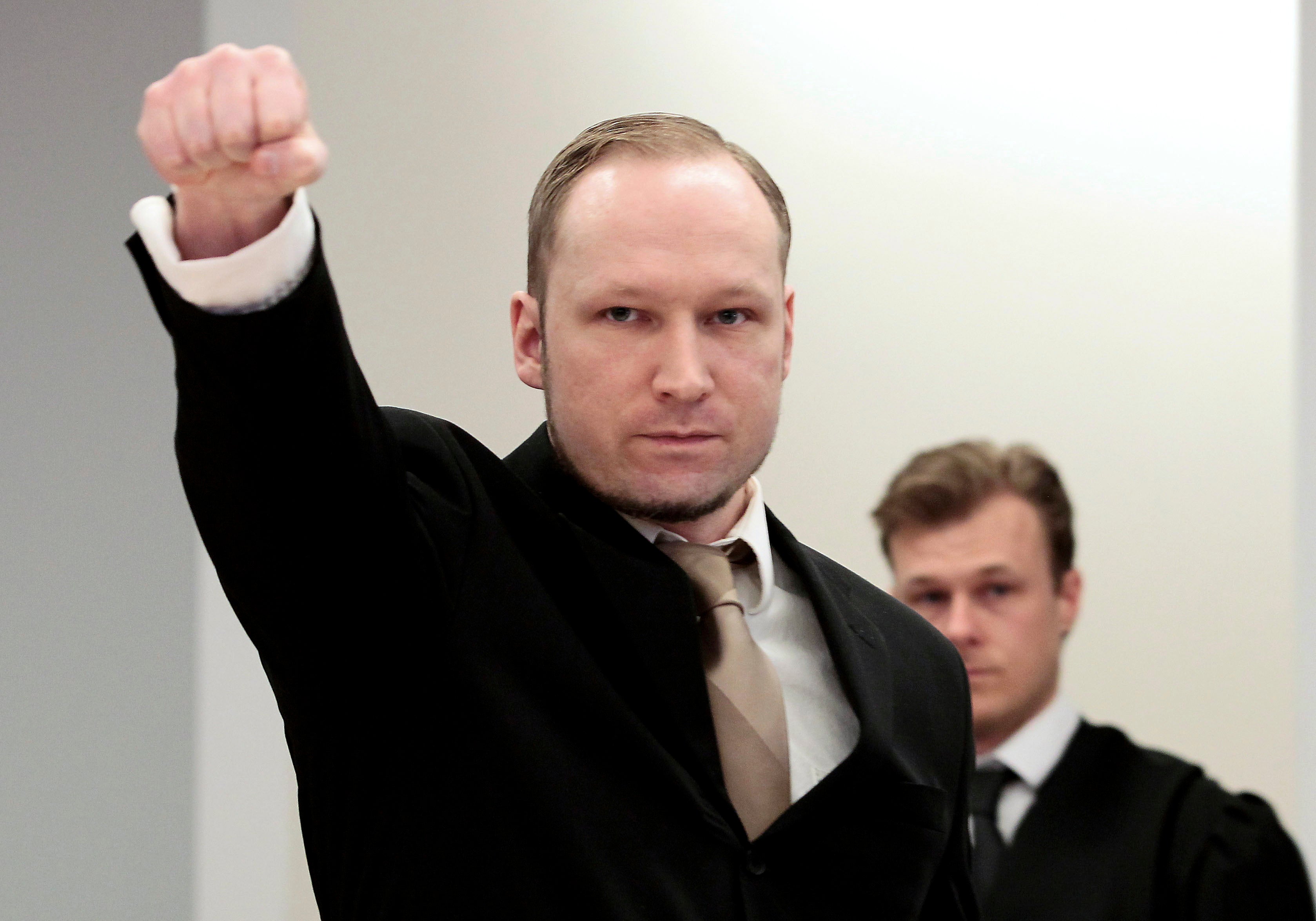
The trial of the perpetrator began in April 2012 and was a landmark event for the Norwegian judiciary. In keeping with Norwegian values of transparency and the rule of law, the trial was open to the public, and the perpetrator was given a platform to explain his actions, though the court took measures to prevent him from using it as a direct recruitment tool for extremist groups.
On 24 August 2012, the Oslo District Court sentenced him to 21 years of forvaring (preventative detention). This is the maximum sentence in Norway, but it differs from a standard prison sentence in one critical way: it can be extended indefinitely. As long as the court deems the individual a threat to society, they can be held in 5-year increments for the rest of their life.
Comparison of Key Attack Data
| Location | Time of Event | Method | Fatalities | Injuries |
|---|---|---|---|---|
| Oslo (Gov. Quarter) | 15:25 | 950kg ANFO VBIED | 8 | 200+ |
| Utøya Island | 17:21 – 18:34 | Active Shooter (Rifle/Pistol) | 69 | 110+ |
| Total | 4 hours total | Coordinated Terror | 77 | 310+ |
The Gjørv Report and Security Reform
In the aftermath, the Norwegian government commissioned an independent review known as the Gjørv Report (22. juli-kommisjonen). Published in August 2012, the report was a scathing critique of Norway’s readiness. It concluded that the Oslo bombing could have been prevented if security recommendations for Grubbegata had been implemented earlier and that the perpetrator could have been apprehended sooner on Utøya if police communication and transportation had been better managed.
Since the report's publication, Norway has undergone significant security transformations:
- Police Resources: The police helicopter service was expanded, and new, more modern helicopters were commissioned to ensure 24/7 readiness.
- Emergency Response: New protocols for "PLIVO" (Ongoing Life-Threatening Violence) were established, ensuring that the first police units on the scene of an active shooter must engage the threat immediately rather than waiting for tactical teams.
- Intelligence Surveillance: The Norwegian Intelligence Service (PST) received increased funding and authority to monitor online radicalization, though this has sparked ongoing debates regarding privacy and civil liberties.
Societal Impact and Resilience 15 Years Later
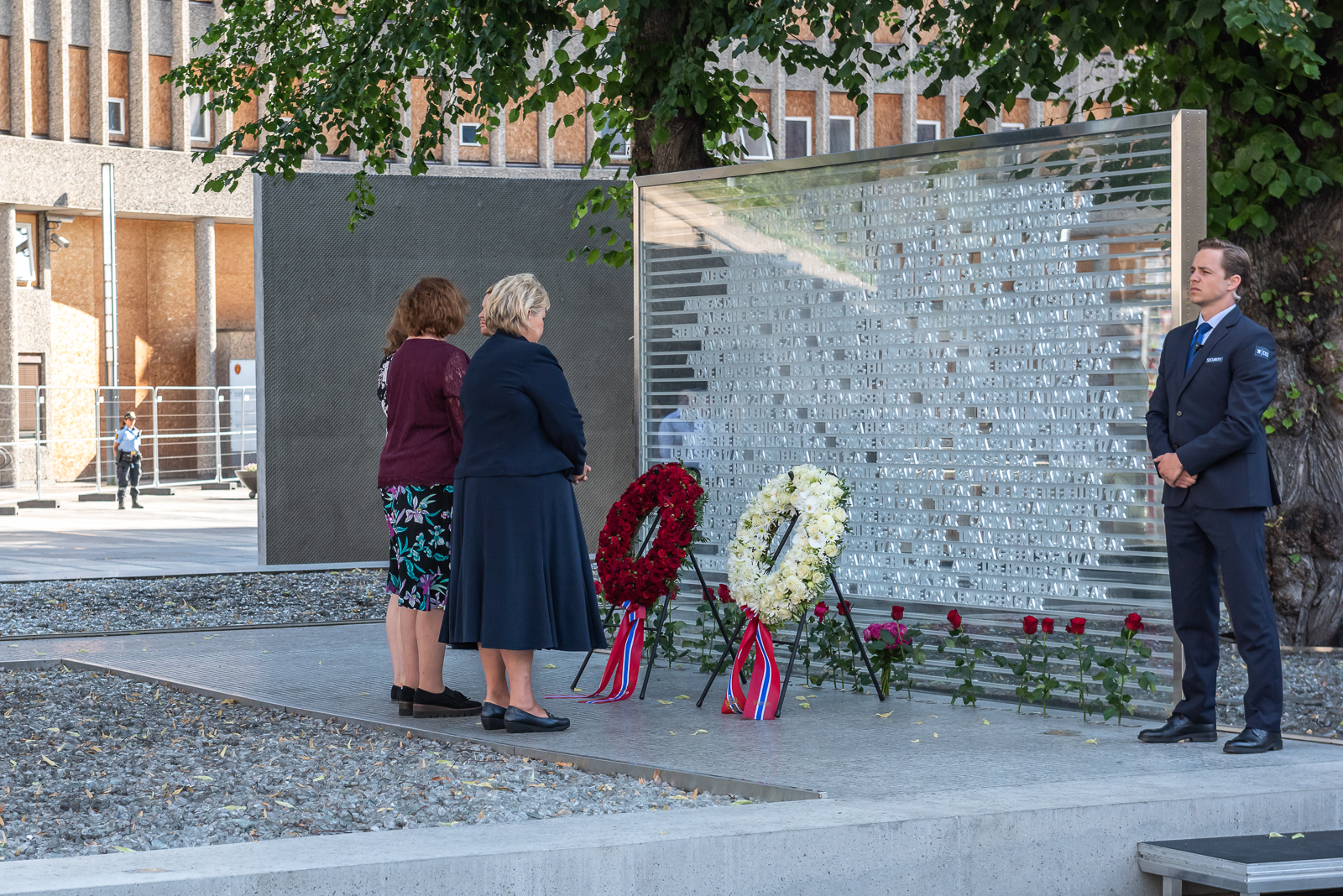
As of 2026, fifteen years have passed since the attacks. Norway has focused heavily on the concept of "reclaiming" the spaces targeted. The 22 July Centre in Oslo serves as an educational hub, using the artifacts of the day—including the remains of the van and the shattered glass—to teach younger generations about the dangers of extremism.
Utøya itself has been transformed. After years of debate between those who wanted the island to remain a memorial and those who wanted it to return to its original purpose, a compromise was reached. New buildings were constructed (including the "Hegnhuset"), which preserve the bullet-scarred cafeteria within a new structure designed for learning and dialogue. Every summer, the AUF continues to hold its camp there, a defiant signal that the attack failed to destroy the organization's spirit.
The legacy of 22 July 2011 is a dual narrative of immense grief and institutional failure, balanced against the resilience of a democratic society that refused to abandon its core values of openness and human rights in the face of terror.
Frequently Asked Questions
Why did the perpetrator target the AUF summer camp?
The perpetrator targeted the AUF because he viewed the youth wing of the Labor Party as the "next generation" of the political elite responsible for Norway's multicultural policies. By attacking the camp, he intended to inflict maximum psychological damage on the Labor Party and deter future participation in their political programs.
What was the "Gjørv Report"?
The Gjørv Report was the official findings of the 22 July Commission, an independent body appointed to investigate the attacks. It identified critical failures in police response, government security infrastructure, and intelligence sharing, leading to a massive overhaul of Norway's national security protocols and emergency management.
Can the perpetrator ever be released from prison?
Under the terms of forvaring (preventative detention), the perpetrator can technically apply for parole after 10 years. However, as of 2026, his petitions have been consistently denied. Because the sentence can be extended indefinitely if he is still considered a danger to society, it is widely expected that he will remain incarcerated for the rest of his life.
How has the Government Quarter in Oslo changed since 2011?
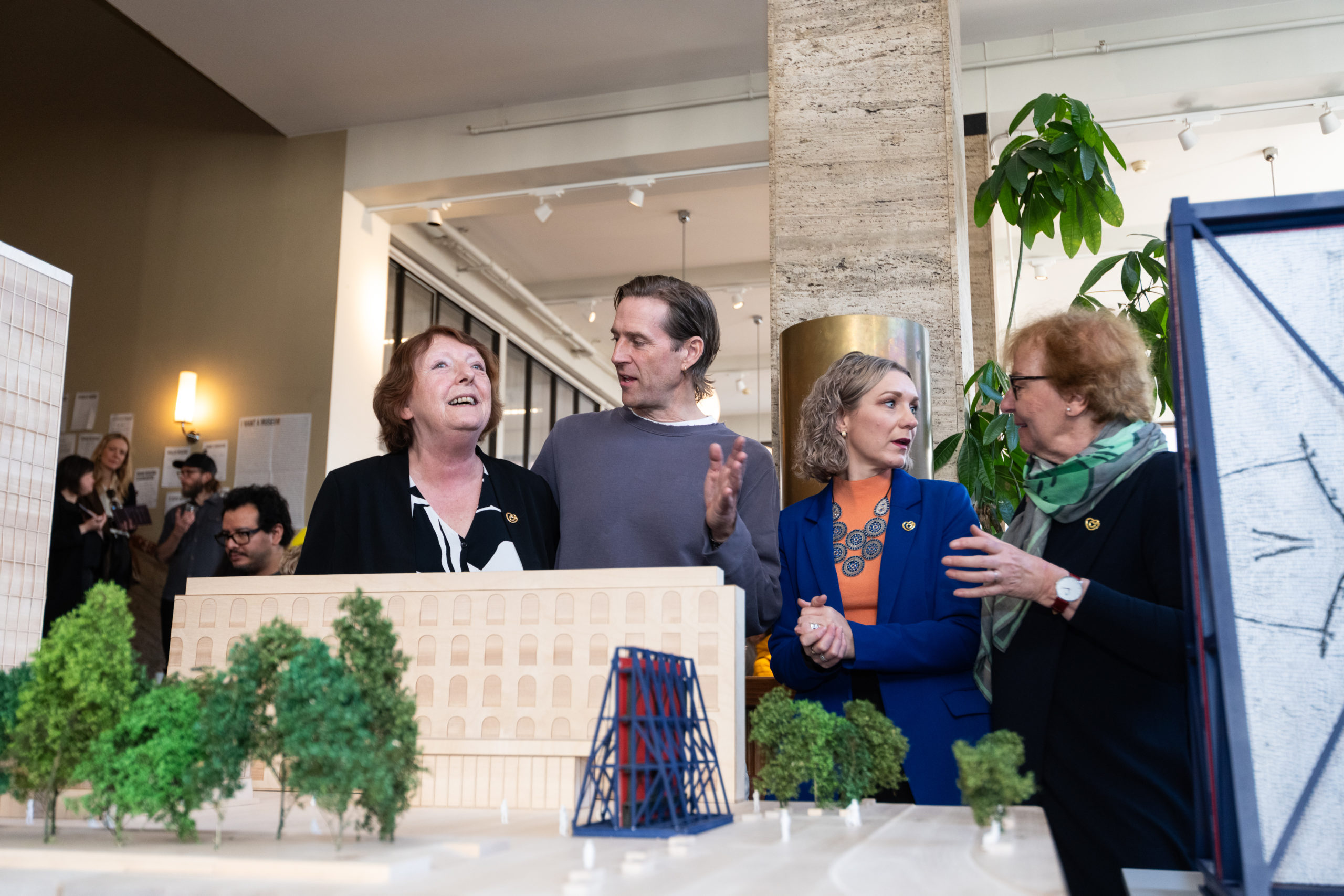
The reconstruction of the Regjeringskvartalet has been one of the largest infrastructure projects in Norwegian history. By 2026, much of the area has been rebuilt with a focus on "security by design," including permanent pedestrian zones, blast-resistant glass, and integrated surveillance, while still attempting to maintain the aesthetic of an open, accessible democratic center.
What is the significance of the "Iron Roses" memorial?
The "Iron Roses" (Jernrosene) is a memorial located outside the Oslo Cathedral. It consists of thousands of iron roses sent from people all over the world following the attacks. It symbolizes the "Rose March" that took place days after the tragedy, where 200,000 people gathered in Oslo to show solidarity and promote a message of love over hate.
Practical Resources for Further Research
For those looking to understand the technical and legal nuances of 22 July 2011, several primary sources remain the gold standard for information. The official 22 July Centre offers an exhaustive digital archive of the trial and the recovery process. Researchers should also consult the National Police Directorate for current updates on Norway’s counter-terrorism strategies and the Gjørv Commission's full report, which provides the most detailed forensic and procedural analysis of the response failures. Understanding these documents is essential for anyone studying modern emergency management or the sociology of far-right radicalization in Europe.