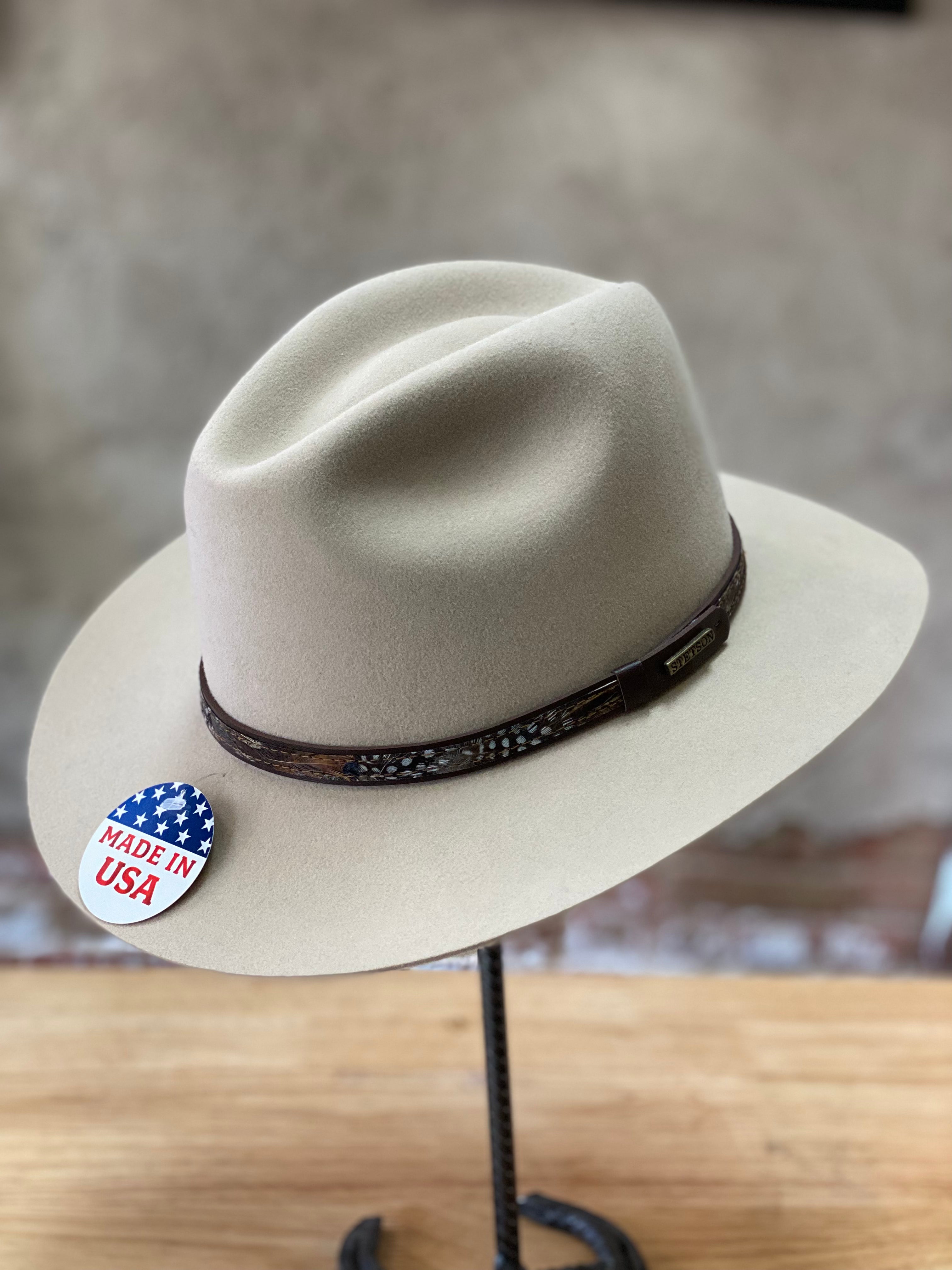
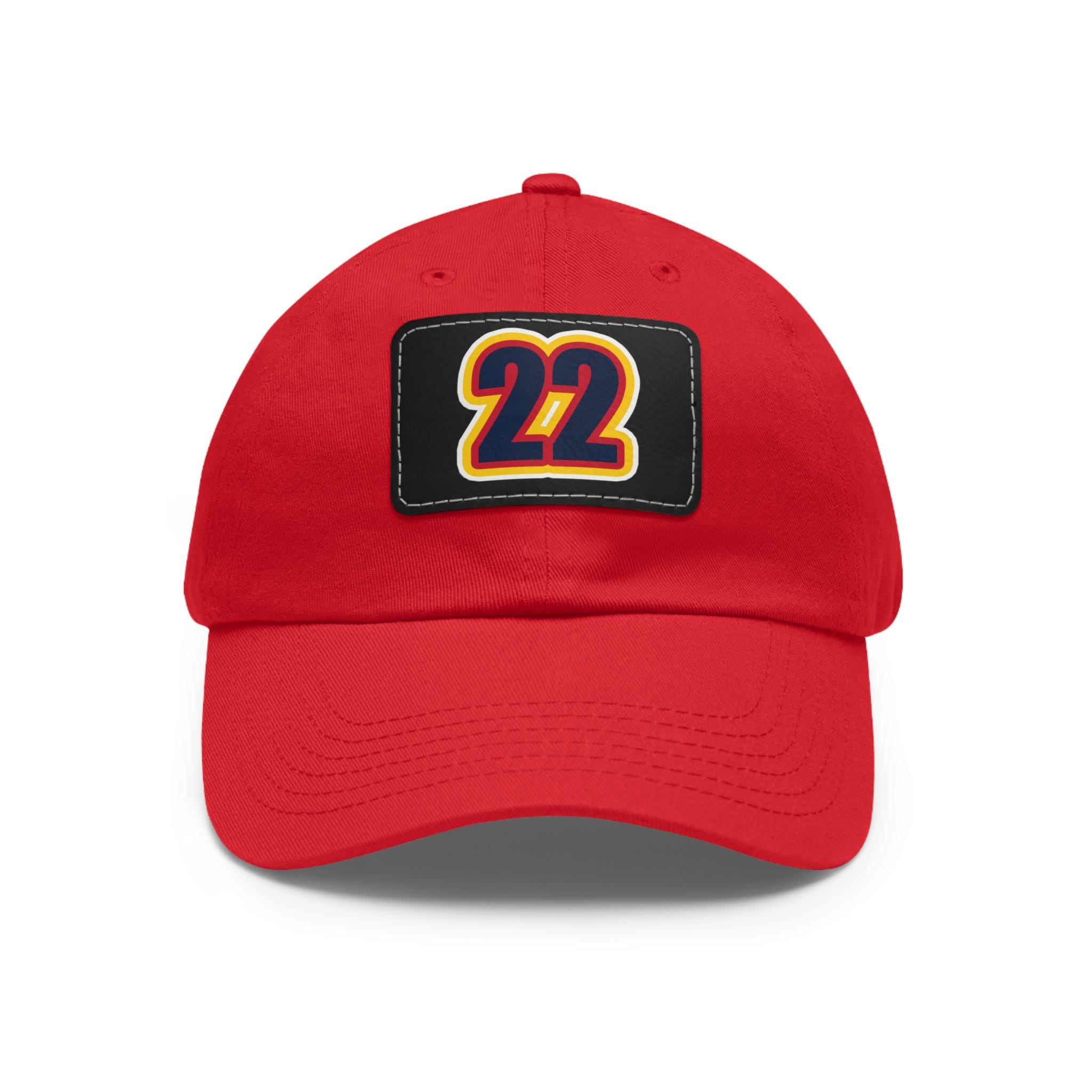
The "22 hat" refers to the iconic black fedora worn by Taylor Swift during the performance of her hit song "22" on the record-breaking Eras Tour. More than just a costume piece, the hat became a symbol of fan connection through a nightly tradition where Swift gifted the stage-worn accessory to a pre-selected audience member.
As we look back from the perspective of 2026, the "22 hat" remains one of the most recognizable artifacts of 21st-century pop culture. While the Eras Tour concluded in late 2024, the legacy of the hat persists through high-end millinery replicas, fan-made DIY versions, and the documented stories of the "22 hat recipients." This article explores the technical craftsmanship behind the hat, the history of the giveaway tradition, and the practicalities of acquiring or creating a version of this piece of music history.
The Origin and Evolution of the 22 Hat
The association between Taylor Swift and the black fedora began with the "Red" era in 2012. In the original music video for the single "22," Swift wore a variety of eclectic outfits, but the black hat paired with a "Not a lot going on at the moment" t-shirt became the definitive look for that track. The hat represented a specific aesthetic of the early 2010s—indie-pop chic mixed with a sense of youthful whimsy.
When the Eras Tour launched in March 2023, the "Red" segment sought to recreate this nostalgia. However, the production value was significantly elevated. What was once a simple fashion choice in a music video evolved into a choreographed ritual. Each night, during the bridge of the song "22," Swift would walk to the end of the "T-stage," kneel, and place the hat on the head of a fan, usually a child or a young adult with a significant personal story. This moment was often the most emotionally charged part of the concert, capturing the theme of the song: being "happy, free, confused, and lonely in the best way."
Technical Specifications and Craftsmanship
While many fans opted for affordable replicas, the actual hats worn by Taylor Swift on stage were high-end pieces of millinery. For the Eras Tour, Swift collaborated with renowned Los Angeles-based milliner Gladys Tamez, whose studio is known for dressing celebrities like Lady Gaga and Beyoncé.
Material and Construction
The stage-worn "22 hat" was a custom-made fedora crafted from premium materials to withstand the rigors of a three-hour stadium performance.
- Material: The primary material was high-grade rabbit felt or beaver felt, which offers a smooth finish and maintains its structural integrity better than wool felt.
- Shape: It featured a classic fedora crown with a slight "teardrop" pinch and a medium-width brim that was slightly turned down in the front and up in the back (a "snap-brim" style).
- Trim: A black grosgrain ribbon encircled the base of the crown, finished with a tailored bow on the side.
- Durability: Because the hat was handled frequently and placed on fans' heads, it required a stiffening agent to ensure the brim did not lose its "snap" during the performance.
Design Variations
Throughout the tour, slight variations appeared. While the "classic" 22 hat was solid black, Gladys Tamez occasionally produced versions with subtle differences in brim width or crown height to suit different stage lighting or costume adjustments. For fans, these technical details became points of deep analysis, distinguishing the "authentic" stage design from mass-market imitations.
The "22 Hat" Giveaway: A Cultural Phenomenon
The giveaway was not a random act of luck in the middle of a crowd. It was a coordinated effort by Swift’s team, often referred to as "Taylor Nation," to identify fans who embodied the spirit of the community. In 2026, this tradition is studied as a masterclass in artist-fan engagement.
How Recipients Were Chosen
Selection for the 22 hat was a highly coveted honor. While the exact criteria were never publicly codified, several patterns emerged:
- Meaningful Stories: Many recipients were children battling illnesses or individuals who had gone viral for their dedication to the fandom.
- Outfit Creativity: Fans who spent hundreds of hours hand-crafting "Eras" outfits were frequently spotted by Swift’s team.
- Positive Energy: Security and tour staff were known to scout the floor sections for fans showing exceptional joy and kindness to those around them.
Notable Recipients
Over the course of the 152-show tour, several recipients gained international attention. One of the most famous moments occurred in Los Angeles at SoFi Stadium, when Swift gave the hat to Bianka Bryant, the daughter of the late Kobe Bryant. This moment bridged the worlds of music and sports history, cementing the "22 hat" as a symbol of resilience and legacy. Other recipients included young fans who had survived natural disasters or personal tragedies, making the hat a "badge of honor" within the Swiftie community.
Comparison of 22 Hat Versions
For those looking to own a piece of this history in 2026, it is important to distinguish between the various tiers of the 22 hat available on the market.
| Feature | Stage-Worn (Original) | Gladys Tamez "Official" Tribute | Official Tour Merch | DIY / Replica |
|---|---|---|---|---|
| Material | Premium Rabbit/Beaver Felt | High-quality Rabbit Felt | Wool or Polyester Blend | Varies (Felt/Plastic) |
| Price Point | Priceless (Not for Sale) | $500 - $1,200 | $50 - $75 | $10 - $40 |
| Craftsmanship | Hand-blocked by Master Milliner | Hand-blocked to order | Mass-produced | Home-made |
| Authenticity | Direct from Taylor Swift | Authorized Designer Copy | Official Brand | Unofficial |
| Availability | 152 known units globally | Limited Boutique Runs | Discontinued (Secondary Market) | Readily Available |
How to Create a DIY 22 Hat
Since the original stage-worn hats are not commercially available and the Gladys Tamez versions are high-luxury items, many fans choose the DIY route. Even in 2026, the "22 outfit" remains a popular choice for themed parties and tribute concerts.
Steps for an Authentic Look
- Select the Base: Look for a "black wide-brim fedora" or a "stiff-brim boater hat." Avoid "floppy" sun hats; the key to the 22 look is the structural rigidity of the brim.
- Add the Ribbon: If your hat doesn't have a grosgrain ribbon, purchase 1.5-inch black grosgrain. Wrap it tightly around the base of the crown and secure it with a small dab of hot glue or a few stitches.
- The "Red" Aesthetic: Pair the hat with a white t-shirt. For the 2012 look, the shirt reads "Not a lot going on at the moment." For the Eras Tour look, the shirts often varied, such as "Who's Taylor Swift anyway? Ew."
- Preservation: If you are using your hat for display, use a hat form or fill the crown with acid-free tissue paper to prevent the felt from collapsing over time.
Market Value and Memorabilia Status in 2026
As of 2026, the secondary market for Eras Tour memorabilia has reached unprecedented heights. While the 152 fans who received the hats directly from Taylor Swift almost never put them up for sale, the "Official Tour Merch" versions have become collector's items.
The value of an official merchandise hat in mint condition has increased significantly since the tour ended in 2024. Collectors look for specific indicators of authenticity, such as the internal branding and the specific weave of the polyester-wool blend used during the 2023-2024 production runs. For many, owning any version of the "22 hat" is a way to maintain a tangible connection to a tour that defined a generation of live music.
FAQs About the 22 Hat
Who designed the original 22 hat for the Eras Tour?
The stage-worn hats were designed and handcrafted by Gladys Tamez, a luxury milliner based in Los Angeles. She collaborated with Taylor Swift’s styling team to create a hat that was both aesthetically consistent with the "Red" era and durable enough for the rigors of a stadium tour.
How were fans chosen to receive the 22 hat during the show?
Recipients were typically chosen by Taylor Swift’s team (Taylor Nation) or her mother, Andrea Swift. They looked for fans in the floor sections or near the stage who had unique stories, creative costumes, or displayed exceptional enthusiasm and kindness toward other fans.
Can I still buy an official Taylor Swift 22 hat?
Official tour merchandise hats were sold during the 2023-2024 Eras Tour. Since the tour has concluded, these are no longer available through the official website. You can find them on secondary marketplaces like eBay or specialized memorabilia sites, but be wary of counterfeits that mimic the official packaging.
What is the difference between a fedora and the 22 hat?
The 22 hat is a specific style of fedora. While a standard fedora can have many variations, the "22" version is characterized by its stiff, flat brim and specific crown pinch. In the original 2012 music video, it leaned closer to a "boater" style, but the Eras Tour version was a definitive high-fashion fedora.
Why is the number 22 significant to the hat?
The hat is inextricably linked to the song "22" from the album Red. The song celebrates the transition into adulthood and the "miserable and magical" nature of being twenty-two years old. The hat became the visual shorthand for this specific chapter of Swift’s career.
Guidelines for Displaying and Preserving Your 22 Hat
If you are a lucky recipient of a stage-worn hat or have invested in a high-end replica, proper preservation is essential to maintain its value and appearance. Felt is an organic material that can degrade if exposed to moisture, oils, or direct sunlight for extended periods.
To preserve the hat, store it in a cool, dry environment away from UV light, which can fade the deep black pigment. Use a professional hat box that supports the brim, ensuring the weight of the hat does not rest on the brim itself, as this will cause it to warp over time. For those displaying the hat, a glass or acrylic display case with UV protection is the gold standard. Avoid handling the hat by the crown; instead, pick it up by the brim with clean hands to prevent skin oils from staining the felt. These steps ensure that your piece of music history remains as "magical" as the night it was first worn.