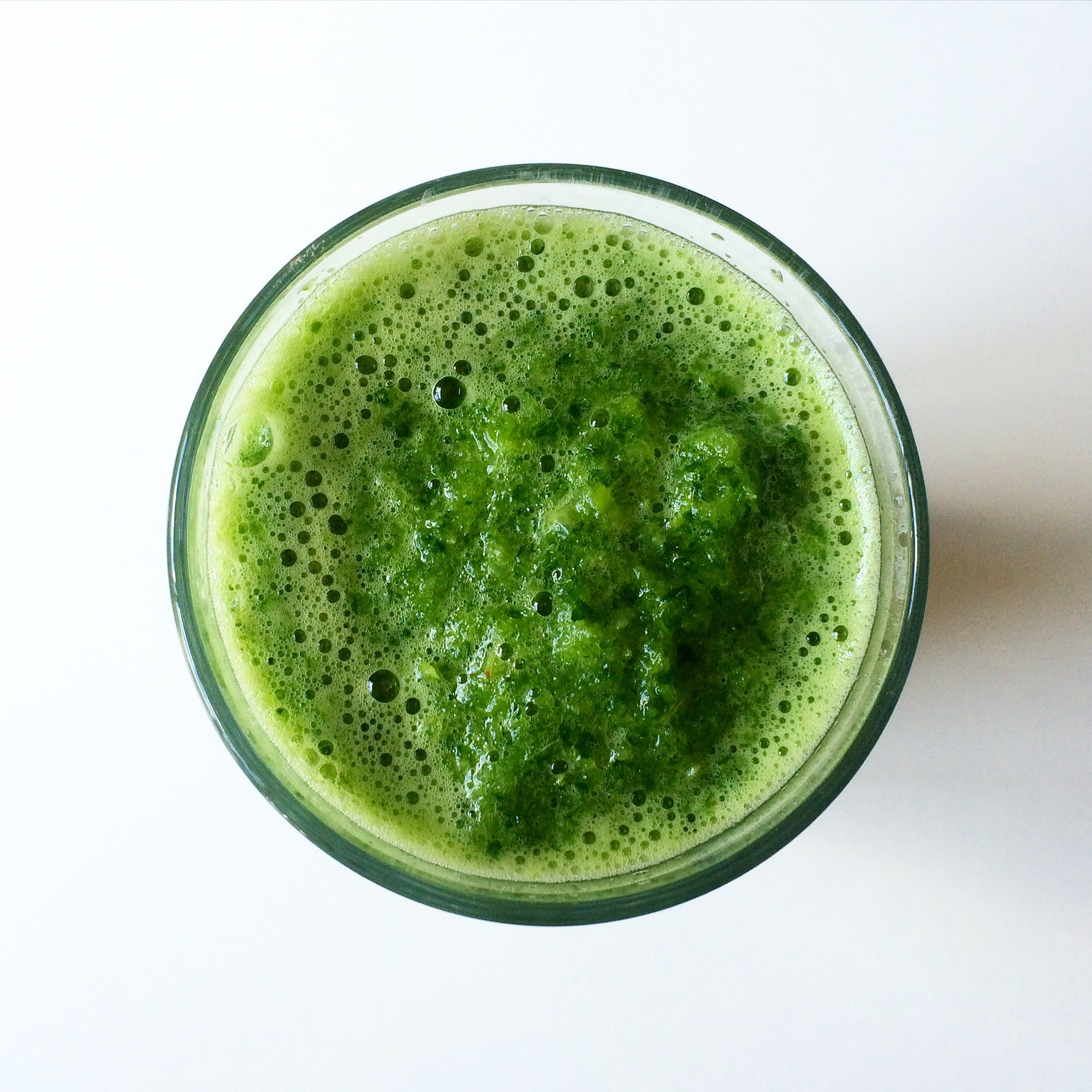
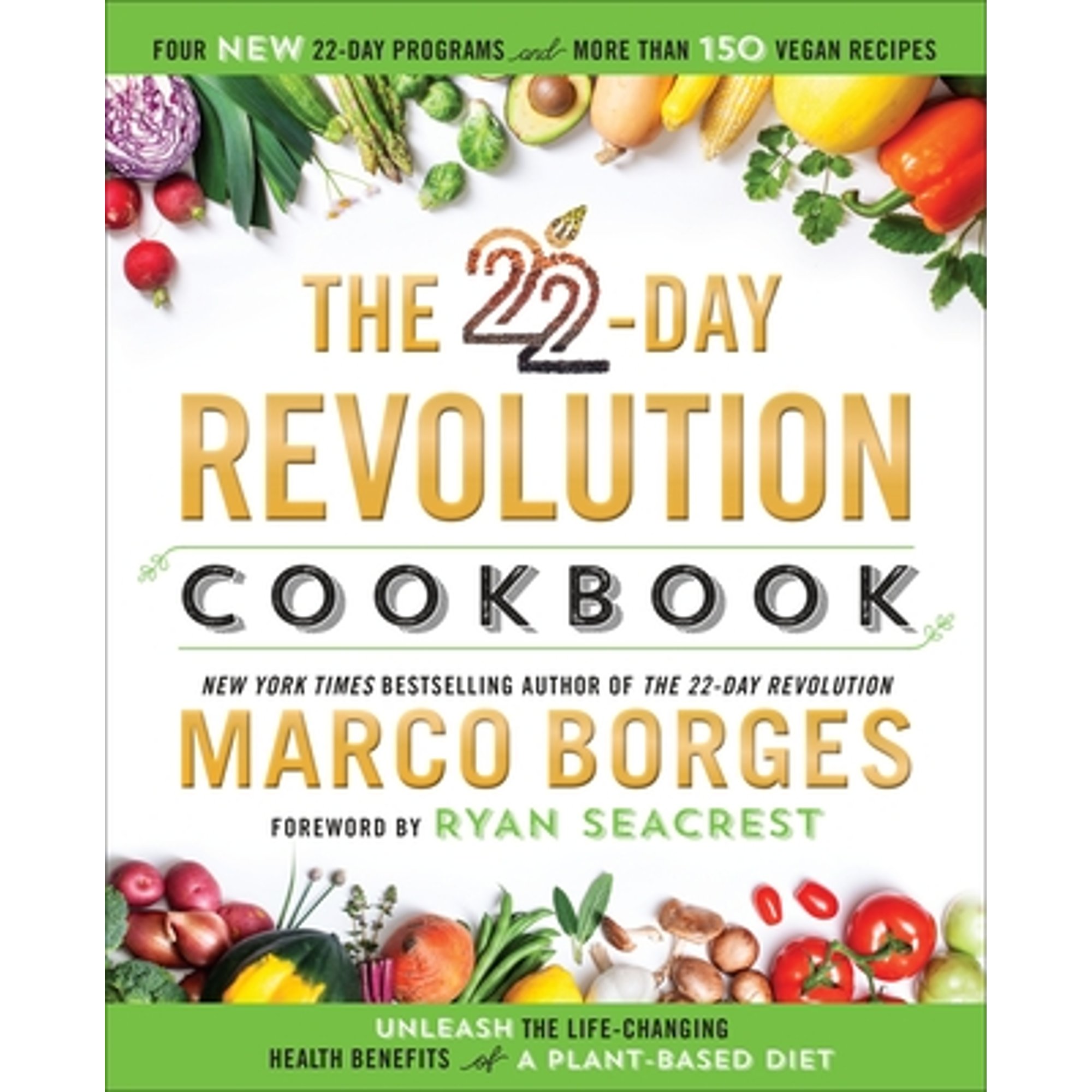
The 22-Day Revolution is a comprehensive plant-based nutrition program developed by exercise physiologist Marco Borges. It is designed to transform health by leveraging the 21-day psychological habit-formation cycle. By consuming 100% plant-based, whole foods for three weeks, participants aim to reset their metabolism, reduce inflammation, and establish a permanent lifestyle shift by the 22nd day.
The Philosophy of the 22-Day Habit Cycle
The "22-Day Revolution" is predicated on the psychological theory that it takes 21 days to create or break a habit. While modern neuroscience suggests that habit formation can vary in length depending on the complexity of the behavior, the 21-day mark serves as a critical psychological milestone for physiological adaptation. In the context of the program created by Marco Borges, the first 21 days are a period of intensive reprogramming for the palate and the digestive system. By the time a participant reaches day 22, the "revolution" is considered complete because the body has moved past the initial withdrawal phases from processed sugars and animal fats.
This timeframe is strategically chosen to overcome the "extinction burst," a psychological phenomenon where cravings for old habits intensify just before they subside. By committing to a strict 21-day window, individuals allow their gut microbiome to shift toward a profile that thrives on fiber-rich plants rather than the inflammatory compounds found in highly processed diets. In 2026, as personalized nutrition continues to dominate the health landscape, the 22-Day Revolution remains a foundational blueprint for those seeking a "hard reset" of their biological systems without the need for extreme caloric restriction or dangerous fasting.
The Five Core Pillars of the Program
The 22-Day Revolution is governed by five specific mandates designed to simplify decision-making and maximize nutritional density. These pillars act as the structural framework for the daily routine, ensuring that participants remain focused on the "why" behind their dietary choices.
1. Choose Plant-Based
The primary rule is the total elimination of animal products. This includes meat, poultry, fish, dairy, and eggs. The rationale is rooted in reducing the intake of dietary cholesterol and saturated fats while increasing the intake of phytonutrients and antioxidants. From a physiological standpoint, this shift lowers systemic inflammation and improves arterial function, often leading to measurable improvements in blood pressure and cholesterol levels within the first two weeks.
2. Three Mindful Meals a Day
Unlike many modern diets that encourage grazing or intermittent fasting, Borges’s program emphasizes three distinct, well-balanced meals. This structure is intended to prevent the "hunger panic" that often leads to poor snacking choices. By focusing on three main events, participants are encouraged to eat until they are satisfied (but not full to discomfort), promoting a better connection with internal satiety signals.
3. The 80/10/10 Ratio
While not every meal requires strict weighing, the program leans toward a macronutrient profile of 80% complex carbohydrates, 10% protein, and 10% fat. It is crucial to distinguish these "carbohydrates" from refined sugars. In the 22-Day Revolution, carbohydrates refer to whole grains, legumes, tubers, and vegetables. This high-carb, low-fat approach is designed to optimize energy levels and provide the brain with a steady supply of glucose without the insulin spikes associated with processed foods.
4. Exercise for 30 Minutes
Physical activity is viewed as a non-negotiable component of the habit-rebuilding process. The program calls for at least 30 minutes of daily movement. This is not necessarily about high-intensity interval training (HIIT); rather, it is about consistent cardiovascular or resistance work that aids in metabolic flexibility and helps stabilize mood during the transition to a plant-based diet.
5. Hydration with Water
Participants are instructed to drink water as their primary beverage, often starting the day with a glass of lemon water. Eliminating "liquid calories" such as sodas, sweetened juices, and alcohol is essential for reducing the toxic load on the liver and ensuring that the kidneys can efficiently process the increased fiber intake.
Nutritional Guidelines: What to Eat and What to Avoid
Navigating the 22-Day Revolution requires a clear understanding of "whole food" versus "processed food." Even within the plant-based world, many products (like vegan cheeses or mock meats) are excluded because they contain high levels of sodium, oils, and preservatives.
| Category | Allowed Foods | Prohibited Foods |
|---|---|---|
| Proteins | Lentils, chickpeas, black beans, quinoa, hemp seeds | Beef, pork, poultry, fish, eggs, whey protein |
| Vegetables | Kale, spinach, broccoli, sweet potatoes, peppers | Vegetable tempura, fried potatoes, canned veggies with sugar |
| Fats | Avocado, raw walnuts, chia seeds, flaxseeds | Butter, lard, margarine, refined oils (canola, corn) |
| Grains | Brown rice, oats, buckwheat, millet, farro | White bread, pastries, refined pasta, flour tortillas |
| Beverages | Water, herbal tea, lemon water | Soda, alcohol, sweetened coffee drinks, energy drinks |
| Sweeteners | Minimal maple syrup, stevia, dates | White sugar, high-fructose corn syrup, aspartame |
The exclusion of soy is a notable feature of the original 22-Day Revolution protocol. While soy is generally considered a healthy plant-based protein, Borges originally limited it to avoid the highly processed forms (like soy protein isolate) found in many "health" bars and meat substitutes. Instead, the focus remains on "one-ingredient" foods—foods that do not require a nutrition label because they are the ingredient.
Health Implications and Physiological Benefits
Transitioning to the 22-Day Revolution triggers several significant biological responses. Because the diet is exceptionally high in fiber—often providing 40 to 60 grams per day—the most immediate change occurs in the digestive tract. Fiber acts as a prebiotic, feeding beneficial bacteria in the colon. This shift can initially cause mild bloating for some, but it quickly resolves into improved regularity and a more robust immune system.
Furthermore, the emphasis on high-potassium, low-sodium foods naturally assists the body in shedding excess water weight. This is often why participants report significant weight loss in the first week. However, the true benefit lies in the reduction of C-reactive protein (CRP), a marker of systemic inflammation. By removing dairy and processed meats, which are often pro-inflammatory, the body can redirect energy from managing inflammation to cellular repair.
Research published in the American Journal of Lifestyle Medicine has consistently shown that whole-food, plant-based diets can not only prevent but also reverse markers of type 2 diabetes and coronary artery disease. In 2026, medical professionals increasingly recommend short-term intensive programs like the 22-Day Revolution as a "clinical jumpstart" for patients who need rapid results to motivate long-term compliance.
Practical Implementation: Planning Your 21 Days
Success in this program is rarely a result of willpower alone; it is a result of preparation. Because the diet eliminates many "convenience" foods, participants must adopt a strategy of batch cooking and pantry stocking.
Phase 1: The Kitchen Purge
Before Day 1, it is essential to remove "trigger foods" from the home. This includes hidden sources of dairy (like coffee creamers) and snacks high in refined sugar. Replacing these with a "plant-based arsenal"—such as jars of pre-cooked beans, bowls of citrus fruit, and bags of raw nuts—ensures that when hunger strikes, the easiest choice is also the correct choice.
Phase 2: Meal Prepping for Success
The "Revolution" favors simplicity. A standard meal structure might include:
- Breakfast: Steel-cut oats with berries and hemp seeds.
- Lunch: A large kale salad with chickpeas, avocado, and a lemon-tahini dressing.
- Dinner: A sweet potato and black bean chili served over brown rice.
By preparing grains and legumes in large batches on Sundays, the mid-week time commitment is significantly reduced. This minimizes the temptation to order takeout when busy.
Phase 3: Managing the "Day 4" Slump
Many participants experience a dip in energy around the fourth or fifth day. This is often the result of the body shifting from burning easy sugars to processing complex fibers and fats. Increasing water intake and ensuring adequate caloric consumption through starches (like potatoes and squash) is the most effective way to navigate this transition.
Overcoming Common Challenges
One of the primary hurdles of the 22-Day Revolution is the social aspect of eating. In a world where many social gatherings revolve around meat-centric meals, the participant must become an advocate for their own health.
Eating Out: In 2026, most restaurants have clear plant-based options. However, the challenge remains hidden oils and salts. Experts suggest checking menus in advance or asking for "sides" like steamed vegetables, plain baked potatoes, and beans to construct a compliant meal.
Cravings: Cravings for cheese or meat are usually cravings for salt and fat. Replacing these with "umami" plant sources—such as nutritional yeast, sun-dried tomatoes, or mushrooms—can satisfy the palate without breaking the protocol.
Protein Concerns: A common myth is that a plant-based diet lacks protein. By consuming a variety of legumes, nuts, and greens, participants easily meet the Recommended Dietary Allowance (RDA) for protein. The 22-Day Revolution proves that protein is abundant in the plant kingdom, provided caloric intake is sufficient.
FAQ: Common Questions About the 22-Day Revolution
Does the 22-Day Revolution allow for any "cheat" meals?
No, the program is designed as a strict 21-day physiological reset. Introducing processed foods or animal products during this window can interrupt the habit-formation process and the stabilization of blood sugar levels. The goal is to prove to yourself that you can thrive without these substances for three weeks.
Is this diet safe for athletes or highly active individuals?
Yes, many professional athletes, including those in high-endurance sports, utilize plant-based protocols to improve recovery times. Because plant-based foods are high in antioxidants, they help clear oxidative stress caused by intense training. Athletes should ensure they consume enough calories by increasing their intake of dense starches like quinoa and sweet potatoes.
Can I drink coffee while on the 22-Day Revolution?
While water is the preferred beverage, plain black coffee or herbal teas are generally acceptable. However, you must eliminate dairy milk, creamers, and artificial sweeteners. Many participants find that as their energy levels stabilize through better nutrition, their "need" for caffeine significantly diminishes.
What happens after the 22nd day?
Day 22 is the beginning of your new "baseline." While some people choose to reintroduce certain foods in moderation, many find that they feel so much better that they continue the plant-based lifestyle indefinitely. The program provides the tools to make plant-based eating a permanent part of your identity rather than a temporary fix.
Is soy allowed on this diet?
In the original book, soy was largely discouraged to avoid processed soy isolates. However, if you choose to include soy, it should be in its whole, organic form, such as edamame or fermented tempeh. Avoid "soy meats" or highly processed tofu products that contain long lists of additives.
Next Actions for Starting Your Revolution
To begin the 22-Day Revolution, your first step should be a comprehensive grocery shop focused on the "perimeter" of the store—where fresh produce is located. Secure a copy of the meal plan or the "22-Day Revolution" book by Marco Borges to ensure you have a structured roadmap for your recipes. Before starting, take baseline measurements such as weight, blood pressure, and energy levels (rated 1–10) so you can objectively track your progress. Commit to a start date where you have at least three days of "low stress" to allow your body to adjust to the increased fiber and the absence of stimulants.
Disclaimer: This information is for educational purposes only and does not constitute medical advice. Consult with a healthcare professional before beginning any new nutritional program, especially if you have underlying health conditions or are taking medication.