The 21st century is the current era of human history, beginning January 1, 2001, and concluding December 31, 2100. As of 2026, it is defined by the maturation of the Fourth Industrial Revolution, a transition toward a multipolar geopolitical landscape, and an urgent global effort to mitigate the impacts of climate change.
Foundations of the 21st Century: A Shift in Perspective
The dawn of the 21st century was marked by a unique blend of technological optimism and geopolitical uncertainty. While the Gregorian calendar technically marked the start on January 1, 2001, the cultural transition began with the "Y2K" phenomenon, which highlighted the world's burgeoning dependence on computer systems. This era immediately moved away from the Cold War dynamics of the late 20th century, replaced by the complexities of globalized trade and non-state conflict.
In its first quarter, the century witnessed the rapid disintegration of traditional barriers to information. The early 2000s were characterized by the transition from analog to digital, a process that fundamentally altered how human beings interact, work, and govern. By 2026, the "digital-first" mentality is no longer a novelty but a baseline requirement for participation in the global economy. This shift has not been without friction; the centralization of data and the rise of platform-based economies have created new challenges regarding privacy, misinformation, and digital sovereignty.
Historically, centuries are often defined by their primary energy source or economic driver. If the 19th century belonged to coal and the 20th to oil, the 21st is increasingly defined by data and renewable electrons. The transition from a carbon-heavy industrial base to a decentralized, electrified infrastructure represents the most significant economic pivot since the Industrial Revolution. As of 2026, this transition is in its most critical phase, as nations balance the immediate energy needs of their populations with long-term Intergovernmental Panel on Climate Change (IPCC) sustainability targets.
The Technological Paradigm Shift: From Connectivity to Intelligence
The most visible hallmark of the 21st century is the exponential growth of computing power. In 2001, the internet was a wired, stationary experience for most. By 2026, connectivity is ubiquitous, facilitated by satellite constellations like Starlink and the rollout of 5G and early 6G frameworks. This has led to the "Internet of Things" (IoT), where the physical and digital worlds are seamlessly integrated.
Artificial Intelligence (AI) has emerged as the defining technology of the 2020s. While machine learning has been in development for decades, the breakthrough in large language models and generative AI between 2022 and 2025 transformed AI from a specialized tool into a general-purpose technology. By 2026, AI is deeply embedded in administrative, creative, and technical workflows. This integration has sparked a global debate on the "Future of Work," as automation moves beyond manual labor into the realms of cognitive and professional services.
Furthermore, biotechnology and CRISPR-based gene editing have moved from experimental phases to clinical applications. The century's first 25 years saw the successful mapping of the human genome and the rapid development of mRNA vaccines, which proved pivotal during the global health crises of the early 2020s. These advancements suggest that the middle of the century will be focused on personalized medicine and the extension of human healthspans, fundamentally altering demographic projections and healthcare economics.
Global Geopolitics and the Emergence of Multipolarity
The 21st century has seen a significant departure from the unipolar world order that characterized the immediate post-Cold War era. The rise of emerging economies, particularly China and India, has shifted the center of gravity from the North Atlantic to the Indo-Pacific. By 2026, the global landscape is decidedly multipolar, defined by competing spheres of influence and a resurgence of "middle powers" such as Brazil, Indonesia, and Turkey.
This shift has complicated international cooperation on issues like trade and security. We have transitioned from an era of hyper-globalization—where supply chains were optimized solely for cost—to an era of "friend-shoring" and "de-risking." As nations prioritize resilience over efficiency, the global trade environment has become more fragmented. This fragmentation is also evident in the digital realm, where different regulatory frameworks (such as the EU's GDPR and AI Act) create a "splinternet" of varying rules and standards.
Regional conflicts in the 2020s have underscored the fragility of the international order established in the mid-20th century. The United Nations and other multilateral institutions have faced intense pressure to reform as they struggle to mediate disputes in a world where power is more widely distributed. The concept of "security" has also expanded to include cyber-warfare, energy independence, and control over critical minerals necessary for the green energy transition.
Environmental Transitions and the Climate Imperative
Perhaps the most defining challenge of the 21st century is the global response to climate change. The early 2000s were marked by scientific consensus-building, leading to the landmark Paris Agreement in 2015. However, the 2020s have been the decade of implementation and, in many cases, crisis management. As of 2026, the effects of a warming planet—ranging from intensified weather patterns to shifting agricultural zones—are materializing with greater frequency.
The economic response has been the "Green Transition." This involves the massive deployment of solar, wind, and nuclear energy, alongside the electrification of transport. According to the International Energy Agency (IEA), investment in clean energy began to significantly outpace fossil fuel investment in the early 2020s. However, the transition faces technical and political hurdles, including the need for massive battery storage capacity and the upgrading of aging power grids.
The 21st century is also the era of "Circular Economy" thinking. The linear "take-make-dispose" model is being challenged by regulations and consumer demand for sustainability. By 2026, many nations have implemented strict plastic bans and mandatory recycling protocols for electronics. This environmental shift is not merely a policy choice but a survival strategy, as the cost of climate-related disasters continues to rise, impacting insurance markets and urban planning globally.
Comparative Milestones of the 21st Century (2000 vs. 2026)
The following table highlights the radical shifts in global metrics and technology between the start of the century and the current year, 2026.
| Metric | Year 2000 / 2001 | Year 2026 (Current) | Impact of Change |
|---|---|---|---|
| Global Population | ~6.1 Billion | ~8.2 Billion | Increased pressure on resources and urban infrastructure. |
| Internet Penetration | ~7% of global population | ~70%+ of global population | Ubiquitous connectivity and digital economy dominance. |
| Primary AI Interaction | Simple rule-based bots | Generative AI & Autonomous Agents | Transition from tools to "co-pilots" in most industries. |
| Renewable Energy Share | < 20% (mostly hydro) | ~35-40% of electricity mix | Significant shift toward decarbonization of power grids. |
| Global Hegemony | Unipolar (USA) | Multipolar (US, China, EU, G20) | More complex diplomacy and trade negotiations. |
| Mobile Communication | 2G (Voice & SMS) | 5G/6G (High-speed data/IoT) | Real-time global synchronization of data and services. |
| Space Exploration | Low Earth Orbit / ISS | Moon to Mars / Private Sector | Commercialization of space and return to lunar missions. |
Societal Evolution and the Future of Human Capital
Societal structures in the 21st century are undergoing a transformation driven by demographics and changing values. In much of the developed world and East Asia, the century is defined by an aging population. This "silver tsunami" has profound implications for pension systems, healthcare delivery, and labor markets. Conversely, regions like Sub-Saharan Africa and parts of South Asia possess a "demographic dividend"—a large, young population that could drive global growth if provided with adequate education and infrastructure.
The definition of "work" has also been rewritten. The COVID-19 pandemic in the early 2020s acted as a catalyst for remote and hybrid work models, which have persisted into 2026. This has led to a geographic decoupling of employment, where talent can be sourced globally, but it has also challenged the traditional tax and social security models based on physical residency.
Socially, the 21st century has been characterized by a push for greater inclusivity and the recognition of diverse identities. Movements for social justice, enabled by social media, have brought issues of equity to the forefront of corporate and political agendas. However, this has also led to increased societal polarization, as "echo chambers" created by social media algorithms reinforce existing biases. Navigating this "post-truth" environment remains one of the primary social challenges of the mid-2020s.
Navigating the Remaining Decades of the Century
As we look beyond 2026, the 21st century is poised to enter a phase of "Deep Integration." The technologies that emerged in the first quarter—AI, quantum computing, and synthetic biology—will likely move into their application peaks. The success of the century will likely be measured by how well humanity manages the "polycrisis"—the intersection of environmental instability, economic inequality, and the ethical dilemmas posed by advanced technology.
One area of significant focus will be the governance of the global commons: the oceans, the atmosphere, and outer space. As commercial interests in space mining and deep-sea exploration grow, the need for robust international legal frameworks becomes paramount. The "Space Race 2.0" is not just about prestige but about the long-term acquisition of resources that are becoming scarce on Earth.
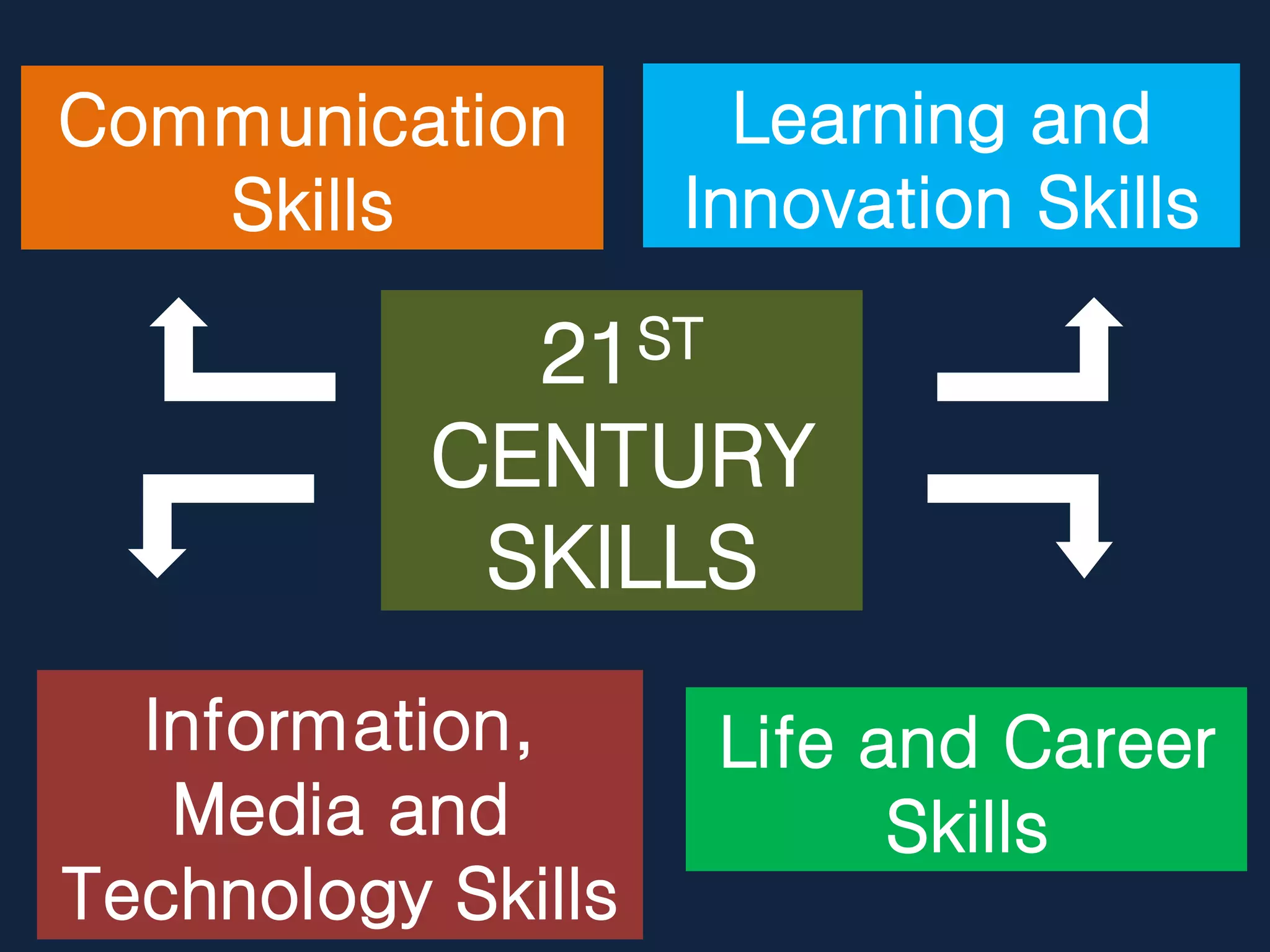
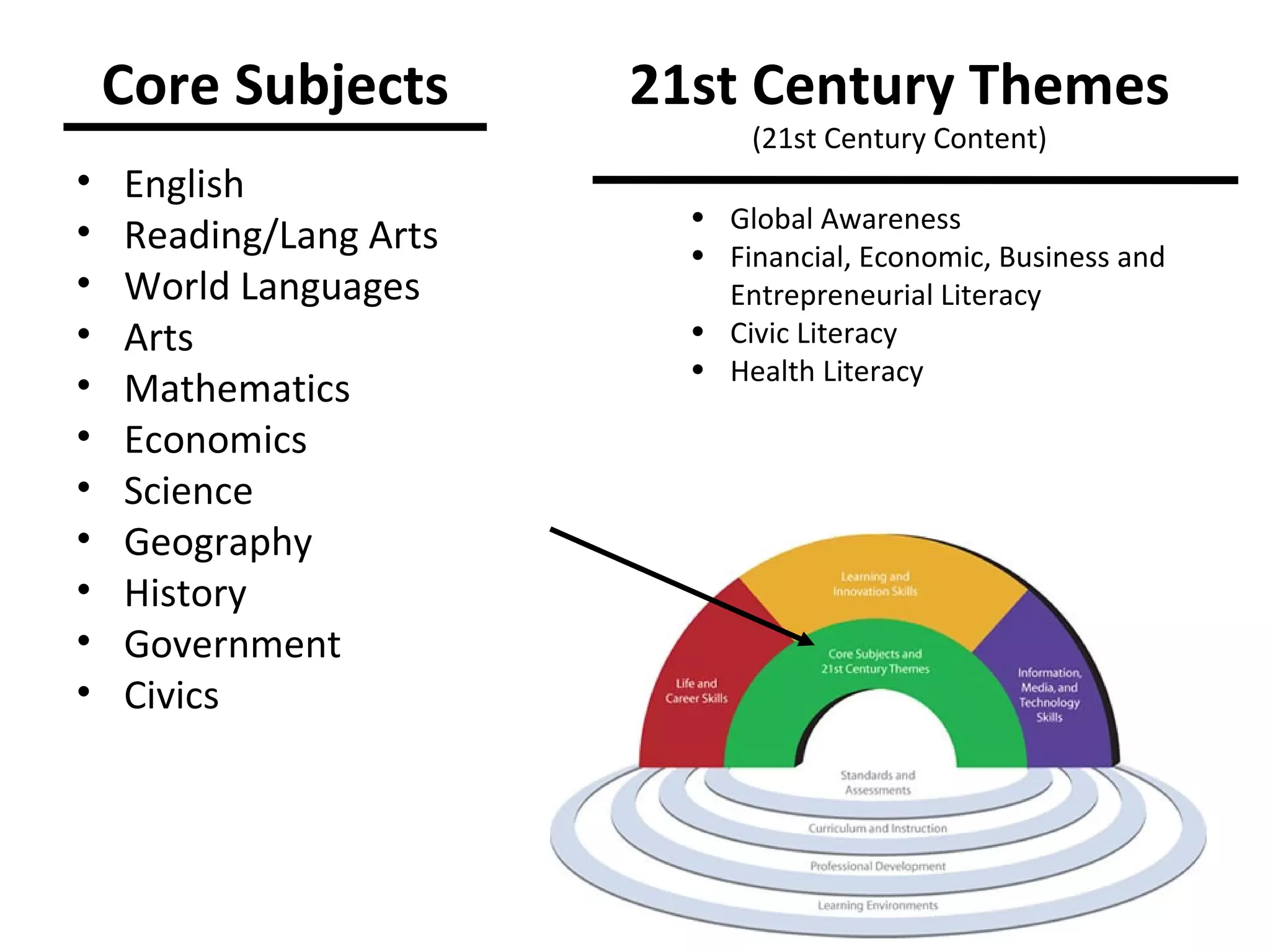
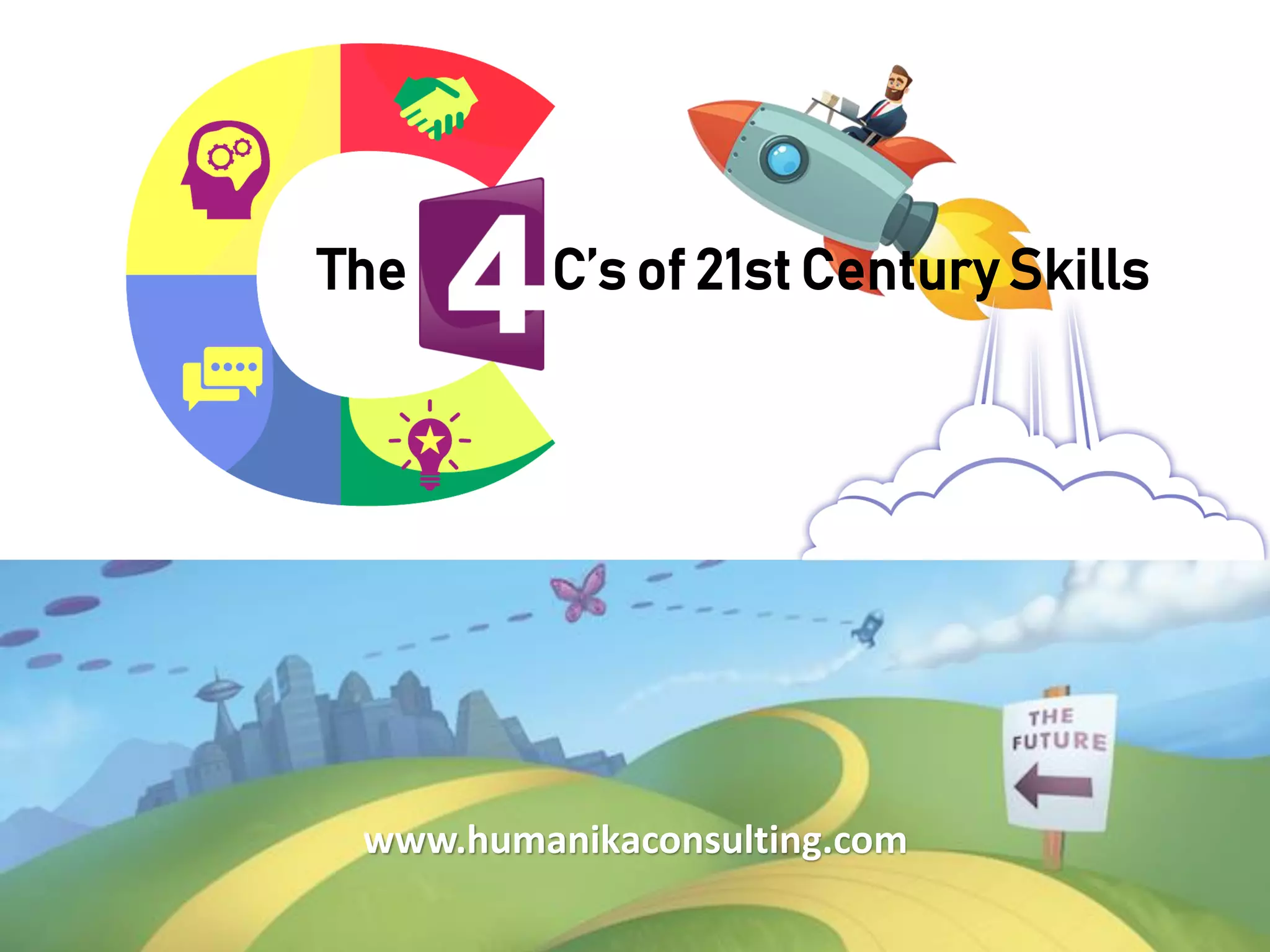
Education in the 21st century is also shifting toward lifelong learning. The pace of change is so rapid that the traditional model of "education followed by a 40-year career" is obsolete. By 2026, micro-credentialing and continuous upskilling are the norms. Success in the remaining three-quarters of the century will require adaptability, critical thinking, and the ability to collaborate with non-human intelligences.
Frequently Asked Questions
When exactly did the 21st century begin?
The 21st century began on January 1, 2001. Although many celebrated the turn of the millennium on January 1, 2000, the Gregorian calendar counts years starting from 1, meaning the first year of the new century was 2001. This century will end on December 31, 2100.
What is the most significant technological invention of the century so far?
While many point to the smartphone, the broader consensus among historians and technologists is the development of Artificial General Intelligence (AGI) frameworks and Generative AI. These technologies represent a shift from humans using tools to humans collaborating with autonomous systems that can synthesize information and create original content.
How has the global population changed since 2000?
The global population has grown from roughly 6.1 billion in 2001 to over 8.2 billion in 2026. However, the growth rate is slowing significantly in most regions. India surpassed China as the world's most populous nation in 2023, reflecting a major shift in global demographics that will influence the rest of the century.
Is the 21st century more peaceful than the 20th?
This is a matter of intense debate. While the massive "Total War" scenarios of the 20th century (WWI and WWII) have not been repeated, the 21st century has seen a rise in "hybrid warfare," cyberattacks, and protracted regional conflicts. The total number of casualties from conflict decreased in the early 2000s but has seen a troubling uptick in the 2020s due to shifts in the geopolitical order.
What is the biggest threat to humanity in the 21st century?
The World Economic Forum and other international bodies consistently rank climate change and biodiversity loss as the most severe long-term risks. Other significant threats include the potential for AI misalignment, global pandemics, and the erosion of social cohesion through digital disinformation.
Adaptive Strategies for the 2020s and Beyond
To thrive in the current landscape of 21st-century complexity, individuals and organizations must move beyond reactive problem-solving. As we stand in 2026, the primary next action for any stakeholder—whether a student, professional, or policymaker—is to build "Antifragility." This involves not just surviving disruptions but using them as a catalyst for growth.
For individuals, this means prioritizing digital literacy and psychological resilience. The ability to distinguish between verified information and AI-generated misinformation is a critical survival skill. For organizations, it means diversifying supply chains and investing in "Human-AI collaboration" rather than simple replacement. As the century progresses, the most successful entities will be those that can harmonize rapid technological advancement with the timeless requirements of human welfare and ecological balance.