The tragic loss of 21 horses in a barn fire, most notably the catastrophic incident in Plainfield, Illinois, in early 2024, underscores the extreme vulnerability of equine facilities. These fires are typically fueled by high-combustible loads like hay and bedding, often triggered by electrical failures or spontaneous combustion, leaving mere minutes for evacuation before a total loss occurs.
The Plainfield Tragedy: A Case Study in Equine Loss
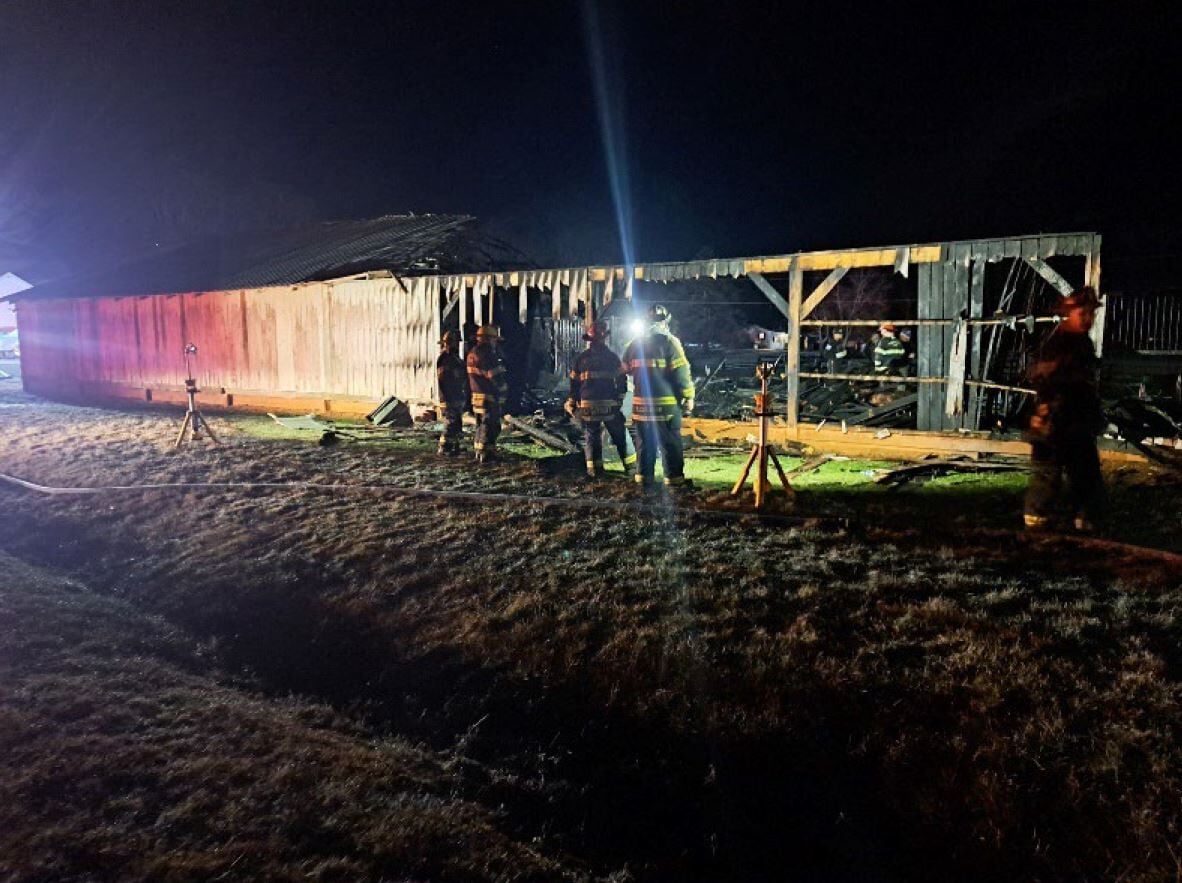
On the night of January 31, 2024, a massive fire erupted at a boarding facility in Plainfield, Illinois. By the time the Plainfield Fire Protection District arrived, the structure was fully engulfed. Despite the efforts of first responders, 21 horses perished in the blaze. This event remains one of the most significant equine tragedies in recent years, serving as a somber reminder to stable owners of how quickly a localized ignition can become a multi-casualty disaster.
The facility involved was a private boarding stable, and the speed of the fire was attributed to the massive amount of dry fuel stored within the structure. In such environments, fire does not just burn; it "races" across dust-covered rafters and through hay lofts. For the owners of the 21 horses lost, the event was a sudden, irreversible trauma. Investigations into such high-fatality fires often point to a lack of integrated sprinkler systems and the absence of 24-hour monitoring, which allowed the fire to reach a "flashover" point before it was even detected.
As we look at these events from the perspective of 2026, the Plainfield fire continues to be cited by fire safety experts as a pivotal case study. It has influenced local zoning laws and prompted many equestrian communities to reconsider their reliance on older, unmonitored structures. The primary takeaway from the verified facts of this incident is that reaction time is the single most important factor in saving lives; by the time smoke is visible from the outside, it is often too late for the animals trapped inside.
Primary Causes of Fatal Barn Fires
To prevent a recurrence of tragedies like the loss of 21 horses, it is essential to understand the "Combustion Triangle" as it applies specifically to stables. Most fatal barn fires are not the result of arson but are caused by preventable mechanical or biological failures.
Electrical Systems and Maintenance Failures
Electrical faults remain the leading cause of stable fires. In a barn environment, electrical components are subjected to unique stresses: moisture, extreme temperature fluctuations, and corrosive ammonia from animal waste. Furthermore, rodents frequently chew through wire insulation, creating "arc faults" that can ignite dust or bedding. Many older barns were never designed to handle the load of modern equipment, such as industrial fans, tank heaters, and high-intensity lighting, leading to circuit overloads.
Spontaneous Combustion of Hay
A lesser-known but equally dangerous cause is the spontaneous combustion of hay. If hay is baled with a moisture content exceeding 20%, it creates an ideal environment for mesophilic bacteria to thrive. This bacterial activity generates heat as a byproduct. Once the internal temperature of a hay stack reaches a critical threshold (typically around 150°F to 170°F), a chemical reaction occurs that can lead to internal ignition. This is particularly dangerous because the fire starts from the inside out, often remaining undetected until the entire loft is ablaze.
Heating Appliances and Human Error
The use of portable space heaters in tack rooms or the placement of submersible tank heaters in plastic water troughs significantly increases fire risks. Human error, such as smoking in or near the barn, or the improper storage of oily rags (which can also spontaneously combust), contributes to a high percentage of accidental ignitions.
Fire Detection and Suppression Technology for 2026
Modern technology has evolved to provide earlier warnings than traditional household smoke detectors, which often fail in the dusty environment of a barn. Implementing a multi-layered detection strategy is the most effective way to prevent mass casualties.
| Technology Type | Primary Function | Best Use Case | Pros/Cons |
|---|---|---|---|
| Aspirating Smoke Detection (ASD) | Draws air through pipes to a central sensor. | Large, dusty arenas and stables. | Highly sensitive; expensive to install. |
| Heat Rate-of-Rise Detectors | Triggers when temperature climbs rapidly. | Hay lofts and stall areas. | Low false-alarm rate; slower than smoke detection. |
| Linear Heat Sensing Cables | Detects heat along a wire run. | Along rafters or electrical conduits. | Durable in harsh environments; localized detection. |
| Automated Sprinkler Systems | Suppresses fire with water once triggered. | High-value boarding facilities. | Most effective at saving lives; very high cost. |
| Smart Thermal Cameras | Monitors temperature signatures 24/7. | Critical corridors and tack rooms. | Allows remote monitoring via 2026 apps; requires power/internet. |
Engineering a Fire-Resistant Stable
If you are building or renovating a facility in 2026, the focus must shift from aesthetic appeal to structural integrity and fire separation. The goal is to slow the spread of fire long enough for human intervention or animal evacuation.
Firewalls and Compartmentalization: Instead of one massive, open-air structure, modern designs utilize fire-rated partitions. By dividing a 20-stall barn into two 10-stall sections separated by a masonry firewall and self-closing fire doors, you effectively double the time available to evacuate the second half of the barn if the first half catches fire.
Material Selection: Wood is the traditional choice for barns, but it is also the most dangerous. Pressure-treated, fire-retardant lumber and steel-frame construction are becoming the standard for safety-conscious owners. Furthermore, avoiding "open-loft" hay storage is critical. Storing hay in a separate building at least 50 to 100 feet away from the main stable significantly reduces the "fuel load" available to a fire.
Ventilation and Dust Management: Dust is a major accelerant. High-efficiency particulate air (HEPA) filtration and regular cleaning of rafters are no longer optional. In 2026, many commercial stables use industrial-grade vacuums to remove fine dust from hard-to-reach areas, preventing the "fire-path" that often carries flames across a ceiling in seconds.
Emergency Evacuation Protocols
A fire plan is only as good as its execution under pressure. For facilities housing large numbers of horses, a written and practiced evacuation plan is the difference between a minor incident and a tragedy where 21 horses die.
- Stall Hardware Accessibility: All stalls should be equipped with "panic hardware"—latches that can be operated easily with one hand or even in the dark.
- Halters and Leads: A leather halter and lead rope must be hung on every stall door. Nylon halters should be avoided in fire scenarios as they can melt onto the horse's skin.
- Designated Safe Zones: Establish a fenced "sacrifice paddock" far away from the barn where horses can be released quickly. Do not assume horses will stay away from a burning barn; their instinct is often to return to their "safe" stall.
- First Responder Integration: Ensure the local fire department has a map of your facility, including the location of water sources (hydrants or ponds) and the number of animals on-site.
Legal, Regulatory, and Insurance Standards in 2026
The landscape of equine insurance has shifted significantly following the high-profile losses of the early 2020s. In 2026, insurance providers are increasingly requiring "Risk Mitigation Audits" before issuing or renewing policies for boarding stables.
Facilities that lack monitored fire alarms or that store hay directly above stalls may face significantly higher premiums or even a denial of coverage. According to the National Fire Protection Association (NFPA) 150, which governs fire and life safety in animal housing, there are specific requirements for "Animal Care Categories." Stables are now being held to higher standards of "Life Safety" comparable to human residential buildings in some jurisdictions.
Owners should also be aware of potential liability. If a fire is found to be the result of "gross negligence"—such as known faulty wiring that was never repaired—the stable owner may be held legally responsible for the value of the horses lost and the emotional distress of the clients.
Why are barn fires more lethal than typical residential fires?
Barns contain a massive "fuel load" consisting of dry hay, straw bedding, and wooden structures, all of which are highly flammable. Additionally, the open-concept architecture of many barns allows oxygen to feed the flames freely, leading to a much faster "burn rate" than in a compartmentalized house.
Can horses be trained to evacuate during a fire?
While you cannot "fire-train" a horse in the traditional sense, you can desensitize them to the sounds of sirens, the smell of smoke, and the sight of flashing lights. Regular "fire drills" where horses are moved quickly to the safe zone help create muscle memory for both the handlers and the animals.
Is spontaneous hay combustion a real threat in 2026?
Yes, spontaneous combustion remains a primary threat. It is caused by a biological process where moisture in the hay allows bacteria to grow, generating heat. Stable owners should use moisture probes to ensure hay is below 150°F (65°C) and has a moisture content under 15-18% before stacking.
How often should barn electrical systems be inspected?
Professional inspections should be conducted at least once every two years. However, a "walk-through" by the owner should happen monthly to check for frayed wires, dust buildup in outlets, and evidence of rodent damage. In 2026, many owners also use infrared thermometers to check for "hot spots" in breaker panels.
Implementing a "Zero-Failure" Safety Audit
To ensure your facility never experiences a tragedy on the scale of the Plainfield fire, you must move beyond basic compliance and into proactive risk management. Start by conducting a "Zero-Failure" audit: remove all non-essential electrical items, relocate hay storage to a separate structure, and install a monitored heat-detection system that alerts your smartphone and local emergency services simultaneously. Fire prevention is not a one-time setup; it is a daily commitment to maintenance, cleanliness, and vigilance. By treating fire safety as an integral part of equine husbandry, owners can provide the protection these animals deserve.