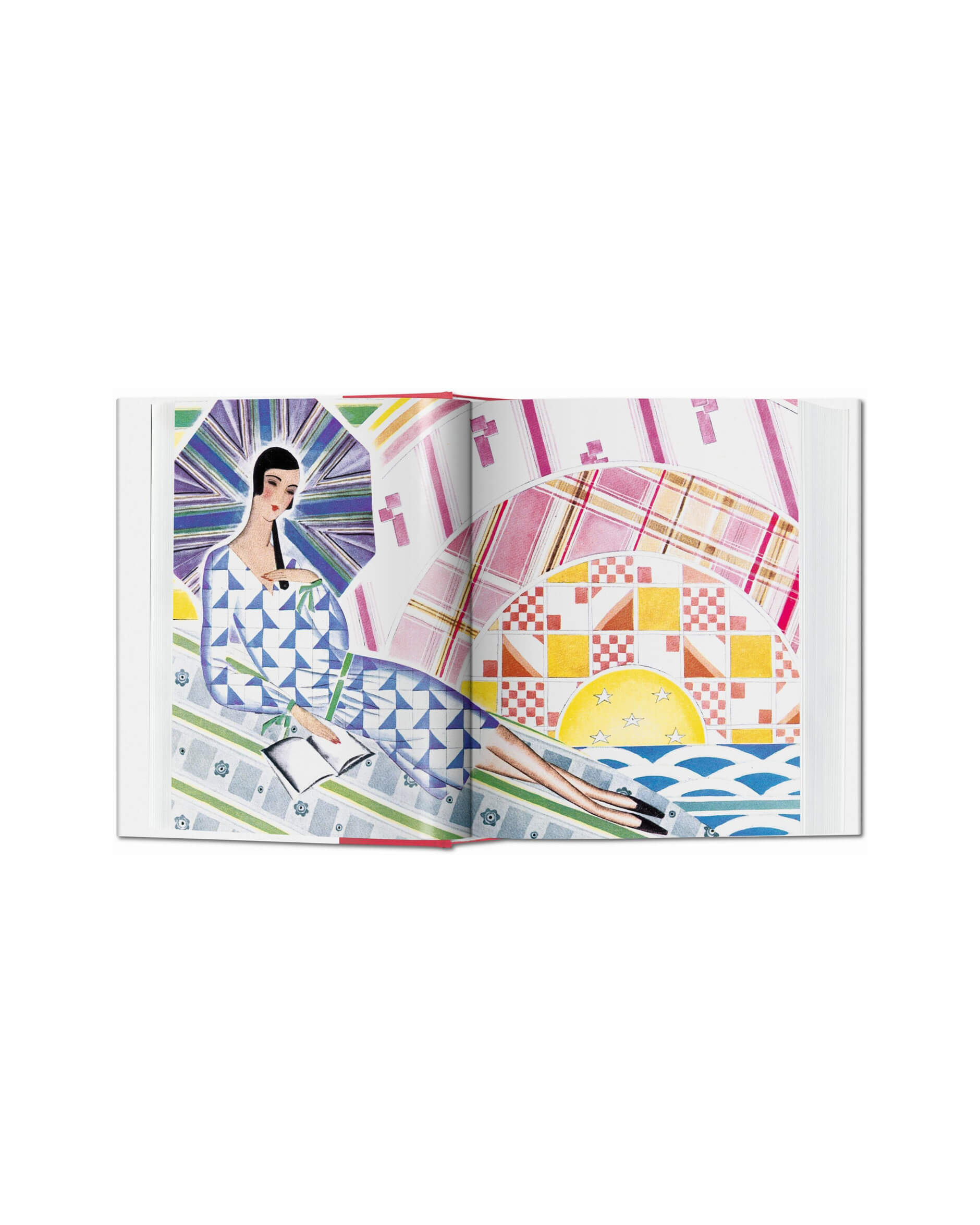
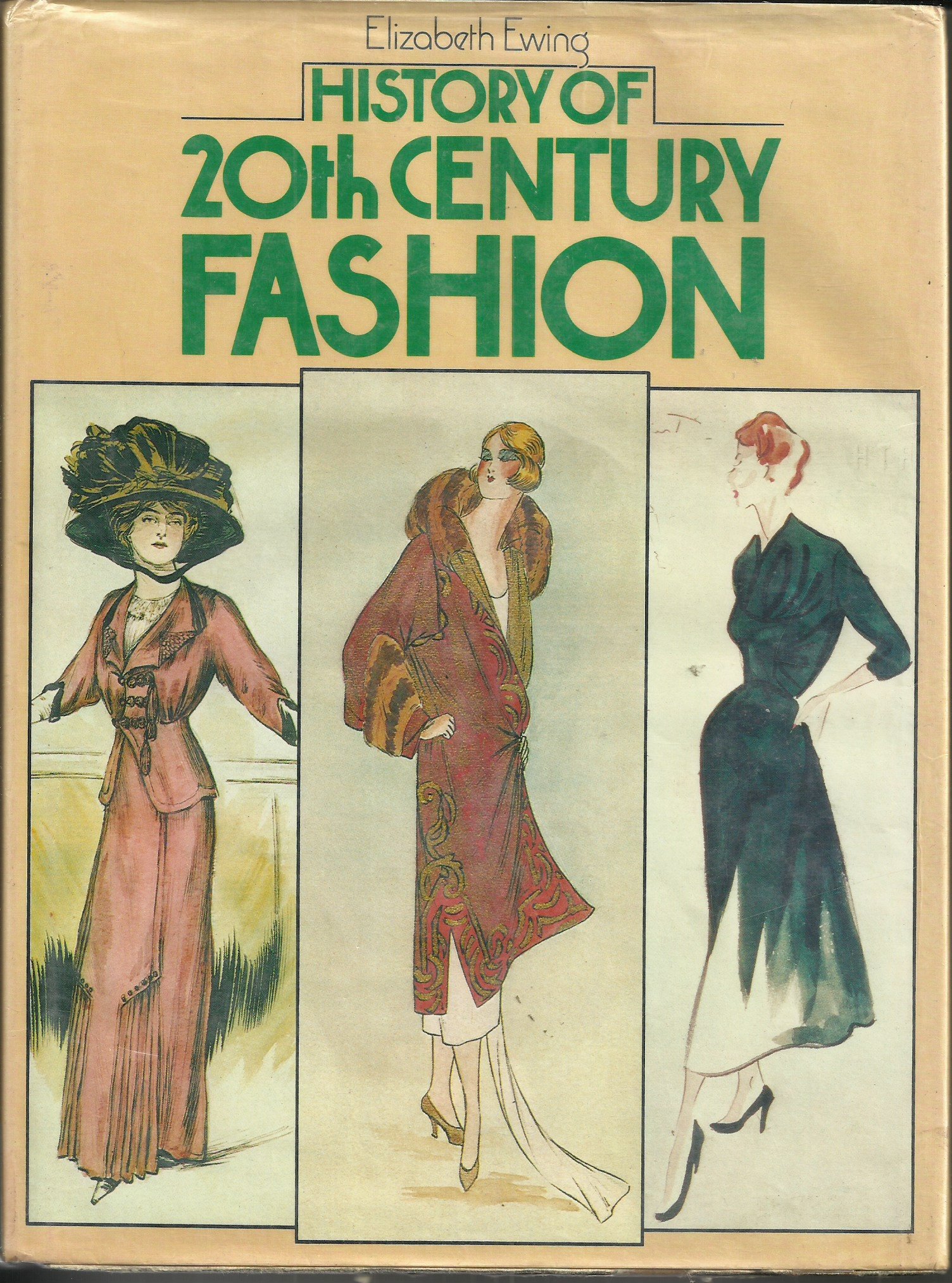
20th-century fashion is a chronological record of social, political, and technological upheaval, transitioning from the restrictive, structured silhouettes of the Victorian era to the expressive, mass-produced diversity of the 1990s. It represents a shift from elite-driven haute couture to democratized street style and globalized ready-to-wear industries.
The Dawn of Modernity: 1900–1919
The beginning of the century was marked by the Belle Époque, an era characterized by luxury and the "S-bend" corset, which pushed the chest forward and the hips back to create a literal "S" shape. This was the era of the Gibson Girl, representing an idealized femininity that was elegant yet slightly more active than its Victorian predecessor. However, the rigidity of this period was short-lived.
By 1908, designer Paul Poiret revolutionized women’s clothing by introducing the high-waisted Directoire style and, more importantly, advocating for the removal of the corset. His designs drew inspiration from Orientalism and the Ballets Russes, featuring vibrant colors and "hobble skirts" that were wide at the hips but narrow at the ankles.
The onset of World War I (1914–1918) served as the primary catalyst for practical change. As men went to the front, women entered the workforce in unprecedented numbers, requiring clothing that allowed for movement. Hemlines rose to just above the ankle, and the "utility" of fashion became a necessity. The use of trench coats—originally designed by Burberry and Aquascutum for soldiers—began its journey into civilian wardrobes, cementing the link between military functionality and modern style.
The Roaring Twenties and the Great Depression: 1920–1939
The 1920s represented the first true "youthquake." The "Flapper" style emerged, characterized by dropped waists, bobbed hair, and sleeveless chemise dresses. This silhouette sought to downplay traditional feminine curves in favor of a "garçonne" (boyish) look, mirroring the newfound freedoms women gained, including the right to vote. Coco Chanel became the era's most influential figure, introducing the Little Black Dress in 1926 and popularizing the use of jersey fabric, which had previously been reserved for men's underwear.
When the stock market crashed in 1929, the exuberance of the Jazz Age was replaced by the tempered elegance of the 1930s. Fashion returned to a more feminine, elongated silhouette. The most significant technical advancement of this decade was the bias cut, pioneered by Madeleine Vionnet. By cutting fabric at a 45-degree angle to the grain, she created dresses that draped fluidly over the body’s natural curves without the need for complex tailoring.
Hollywood also became a dominant force during the 1930s. Escapism was sought through the silver screen, and designers like Gilbert Adrian created gowns for stars like Greta Garbo and Marlene Dietrich that influenced global retail trends. While the elite wore silk and fur, the average woman turned to home sewing and cheaper synthetic materials like rayon to maintain a sense of style during the Depression.
Wartime Austerity and the "New Look": 1940–1959
World War II brought extreme restrictions to the fashion industry. In the United Kingdom, the Utility Clothing Scheme (CC41) regulated the amount of fabric, buttons, and pleats allowed in a single garment. In the United States, the L-85 regulations imposed similar constraints to conserve wool and silk for parachutes and uniforms. This resulted in sharp, tailored suits with padded shoulders and knee-length skirts—a silhouette that was functional and stern.
In 1947, Christian Dior shattered this austerity with his debut collection, dubbed the "New Look" by Harper’s Bazaar. Dior reintroduced the corseted waist and incredibly full, calf-length skirts, sometimes using up to 20 yards of fabric for a single dress. This was a deliberate return to opulence and a rejection of wartime deprivation, though it was initially criticized for being wasteful.
The 1950s solidified the "Golden Age of Couture" with designers like Cristóbal Balenciaga and Hubert de Givenchy defining high fashion. Simultaneously, the concept of the "teenager" emerged as a distinct consumer group. Influenced by Rock 'n' Roll and film icons like James Dean and Marilyn Monroe, young people began wearing denim jeans, leather jackets, and "poodle skirts," marking the first time fashion trends moved from the bottom of the social hierarchy upward.
Revolution, Subculture, and the 1960s–1970s
The 1960s was a decade of radical departure from tradition. London replaced Paris as the center of the fashion world, driven by the "Youthquake" movement. Mary Quant is widely credited with popularizing the miniskirt, a garment that became the ultimate symbol of female liberation and the sexual revolution. At the same time, the "Space Age" aesthetic took hold, with designers like André Courrèges and Pierre Cardin using vinyl, plastic, and metallic fabrics to create futuristic, geometric silhouettes.
As the 1970s dawned, fashion became increasingly fragmented into subcultures. The hippie movement introduced "flower power," bell-bottom jeans, and ethnic-inspired prints, reflecting a rejection of consumerism. Conversely, the mid-70s saw the rise of Disco, characterized by synthetic materials like polyester and the iconic wrap dress by Diane von Furstenberg.
By the late 1970s, the Punk movement, led by Vivienne Westwood and Malcolm McLaren, used fashion as a form of political protest. Safety pins, ripped fabric, and tartan became symbols of a "Do It Yourself" (DIY) ethos that challenged the polished look of traditional fashion houses. This decade proved that fashion was no longer just about beauty; it was a medium for identity and rebellion.
Power Dressing, Minimalism, and the Rise of Global Brands: 1980–1999
The 1980s was an era of "more is more." Economic prosperity in the West led to the rise of the "Yuppie" (Young Urban Professional) and the concept of Power Dressing. Women entering high-level corporate roles used broad shoulder pads and structured suits—pioneered by designers like Giorgio Armani—to command authority in male-dominated environments. This was also the decade of "designer labels"; brands like Calvin Klein and Ralph Lauren became status symbols.
Athleticism also influenced the 80s, with the aerobics craze bringing spandex, leggings, and leg warmers into everyday wardrobes. The influence of hip-hop culture began to permeate mainstream fashion, introducing oversized silhouettes and luxury sportswear.
The 1990s acted as a "hangover" from the excesses of the 80s. Fashion pivoted toward Minimalism, led by Helmut Lang and Prada, focusing on clean lines and neutral palettes. However, the decade is perhaps best remembered for Grunge. Inspired by the Seattle music scene and popularized on the runway by Marc Jacobs for Perry Ellis, grunge embraced flannel shirts, combat boots, and a "carelessly unkempt" look.
As we look back from the perspective of 2026, the 1990s also marked the beginning of the "Supermodel" era and the rise of "Fast Fashion" giants like Zara and H&M, which would eventually transform the industry into the high-speed, globalized entity it is today.
Evolution of 20th Century Fashion Milestones
The following table summarizes the defining shifts in silhouette and the primary cultural drivers that dictated fashion throughout the century.
| Decade | Key Silhouette | Defining Trend/Movement | Influential Designer(s) | Cultural Driver |
|---|---|---|---|---|
| 1900s | S-Bend / Hourglass | Belle Époque Elegance | Paul Poiret, House of Worth | Industrial Revolution Wealth |
| 1920s | Tubular / Drop-Waist | The Flapper Look | Coco Chanel, Jean Patou | Women's Suffrage / Jazz Age |
| 1940s | Boxy / Hourglass | Utility vs. The New Look | Christian Dior, Claire McCardell | WWII Rationing & Recovery |
| 1960s | A-Line / Geometric | The Miniskirt / Space Age | Mary Quant, Pierre Cardin | Youth Rebellion / Moon Landing |
| 1970s | Fluid / Flared | Disco & Punk | Vivienne Westwood, DVF | Social Activism / Subcultures |
| 1980s | Inverted Triangle | Power Dressing / Logomania | Giorgio Armani, Gianni Versace | Corporate Ambition / MTV |
| 1990s | Slip / Oversized | Minimalism & Grunge | Calvin Klein, Alexander McQueen | Post-Cold War Realism |
The Technological Drivers of Change
Beyond aesthetics, the 20th century was defined by technical innovations that changed how clothes were made and sold. The transition from Haute Couture (custom-made) to Prêt-à-Porter (ready-to-wear) was perhaps the most significant shift. In the early 1900s, almost all quality clothing was made to order. By the 1960s, even the most prestigious French houses had launched ready-to-wear lines to survive.
- Synthetic Fibers: The invention of Nylon (1935), Polyester (1941), and Lycra (1958) revolutionized garment durability, stretch, and cost. These materials allowed for the creation of everything from indestructible stockings to the body-con dresses of the 1980s.
- The Zipper: While invented earlier, the zipper became a standard garment closure in the 1930s, replacing tedious buttons and hooks, and allowing for faster dressing.
- Mass Media: The shift from fashion illustrations to high-quality photography in magazines like Vogue and Harper’s Bazaar—and later the broadcast of runway shows on television—meant that trends could spread globally in weeks rather than years.
Frequently Asked Questions
What was the most significant change in 20th-century fashion?
The most significant change was the democratization of style. At the start of the century, fashion was dictated by the elite and the French couture houses. By the end of the century, trends were frequently born in street subcultures (like Punk or Hip-Hop) and mirrored by designers, while mass-production made stylish clothing accessible to almost every socioeconomic class.
Why did corsets go out of fashion in the early 1900s?
The abandonment of the corset was driven by a combination of health concerns, the influence of designers like Paul Poiret who favored draped silhouettes, and the practical demands of World War I. As women took on active roles in factories and hospitals, the restrictive Victorian corset became physically impossible to wear for labor.
How did World War II affect fashion?
World War II led to "Utility" fashion. Governments in the UK and US-enforced strict fabric rationing, which resulted in shorter hemlines, fewer pockets, and the removal of decorative features like silk trimmings or wide pleats. This created a tailored, masculine silhouette that influenced women's suits for decades.
Who were the "Big Three" designers of the mid-20th century?
While many were influential, Christian Dior, Cristóbal Balenciaga, and Coco Chanel are often cited as the trio that defined the mid-century aesthetic. Dior provided the silhouette, Balenciaga the architectural structure, and Chanel the movement toward casual, modern elegance.
When did jeans become popular in mainstream fashion?
Denim jeans transitioned from workwear to fashion in the 1950s, largely due to "rebel" cinema icons like James Dean in Rebel Without a Cause. However, it wasn't until the 1970s and 80s that "designer jeans" (like those from Gloria Vanderbilt or Calvin Klein) made denim a high-fashion staple.
Building a Historical Fashion Foundation
To truly understand or collect 20th-century fashion in 2026, one must look beyond the aesthetic and study the labels and construction methods. For those interested in vintage archiving, start by identifying the International Ladies' Garment Workers' Union (ILGWU) labels, which can help date American-made pieces between the 1930s and 1990s. Understanding the history of fabric—specifically the feel of early rayons versus modern polyesters—is essential for verifying the authenticity of historical pieces. Whether you are a student of design or a collector, 20th-century fashion serves as the ultimate blueprint for the contemporary wardrobe.