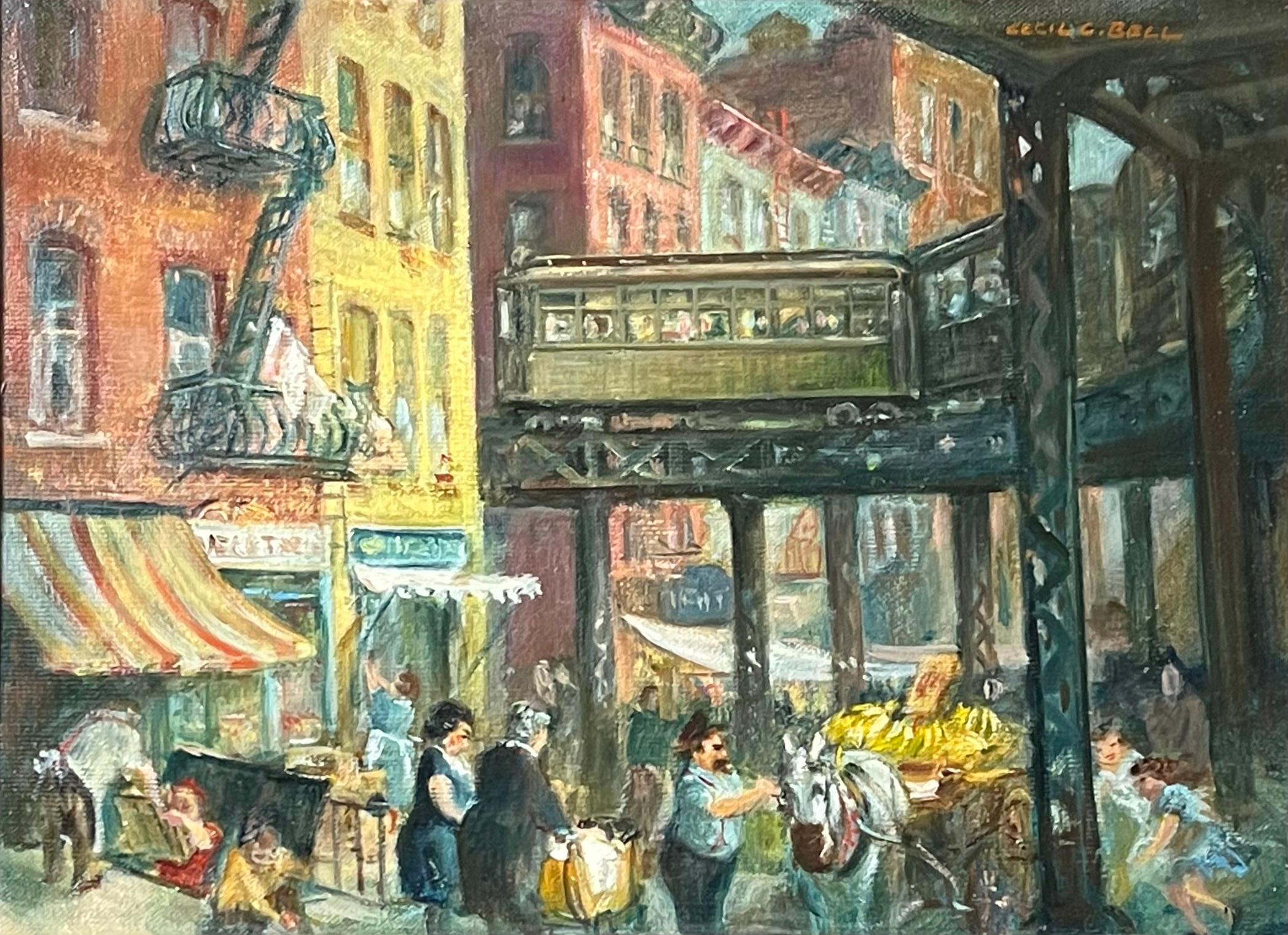
20th-century America refers to the transformative period between 1901 and 2000, during which the United States evolved from a burgeoning industrial nation with isolationist tendencies into the world’s leading economic, military, and cultural superpower. This era was defined by rapid technological innovation, two World Wars, significant civil rights advancements, and the transition to an information-based economy.
The 20th century remains the most studied era of American history because its developments—from the expansion of federal power to the birth of the digital age—directly dictate the legal, social, and economic frameworks of the present day. Understanding this century requires an analysis of how the nation navigated internal social friction while asserting its influence on the global stage.
The Progressive Era and the Birth of Modern Governance (1900–1920)
At the turn of the century, the United States was grappling with the consequences of the Gilded Age’s rapid industrialization. The Progressive Era emerged as a direct response to urban poverty, unsafe working conditions, and the overwhelming power of corporate monopolies. Under the leadership of Presidents Theodore Roosevelt, William Howard Taft, and Woodrow Wilson, the federal government began to take a more active role in regulating the economy and protecting public interests.
Key reforms during this period included the Sherman Antitrust Act enforcement, the creation of the Food and Drug Administration (FDA), and the establishment of the Federal Reserve System in 1913. These movements weren't just about economics; they also sought to expand democracy. The ratification of the 19th Amendment in 1920, granting women the right to vote, represented a monumental shift in the American social contract, even as racial segregation under Jim Crow laws remained a devastating reality in the South.
The era’s conclusion was marked by America’s entry into World War I in 1917. Although the U.S. initially sought neutrality, the conflict forced the nation to mobilize its industrial might for global warfare. This mobilization not only solidified the U.S. as a primary creditor to the world but also set the stage for the country's emergence from isolationism, despite the Senate's eventual rejection of the League of Nations.
Economic Extremes: The Roaring Twenties and the Great Depression
The 1920s, often called the "Roaring Twenties," were characterized by an explosion of consumer culture and technological adoption. The mass production of the automobile, pioneered by Henry Ford, revolutionized American geography and labor. Radios and motion pictures created a unified national culture for the first time, while the Harlem Renaissance showcased the profound depth of African American intellectual and artistic life.
However, this prosperity was built on shaky foundations of speculative credit and agricultural instability. The Stock Market Crash of 1929 served as the catalyst for the Great Depression, the most severe economic downturn in the industrialized world. By 1933, unemployment reached nearly 25%, and the banking system faced total collapse.
In response, President Franklin D. Roosevelt’s New Deal fundamentally redefined the relationship between the citizen and the state. Programs like the Social Security Act of 1935 and the Works Progress Administration (WPA) established a social safety net that had never before existed in the U.S. While the New Deal did not fully end the Depression—that would require the industrial demands of the next war—it prevented a total social revolution and established the modern regulatory state.
Global Superpower: World War II and the Early Cold War
The United States' entry into World War II following the attack on Pearl Harbor in 1941 transformed the nation into the "Arsenal of Democracy." The war effort necessitated an unprecedented level of national cooperation, bringing millions of women into the workforce (symbolized by Rosie the Riveter) and accelerating the migration of African Americans to industrial centers in the North and West.
The conclusion of the war in 1945 saw the United States as the only major industrial power with its infrastructure intact. The subsequent implementation of the Marshall Plan helped rebuild Western Europe and established the U.S. as the leader of the democratic West against the rising influence of the Soviet Union. This sparked the Cold War, a multi-decade geopolitical struggle that influenced every aspect of American life, from foreign policy to domestic education and science funding.
Domestically, the post-war era saw the rise of the "American Dream" fueled by the G.I. Bill, which provided veterans with low-cost mortgages and college tuitions. This led to the rapid growth of suburbia and a massive baby boom, creating a middle class that became the envy of the world. However, this prosperity was not equally distributed, as systemic "redlining" and segregationist policies often excluded minority veterans from these benefits.
The Struggle for Civil Rights and Social Upheaval (1954–1975)
The mid-20th century was defined by a profound moral and legal struggle for equality. The Civil Rights Movement, sparked by the 1954 Brown v. Board of Education decision, challenged the "separate but equal" doctrine that had governed American life for half a century. Under the leadership of figures like Dr. Martin Luther King Jr., the movement utilized nonviolent protest and civil disobedience to secure the Civil Rights Act of 1964 and the Voting Rights Act of 1965.
The 1960s also ushered in a broader era of social upheaval. The "Great Society" programs under President Lyndon B. Johnson sought to eliminate poverty and racial injustice through the creation of Medicare and Medicaid. Simultaneously, the nation was deeply divided over the Vietnam War. The conflict, which was the first "televised war," led to widespread domestic protests, a rise in counterculture movements, and a growing distrust of government institutions.
This period of transition also saw the rise of second-wave feminism, the Chicano Movement, and the LGBTQ+ rights movement following the Stonewall Uprising in 1969. These movements fundamentally altered American social norms, questioning traditional hierarchies and demanding a more inclusive definition of "We the People."
Comparison of Key Eras in 20th Century America
| Era | Primary Economic Driver | Defining Conflict/Event | Major Legislative Milestone |
|---|---|---|---|
| Progressive Era (1900-1920) | Industrial Expansion | World War I | 19th Amendment (Women's Suffrage) |
| Interwar Period (1920-1939) | Consumer Goods & Credit | The Great Depression | Social Security Act of 1935 |
| Post-War Boom (1945-1960) | Manufacturing & Housing | The Cold War | The G.I. Bill |
| Civil Rights Era (1960-1975) | Service & Government | Vietnam War | Civil Rights Act of 1964 |
| Information Age (1980-2000) | Technology & Finance | Fall of the Soviet Union | Americans with Disabilities Act (ADA) |
The Information Age and the End of the Century (1980–2000)
The final two decades of the 20th century were marked by a shift toward conservatism in politics and a revolution in technology. The presidency of Ronald Reagan in the 1980s emphasized deregulation, tax cuts, and a significant increase in military spending, which many historians argue contributed to the eventual collapse of the Soviet Union in 1991.
As the Cold War ended, the United States entered the 1990s as the world's sole remaining superpower. This decade was characterized by globalization and the rapid adoption of the personal computer and the internet. Companies like Microsoft and Apple transitioned from niche startups to global titans, fundamentally changing how Americans communicated, worked, and consumed information.
The century closed with a period of economic expansion and the first steps into the "Digital Frontier." However, the era also faced new challenges, including rising income inequality and the emergence of non-state actors in global conflict, as evidenced by the first World Trade Center bombing in 1993. The 20th century ended with the U.S. as a diverse, technologically advanced, and globally dominant nation, yet one still grappling with the internal divisions that had defined its past hundred years.
Frequently Asked Questions
What was the most significant event of 20th-century America?
While subjective, many historians point to World War II as the most significant event. It ended the Great Depression through massive federal spending, established the United States as a global superpower, and initiated the technological and social shifts (such as the Civil Rights Movement) that would dominate the latter half of the century. It fundamentally changed America’s role from an isolated participant in global affairs to the leader of the international order.
How did the role of the federal government change during the 1900s?
The federal government underwent a massive expansion in scope and power. At the start of the century, the government was relatively small with limited involvement in the lives of citizens. Through the New Deal and the Great Society, the government took on the roles of economic regulator, social safety net provider, and protector of civil rights. This shift created the modern administrative state that governs contemporary American life.
Why was the 20th century called the "American Century"?
The term, coined by publisher Henry Luce in 1941, refers to the period's dominance by American political, economic, and cultural influence. Throughout the 1900s, the U.S. became the world’s largest economy, its primary military power, and the leading exporter of culture through Hollywood, jazz, rock and roll, and eventually the internet. This global hegemony defined the international landscape for most of the century.
What were the primary social movements of the 20th century?
The major movements included the Suffrage Movement (securing the vote for women), the Civil Rights Movement (dismantling legal segregation), the Labor Movement (securing worker protections and the 40-hour workweek), the Environmental Movement (leading to the EPA), and the LGBTQ+ Rights Movement. Each of these successfully challenged existing laws and social norms to expand the rights and protections afforded to different groups of Americans.
How did the US economy change from 1900 to 2000?
The economy transitioned through three distinct phases: the Industrial Age, dominated by steel and rail; the Consumer Age, driven by automobiles and household appliances; and the Information Age, characterized by telecommunications and computing. By the end of the century, the U.S. had moved from a predominantly manufacturing-based economy to a service- and technology-oriented one, integrated into a complex global supply chain.
Engaging with 20th Century History Today
To fully grasp the complexities of 20th-century America, researchers and students should look beyond general textbooks and engage with primary source archives. Organizations such as the Library of Congress and the National Archives provide digitized access to millions of documents, photographs, and recordings that capture the lived experience of the era.
For those interested in the legal and social evolution of the period, visiting the National Constitution Center or the Smithsonian National Museum of American History provides invaluable context on how the nation’s founding documents were reinterpreted to meet the challenges of a modern world. As we navigate the complexities of 2026, the lessons of the 20th century—especially those regarding economic resilience and the ongoing pursuit of social justice—remain more relevant than ever.