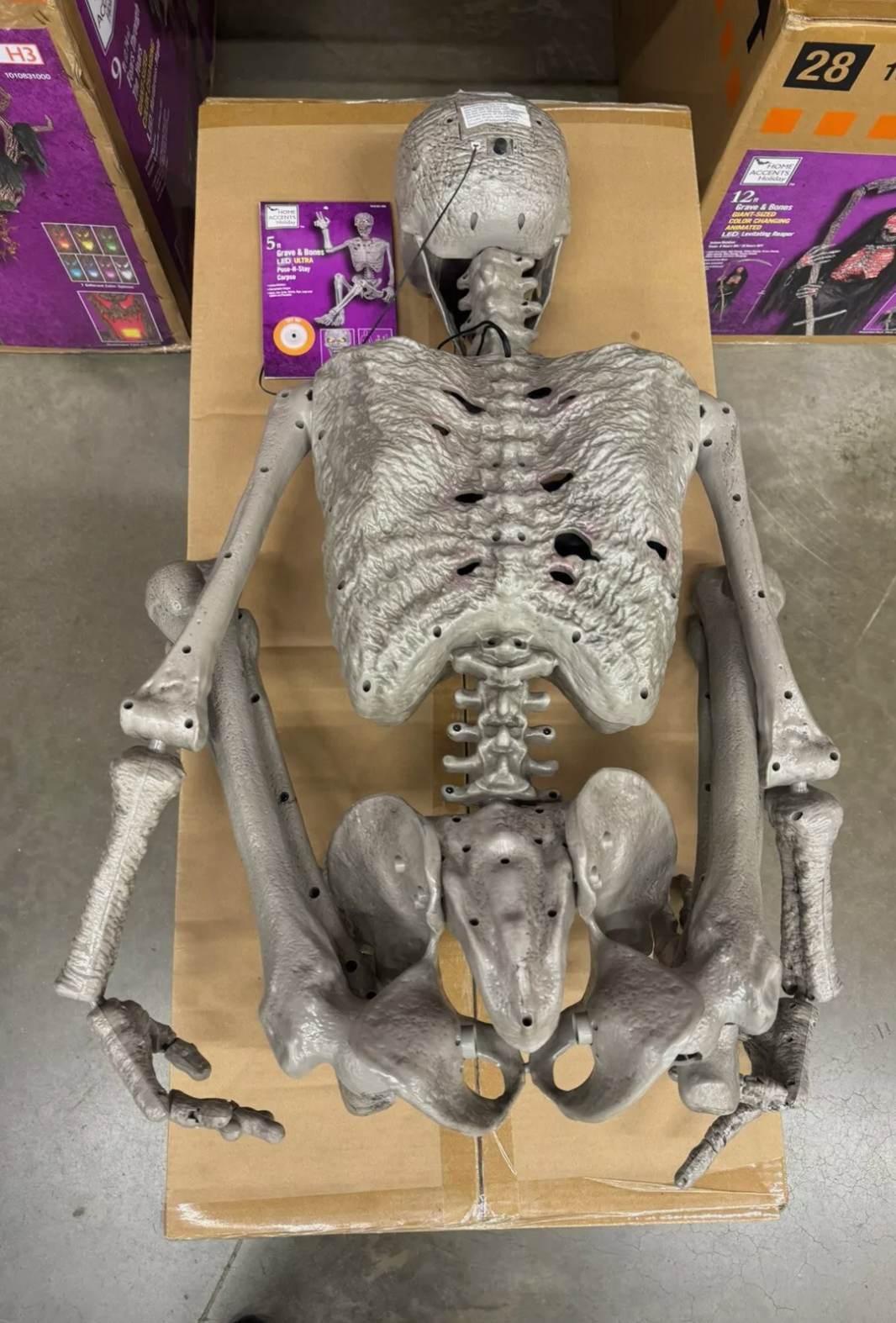
To achieve a 20ft skeleton display using Home Depot resources affordably, you must focus on structural reinforcement and DIY scaling. By utilizing the 12ft skeleton as a base and extending the height with PVC or EMT conduit, or by opting for massive 20ft inflatable versions, you can create a towering presence. Use budget-friendly weatherproofing, thrifted fabrics for costuming, and low-voltage LED wash lights to maximize visual impact without exceeding a standard holiday budget.
The Evolution of the Giant Skeleton Craze
As we move into the 2026 Halloween season, the "giant-sized" decor trend has shifted from novelty to a neighborhood standard. While the 12-foot skeleton (famously known as "Skelly") revolutionized yard haunting in the early 2020s, the demand for even greater height has led enthusiasts to aim for the 20-foot mark. Achieving this scale requires a transition from simple consumer-grade plastic props to semi-professional structural engineering.
Home Depot remains the primary source for these massive entities, whether through their seasonal releases of oversized animatronics or the raw materials found in the plumbing and electrical aisles. A 20ft skeleton is not just a decoration; it is a structural installation that must withstand wind loads, precipitation, and the weight of its own internal lighting and motors.
To keep costs low, decorators are increasingly moving away from purchasing multiple pre-built statues and instead focusing on "hacking" existing props. By using the skeleton's modular nature, DIYers can extend limbs, elevate the torso on custom-built bases (like "graveyard mounds"), or integrate the 20ft inflatable variants with rigid structural supports to give them a more realistic, skeletal posture.
Structural Integrity and Safety at 20 Feet
When a prop reaches 20 feet in height, safety becomes the primary concern. A structure of this size acts as a giant sail in high winds, which can lead to property damage or injury if not anchored correctly. For those using the 20ft inflatable skeleton options available at Home Depot, the challenge is maintaining the shape; for those DIY-ing a rigid 20ft frame, the challenge is gravity.
Anchoring Systems and Ballast
The standard base included with most giant props is insufficient for 20ft heights in open yards. To keep your display "cheap" yet safe, utilize rebar stakes and earth anchors from the garden department. Driving 24-inch rebar at 45-degree angles into the ground and securing the skeleton’s feet with heavy-duty zip ties is a cost-effective alternative to expensive commercial rigging.
If you are building on a driveway or hard surface, DIY ballast is essential. Instead of buying designer sandbags, purchase 50lb bags of all-purpose sand or pea gravel from Home Depot’s masonry aisle. These can be hidden inside "coffins" or under "rotting leaves" at the base of the skeleton to provide several hundred pounds of stabilizing weight for less than $30.
Wind Load Management
Wind is the enemy of the 20ft skeleton. If you are modifying a 12ft Skelly to reach 20ft—perhaps by placing it on a 8ft platform—you must ensure the center of gravity remains low. Using EMT conduit (Electrical Metallic Tubing) to create an internal "spine" that extends from the base into the skull provides the necessary rigidity. This prevents the plastic joints from snapping under the lateral pressure of October gusts.
DIY Tips for Scaling and Customizing on a Budget
Creating a 20ft masterpiece doesn't require a four-figure investment. The most successful "haunters" in 2026 focus on high-volume, low-cost materials to bridge the gap between retail products and custom builds.
Extending the Height with Scenery
One of the smartest DIY tips for reaching 20 feet without buying a specialized 20ft rigid skeleton is the use of forced perspective and platforms. By building a 6ft to 8ft "pedestal" made of scrap pallets or 2x4 lumber, you can place a standard giant-sized skeleton on top. Cover the pedestal with "creepy cloth" or spray-painted insulation foam to make it look like a mountain of skulls or a jagged rock. This adds the necessary height while keeping the expensive plastic prop at a manageable center of gravity.
Corpse-ing and Skin Texturing
To make a cheap plastic skeleton look like a premium 20ft monstrosity, use the plastic wrap and heat gun technique. Wrap the bones in industrial-strength plastic stretch film (found in the shipping supply aisle), then lightly melt it with a heat gun. Once melted, apply a cheap wood stain like Minwax "Early American." This creates a "corpsed" look that adds incredible detail and realism for just a few dollars in materials.
Cheap Costuming Solutions
A 20ft skeleton requires a massive amount of fabric if you want it clothed. Instead of buying retail fabric, which can be expensive, head to the paint department for canvas drop cloths. These are durable, weather-resistant, and take dye exceptionally well. Soaking a drop cloth in a bucket of black tea or diluted gray paint creates an "ancient shroud" look that fits the scale of a 20ft giant perfectly.
Lighting and Visual Effects for Large-Scale Props
Proper lighting is the difference between a 20ft skeleton that disappears into the night and one that dominates the neighborhood. Because of the height, traditional ground-level spotlights may create unwanted shadows or miss the skull entirely.
- LED Wash Lighting: Use RGB LED floodlights with remote controls. Placing one light at the base pointing upward (uplighting) and another further back to wash the entire frame in a deep purple or green creates a cinematic effect.
- Internal Glow: For DIY 20ft builds using PVC frames and fabric, placing LED rope lights inside the ribcage creates an ethereal glow. In 2026, many decorators are using solar-powered LED strings to avoid running extension cords across the lawn.
- Reflective Accents: Applying a small amount of reflective tape or UV-reactive paint to the joints and eye sockets can make the skeleton pop when hit by blacklights, which is a very affordable way to add "life" to the prop.
Comparison of 20ft Skeleton Options and DIY Builds
The following table compares the different ways to achieve a 20ft display using Home Depot materials in 2026.
| Feature | 20ft Inflatable Skeleton | 12ft Skelly + 8ft DIY Base | Custom PVC/Conduit Build |
|---|---|---|---|
| Initial Cost | $199 - $299 | $299 (Skelly) + $50 (Base) | $150 - $250 |
| Setup Time | 15 Minutes | 2 - 3 Hours | 10+ Hours |
| Durability | Moderate (Tear risk) | High | Very High |
| Storage Size | Small Box | Large Tote + Base Materials | Disassembled Bundles |
| Visual Realism | Low to Moderate | Very High | Custom/Artistic |
| Wind Resistance | Low (Needs guy-wires) | Moderate | High (If anchored) |
Maintenance and Long-Term Storage
The massive scale of these props presents a storage challenge. A 20ft skeleton cannot stay up year-round in most climates without significant degradation.
- UV Protection: In 2026, newer UV-resistant clear coats are available in the spray paint aisle. Applying a coat of "matte clear" will prevent the white plastic from yellowing or becoming brittle under the sun.
- Joint Lubrication: If your skeleton has moving parts or a "Life-Eyes" system, use a silicone-based lubricant on the joints before assembly. Avoid WD-40, as it can degrade certain types of plastics over time.
- Modular Storage: For DIY frames, label every piece of PVC or conduit with a permanent marker (e.g., "Left Leg Upper"). This ensures that next year's assembly doesn't become a 20ft puzzle. Wrap individual bones in bubble wrap or old blankets to prevent scuffing during the off-season.
Weatherproofing Electronics
For the DIY haunter, protecting the power supply is vital. Use weatherproof electrical boxes or "sockitboxes" from the electrical department to house timers and power strips. Even if the skeleton itself is waterproof, the connections at its base are vulnerable to pooling water during October rainstorms.
Safety and Legal Considerations
Before erecting a 20-foot structure in your yard, it is essential to consider the local environment.
- HOA Regulations: Many Homeowners Associations have height limits for "temporary structures." Check your bylaws to ensure a 20ft skeleton doesn't result in a fine.
- Power Line Clearance: Never place a 20ft prop within 15 feet of overhead power lines. If the prop were to fall, it could create a fire hazard or cause a power outage.
- OSHA Guidelines for Homeowners: While OSHA rules apply to workplaces, the principle of height safety is relevant. If you are using a ladder to assemble the head or upper torso, ensure you have a "spotter" and that the ladder is on level ground.
FAQs
Can I leave my 20ft skeleton up in the rain?
Most giant skeletons sold at Home Depot are rated for outdoor use, but the "Life-Eyes" and other electronic components are generally "weather-resistant," not waterproof. For heavy rain, it is recommended to cover the base and any exposed plugs. If using a DIY corpsed skeleton, ensure the stain or paint has been sealed with a waterproof clear coat to prevent bleeding onto your lawn.
How do I stop my 20ft skeleton from falling over?
The most effective cheap method is a combination of guy-wires and heavy ballast. Use high-tensile fishing line or thin steel cable attached to the skeleton’s hips or shoulders, anchored to stakes driven deep into the ground. This provides three or four points of tension that stabilize the prop against wind from any direction.
What is the cheapest way to light a 20ft skeleton?
The most cost-effective lighting is using solar-powered floodlights from the Home Depot garden section. While they aren't as bright as plug-in LEDs, they eliminate the need for expensive outdoor extension cords and reduce your electricity bill. For a more dramatic look, "color filters" made from translucent plastic folders can be placed over white lights to create custom hues.
How much storage space does a 20ft skeleton require?
If it is an inflatable, it fits in a large moving box. If it is a rigid or modified 12ft Skelly, you will need approximately 15 to 20 cubic feet of space. Many decorators store the "bones" in the rafters of their garage or under a backyard deck protected by a heavy-duty tarp.
Can I use the 12ft skeleton parts to build a 20ft one?
Yes, this is a common "hack." By purchasing additional PVC piping and using the 12ft skeleton's limbs as "sleeves" over a larger frame, you can create the illusion of a taller prop. However, this requires significant mechanical skill to ensure the joints can handle the increased leverage of the longer limbs.
Recommended Next Actions for Your Haunt
If you are ready to commit to a 20ft display, start by measuring your yard's clearance and checking for underground utility lines before driving any heavy-duty rebar. Visit your local Home Depot early in the season (usually late August) to secure a 12ft base model or a 20ft inflatable before they sell out. Once you have the core prop, head to the "Pro" desk or the plumbing aisle to stock up on the 1-inch EMT conduit and fasteners needed for the internal reinforcement. Finally, document your build with photos; large-scale DIY projects like this are invaluable to the haunting community and can help others troubleshoot their own builds in future seasons.